
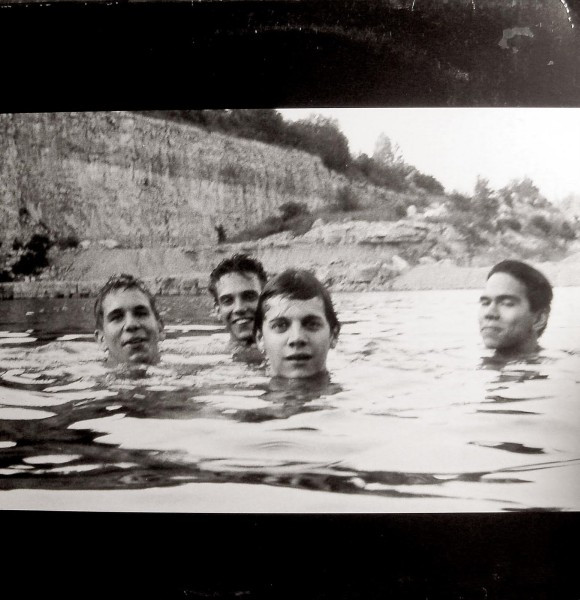
Spiderland is a Alt/Indie album by Slint, originally released in 1991. On Gatefold: 45 pressings tracked, owned by 45 collectors.
Sound DNA
- Alt/Indie
- Post-Rock
- dense
- brooding
- cinematic
About
By the time the four Kentucky teens who concocted the word “Slint” as a band name released their second album, <i>Spiderland</i>, in early 1991, they’d been broken up for four months. The steely voice of guitarist Brian McMahan had been central to many of the album’s six songs, his soft spoken-word passages and fluttering croon serving as the emotional linchpin for these tales of everyday surrealism. But they were just kids, pausing college to risk band life and a fantasy deal with Touch and Go Records. McMahan worried about his future—about how to pay hypothetical family bills while muttering tales of stranded seamen or impromptu roller-coaster rides with fortune-telling carneys. He wanted out. But <i>Spiderland</i> would stick with McMahan for life. Few other albums have done more to rearrange the frame of indie rock and suggest new musical frontiers than these 40 moody minutes of worry for the present, flickering with vague hope for what was to come. Its restraint a poignant counterpoint to the maximalism of would-have-been contemporaries like My Bloody Valentine, <i>Spiderland</i>’s explosive power emerged as a touchstone for post-rock institutions like Mogwai and Explosions in the Sky, and post-punk newcomers like black midi. After decades of being imitated and alluded to, <i>Spiderland</i>—with its landmark riffs, anecdotal intrigue, and galvanizing catharses—remains nonpareil in reach and resolve. Two years earlier, on the group’s debut album, <i>Tweez</i>, the members of Slint had sounded like the kids they were. Aided and abetted by producer Steve Albini, they bounded around as a madcap post-hardcore band, rambunctious and scattershot. But as the words of Leonard Cohen and the tones of classic country trickled into their collective interests, they began to focus—to scale back until the riffs and the rhythms dovetailed into a tapestry of faint grays. New bassist Todd Brashear was a fount of Americana, his love of deep blues and old rock settling down the band. McMahan and David Pajo briefly became one of music’s most incisive and expressive guitar tandems, and McMahan and drummer Britt Walford would serve as one of its most uncanny vocal duos (again—just briefly). <i>Spiderland</i> is full of songs about young adults having fun, while just beginning to worry about the future. A drum-less meditation on being ostracized by even those who seem like friends, “Don, Aman” wrestles with the prospect of being an eternal outsider. A lovesick ballad so tender it often seems on the verge of cracking in half, “Washer” tries meekly to brush off the world’s encroaching cruelties. <i>Spiderland</i> culminates in Slint’s masterpiece, “Good Morning, Captain,” a dynamic seesaw about a seafaring stranger who has lost everyone he knows. “I miss you,” McMahan screams on repeat at the end, voice breaking against plangent guitars and stomping drums like a ship’s bow against the rocks. Slint didn’t need to stick around, really: These pieces—elliptical and open, like suggestions for future shapes that others might fill—helped imagine the future.
via Apple Music
The Clerk's got thoughts on this one. Mosh members get the full take →
Tracklist
Side A
- A1Breadcrumb Trail5:53
- A2Nosferatu Man5:31
- A3Don, Aman6:24
Side B
- B1Washer8:46
- B2For Dinner...5:02
- B3Good Morning, Captain7:36
Credits
Performers
- Todd BrashearBASS
- Britt WalfordDRUMS VOCALS GUITAR
- Brian McMahanELECTRIC GUITAR VOCALS GUITAR
- David PajoGUITAR
45 collectors on Gatefold own this · 45 pressings tracked on Gatefold