
Artist
馳見 "Ace" 大地
Nihonbashi
馳見 "Ace" 大地 is a musician from Nihonbashi. Their discography on Gatefold includes 4 records.

4
Albums tracked
20
In collections
—
Since
Biography
Ace Daichi dropped into the Tokyo scene with a laptop and a sense of timing that made the Shibuya-kei old guard look like they were standing still. He wasn't some studio rat with a rack of vintage gear; he was a product of the early 2000s software boom, cutting tracks that felt like they were vibrating at the exact frequency of a late-night convenience store crawl. The whole aesthetic was built on the digital crunch of the era—clean enough for a club system but weird enough to keep the bedroom nerds guessing. He didn't stay in one lane long enough for the critics to pin him down, moving from jittery broken beats to smoother, almost lounge-adjacent textures without breaking a sweat. It was a short run, basically seven years from start to finish, but he captured that specific transition where Japanese electronic music stopped looking at the UK for permission and started trusting its own internal logic. By the time he stepped away in 2009, the sound he helped shape had already been absorbed into the city's DNA.
Bio from The Clerk
The Arc of 馳見 "Ace" 大地
The pivots — what forced 馳見 "Ace" 大地 to reinvent.
The Bit-Crushed Arrival
Daichi emerged in 2002 when the Tokyo underground was shifting from expensive analog setups to the democratization of FruityLoops and early VSTs. He leveraged the limitations of digital clipping and harsh high-ends to create a sound that felt frantic and immediate. It wasn't about fidelity; it was about the kinetic energy of a guy seeing how far he could push a CPU before it choked. You hear it in the way the rhythms stutter, mimicking the sensory overload of a Shinjuku arcade.
The Smooth Pivot
Towards the mid-2000s, the jagged edges started to soften as he began incorporating more melodic, jazz-inflected samples and Rhodes-heavy atmospheres. This wasn't a play for radio, but a response to the city’s growing obsession with chill-out rooms and more sophisticated lounge electronics. He moved away from the chaotic glitch of his debut towards a production style that emphasized space and groove. The beats got heavier and the tempos slowed down, marking a transition into a more mature, polished phase of his brief catalog.
Influences
- Cornelius — Keigo Oyamada’s cut-and-paste philosophy on Fantasma is the direct blueprint for Daichi's early work. You hear it in the playful, rapid-fire sample triggering and the way sound effects are treated as melodic instruments. It’s that shared 'Point' era DNA where every beep has a purpose.
- Aphex Twin — Daichi has cited Richard D. James as the reason he picked up a computer instead of a guitar. The influence is obvious in the rhythmic complexity and the willingness to let a track dissolve into pure digital noise. It's the Drukqs-era drum programming filtered through a Japanese pop sensibility.
- United Future Organization — UFO’s blend of jazz, bossa nova, and club beats paved the way for Daichi’s more atmospheric mid-career transitions. They proved you could stay cool in the club while sampling old vinyl. You hear their DNA in his choice of brass samples and the sophisticated lounge-hop swing he adopted later on.
- Yellow Magic Orchestra — The foundational ghost in the machine for any Japanese electronic artist, specifically Haruomi Hosono’s production quirks. Daichi carries that YMO tradition of using technology to create something that feels distinctly urban and sleek. The synth textures on his 2000s tracks are a direct descendant of the Technodelic palette.
- DJ Krush — The mastery of atmospheric space and heavy, downtempo percussion is something Daichi absorbed from Krush’s Mo' Wax period. You hear it in the way he lets a bassline breathe against a sparse, snapping snare. It’s that shared ability to make a track feel like a foggy night in Tokyo.
Discography
Their records — most-collected first.
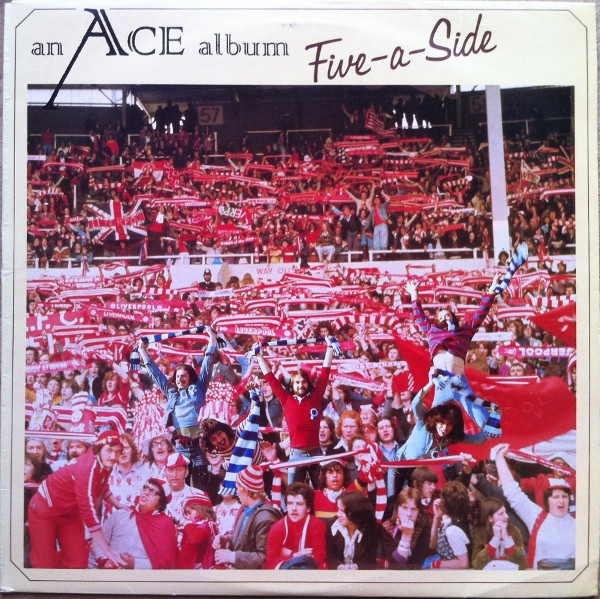


Around the web
Follow every record they touch.
Start your shelf and Gatefold tracks 馳見 "Ace" 大地's new pressings, tour dates, and the whole discography — automatically.
Start your shelf →Free forever. Works with 10 records or 10,000.