Artist
Alabama Shakes
Athens, United States · Formed 2009
Alabama Shakes is a music group from Athens, United States, active since 2009. Their discography on Gatefold includes 4 records.

4
Albums tracked
145
In collections
2009
Since
Biography
They cut their early demos in a real estate office in Decatur, Alabama, late at night when the phones stopped ringing. Zac Cockrell and Brittany Howard had been writing tunes together after working their day jobs as an animal clinic tech and a mail carrier. When they finally booked time at the bombshelter studio in Nashville with Andrija Tokic, they had no money and zero industry buzz. They recorded straight to analog tape with live, single-take vocals because they couldn't afford the studio hours to fix mistakes. It was raw, sweating, and totally out of step with the slick indie-pop dominating the blogs in 2011. Then the hype machine caught up and almost swallowed them whole. The debut record got them Grammy nods and put them on festival mainstages, but the pressure to deliver a follow-up nearly broke them. Instead of playing it safe with another retro-soul throwback, they went to Sound Emporium in Nashville with Blake Mills. Mills pushed them to ditch the simple three-chord progressions and start thinking about space, texture, and weird frequencies. It was a massive gamble that paid off, even if it alienated the fans who just wanted another "Hold On."
Bio from The Clerk
The Arc of Alabama Shakes
The pivots — what forced Alabama Shakes to reinvent.
The Bombshelter Sessions
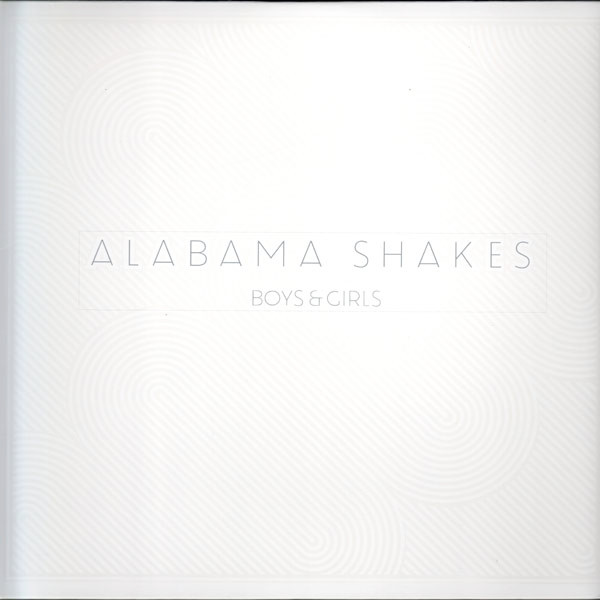
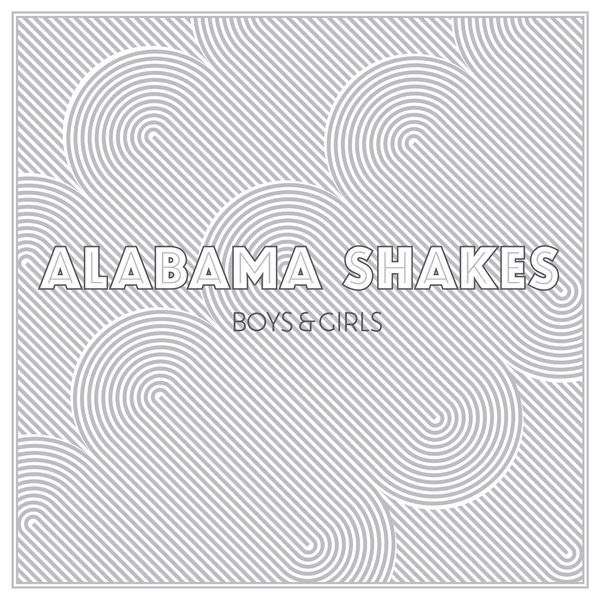
They tracked the debut album on a shoestring budget using vintage analog gear that was literally falling apart in Andrija Tokic's Nashville studio. Heath Fogg's guitar was plugged straight into old Ampeg and Fender amps with no pedals, forcing the band to rely entirely on dynamic control and Howard's throat-shredding delivery. The resulting album, Boys & Girls, sounded like a lost Stax session recorded on a humid July night. It caught the ear of ATO Records, turning a bunch of blue-collar Alabama kids into international touring acts overnight.
The Blake Mills Mutation
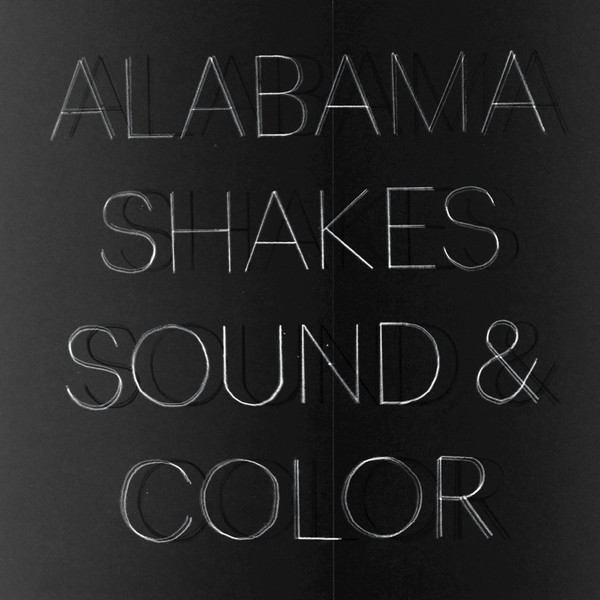
For their second record, they holed up with producer Blake Mills to systematically dismantle their retro-soul reputation. Mills had them using rubber-bridge acoustic guitars, analog synthesizers, and bizarre mic placements to capture a colder, more experimental sound. The sessions for Sound & Color were tense and experimental, pushing Steve Johnson's drumming into weird, delayed grooves that sounded more like D'Angelo than Otis Redding. The record won four Grammys, proving they weren't just a nostalgic bar band.
Influences
- Otis Redding — Brittany Howard has repeatedly cited Redding as the blueprint for her vocal delivery, specifically his ability to transition from a whisper to a scream. You can hear this direct lineage on 'These Arms of Mine' reflecting in the quiet-loud dynamics of 'You Ain't Alone.' The band even performed a tribute to Redding at the Rock and Roll Hall of Fame in 2015.
- Candi Staton — The band grew up on Muscle Shoals soul, and Howard specifically pointed to Staton's early Fame Records tracks as her vocal masterclass. The raw, unpolished grit on Alabama Shakes' self-titled EP is a direct descendant of Staton's late-60s output. It's the sound of Alabama dirt mixed with Southern gospel.
- Led Zeppelin — Before they were a soul band, Howard and Cockrell started out playing classic rock covers in high school, obsessing over Jimmy Page's heavy blues riffs. Heath Fogg's guitar work on 'Heavy Chevy' borrows its swagger and overdrive directly from Led Zeppelin II. They even covered 'Your Time Is Gonna Come' during their early live sets.
- Curtis Mayfield — During the writing sessions for Sound & Color, the band immersed themselves in Mayfield's 1970s solo records to learn how to space out their arrangements. The falsetto vocals and vibraphone textures on 'Future People' are a direct nod to the production style of Superfly. It shifted them away from basic garage rock into cinematic funk.
- James Brown — The tight, interlocking rhythm section of Zac Cockrell and Steve Johnson was built on the foundation of the J.B.'s. Howard has noted that Brown's rhythmic discipline taught the band how to use silence as an instrument. On tracks like 'The Greatest,' the band employs that classic, sudden stop-and-start funk precision.
Discography
Their records — most-collected first.

Related artists
Around the web
Follow every record they touch.
Start your shelf and Gatefold tracks Alabama Shakes's new pressings, tour dates, and the whole discography — automatically.
Start your shelf →Free forever. Works with 10 records or 10,000.