
Artist
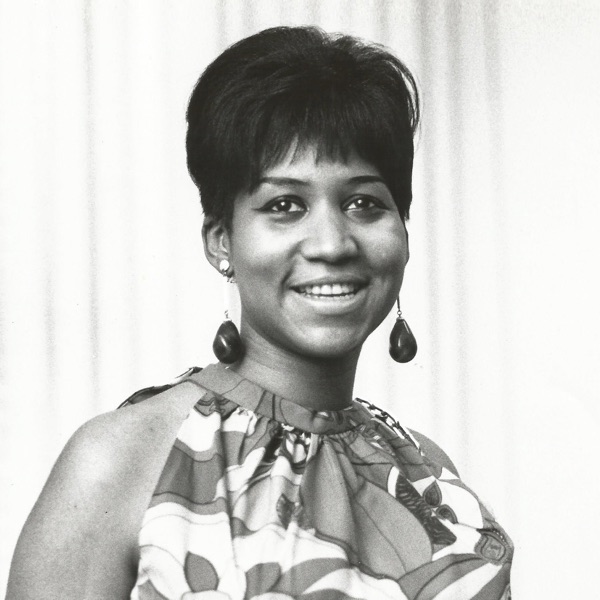
Aretha Franklin
Memphis, United States · 1942 – 2018
Aretha Franklin is a musician from Memphis, United States, active 1942–2018. Their discography on Gatefold includes 24 records.
88
Albums tracked
539
In collections
1942
Since
Biography
John Hammond signed her to Columbia in 1960 and spent six years trying to turn her into a polite jazz-pop lounge singer. It was a waste of the most explosive voice in America. Columbia had her singing show tunes and standards with lush, stifling string arrangements that did absolutely nothing to tap into her gospel roots. She was miserable and the records didn't sell. Then her contract ran out, Jerry Wexler signed her to Atlantic in 1966, and he immediately sent her to FAME Studios in Muscle Shoals. He threw out the orchestra and put her behind the piano with the Swampers backing her up. That raw, greasy Southern soul setup unlocked everything. She cut "I Never Loved a Man the Way I Love You" in that first session, and she never looked back. By the late seventies, she hit a brutal creative slump, turning out over-produced disco fluff like La Diva that felt beneath her. Clive Davis saved her from the wilderness by signing her to Arista in 1980, pivoting her toward high-gloss synth-pop and MTV-ready duets. Some purists hated the drum machines and the neon shoulder pads on Who's Zoomin' Who?, but she proved she could dominate any decade she touched. She wasn't just a survivor. She was the blueprint.
Bio from The Clerk
The Arc of Aretha Franklin
The pivots — what forced Aretha Franklin to reinvent.
The Columbia Straitjacket
From 1960 to 1966, Columbia Records treated her like a cabaret act rather than a force of nature. John Hammond saw her as the next Billie Holiday or Dinah Washington, saddling her with polite big band charts and show tunes. You hear the restraint on records like The Electrifying Aretha Franklin, where her massive voice constantly fights against the polite, bloodless arrangements. She was singing beautifully, but she was completely boxed in by the label's slick uptown ambitions.
The Muscle Shoals Breakthrough
In January 1967, Jerry Wexler took her to Muscle Shoals, Alabama, to record with the Swampers at FAME Studios. Wexler's stroke of genius was putting her back at the piano, letting her direct the rhythm section with her own chord voicings. The session almost collapsed after a single day due to a drunken altercation between her husband and studio owner Rick Hall. Wexler fled back to New York with the rhythm tracks, but that one session birthed "I Never Loved a Man the Way I Love You" and established the heavy, gospel-drenched soul template that defined her peak Atlantic run.
The Arista Renaissance
After her Atlantic contract expired amidst a string of commercial flops in the late seventies, Clive Davis signed her to Arista in 1980 to modernize her sound. Davis paired her with producers like Luther Vandross and Narada Michael Walden, trading the organic horns of the South for drum machines, synthesizers, and massive pop hooks. The resulting 1985 album, Who's Zoomin' Who?, became her first platinum record, driven by the massive MTV success of "Freeway of Love." It was a calculated, high-gloss comeback that proved she could conquer the pop charts of the eighties without losing her vocal authority.
Influences
- Clara Ward — Ward was a close family friend who regularly visited the Franklin home and mentored her. You hear Ward's aggressive vocal runs and physical intensity in Franklin's gospel-derived piano style. Her famous performance of "Peace in the Valley" is a direct blueprint of Ward's phrasing.
- Dinah Washington — Franklin recorded an entire tribute album to Washington in 1964, Unforgettable, directly after Washington's death. Washington's precise, bluesy enunciation and brassy projection shaped her early vocal delivery. It gave her the tools to transition from sacred gospel to secular pop.
- Mahalia Jackson — Jackson was another frequent guest at her father's church who helped raise her after her mother died. You can hear Jackson's massive, resonant chest-voice power in the title track of Spirit in the Dark. It is the foundation of her entire vocal architecture.
- Sam Cooke — Cooke's transition from the Soul Stirrers to pop stardom showed Franklin that secular music could still carry gospel weight. She watched him play her father's church circuit before his crossover success. His smooth, soaring melodic control heavily influenced her phrasing on early Atlantic tracks like "Baby I Love You."
- C. L. Franklin — Her father was a legendary Baptist preacher whose recorded sermons were national hits on Chess Records. His rhythmic, call-and-response preaching style and vocal dynamics taught her how to build tension and release in a song. You hear his emotional cadences in every vocal run she recorded at Atlantic.
Discography
Their records — most-collected first.
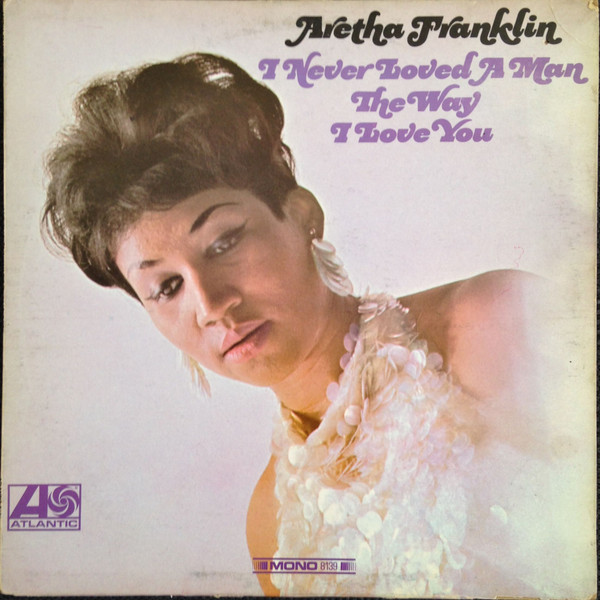
I Never Loved A Man The Way I Love You
1967
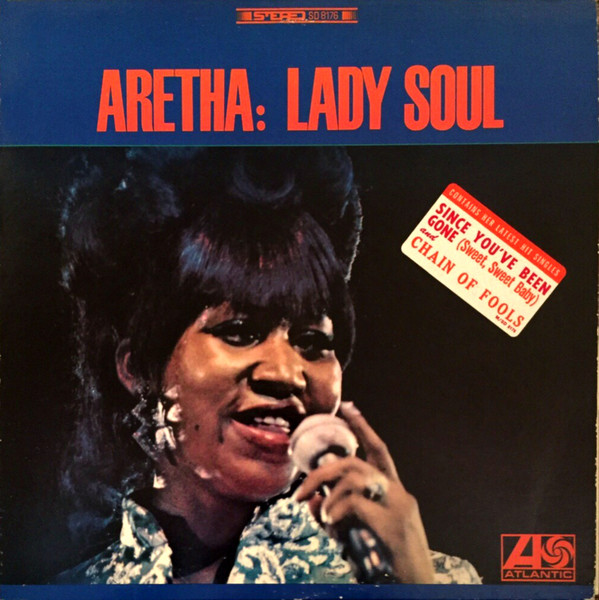
Lady Soul
1968
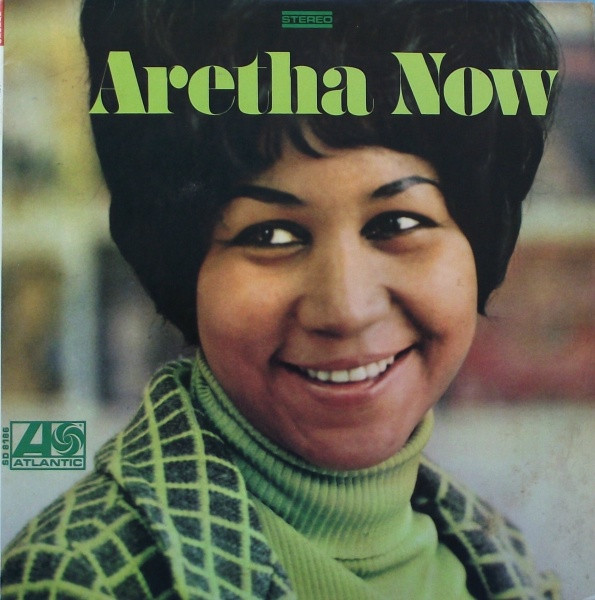
Aretha Now
1968
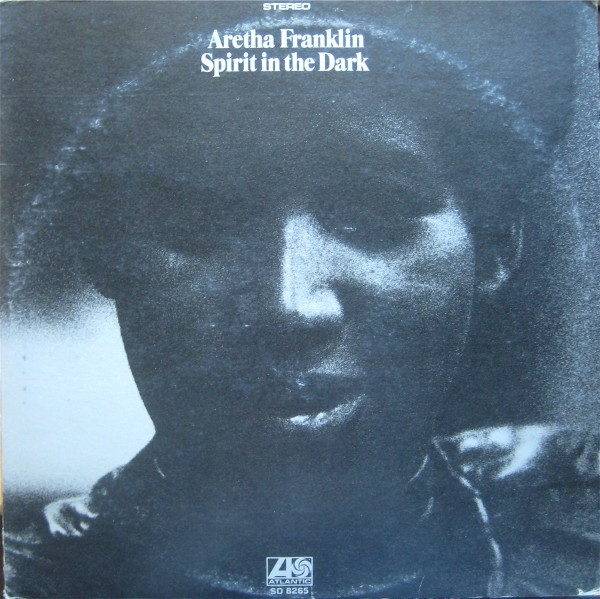
Spirit In The Dark
1970
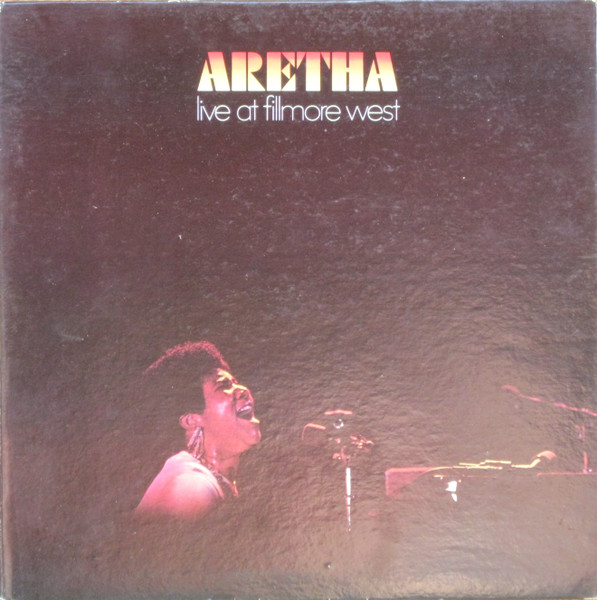
Live At Fillmore West
1971
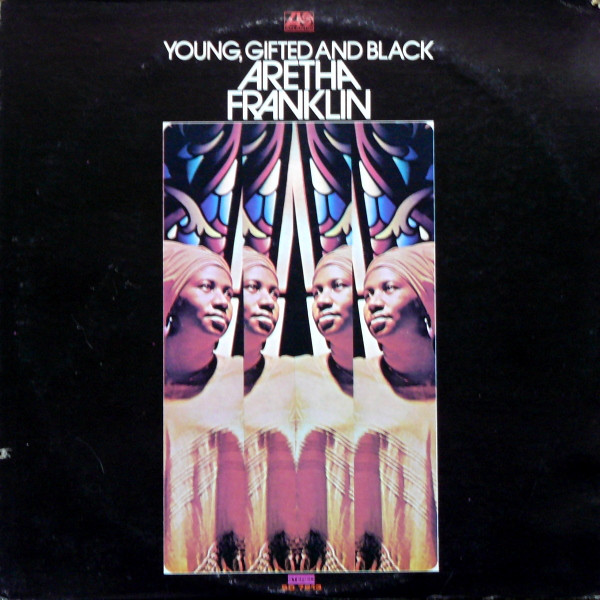
Young, Gifted And Black
1972
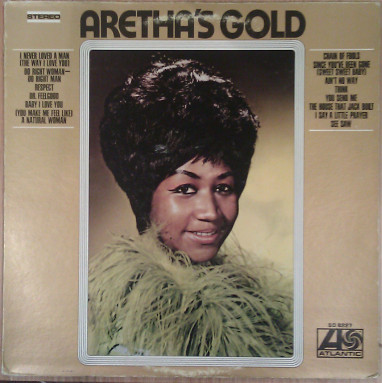
Aretha's Gold
1969
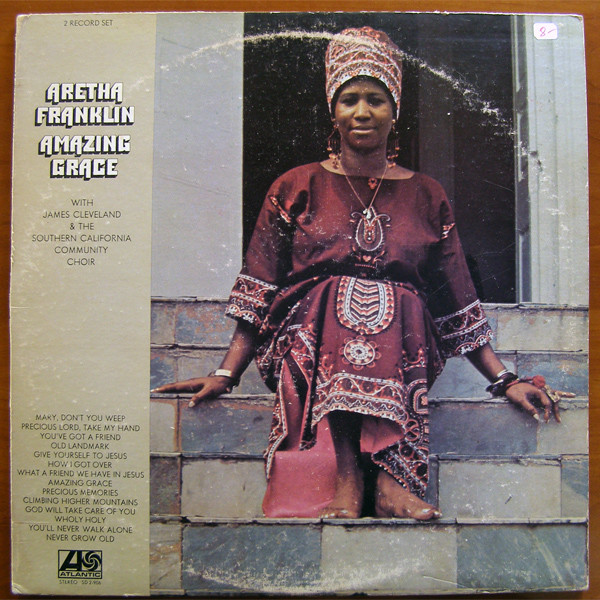
Amazing Grace
1972
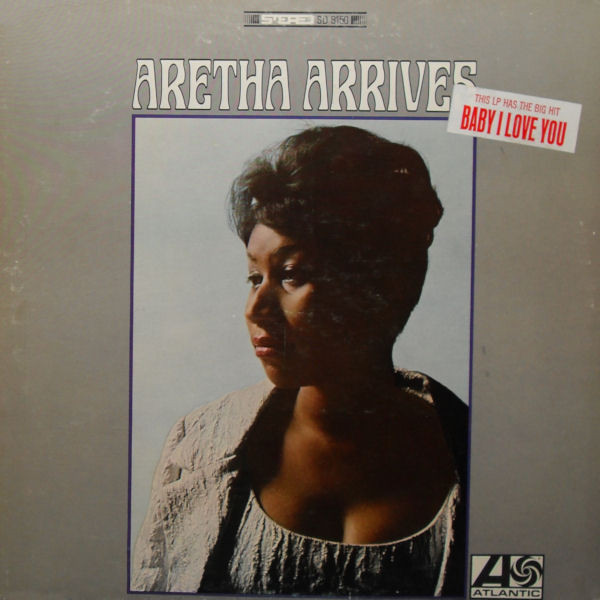
Aretha Arrives
1967
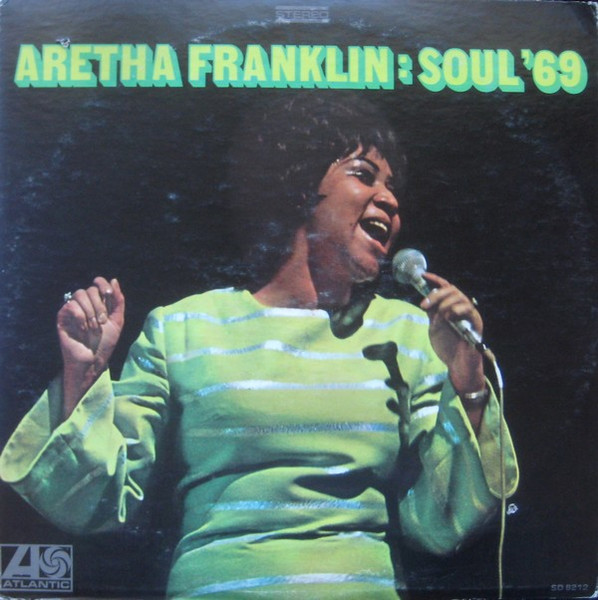
Soul '69
1969
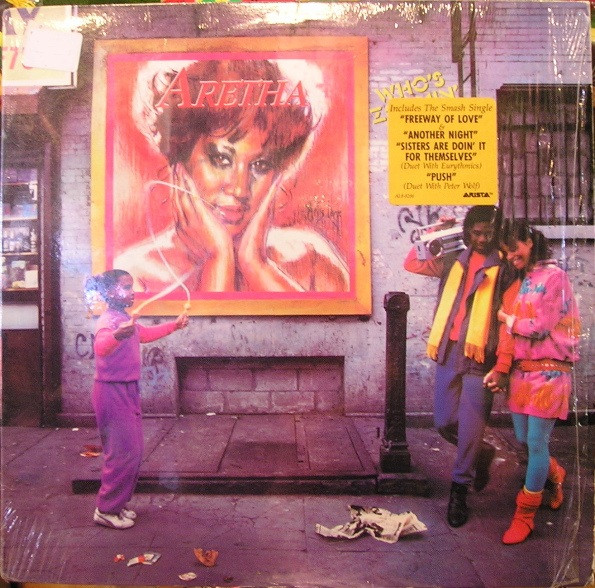
Who's Zoomin' Who?
1985

Oh Me Oh My: Aretha Live In Philly, 1972
2007

Aretha's Greatest Hits
1971

30 Greatest Hits
1986

The Best Of Aretha Franklin
1984

Sparkle
1976
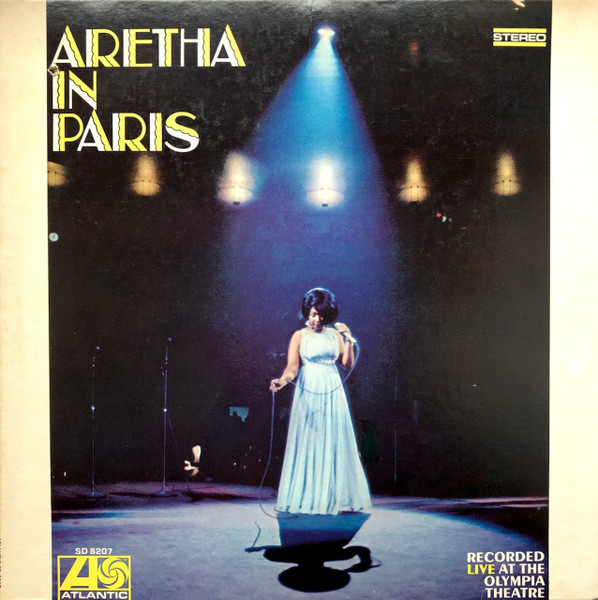
Aretha In Paris
1968
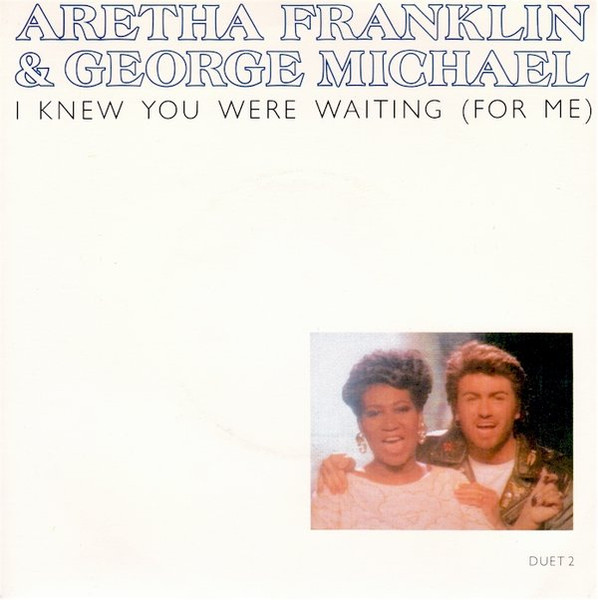
I Knew You Were Waiting (For Me)
1987

Aretha
1986

This Girl's In Love With You
1970

Queen Of Soul
1968
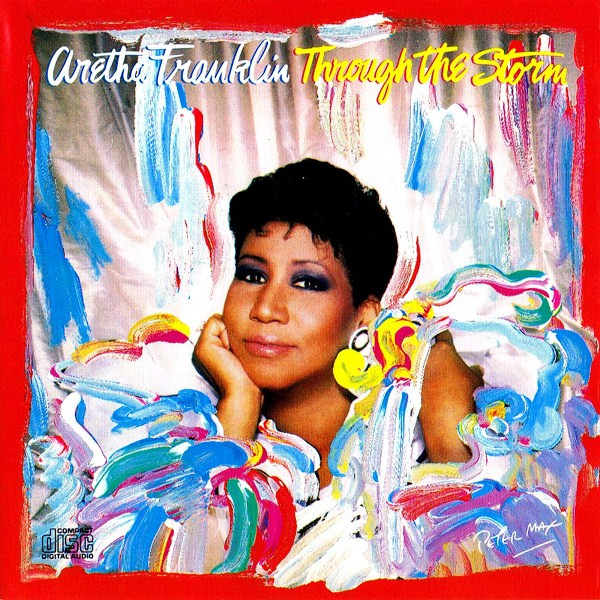
Through The Storm
1989
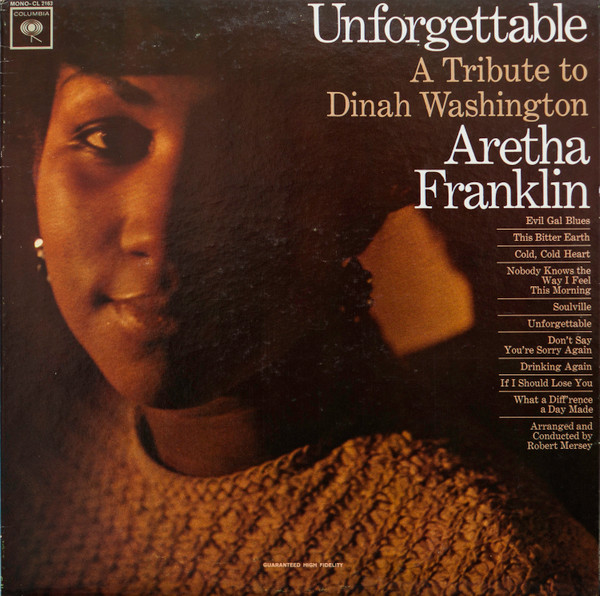
Unforgettable - A Tribute To Dinah Washington
1964
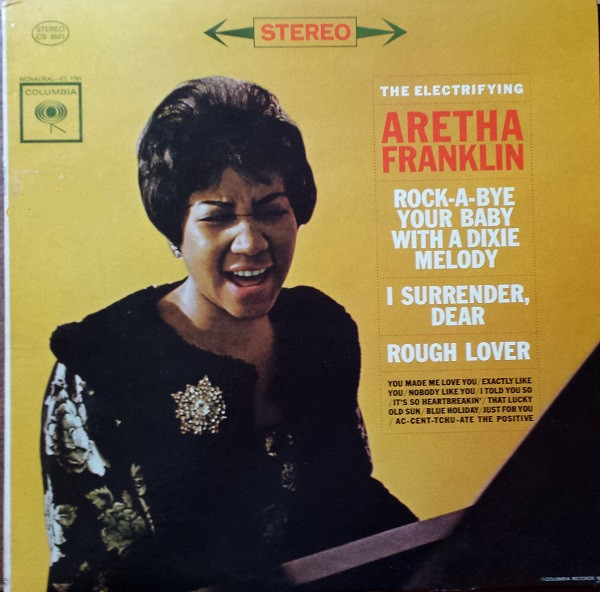
The Electrifying Aretha Franklin
1962
Related artists
Around the web
Follow every record they touch.
Start your shelf and Gatefold tracks Aretha Franklin's new pressings, tour dates, and the whole discography — automatically.
Start your shelf →Free forever. Works with 10 records or 10,000.