
Artist
Bad Company
rap/hip-hop artist
Bad Company is a musician. Their discography on Gatefold includes 19 records.

19
Albums tracked
285
In collections
—
Since
Biography
Paul Rodgers walked into Headley Grange with a bunch of guys who were already tired of being in legendary bands. This wasn't some organic start; it was Peter Grant, the Zeppelin manager, essentially creating a supergroup to serve as the flagship for Swan Song Records. They cut the debut in two weeks using the Rolling Stones Mobile Studio parked outside a cold manor house. Rodgers’ vocal on ‘Rock Steady’ isn't polished because they didn't have the time or the inclination to fix it—it’s just raw, bluesy arrogance caught on tape. By the late '70s, the minimalist grit that made them a powerhouse started to feel like a formula they couldn't escape. They were the first band to get the 'corporate rock' label thrown at them, mostly because they made it look too easy. Mick Ralphs had that Gibson-through-a-Marshall crunch dialed in so perfectly that they stopped taking risks. When you listen to the later Swan Song era, you can hear the exhaustion in the grooves. They were playing to stadiums, but the spark from those early sessions at Headley Grange was buried under the weight of expectations and burnout.
Bio from The Clerk
The Arc of Bad Company
The pivots — what forced Bad Company to reinvent.
The Swan Song Launch
The debut record in '74 is the sound of stripped-down efficiency, largely because Peter Grant kept the production out of the hands of big-name meddlers. Simon Kirke’s drumming stayed lean and heavy, leaving massive holes for Rodgers to fill with that signature rasp. They recorded the self-titled album and Straight Shooter in quick succession, leaning on the chemistry Rodgers and Kirke brought over from Free. You hear a band that knew exactly how much space to leave in a riff to make it hit harder.
The Burnishing of the Formula
Run with the Pack marked a shift toward a glossier, more deliberate studio sound where the rough edges started to get sanded down. They brought in strings and more prominent piano work, moving away from the bare-bones Marshall stack attack of the first two records. The pressure to top the charts led to a more mid-tempo, safe approach that defined the 'arena rock' aesthetic of 1976. It’s the moment they stopped being a blues-rock outfit and became a global brand.
The Desolation and Departure
By the time they got to Rough Diamonds in '82, the internal friction between Rodgers and the rest of the band had turned the studio into a ghost town. Rodgers was moving toward a more soulful, experimental headspace while the band wanted to keep the hard rock engine running. The recording sessions were plagued by apathy, resulting in a record that felt fragmented and lacked the unified punch of their early work. When Rodgers walked away after the tour, it ended the only version of the band that mattered to the purists.
Influences
- Muddy Waters — Paul Rodgers frequently cited Waters as the blueprint for his vocal phrasing and rhythmic delivery. You hear the Chess Records influence in the way Rodgers leans into the '1' of every bar on 'Can't Get Enough.' It’s Chicago blues filtered through a British stack.
- The Jimi Hendrix Experience — Mick Ralphs admitted that his move from Mott the Hoople to Bad Company was inspired by wanting a heavier, more direct guitar tone. He was chasing the sustain and power Hendrix pulled out of a Stratocaster, though Ralphs eventually traded the psych-fuzz for a cleaner, Les Paul-driven crunch.
- Free — Since Rodgers and Kirke were the backbone of Free, the DNA is literally shared. The 'less is more' philosophy they honed with Paul Kossoff carried directly into Bad Company's DNA. They didn't just influence the sound; they were the direct evolutionary step.
- Otis Redding — Rodgers has gone on record saying Otis was the greatest singer to ever live, and he modeled his emotional swells after him. You hear it on 'Bad Company' where he pushes his voice into a soulful grit that rock singers usually can't touch. It’s Stax Records soul played at maximum volume.
- The Beatles — Mick Ralphs studied the McCartney school of melodic songwriting to ensure their heavy riffs still had hooks that could live on the radio. The construction of 'Feel Like Makin' Love' follows the classic pop-structured tension and release. They used the Lennon-McCartney playbook to make blues-rock palatable for the masses.
Discography
Their records — most-collected first.
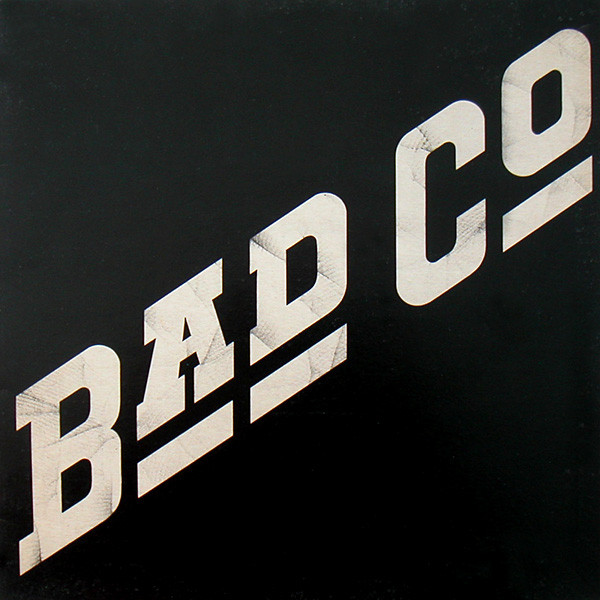
Bad Co
1974

Straight Shooter
1975

Desolation Angels
1979
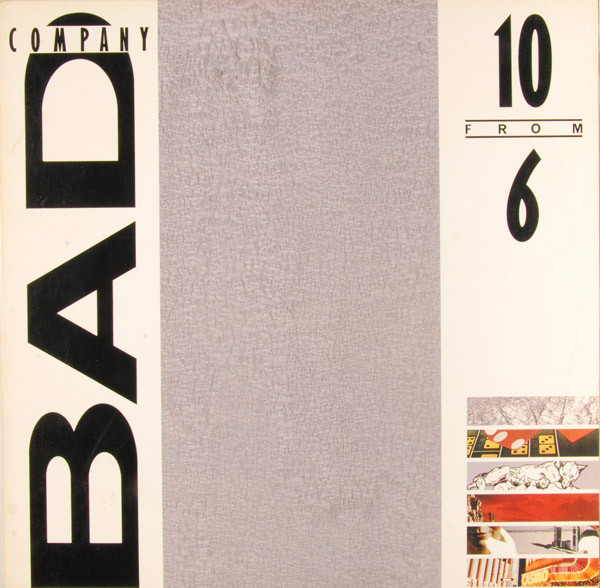
10 From 6
1985
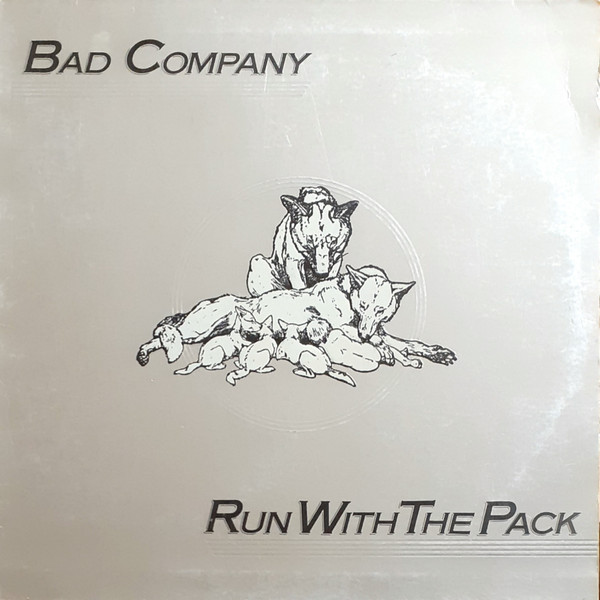
Run With The Pack
1976
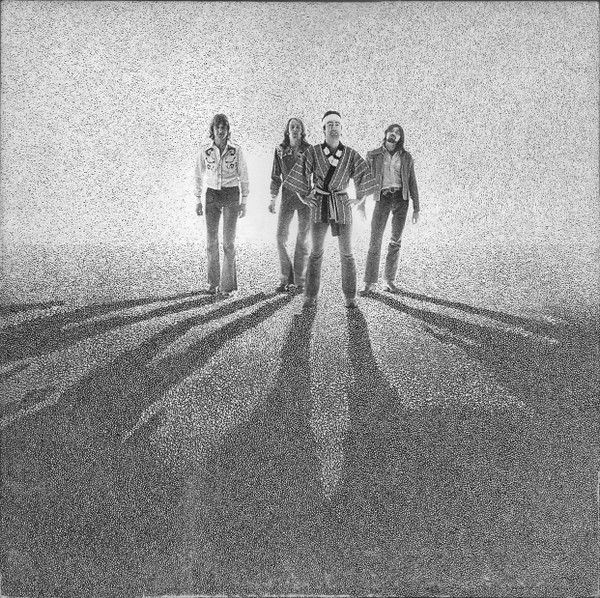
Burnin' Sky
1977

Rough Diamonds
1982
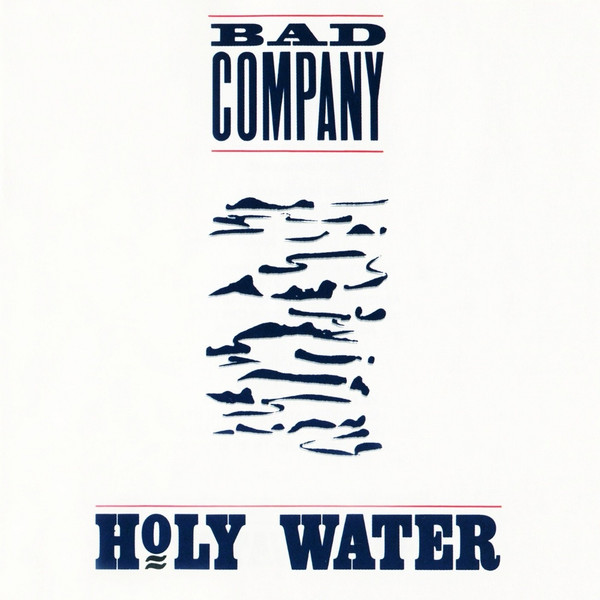
Holy Water
1990
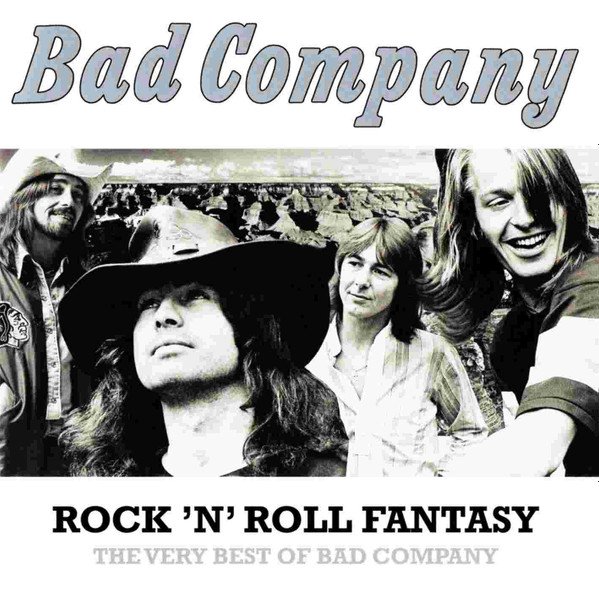
Rock 'n' Roll Fantasy The Very Best Of Bad Company
2015

Dangerous Age
1988
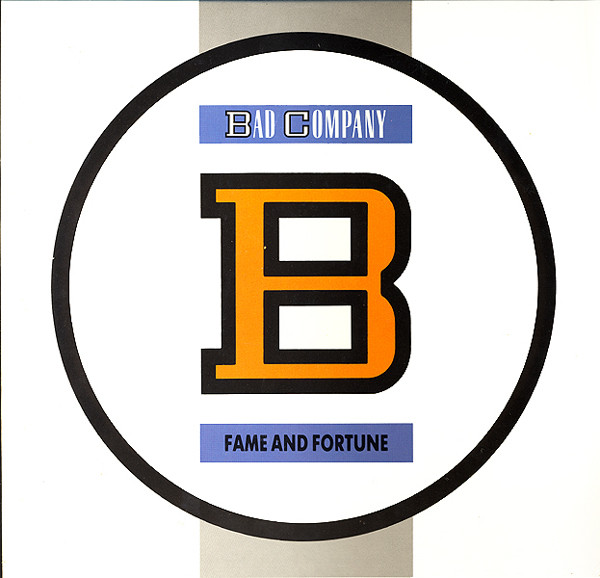
Fame And Fortune
1986

Feel Like Makin' Love
1975

The 'Original' Bad Co Anthology
1999

Can't Get Enough
1974

Live 1977 & 1979
2016
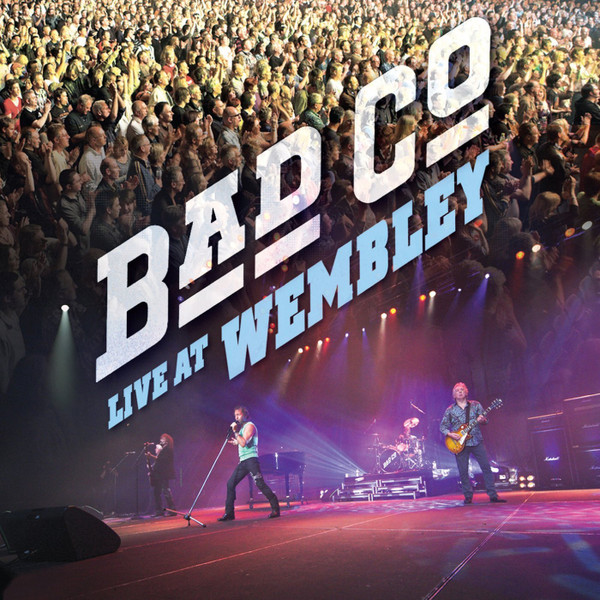
Live At Wembley
2011
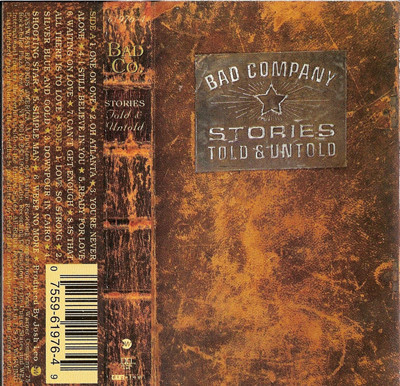
Stories Told & Untold
1996

Here Comes Trouble
1992

Company Of Strangers
1995
Around the web
Follow every record they touch.
Start your shelf and Gatefold tracks Bad Company's new pressings, tour dates, and the whole discography — automatically.
Start your shelf →Free forever. Works with 10 records or 10,000.