
Artist
Badfinger
Swansea, United Kingdom · Formed 1969
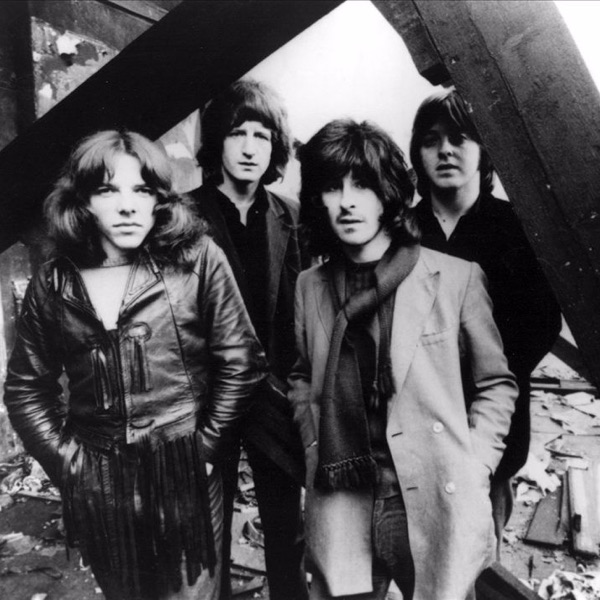
Badfinger is a music group from Swansea, United Kingdom, active since 1969. Their discography on Gatefold includes 22 records.
22
Albums tracked
111
In collections
1969
Since
Biography
Paul McCartney handed them 'Come and Get It' fully demoed, tracked the session at Abbey Road in under an hour, and told them not to change a single note if they wanted a hit. They didn't touch it. It charted worldwide, but it locked Pete Ham, Tom Evans, Joey Molland, and Mike Gibbins into the worst kind of industry crosshairs: the heir-apparent tag to a collapsing Beatles empire on Apple Records. When they were left to their own devices, they were not a novelty act. Ham's songwriting was razor-sharp, his slide guitar tone cut straight through tape, and their vocal harmonies had real bite instead of polite studio sheen. Then came the business side, which turned into one of the most vicious butcherings in music history. Stan Polley pocketed their advances, Warner Bros. pulled their best record off the shelves seven weeks after release over missing escrow funds, and the legal chokehold drained Ham until he took his own life in 1975, followed by Evans years later. The discography they left behind is power-pop bedrock cut by genuine working-class craftsmen who got destroyed by suits who saw them as disposable collateral.
Bio from The Clerk
The Arc of Badfinger
The pivots — what forced Badfinger to reinvent.
The Apple Powerhouse
Geoff Emerick and Todd Rundgren rotated through the control room while George Harrison pulled the band in to back him on All Things Must Pass and at the Concert for Bangladesh. That momentum yielded No Dice and Straight Up, capturing Pete Ham's bell-clear songwriting and Molland's crunchy guitar hooks on tape. You hear a band executing pristine, dynamic rock hooks without studio bloat. It was an astonishing creative peak entirely overshadowed by Apple's administrative collapse around them.
The Warner Bros. Crash
Desperate for stability, the band jumped ship to Warner Bros. and cranked out Badfinger and Wish You Were Here in a blur of exhausting studio sessions with Chris Thomas at Caribou and Abbey Road. Wish You Were Here stands as their hard-rocking, panoramic high-water mark, packed with Ham's most biting melodies and Evans' driving basslines. Seven weeks after it dropped, Warner yanked the physical vinyl from distribution because their manager vanished with the publishing escrow money. The band was instantly broke, commercially erased, and legally handcuffed.
The Fractured Aftermath
Following Ham's death in 1975, Molland and Evans attempted to resurrect the name for Airwaves and Say No More on Elektra. Without Ham's grounding melodic anchor, the records drifted into slick late-seventies radio pop and fragmented session tracks. Lingering royalty disputes and personal friction ended the revival in tragedy when Evans died in 1983. The post-Apple catalog remains a stark document of two musicians trying to build on quicksand.
Influences
- The Beatles — They were signed directly to Apple after Mal Evans brought their demo tape to the label, and Paul McCartney personally produced their breakout single 'Come and Get It.' You hear the chord progressions, vocal stacks, and bass movement across every inch of No Dice. It was a direct stylistic lineage that both made their career and nearly suffocated their identity.
- The Everly Brothers — Ham and Evans patterned their dual-lead harmony style directly on the close-interval vocal trades Don and Phil perfected in the late fifties. Listen to the verses on 'Baby Blue' or 'Without You' where the two voices lock together without vibrato to create a piercing, ringing upper register. That vocal interplay became the central engine of the band's power-pop sound.
- The Who — Before signing to Apple, the band cut their teeth on the UK club circuit slamming through maximum R&B covers and Pete Townshend power chords. You hear that aggression in Mike Gibbins' heavy-handed snare work and Joey Molland's hard-panned rhythm guitar crunch on tracks like 'No Matter What.' They wanted the melodic weight of pop backed by the physical impact of a stadium rhythm section.
- Buddy Holly — Ham cited Holly's downstroke-heavy rhythm guitar work and strict verse-chorus-verse economy as the foundation for his own writing. Tracks like 'Midnight Caller' borrow Holly's unadorned, melodic directness and clean guitar fills. Holly proved you could make three-minute pop songs hit with gut-level emotional honesty.
- The Kinks — Ray Davies produced early tracks for the band during their pre-Badfinger days as The Iveys at IBC Studios. That British working-class cynicism and melodic storytelling carried straight over into Ham's songwriting on tracks like 'Day After Day.' Davies showed them how to write sharp, unsentimental character sketches wrapped in undeniable hooks.
Discography
Their records — most-collected first.
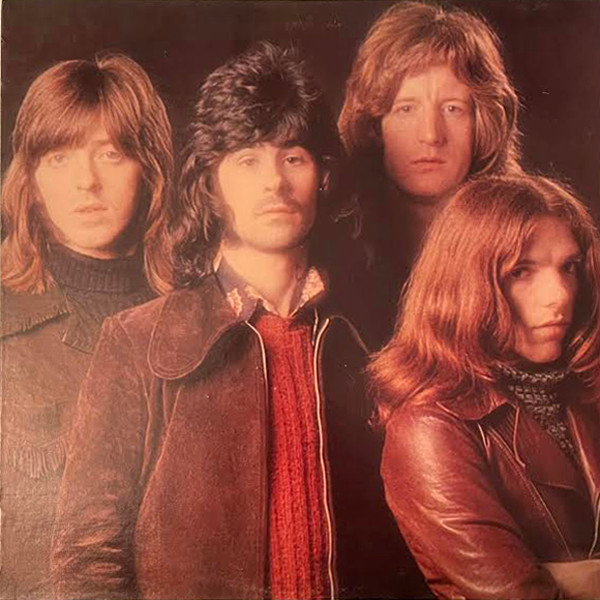
Straight Up
1971

No Dice
1970

Magic Christian Music
1970
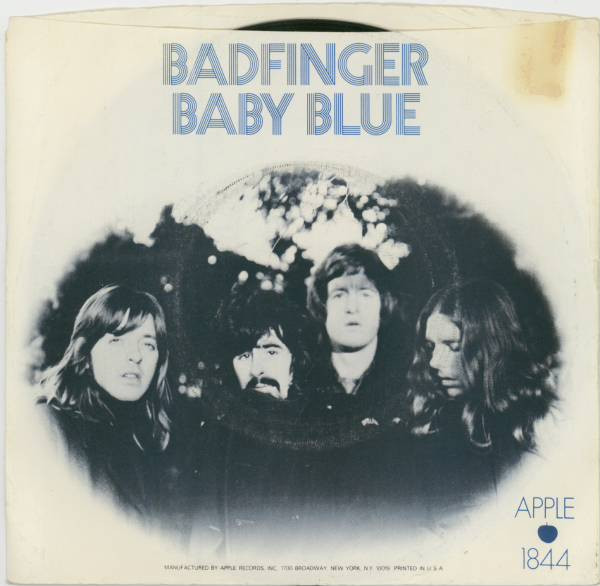
Baby Blue
1972

Ass
1973

Wish You Were Here
1974

Come And Get It
1969

The Best Of Badfinger
1995

Airwaves
1979
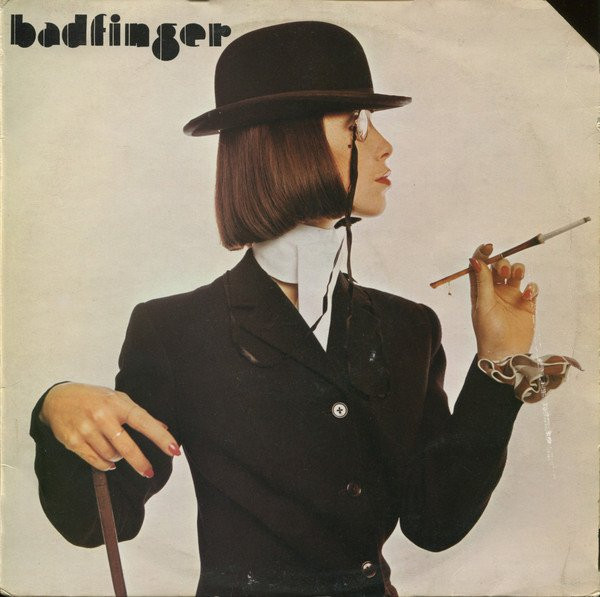
Badfinger
1974

No Matter What
1970

Say No More
1981
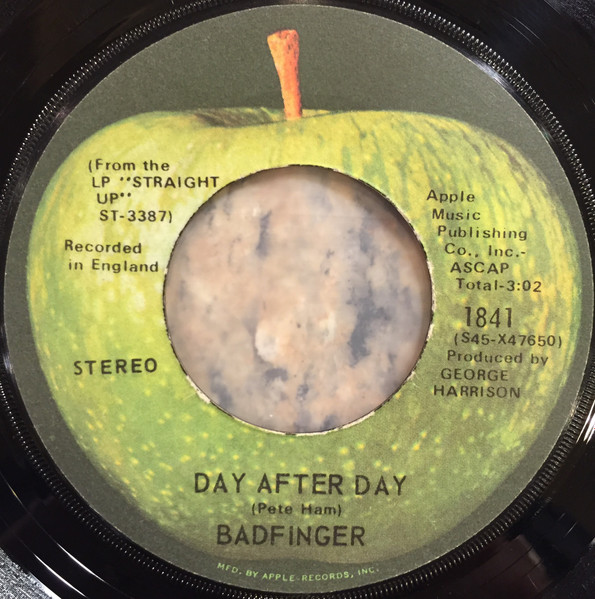
Day After Day
1971
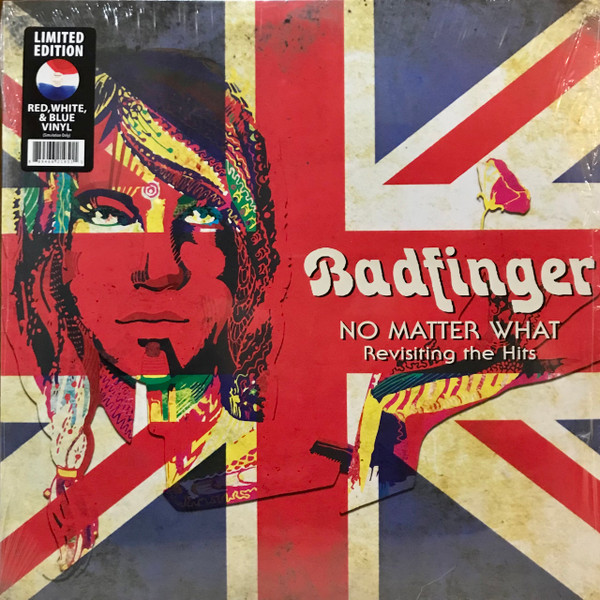
No Matter What: Revisiting The Hits
2021
Timeless... The Musical Legacy
2013

Head First
2000
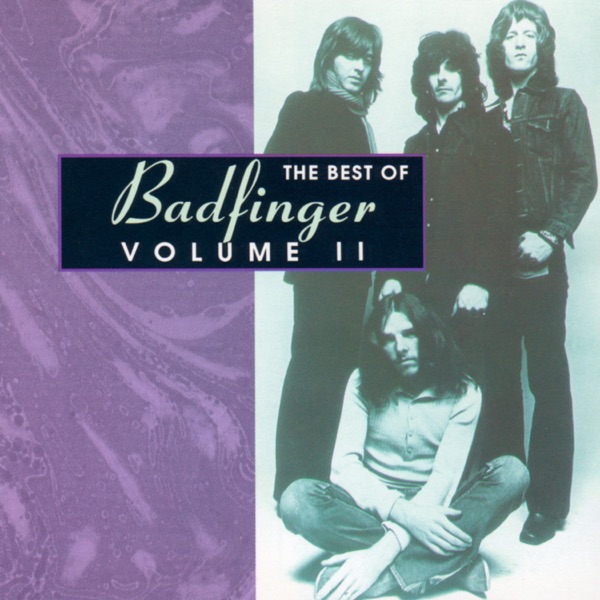
The Best Of Badfinger Volume II
1990

Kansas City 1972
2020

The Very Best Of Badfinger
2000

BBC In Concert 1972-3
1997
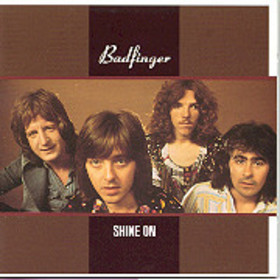
Shine On
1989

Four Smash Hits
Related artists
Frequent collaborators
Around the web
Follow every record they touch.
Start your shelf and Gatefold tracks Badfinger's new pressings, tour dates, and the whole discography — automatically.
Start your shelf →Free forever. Works with 10 records or 10,000.