
Artist
Beck
alt rock, multi‐instrumentalist Beck Hansen
Los Angeles, United States · b. 1970
Beck is a musician from Los Angeles, United States, active since 1970. Their discography on Gatefold includes 24 records.

36
Albums tracked
938
In collections
1970
Since
Biography
Karl Stephenson had a drum machine and an eight-track crammed into a tiny Echo Park kitchen when Beck Hansen brought over an acoustic guitar and a busted slide. They threw together a nonsensical rap over a greasy, looped drum break, stamped it out on Bong Load Custom Records, and accidentally lit a fire. The major labels lost their damn minds bidding over a scruffy kid who looked like a runaway busker. Beck took DGC's cash, but he forced a clause into the contract that let him keep cutting raw, uncommercial junk for indie labels like K and Flipside whenever he felt like it. That wasn't posture — it was pure survival instinct. Most artists from that era would have choked on the one-hit-wonder tag after 'Loser' blew up, but Beck bypassed the trap entirely by treating the recording studio like a junkyard swap meet. He paired up with the Dust Brothers to build collage-pop out of thrift-store vinyl bins, went down to Brazil in his head with Nigel Godrich, and then turned around to channel falsetto funk in a polyester suit. The catalog is notoriously uneven — he spent the 2010s drifting into slick, over-buffed pop that sounded like it was focus-grouped for car commercials. Yet whenever you count the son of a bitch out, he strips the bullshit away, tracks live off the floor, and reminds everybody why he survived the nineties.
Bio from The Clerk
The Arc of Beck
The pivots — what forced Beck to reinvent.
The Trash-Pop Collage
After the kitchen-table success of 'Loser,' Beck linked up with the Dust Brothers to build Odelay out of disparate crates of thrift-store vinyl. They treated the studio like a junkyard, layering 60s garage rock riffs over bossa nova beats and screeching noise. It broke the grunge hangover by proving that irony and sincerity could coexist if the groove was heavy enough. This was the peak of the sample-everything era before the lawyers truly ruined the fun.
The Somber Reset
Following a brutal breakup and the death of his grandfather, Beck ditched the irony and the drum machines for Sea Change. He brought in Nigel Godrich to create a lush, orchestral vacuum where every acoustic strum sounded like a gut punch. There are no jokes here, just a man mourning over Father John Misty’s dad’s record collection. It redefined him as a serious songwriter rather than just a clever kid with a sampler.
The Funk-Bot Phase
Tired of the sad-guy trope, Beck pivoted back to the floor with Midnite Vultures and later The Information. He embraced a high-gloss, neon-drenched funk sound that felt like Prince if he grew up on Atari and Kraftwerk. The live shows turned into choreographed spectacles with robots and dinner-table percussion. It was a polarizing stretch that traded the basement grit for a shiny, almost-too-perfect studio sheen.
Influences
- Mississippi John Hurt — Beck has repeatedly cited Hurt's fingerpicking as the foundation for his early folk tracks. You hear that steady, rolling thumb-bass on 'One Foot in the Grave' and his various lo-fi K Records sessions. It’s the skeleton under all the weird distortion.
- Serge Gainsbourg — The entire 'Sea Change' and 'Morning Phase' aesthetic is a direct lift from Jean-Claude Vannier’s arrangements on 'Histoire de Melody Nelson.' Beck eventually worked with Serge’s daughter Charlotte to close the loop. It’s that specific brand of cinematic, depressed French pop.
- Grandmaster Flash — He spent his youth in LA watching breakdance crews and trying to mimic the cut-and-paste energy of early hip-hop. This manifests in his lyrical stream-of-consciousness and his obsession with finding the perfect breakbeat. He doesn't sing over tracks; he collages over them.
- Captain Beefheart — The dissonant slide guitar and surrealist junk-shop poetry of 'Stereopathetic Soulmanure' are pure Don Van Vliet. Beck captures that same 'trout mask' chaos where nothing is tuned and everything is intentional. It’s the art of the intentional mess.
- Prince — Beck's falsetto and his transition into the 'Vultures' era were a direct homage to the Purple One's funk mastery. He even covered 'Raspberry Beret' early on to prove he had the chops. It's the blueprint for his 'sexy-weirdo' persona.
Discography
Their records — most-collected first.
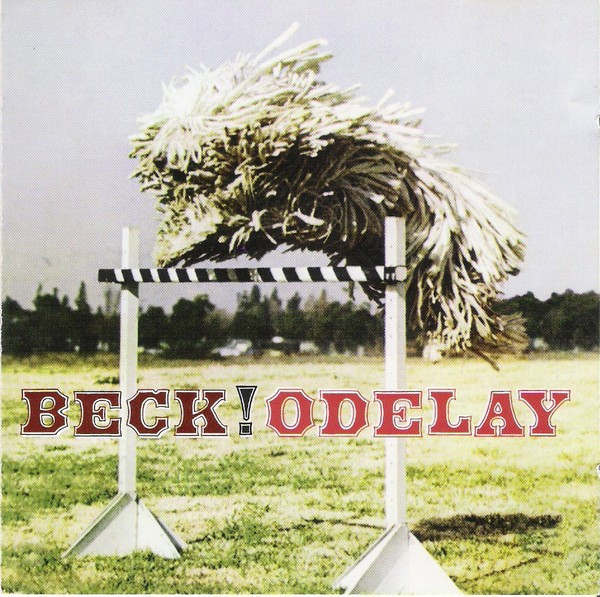
Odelay
1996

Sea Change
2002
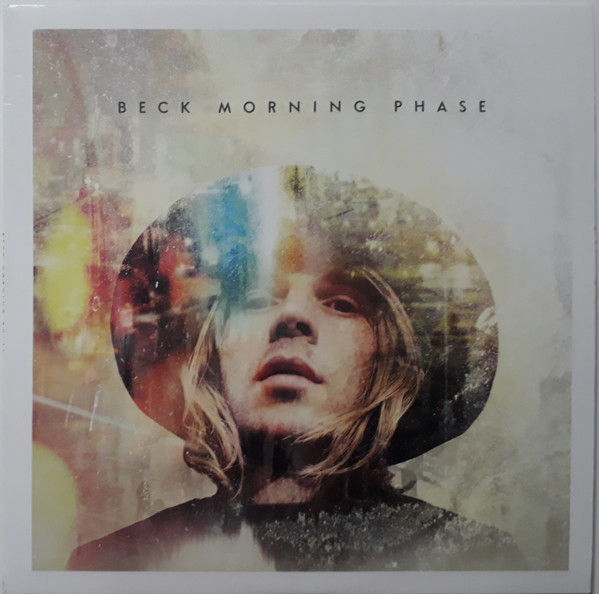
Morning Phase
2014

Mellow Gold
1994
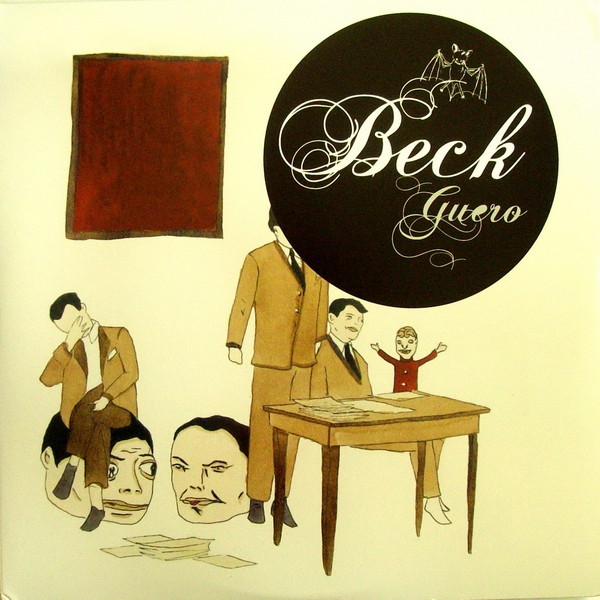
Guero
2005
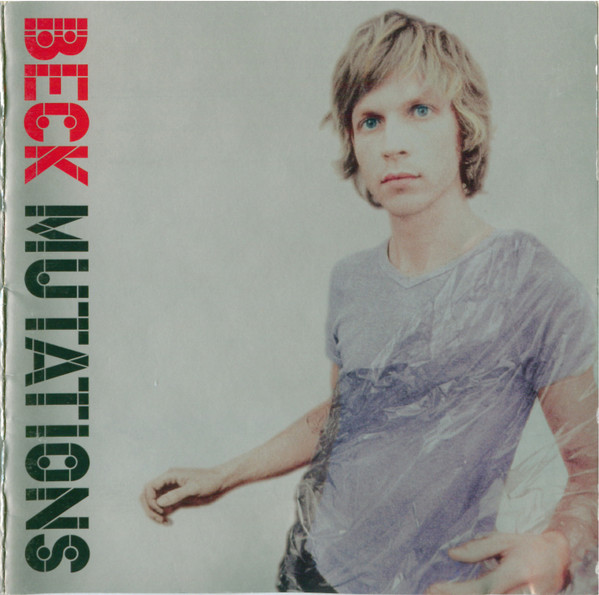
Mutations
1998
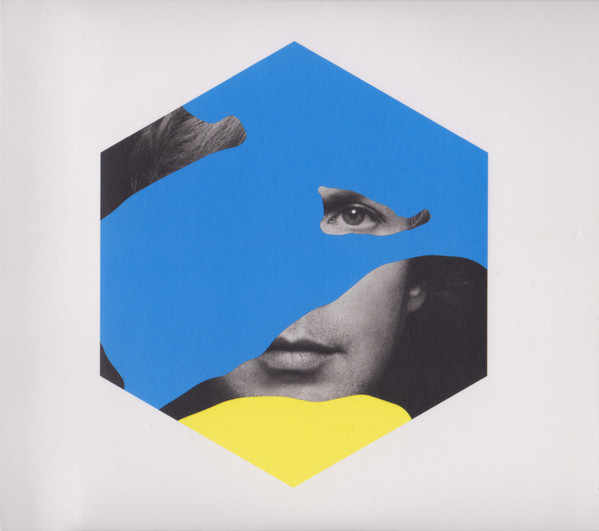
Colors
2017
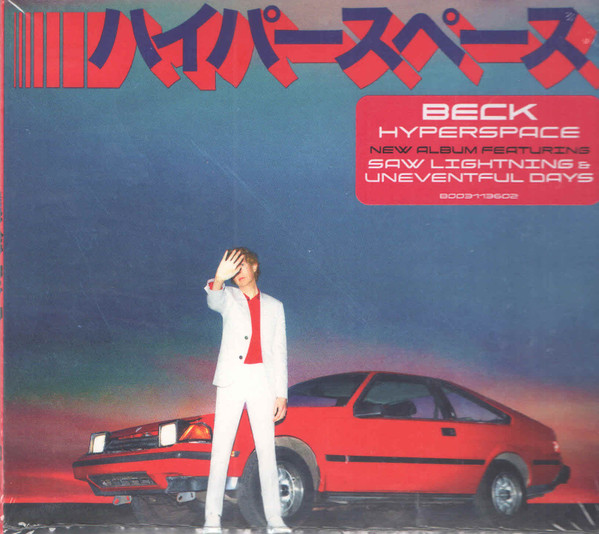
Hyperspace
2019

Midnite Vultures
1999

Modern Guilt
2008

One Foot In The Grave
1994

The Information
2006

Everybody's Gotta Learn Sometime
2026
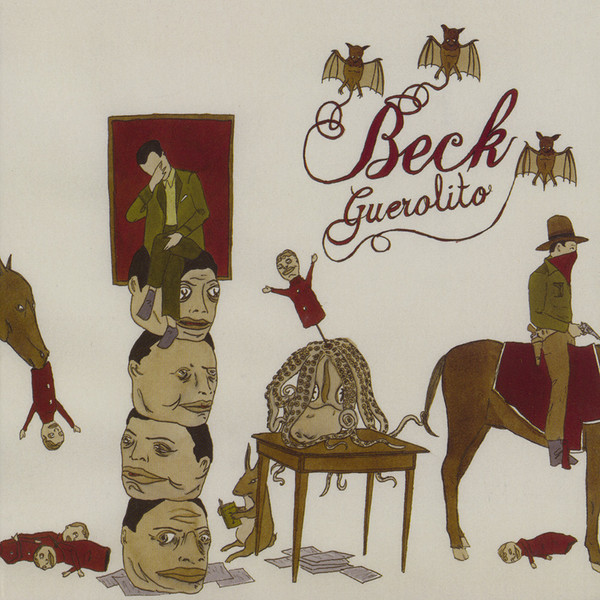
Guerolito
2005

Ride Lonesome
2026

Loser
1993
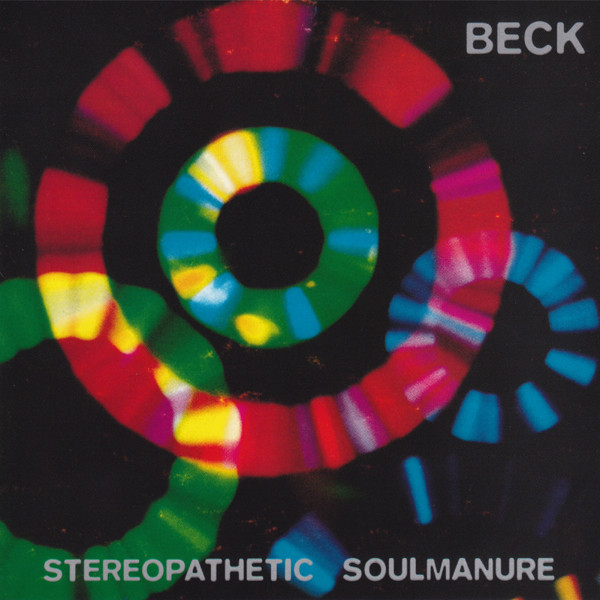
Stereopathetic Soulmanure
1994

Dreams
2015

I Just Started Hating Some People Today
2012

Where It's At + Remixes
1996

The New Pollution
1997
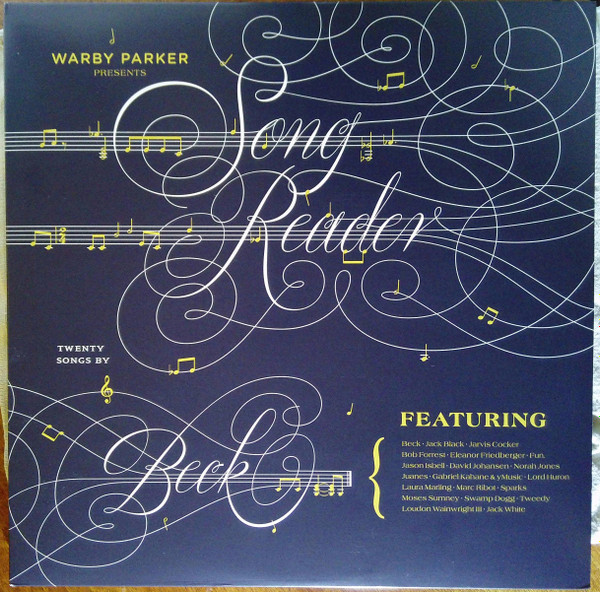
Song Reader
2014

Sexx Laws
1999
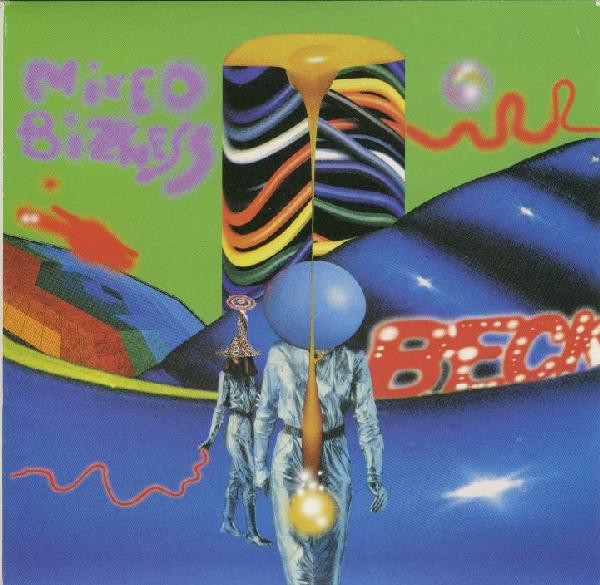
Mixed Bizness
1999
Related artists
Bands & projects
Around the web
Follow every record they touch.
Start your shelf and Gatefold tracks Beck's new pressings, tour dates, and the whole discography — automatically.
Start your shelf →Free forever. Works with 10 records or 10,000.