
Artist
Blood
Speyer, Germany · Formed 1986
Blood is a music group from Speyer, Germany, active since 1986. Their discography on Gatefold includes 9 records.

9
Albums tracked
2
In collections
1986
Since
Biography
Blood cut their early noise straight to cassette tape in Speyer with busted gear and zero budget for clean engineering. Bernd Eisenstein cranked cheap distortion pedals until the riffs turned into pure jagged shrapnel, while Ventilator hammered blast beats behind the kit like he was trying to break the hardware. It was filthy, borderline unlistenable underground noise that bypassed the polished European power metal wave completely, diving headfirst into the tape-trading gutter. While their peers drifted into slick Stockholm death metal studios or signed fat road contracts, Blood stuck stubbornly to the basement. They cranked out dozens of split seven-inches and self-financed full-lengths, swapping vocalists and dealing with shady underground labels like Wild Rags. They never gave a single damn about mainstream appeal or hi-fi clarity. If a record smelled like damp cardboard and sounded like a buzzsaw chewing through bone, it went straight into the mailbags.
Bio from The Clerk
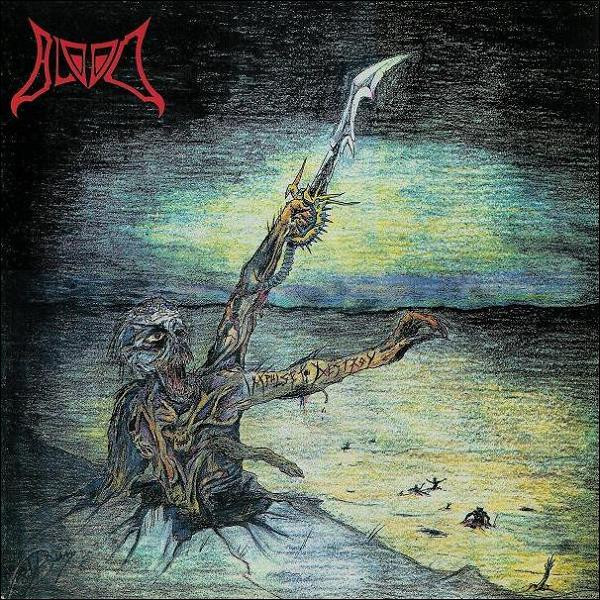
The Arc of Blood
The pivots — what forced Blood to reinvent.
The Wild Rags Grindcore Onslaught
After burning through demo tapes like Spasmo Paralytic Dreams, the band locked in Martin Witchskinner on vocals and inked a deal with California's infamous Wild Rags Records. The result was 1989's Impulse to Destroy, a blast-heavy assault that arrived without a trace of studio polish. Alongside the Recognize Yourself EP, this era caught tape-traders off guard with relentless, primitive grindcore that sounded like it was tracked inside an industrial trash compactor.
The 1MF Death Metal Pivot
Moving over to 1MF Recordz in the early nineties, Blood added second guitarist Ruben and temporary throat Alex to bulk up their sound. Their 1992 LP Christbait pulled back slightly on the frantic grind tempos to adopt heavy, mid-paced death metal riffing. When Witchskinner returned to the mic for 1993's O Agios Pethane, they dragged that newfound heft back into raw, chaotic violence.
The Soundbunker Siege
Clausi took over the microphone for 1994's Mental Conflicts before the band forged an enduring recording partnership with engineer Guido Holtzmann at Ludwigshafen's Soundbunker studio. Tracking 1996's Depraved Goddess and 1999's Ars Metalli-backed Gas · Flames · Bones in that room, the production finally locked in a punchy, devastating low end. They closed out this era on Morbid Records with 2003's Dysangelium, dialing in their sharpest balance of thrash precision and grind sickness.
Influences
- Venom — Blood lifted the blueprint of filthy European extremity straight from Welcome to Hell. Eisenstein's blown-out guitar buzz and the band's occult-drenched stage names came directly out of the Cronos and Mantas playbook. It set the baseline for their unpolished attitude.
- Hellhammer — Tom G. Warrior's early Zurich recordings laid the raw, unrefined template Blood weaponized across their 1986 demos. The muddy mid-paced stomp and primitive guitar chug across Impulse to Destroy owes everything to Apocalyptic Raids. If Hellhammer had played faster, they would have been Blood.
- Discharge — The D-beat aggression of 1982's Hear Nothing See Nothing Say Nothing fundamentally broke the mold for extreme rhythm sections across Europe. Ventilator and Satanic Taki translated that raw UK hardcore velocity directly into the hyperactive drum pacing of Recognize Yourself. It took punk speed and dragged it into the gutter.
- Repulsion — Repulsion's 1986 Horrified demo set the gold standard for tape-trading grindcore before anyone called it that. Blood chased that exact blistering tempo and blown-out vocal vomit on early tracks across No Regret and Christbait. It proved fast, ugly noise was an end in itself.
- Possessed — Seven Churches gave the international tape network permission to take thrash riffs and push them beyond the redline of technical control. Blood seized on the rabid guitar attack and demonic lyrical framing from that 1985 benchmark for the foundational riffing on Destroy Command. It was the thrash record that pointed the way straight toward death.
Discography
Their records — most-collected first.


Around the web
Follow every record they touch.
Start your shelf and Gatefold tracks Blood's new pressings, tour dates, and the whole discography — automatically.
Start your shelf →Free forever. Works with 10 records or 10,000.