Artist
Chicago
psy-trance DJ and producer David Potter Christman
United Kingdom · b. 1946
Chicago is a musician from United Kingdom, active since 1946. Their discography on Gatefold includes 23 records.
23
Albums tracked
557
In collections
1946
Since
Biography
James William Guercio rented a whole ranch in Nederland, Colorado, and turned a barn into Caribou Ranch just so he could control the acoustics away from the suits at Columbia. He treated the original septet like a specialized unit, pushing Terry Kath’s fuzz-drenched guitar to collide with a horn section that actually had some grit before the ballad years sanded everything down. Kath was the heart of that machine—a guy Jimi Hendrix reportedly worshipped because he didn’t just play chords, he moved air. Then the late seventies hit, and the focus shifted from those sprawling, jazzy suites to the high-gloss Peter Cetera balladry that paid the bills but cost them their edge. David Foster stepped in during the early eighties and swapped the Hammond B3 and the brass-heavy arrangements for the Yamaha DX7 and a mountain of gated reverb. By the time they were churning out synth-pop hits for movie soundtracks, the band that once shared a stage with Hendrix felt like a completely different species. It’s a career split down the middle by a tragic accident and a corporate pivot that worked too well.
Bio from The Clerk
The Arc of Chicago
The pivots — what forced Chicago to reinvent.
The Transit Authority Era
Before they were just a city name, they were a loud, political jazz-rock collective cutting double albums because they had too much to say. Guercio produced the early records at Columbia with a raw, dry proximity that made the horns sound like they were in your living room. Terry Kath’s wah-pedal explorations on tracks like Free Form Guitar proved they weren't just a pop act, but a group willing to alienate the charts for the sake of a jam. You hear the city heat in the percussion and the sheer volume of a band trying to out-shout the late sixties.
The Caribou Ranch Lull
The move to the Colorado mountains shifted the energy toward a more polished, countrified rock sound as seen on Chicago VII. This era was defined by internal friction and the physical isolation of the studio, leading to more diverse but less focused records that flirted with Latin jazz and soft rock. The death of Terry Kath in 1978 effectively killed the band’s rock-and-roll soul, leaving a vacuum that the label was eager to fill with radio-friendly balladry. It marks the hard line where the experimental arrangements gave way to professional consistency.
The David Foster Overhaul
After a string of commercial failures at the end of the seventies, the band hired David Foster to produce Chicago 16 and leaned entirely into the emerging digital tech of the 1980s. Foster brought in session heavyweights like Steve Lukather and used synthesizers to thicken the sound, often pushing the famous horn section into the background or replacing it with keyboards entirely. Peter Cetera’s tenor became the focal point of the franchise, turning a democratic band into a vehicle for power ballads. The result was massive chart success that completely alienated the fans who showed up for the 1969 jazz-fusion roots.
Influences
- The Beatles — The band’s vocal arrangements were modeled directly on the multi-part harmonies of Rubber Soul and Revolver. You hear it most clearly in the way Cetera, Lamm, and Kath traded lead lines within a single song. It gave their complex jazz structures a necessary pop anchor.
- James Brown — The horn section’s staccato delivery was a direct lift from the J.B.'s tight, rhythmic 'punching' style. Pankow and Loughnane have cited Brown's brass arrangements as the blueprint for playing behind the beat. It kept the early records from sounding like standard big band swing.
- Jimi Hendrix — Terry Kath’s approach to feedback and heavy distortion was shaped by the time Chicago spent touring as the opening act for the Experience in 1969. Hendrix famously told Walt Parazaider that Kath was a better guitar player than he was. That raw, psychedelic fuzz is the only reason the first three albums have any teeth.
- The Buckinghams — Producer James William Guercio used his work with this Chicago-based pop group as a dry run for the 'horn-rock' sound he perfected with Chicago. He brought that same tight, brass-forward production philosophy to the Transit Authority sessions. It’s the missing link between mid-sixties AM radio and the seventies album-rock era.
- Blood, Sweat & Tears — They proved to the industry that a rock band with a heavy brass section could actually move units. Chicago 1 was a direct competitive response to the success of Al Kooper's vision, but with more of a street-level, improvisational edge. Without the commercial door being kicked open by Child Is Father to the Man, Columbia never signs them.
Discography
Their records — most-collected first.
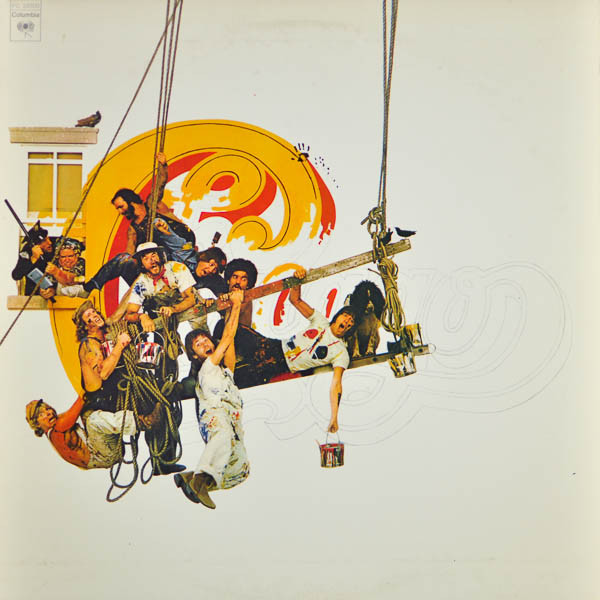
Chicago IX Chicago's Greatest Hits
1975
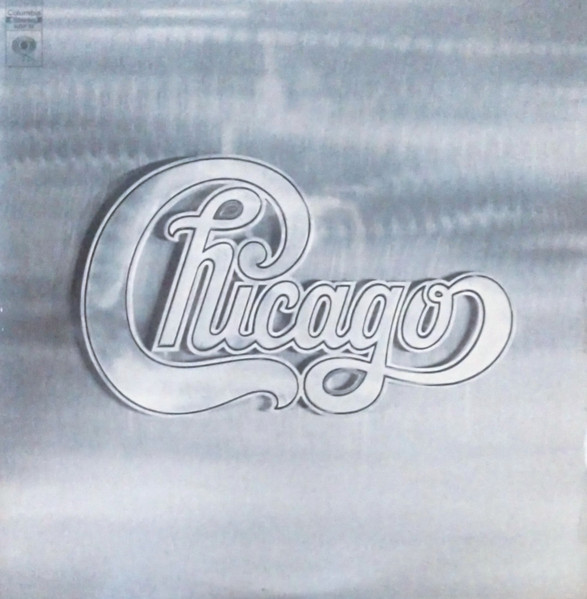
Chicago
1970
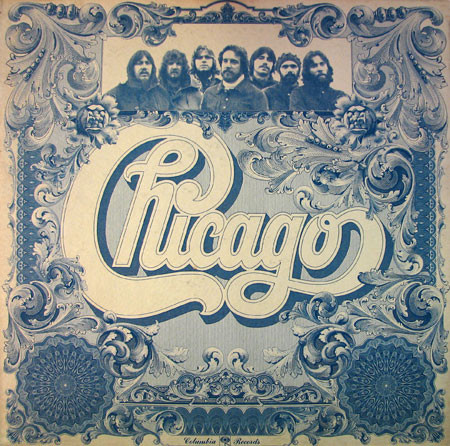
Chicago VI
1973
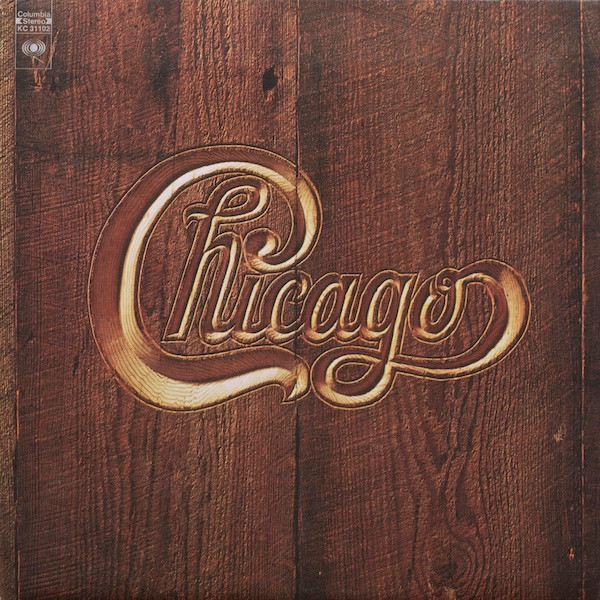
Chicago V
1972
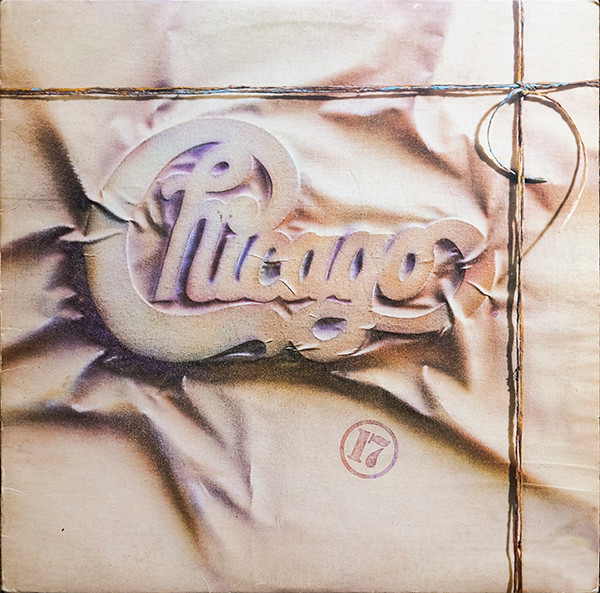
Chicago 17
1984

Chicago X
1976
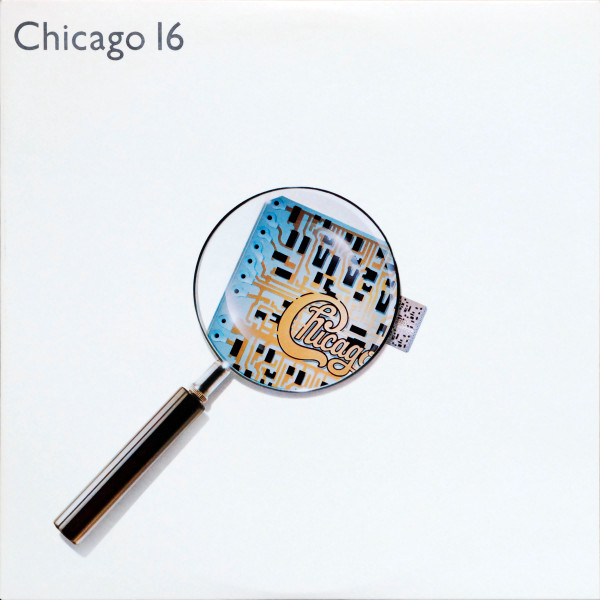
Chicago 16
1982
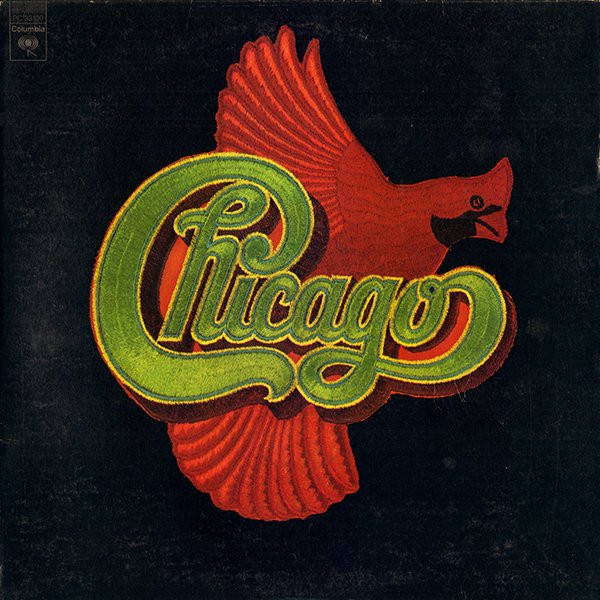
Chicago VIII
1975
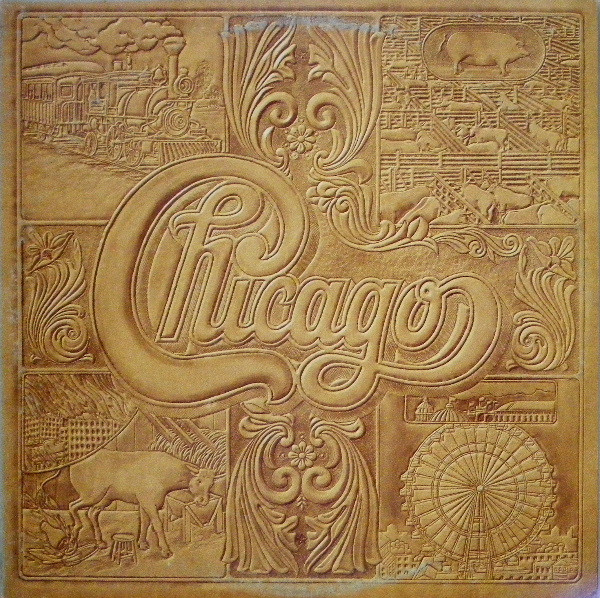
Chicago VII
1974
Chicago At Carnegie Hall (Volumes I, II, III And IV)
1971

Chicago III
1971

Chicago XI
1977
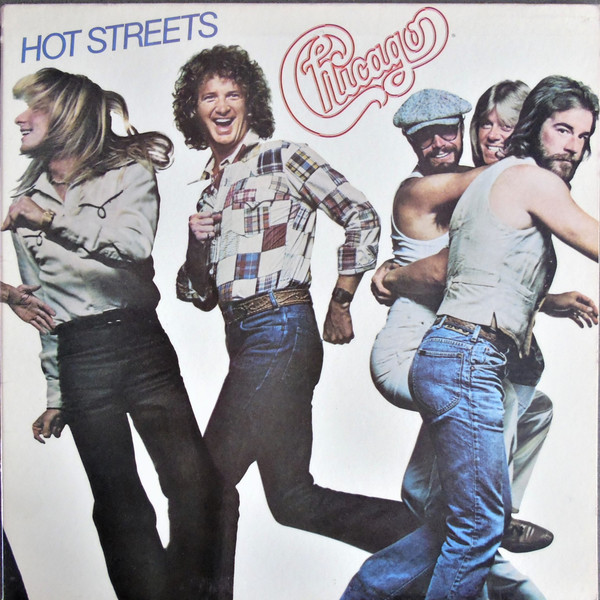
Hot Streets
1978
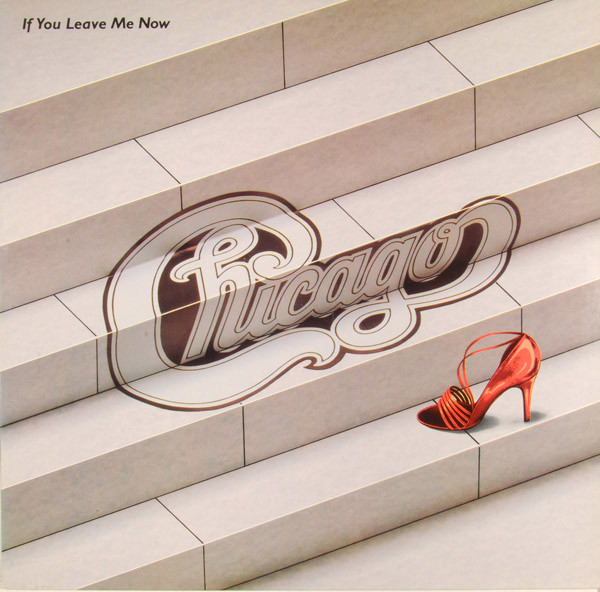
If You Leave Me Now
1982

Greatest Hits 1982-1989
1989
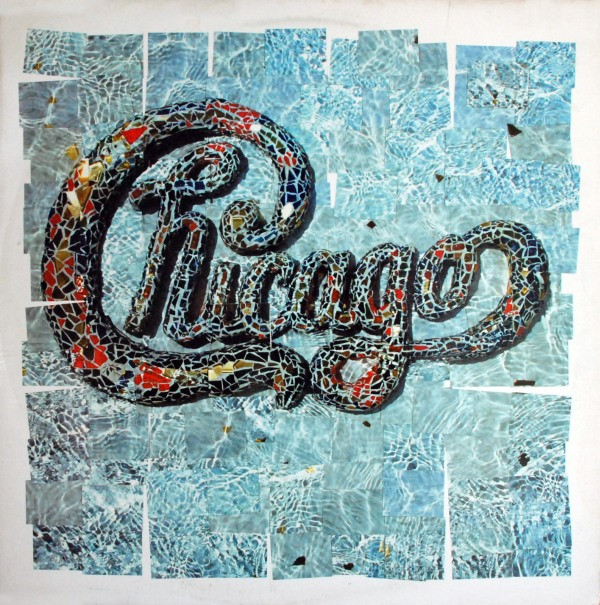
Chicago 18
1986

Chicago 19
1988

Greatest Hits, Volume II
1981
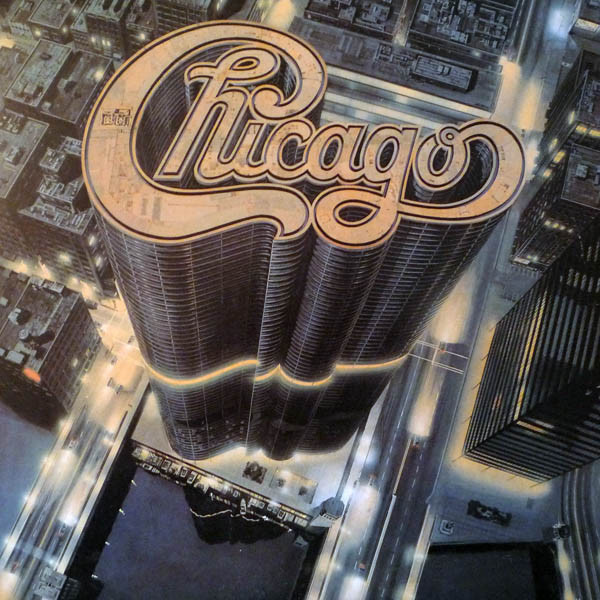
Chicago 13
1979
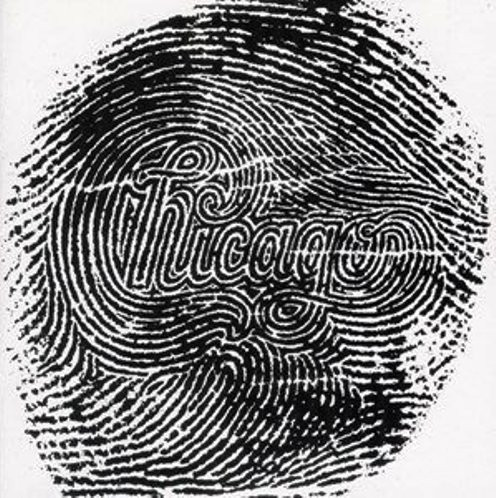
Chicago XIV
1980

Hard To Say I'm Sorry
1982
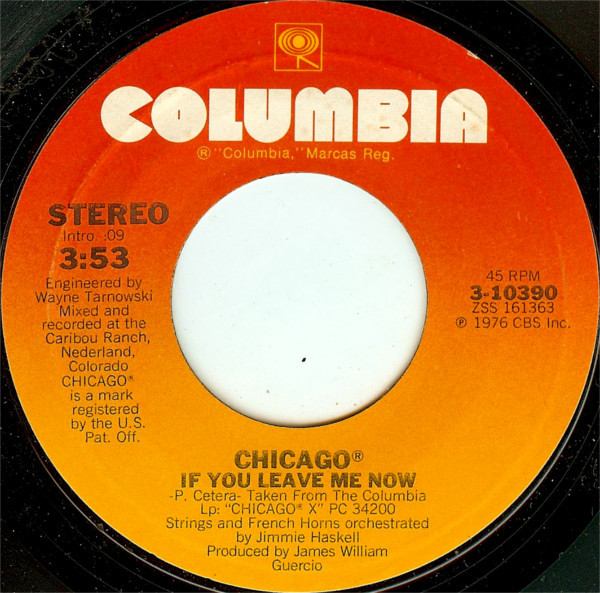
If You Leave Me Now
1976

Saturday In The Park
1972
Related artists
Frequent collaborators
Around the web
Follow every record they touch.
Start your shelf and Gatefold tracks Chicago's new pressings, tour dates, and the whole discography — automatically.
Start your shelf →Free forever. Works with 10 records or 10,000.