Artist
Joe Cocker
Sheffield, United Kingdom · 1944 – 2014
Joe Cocker is a musician from Sheffield, United Kingdom, active 1944–2014. Their discography on Gatefold includes 24 records.

58
Albums tracked
262
In collections
1944
Since
Biography
Denny Cordell booked Olympic Studios in 1968 and shoved Jimmy Page, Albert Lee, and Procol Harum's organist B.J. Wilson into the room with a former gas fitter from Sheffield who sang like his lungs were packed with hot gravel. Cocker didn't write hits. He stole them. He'd take a sunny, mid-tier Beatles tune, rip the tempo down to a dead crawl, hand the changes over to a roaring Hammond B3, and howl until the original sounded like a demo. That spasm-heavy, sweat-soaked Woodstock set wasn't an act. It was what happened when a pub singer's nervous system collided with maximum Southern soul. Then came the Mad Dogs & Englishmen circus in 1970, where Leon Russell basically hijacked the band, turned Cocker into the front-end carnival barker for a 40-piece tour, and ran his voice straight into the dirt. What followed was a decade-long blur of blown monitors, tax exile, and heavy drinking that almost scrapped him entirely. Most guys don't survive that slide. Cocker dragged himself out of the haze by the 1980s by becoming the premier blue-eyed soul belter for Hollywood soundtracks and slick adult contemporary boards. He traded the grease for pristine digital production, but the vocal rasp remained completely untouched by polish.
Bio from The Clerk
The Arc of Joe Cocker
The pivots — what forced Joe Cocker to reinvent.
The Grease Band and Leon's Circus
Producer Denny Cordell paired Cocker with Chris Stainton and The Grease Band to craft a brutal, gospel-drenched British soul sound that blew the roof off Woodstock in 1969. Almost immediately, immigration hassles and touring demands forced Leon Russell to draft a massive, chaotic ensemble for the Mad Dogs & Englishmen trek in 1970. The tour was a live triumph caught on double vinyl, but the sheer physical toll and backstage madness left Cocker isolated and utterly depleted. You hear that early prime in the heavy, unhinged vocal peaks on 'Joe Cocker!' right before the machine swallowed him whole.
The Wilderness Years and Compass Point Reset
Severe substance abuse, label fights, and spotty mid-70s studio sessions almost completely derailed him until Chris Blackwell stepped in. Blackwell brought Cocker down to Compass Point Studios in Nassau in 1982 to cut 'Sheffield Steel' with Sly and Robbie handling the rhythm section. The Jamaican session aces gave his shredded voice a tight, dub-inflected funk pocket that stripped away the bloated American rock arrangements. It pulled him out of the creative gutter and proved the growl could still command a groove.
Soundtrack Gold and AOR Dominance
Teaming up with Jennifer Warnes for 'Up Where We Belong' in 1982 changed the financial reality overnight and handed Cocker a massive corporate second act. Producers like Stewart Levine and Dan Hartman cleaned up the drum sounds and locked him into polished, synth-heavy adult contemporary radio fare like 'Unchain My Heart.' The gritty pub-rock danger was gone, replaced by pristine commercial production that weaponized his weathered rasp for film cues and arena tours. It was slick, it was unabashedly commercial, and his delivery carried the entire enterprise.
Influences
- Ray Charles — Cocker built his entire phrasing and bodily delivery around Charles, openly citing him as his north star from his earliest days singing in Sheffield pubs. You hear it in the stuttered gospel ad-libs, the gravelly vocal breaks, and direct cuts like his 1987 cover of 'Unchain My Heart.' He didn't just borrow the style; he channeled Charles's exact rhythmic tension.
- The Beatles — His breakthrough happened when he dismantled 'With a Little Help from My Friends' in 1968, radically rearranging Lennon-McCartney's bounce into a 6/8 gospel stomper. He followed it up by tracking 'She Came in Through the Bathroom Window' and 'Something' on his next record. He treated their catalog like raw lumber to rebuild from the foundation up.
- Bessie Smith — Cocker constantly referenced 1920s classic female blues singers, particularly Smith, for teaching him how to lean heavily behind the beat without losing momentum. That dropped-jaw, guttural rasp on slow ballads directly mirrors Smith's raw, unvarnished delivery. It gave his rock vocals a deep, historical weight.
- Bobby 'Blue' Bland — Bland's signature vocal 'squall'—that sudden, throaty snort and roar—became the cornerstone of Cocker's dynamic shifts. You can hear Bland's horn-heavy Southern soul influence driving the arrangements on 1974's 'I Can Stand a Little Rain.' It taught Cocker how to transition from a whisper to a scream inside four bars.
- Lonnie Donegan — Like every working-class British kid in the late 1950s, Cocker got his start playing harmonica and singing in skiffle groups modeled straight after Donegan's frantic energy. That aggressive, fast-paced acoustic acoustic drive forced him to push his projection to the absolute limit without a decent PA. It laid the foundation for the powerhouse lung capacity he used on stage for the next fifty years.
Discography
Their records — most-collected first.

With A Little Help From My Friends
1969
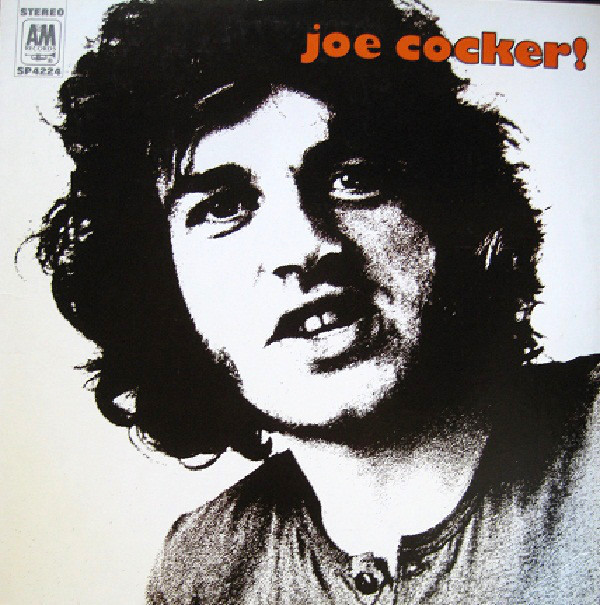
Joe Cocker!
1969
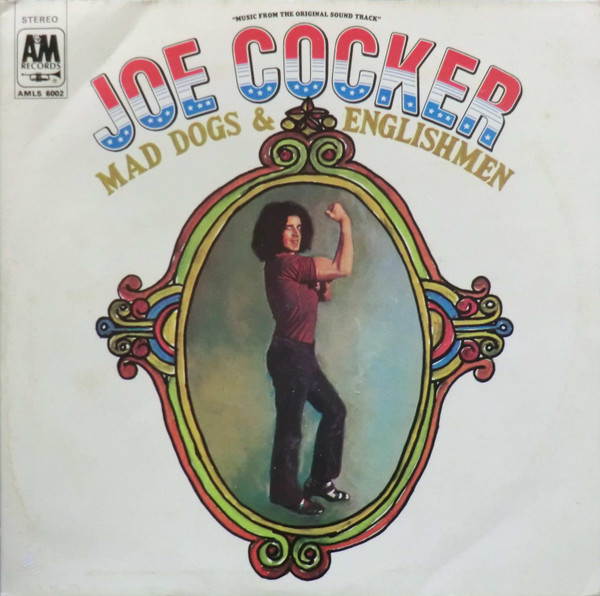
Mad Dogs & Englishmen
1970
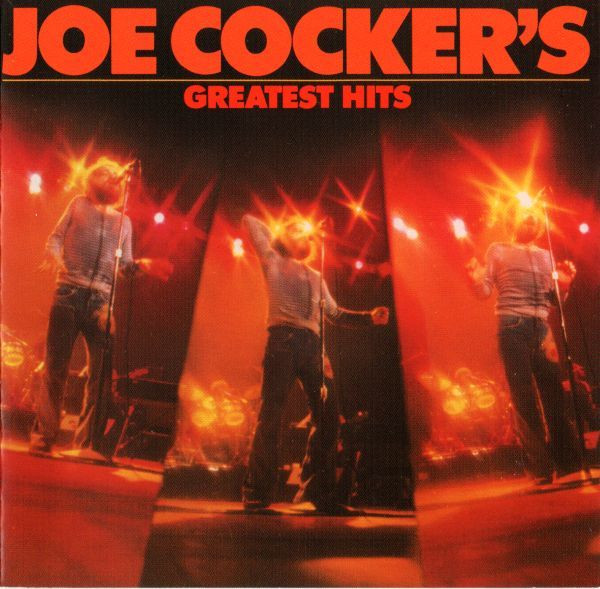
Joe Cocker's Greatest Hits
1977
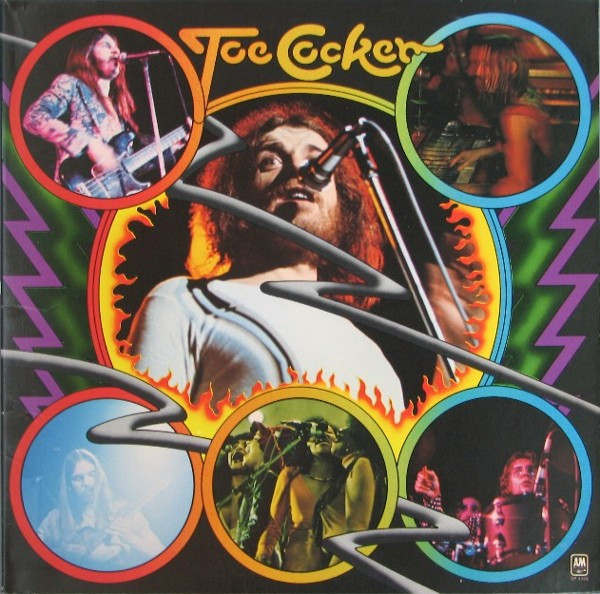
Joe Cocker
1972
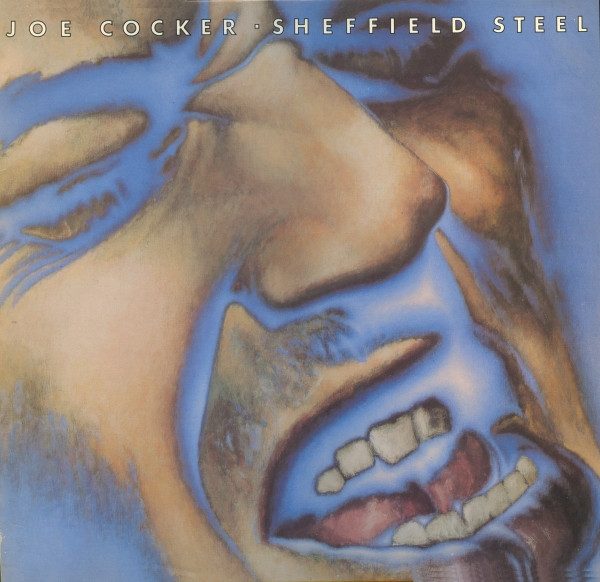
Sheffield Steel
1982
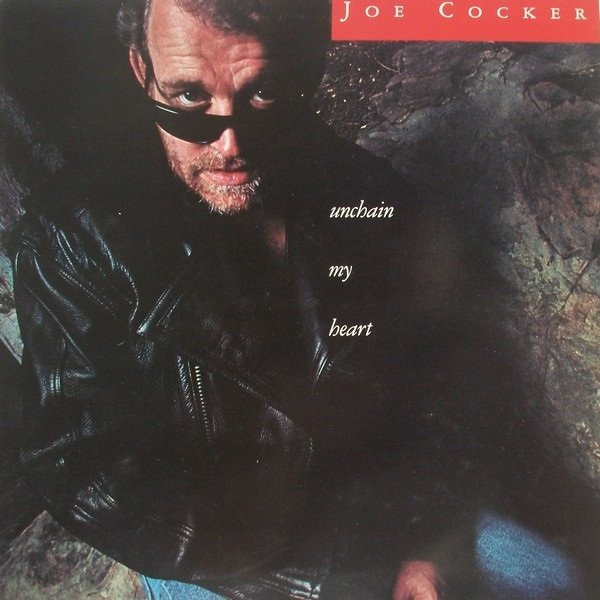
Unchain My Heart
1987
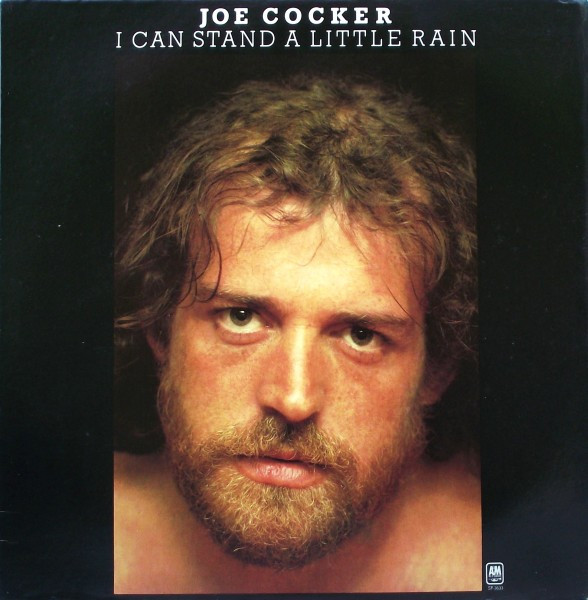
I Can Stand A Little Rain
1974

The Essential Collection
1992

Civilized Man
1984
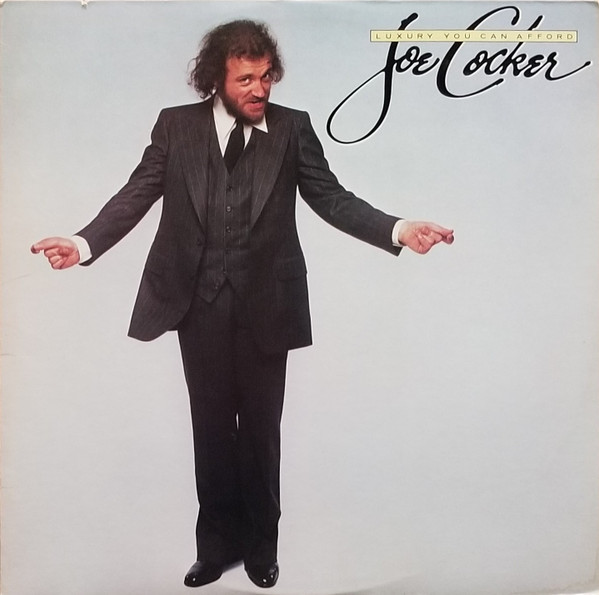
Luxury You Can Afford
1978
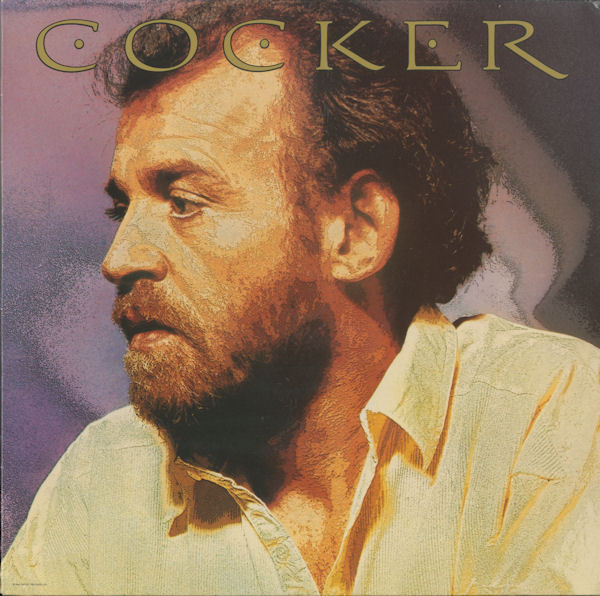
Cocker
1986
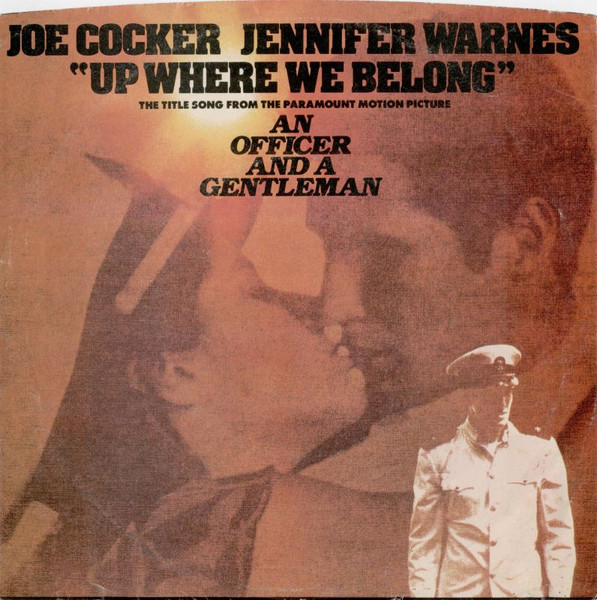
Up Where We Belong
1982

Joe Cocker / With A Little Help From My Friends
1972

The Best Of Joe Cocker
1992

Joe Cocker Live!
1990
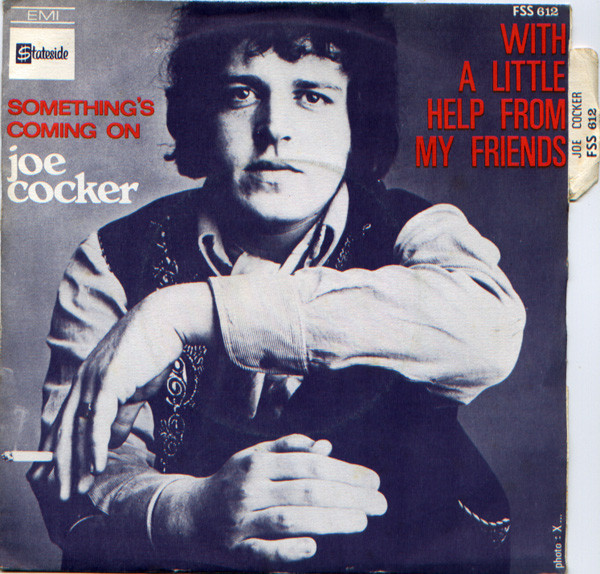
With A Little Help From My Friends
1968

The Life Of A Man (The Ultimate Hits 1968-2013)
2015

The Ultimate Collection 1968-2003
2003

The Anthology
1999

One Night Of Sin
1989
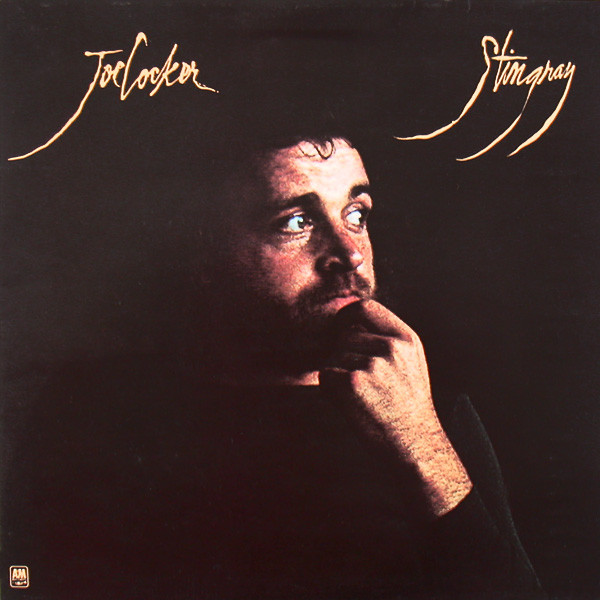
Stingray
1976

Jamaica Say You Will
1975

Double Cocker Power!
1972
Related artists
Around the web
Follow every record they touch.
Start your shelf and Gatefold tracks Joe Cocker's new pressings, tour dates, and the whole discography — automatically.
Start your shelf →Free forever. Works with 10 records or 10,000.