
Artist
The Cure
Crawley, United Kingdom · Formed 1977
The Cure is a music group from Crawley, United Kingdom, active since 1977. Their discography on Gatefold includes 24 records.

61
Albums tracked
1,745
In collections
1977
Since
Biography
Robert Smith spent the sessions for Three Imaginary Boys pissed off because he wasn't allowed to touch the mixing desk. The label and producer Chris Parry wanted a tight, post-punk chart-chaser, while Smith was already bored with the three-chord aesthetic. He hated the cover art and the song selection so much that he basically swore he’d never let another human being tell him how to record. That control freak streak is the only reason the band survived. Without it, they would've been a footnote in the UK punk scene instead of the weird, sprawling entity that somehow conquered stadiums. There were lulls where they nearly fell off the map or turned into a caricature of themselves. The late '90s were rough, and some of the later self-titled stuff feels like they were trying too hard to sound like 'The Cure' for a new generation. But then they’d turn around and drop something like Bloodflowers to prove they still had the grit. They’ve cycled through enough lineup changes to fill a football pitch, specifically the constant revolving door of Simon Gallup—who is the actual backbone of the sound—but the core remains a weird mix of depressive navel-gazing and the most surgical pop hooks ever written. It’s a fucking miracle it works.
Bio from The Clerk
The Arc of The Cure
The pivots — what forced The Cure to reinvent.
The Cold Trilogy
After the jittery post-punk of the debut, Smith decided he wanted to make music that was completely devoid of color. Seventeen Seconds, Faith, and Pornography were the result of a band retreating into grey-walled studios and heavy drug use to create something genuinely suffocating. Simon Gallup's arrival brought that thick, chorused bass style that redefined their entire architecture. By the time they finished Pornography, the band was essentially a corpse, falling apart from the internal pressure of making a record that sounded like the end of the world.
The Technicolor Pivot
Smith escaped the gloom by leaning into absolute absurdity with 'The Lovecats' and 'The Walk,' proving he could write a pop hook better than most of the New Romantics. This era was defined by the use of the Oberheim OB-Xa and a total embrace of the music video as a medium for his weird, disheveled persona. It wasn't a sellout move; it was a survival tactic that expanded their vocabulary from funeral dirges to psychedelic pop. This shift set the stage for The Head on the Door, where they finally learned how to be a massive pop band without losing the dark undercurrent.
The Stadium Goth Peak
Disintegration was the result of Smith turning 30 and panicking that he hadn't made his masterpiece yet. He pushed the band back into a slow, dripping atmosphere, using the ARP Solina String Ensemble and layers of rain-soaked effects to create a record that the label initially called 'commercial suicide.' Instead, it became their biggest seller, proving that massive audiences actually wanted to hear a six-minute song about regret. This was the moment they found the perfect balance between the claustrophobia of the early years and the melodic clarity of their pop phase.
Influences
- Nick Drake — The band’s name was lifted directly from the lyrics of Drake's 'Time Has Told Me.' You hear it in the finger-picked acoustic fragility of 'The Exploding Boy' and Smith's obsession with autumnal, isolated songwriting. It’s the DNA of their quietest moments.
- The Jimi Hendrix Experience — Smith has cited Hendrix as his first guitar hero and even covered 'Foxy Lady' on the debut record. You can hear the influence in his use of heavy modulation and the way he treats the guitar as a textural wash rather than just a riff machine. The guy is a psychedelic player at heart.
- David Bowie — The Cure spent their formative years watching Bowie's chameleonic shifts, and Smith has specifically pointed to Low as a blueprint for their atmosphere. The cold, mechanical synth work on Seventeen Seconds is a direct descendant of the Berlin Trilogy. It taught them that you could be a pop star and a total weirdo simultaneously.
- Siouxsie and the Banshees — Smith actually pulled double duty as the Banshees' guitarist for a stretch, and the influence was a two-way street. The jagged, tribal drumming and flanged-out guitar lines on 'A Forest' owe everything to the post-punk groundwork Siouxsie laid down. He learned how to command a stage by standing in their shadows.
- The Velvet Underground — The band covered 'All Tomorrow's Parties' early on and took the Velvets' lesson of repetition to heart. The long, droning intros on Disintegration are pure Lou Reed worship. They understood that if you hold a simple, dark mood long enough, it becomes hypnotic.
Discography
Their records — most-collected first.
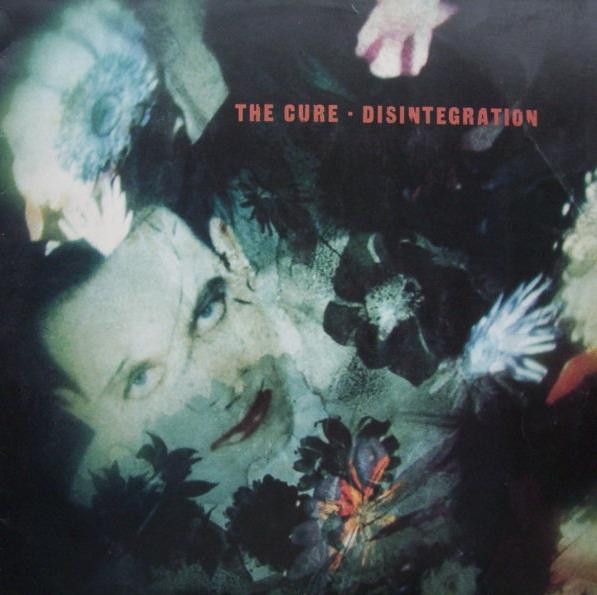
Disintegration
1989
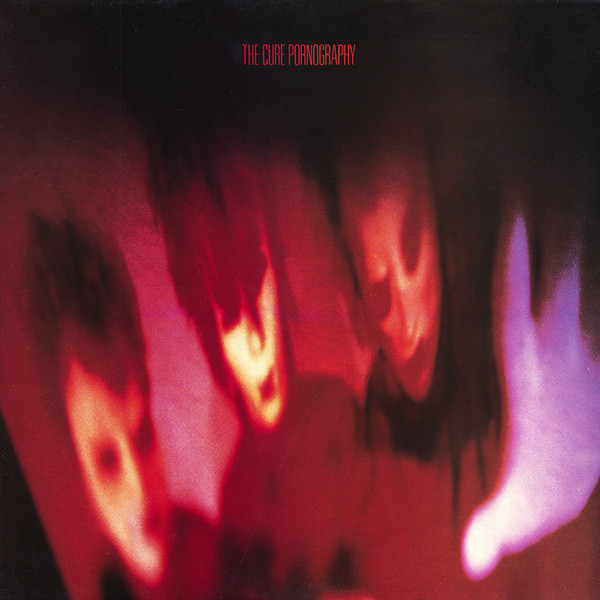
Pornography
1982
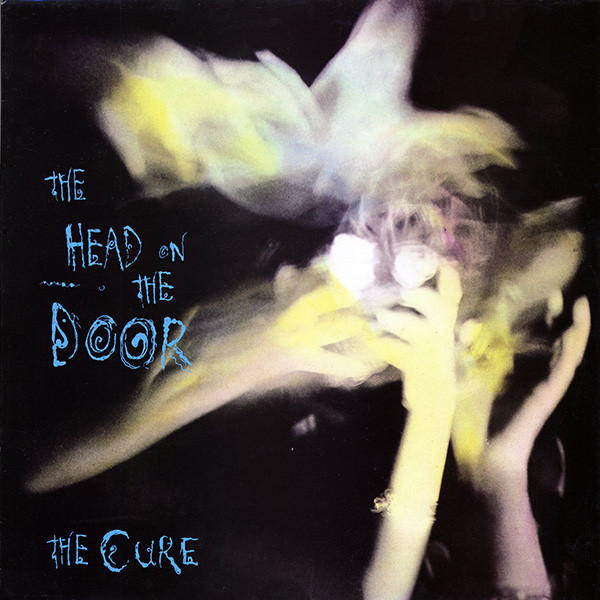
The Head On The Door
1985
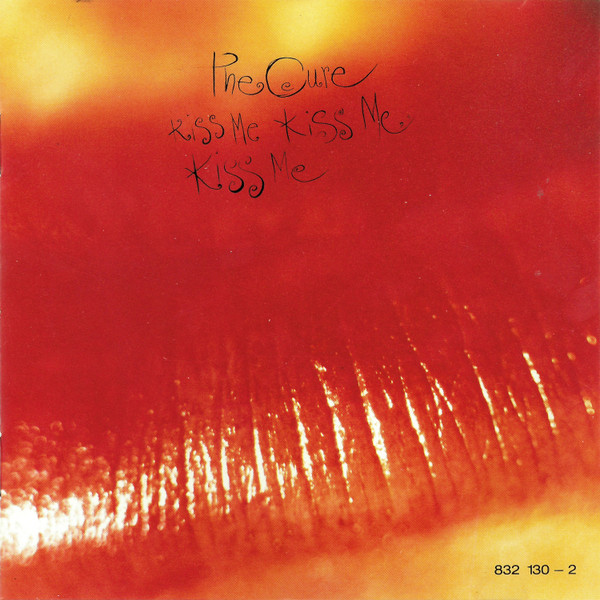
Kiss Me Kiss Me Kiss Me
1987
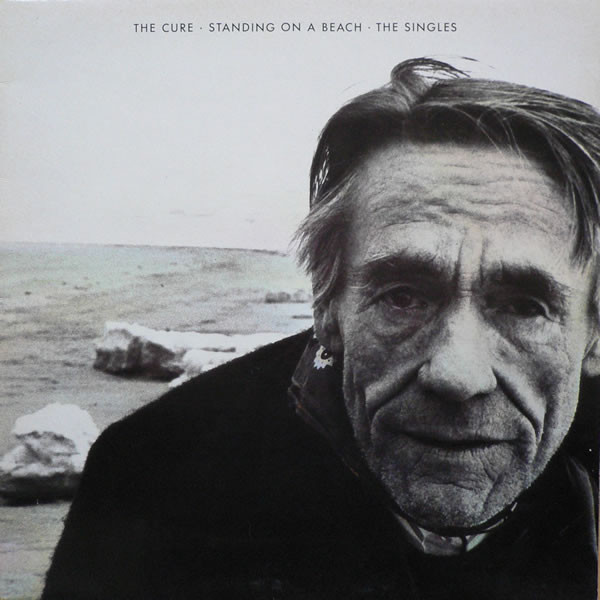
Standing On A Beach • The Singles (And Unavailable B-Sides)
1986
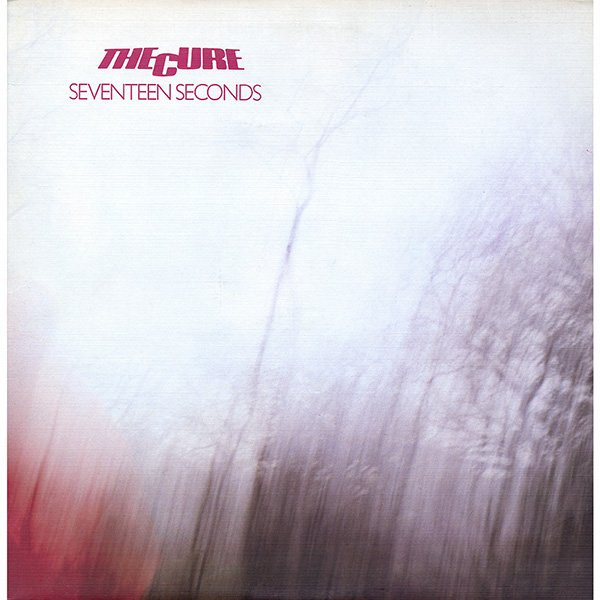
Seventeen Seconds
1980

Songs Of A Lost World
2024
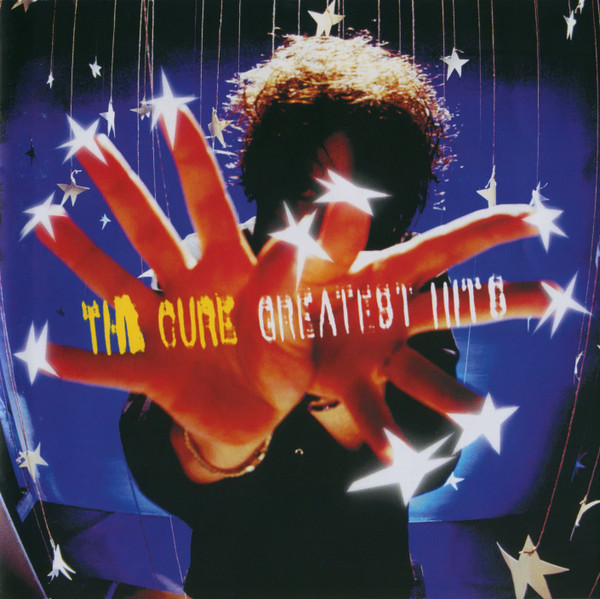
Greatest Hits
2001
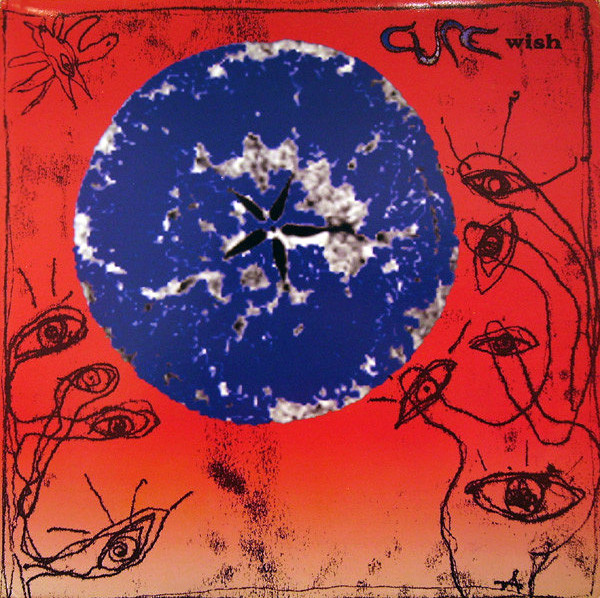
Wish
1992
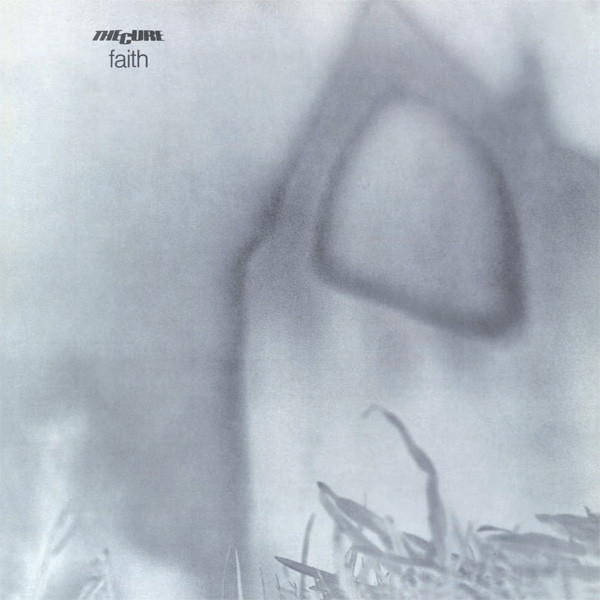
Faith
1981
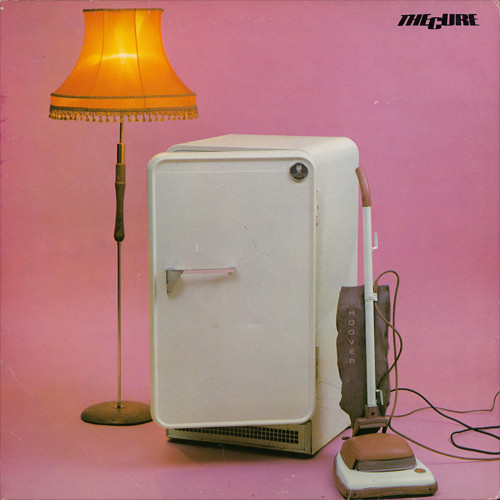
Three Imaginary Boys
1979

Boys Don't Cry
1980
Mixed Up
1990
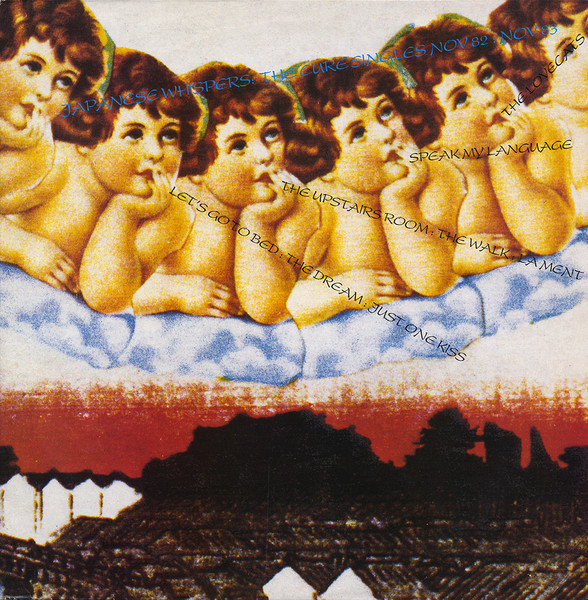
Japanese Whispers: The Cure Singles Nov 82 : Nov 83
1983
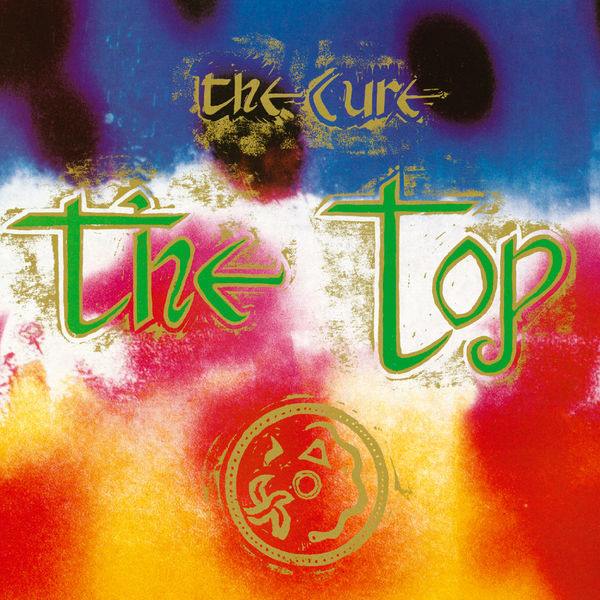
The Top
1984
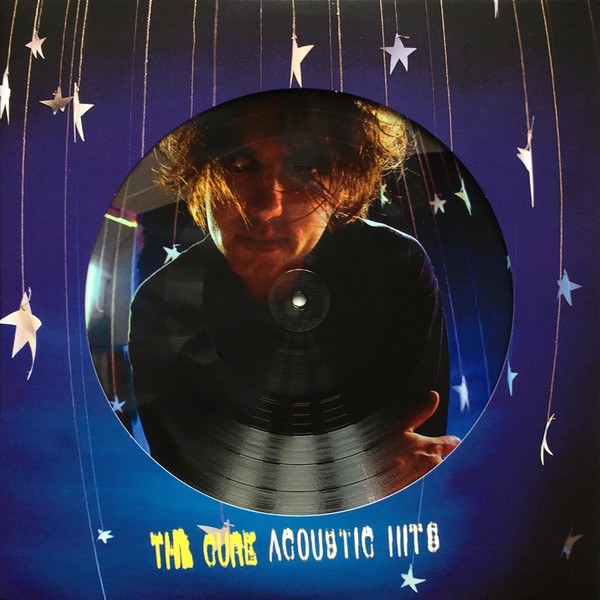
Acoustic Hits
2017
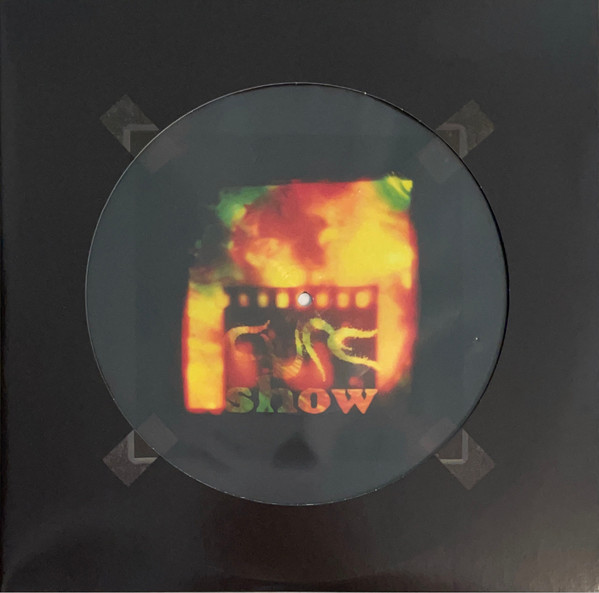
Show
1993
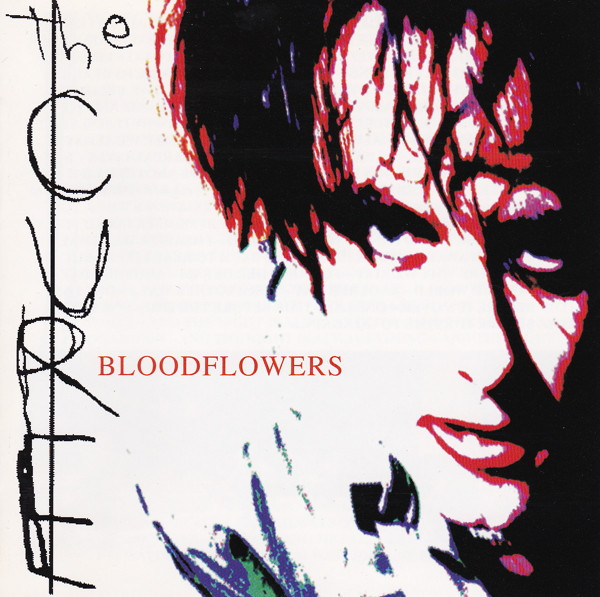
Bloodflowers
2000

Wild Mood Swings
1996
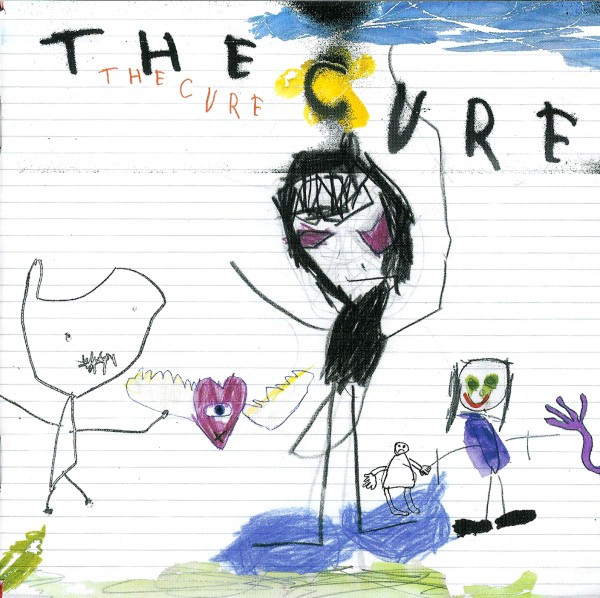
The Cure
2004

Galore (The Singles 1987-1997)
1997

Paris
1993
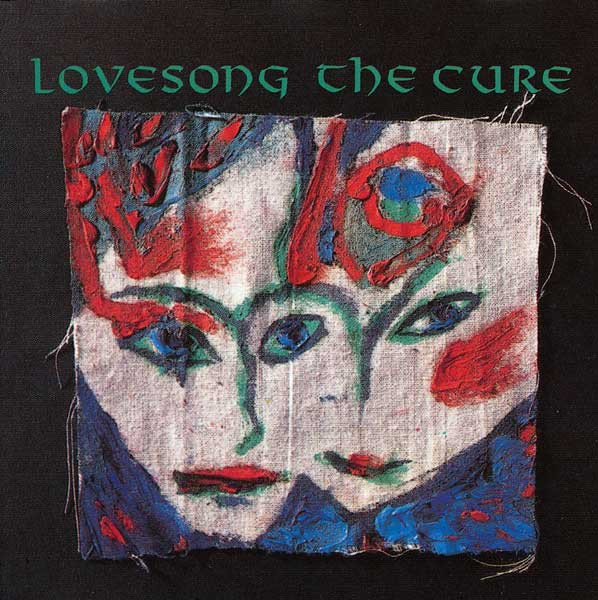
Lovesong
1989

Never Enough
1990
Related artists
Members
Frequent collaborators
Around the web
Follow every record they touch.
Start your shelf and Gatefold tracks The Cure's new pressings, tour dates, and the whole discography — automatically.
Start your shelf →Free forever. Works with 10 records or 10,000.