Artist
David Vincent
Charlotte, United States
David Vincent is a musician from Charlotte, United States. They also recorded with Morbid Angel, Terrorizer, Genitorturers, The Head Cat and Vltimas.

36
Albums tracked
125
In collections
—
Since
Biography
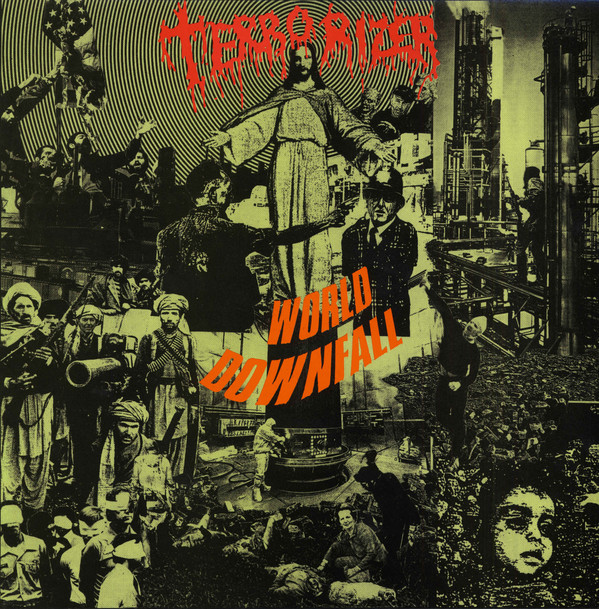
Before he was barking over blast beats, David Vincent was running Goreque Records and trying to get Morbid Angel's aborted 1986 sessions to sound like a functioning band. He ended up producing that mess—shelved until Earache dumped it out as Abominations of Desolation—and took over the mic and bass guitar because nobody else had the nerve. Three years later he pulled double duty at Morrisound, tracking bass and producing Terrorizer's World Downfall in an absurd rush before cutting Altars of Madness. That voice wasn't typical death metal throat-clearing; it was an articulate, venomous military command that set the entire Florida standard. He walked away from the throne at the absolute peak of the genre's commercial window to play leather-clad industrial shocks in Genitorturers as Evil D. Purists lost their goddamn minds, and they lost them even harder when he came back to Morbid Angel years later just to drop industrial dance beats onto an album. The guy never gave a single shit about scene orthodoxy. He took death metal to Warner-backed boards, jumped ship for BDSM clubs, and ended up touring outlaw country tunes in a ten-gallon hat without offering an apology to anyone.
Bio from The Clerk
The Arc of David Vincent
The pivots — what forced David Vincent to reinvent.
The Tampa Vanguard and the World Downfall Hustle
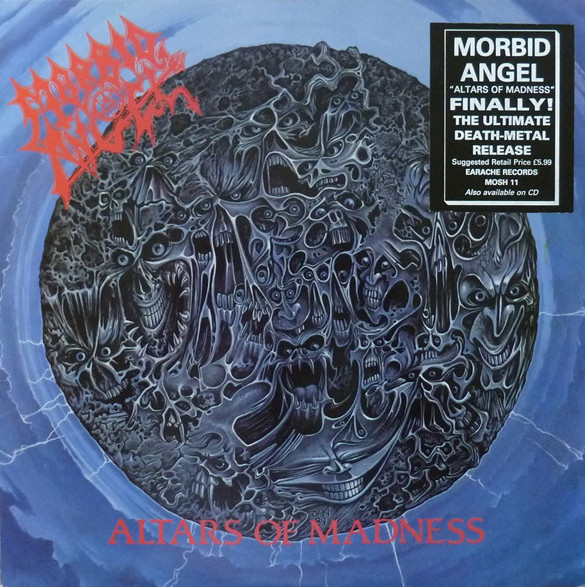
Vincent started out bankrolling Morbid Angel sessions on his own imprint before stepping directly into the lineup to anchor the low end and handle vocals. In 1989, he helped steer the ship at Morrisound, producing and playing bass on Terrorizer's World Downfall while readying Morbid Angel's debut. Altars of Madness hit via Earache that same year and rewrote extreme metal entirely. Vincent enunciated every blasphemous word with lethal clarity instead of the era's muddy growls, turning underground chaos into sharp, military-grade death metal.
The Major-Label Gamble
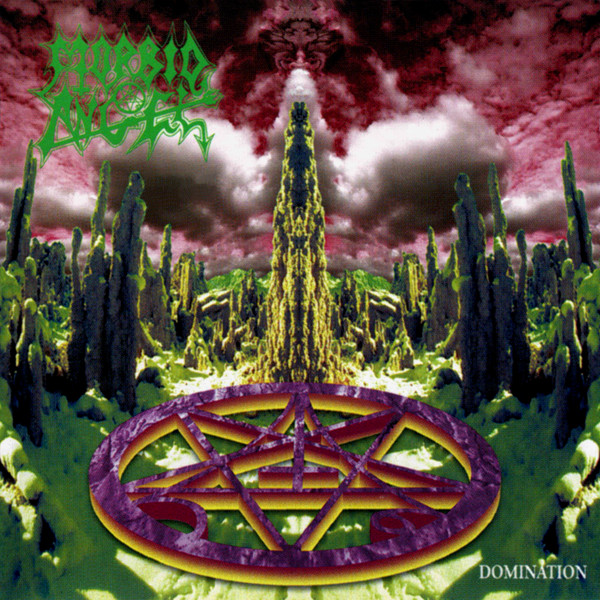
The Florida scene blew up and Giant Records handed Morbid Angel a corporate check, yielding Covenant in 1993. It was mixed by Flemming Rasmussen, bringing crisp thrash-level precision to pure subterranean filth. Vincent pushed his bass tone forward and barked like an evangelist from hell, helping move over a hundred thousand units on a major label. They followed it up with 1995's Domination, slowing the tempos into massive, groove-heavy sledgehammers before Vincent pulled the plug after 1996's live document Entangled in Chaos.
The Evil D Industrial Sidetrack
Disillusioned with the metal underground, Vincent traded Florida swamps for fetish clubs, adopting the alias Evil D and joining the industrial-shock crew Genitorturers full-time on bass. He had already contributed backing vocals to their 1993 debut 120 Days of Genitorture, but shifting from death metal front-runner to goth-industrial sideman shocked every gatekeeper on Earth. He spent over a decade touring dirty clubs in vinyl pants, letting the blast beats completely fade out. It was a clean break from extreme metal's rigid expectations, proving he'd rather chase campy synth-basslines than repeat himself.
The Unhinged Reunion
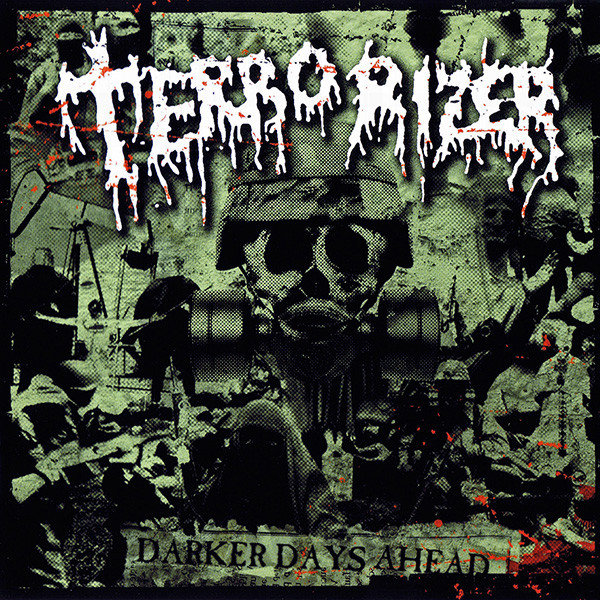
Vincent stepped back into Morbid Angel in 2004 for tours, but the studio reality check arrived in 2011 with Illud Divinum Insanus on Season of Mist. Instead of delivering old-school worship, the band slapped industrial techno stomps and synth programming directly into the tracklist, horrifying purists across the globe. He also reconnected with Terrorizer for 2012's Hordes of Zombies on bass, proving he still had the chops when he felt like it. The Morbid Angel reunion blew apart completely by 2015 due to irreconcilable friction with Trey Azagthoth, ending his run with the band for good.
Supergroups and Honky-Tonks
Free from Azagthoth's orbit, Vincent linked up with Flo Mounier and Rune Eriksen in 2015 to start Vltimas, releasing Something Wicked Marches In in 2019 and Epic in 2024. The records showcased his voice in top form—regal, clear, and sinister over blackened death metal riffs. At the same time, he took his touring act I Am Morbid on the road to play the old catalog without the corporate drama, and cut the 2017 outlaw country single Drinkin' with the Devil. The guy essentially splits his time between blasting European festivals and picking acoustic country tunes, answering to nobody.
Influences
- Venom — Cronos wrote the playbook for shouting over proto-extreme basslines with zero technical apologies, which Vincent studied closely. You hear the direct lineage in Vincent's theatrical sneer and front-and-center bass posture on early tracks like 'Immortal Rites.' Without Cronos treating the bass like a bludgeon, Vincent's entire visual and vocal delivery wouldn't exist.
- Slayer — Tom Araya proved you could deliver rapid-fire anti-religious lyrics without losing enunciation in the mix. Vincent patterned his ruthless vocal cadence on Altars of Madness directly off the manic delivery of Reign in Blood. It kept Morbid Angel's earliest material legible enough to actually sing along to in the pit.
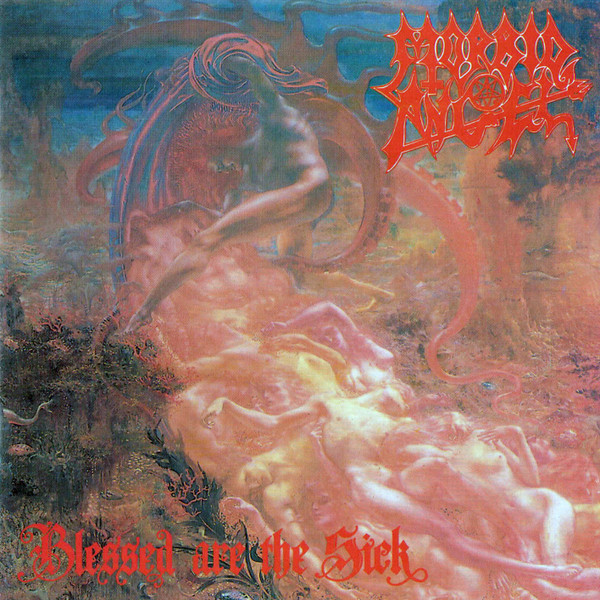
- Celtic Frost — Tom G. Warrior brought high drama, avant-garde swagger, and deliberate mid-tempo swagger to European extreme metal. You can hear that distinct vocal grit and rhythmic punctuation all over Morbid Angel's groovier moments on Blessed Are the Sick. Vincent took Warrior's operatic death grunts and adapted them into his own signature roar.
- Lemmy Kilmister — Motörhead's ruthless bass rumble and gravel-throated outlaw persona served as Vincent's eternal baseline for how a frontman commands a stage. He leaned hard into that overdriven Rickenbacker attack on Terrorizer's World Downfall, and later even joined Lemmy's rockabilly side project The Head Cat on bass. It gave his metal tone a nasty rock-and-roll clatter that most death metal bassists lacked.
- Black Sabbath — Geezer Butler's low-end drive showed extreme metal how to lock with relentless drums without disappearing behind walls of guitars. Vincent's deliberate pacing on Domination traces straight back to Sabbath's sludgy, downtuned foundations. It gave his bass work actual swing instead of just mimicking the kick drums.
Morbid Angel
A project David Vincent was part of. Former member.
Altars Of Madness
1989
Blessed Are The Sick
1991
Domination
1995

Covenant
1993
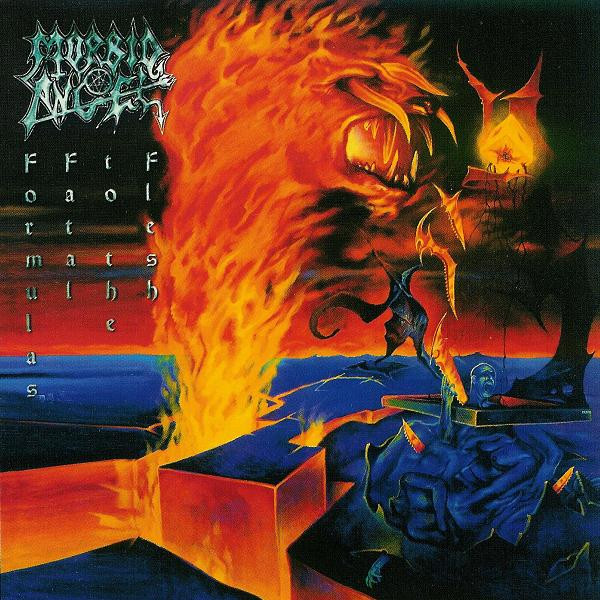
Formulas Fatal To The Flesh
1998
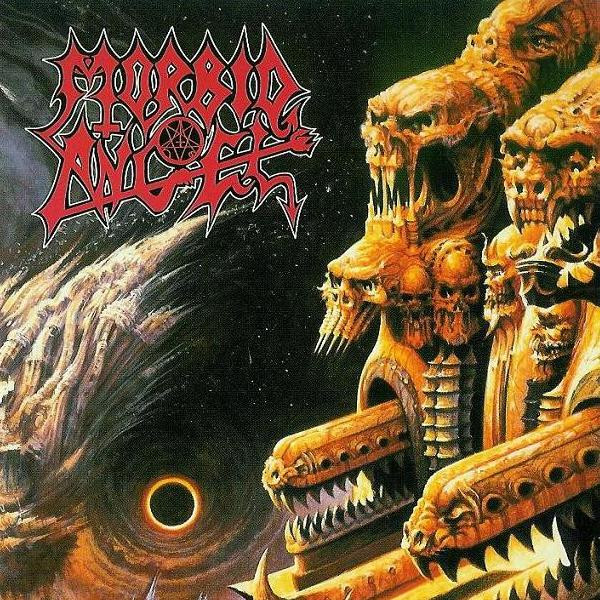
Gateways To Annihilation
2000

Heretic
2003
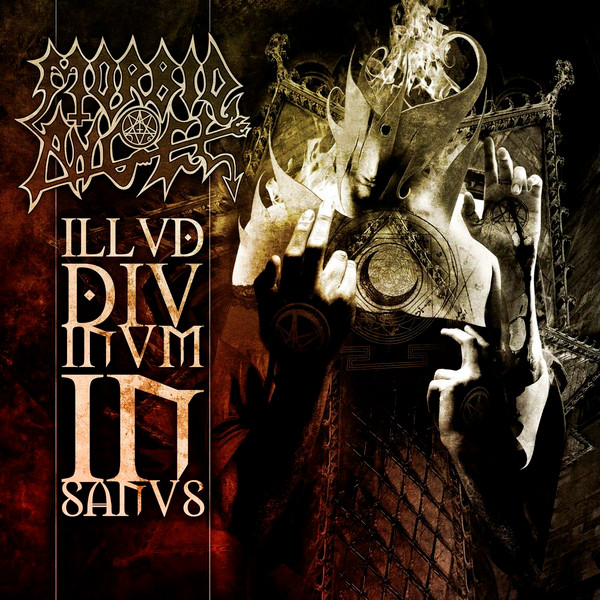
Illud Divinum Insanus
2011

Kingdoms Disdained
2017
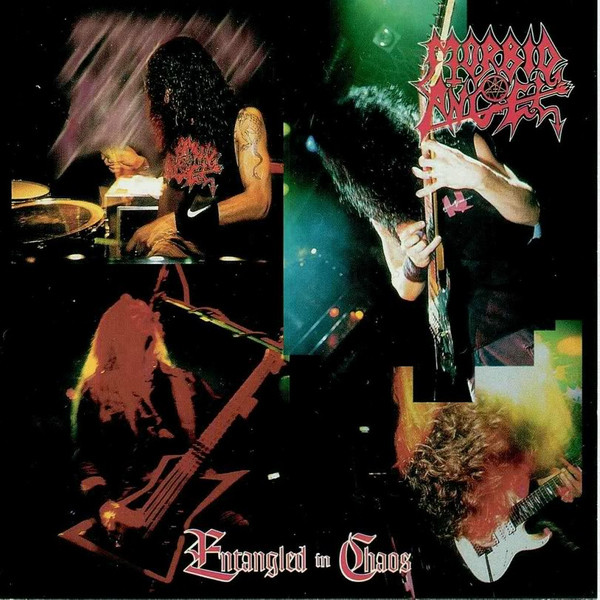
Entangled In Chaos
1996

Volume 1
2025

Volume 2
2025
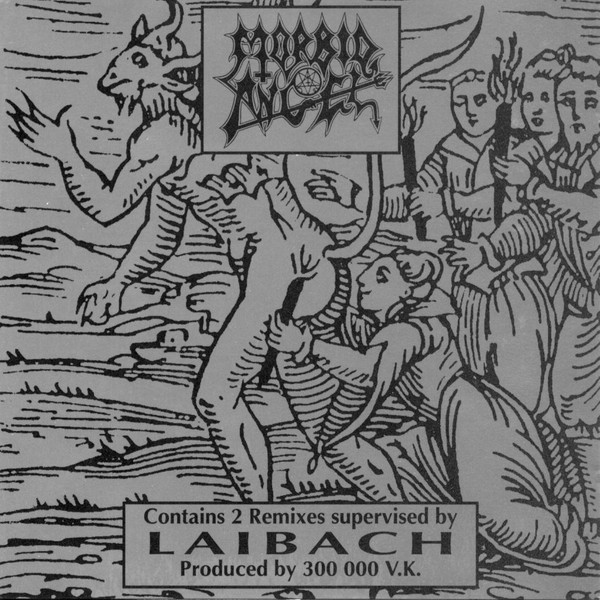
Laibach Remixes
1994

Evil Demos
1992

Blessed Are The Boots...
1991

Live In New Jersey 1989
2024

Live “FZW” 02.12.1989
2022

Juvenilia
2015
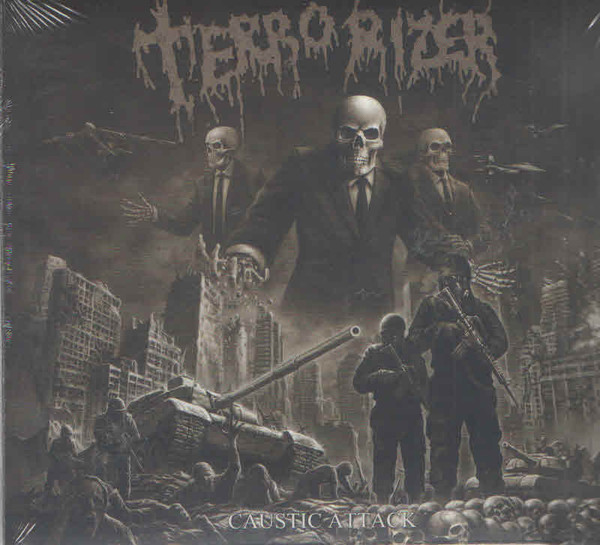
Terrorizer
A project David Vincent was part of.


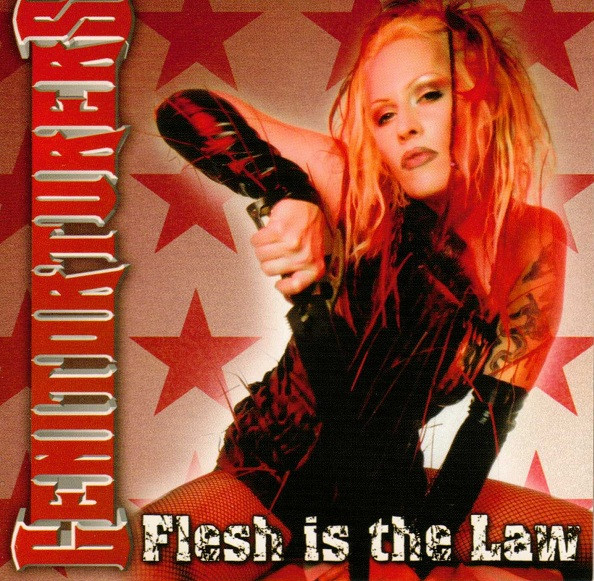
Genitorturers
A project David Vincent was part of.




The Head Cat
A project David Vincent was part of. Former member.


Vltimas
A project David Vincent was part of.


Around the web
Follow every record they touch.
Start your shelf and Gatefold tracks David Vincent's new pressings, tour dates, and the whole discography — automatically.
Start your shelf →Free forever. Works with 10 records or 10,000.