
Artist
Dennis Stratton
London, United Kingdom
Dennis Stratton is a musician from London, United Kingdom. They also recorded with Iron Maiden.

53
Albums tracked
1,240
In collections
—
Since
Biography
Dennis Stratton got sacked from Iron Maiden because he wanted Queen-style harmony layers on 'Phantom of the Opera' while Steve Harris wanted straight East End street-punk grit. Will Malone was technically producing that 1980 debut at Kingsway Recorders, but Malone mostly sat back, leaving Stratton and Harris to clash over tracks. Stratton tracked crisp vocal harmonies and dual-lead textures on his Les Paul, giving the debut its melodic bounce before Rod Smallwood showed him the door post-Kiss tour. He wasn't built for raw, galloping proto-thrash. He was an East End pub-rock workhorse who grew up on melodic hard rock and West Coast gloss, which is why Lionheart sounded closer to Foreigner and Def Leppard than the NWOBHM vanguard. When the 90s rolled around, he reunited with Paul Di'Anno to milk their Maiden pedigree on the Japanese market, but strip away the branding and you find a player who always prioritized smooth hook-laden guitar interplay over sheer speed.
Bio from The Clerk
The Arc of Dennis Stratton
The pivots — what forced Dennis Stratton to reinvent.
The Maiden Detour
Stratton joined Iron Maiden in late 1979 right as they signed to EMI, brought in alongside Clive Burr to add professional muscle to Steve Harris's raw arrangements. During the Kingsway Recorders sessions for the self-titled debut, he tracked layered vocal harmonies and melodic counterpoints that clashed directly with the band's bare-knuckle vision. The clash culminated on their European run supporting Kiss, where Stratton's easy listening tastes alienated the camp and got him fired by October 1980.
The Melodic Shift: Lionheart
After a stint in Praying Mantis, Stratton formed Lionheart in late 1980 with ex-Tygers of Pan Tang singer Jess Cox and guitarist Steve Mann. They leaned heavy into slick, radio-ready AOR and twin-lead melodic hooks, finally landing a major deal to release 'Hot Tonight' in 1984. It completely divorced Stratton from the grime of the NWOBHM, framing him instead as Britain's answer to polished American arena rock.
The Iron Men Circuit
By the mid-1990s, the Japanese metal market was hungry for early Maiden nostalgia, prompting Stratton to re-team with exiled Maiden frontman Paul Di'Anno. Recording projects like 'The Original Iron Men' and 'Hard as Iron' relied directly on their pedigree, churning out melodic hard rock and re-recorded classics. It was pure catalog tradecraft, but it kept his fluid lead style active long after the mainstream moved on from 80s heavy metal.
Influences
- Wishbone Ash — Andy Powell and Ted Turner established the twin-lead guitar standard that Stratton obsessed over during his early pub-rock days. You hear those interlocking dual-harmony licks all over Stratton's playing on Maiden's 'Running Free' and throughout his Lionheart catalog. He never played just single-note runs when he could build a dual-guitar harmony.
- Queen — Stratton repeatedly cited Queen as the blueprint for why he tried to track multiple layers of backing vocal harmonies onto Iron Maiden's 'Phantom of the Opera'. That dense, multi-tracked vocal approach defined his melodic vision, directly leading to his dismissal by Steve Harris. He wanted stadium-level operatic sheen in a dirty pub-rock world.
- Thin Lizzy — Scott Gorham and Brian Robertson's tight, melodic twin-guitar attack in mid-70s Lizzy served as Stratton's direct foundation in Remus Down Boulevard. The punchy, melodic Les Paul solo trades on tracks like 'Prowler' draw straight from the 'Jailbreak' playbook. It was blue-collar rock with undeniable harmonic sophistication.
- The Eagles — Stratton was notorious in the Maiden camp for blasting West Coast harmony rock while on tour, openly favoring Don Felder and Joe Walsh's arrangements. You hear that clean, melodic sensibility driving his post-Maiden work with Lionheart. It was the exact polished sound that got him labeled too soft for Harris's metal purism.
- Status Quo — Stratton came up cutting his teeth on the gritty, hard-driving 12-bar pub rock scene where Status Quo ruled the UK circuit. That no-nonsense rhythm foundation anchor gave his melodic lead playing its relentless, driving tempo. It kept his rhythm work heavy even when his melodic instincts aimed straight for pop-metal.
Iron Maiden
A project Dennis Stratton was part of. Former member.
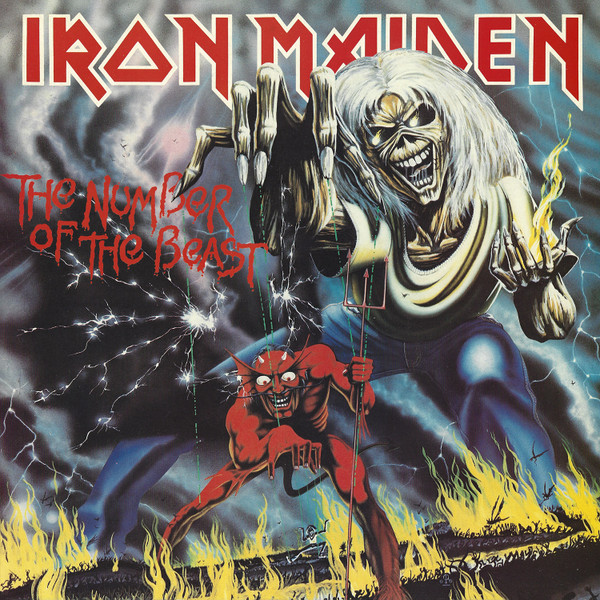
The Number Of The Beast
1982
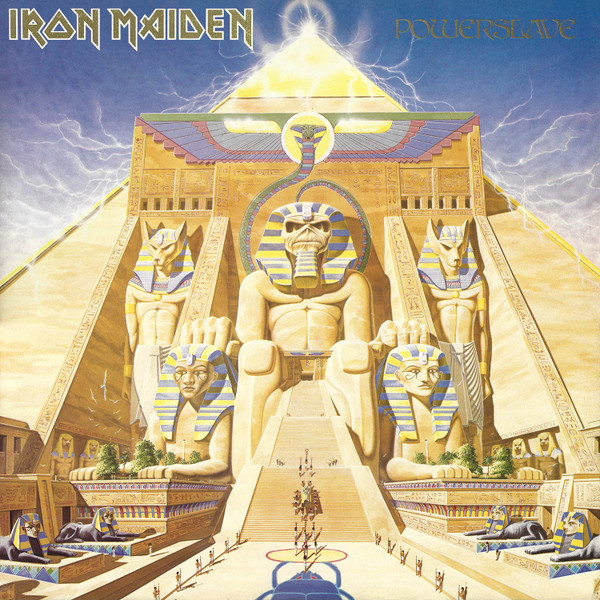
Powerslave
1984
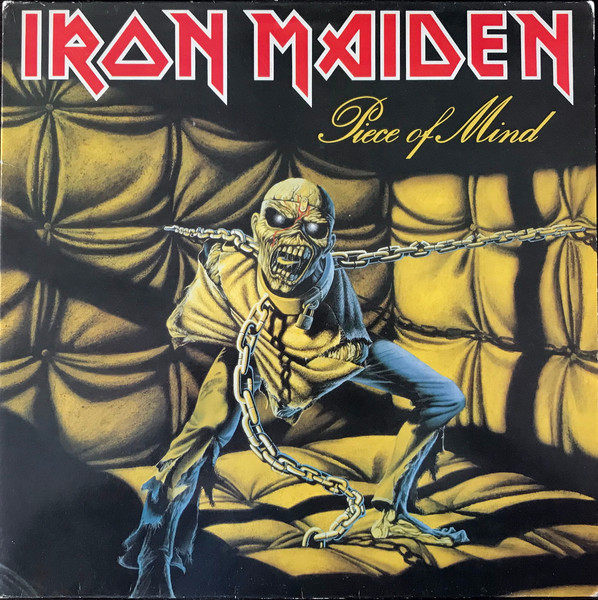
Piece Of Mind
1983
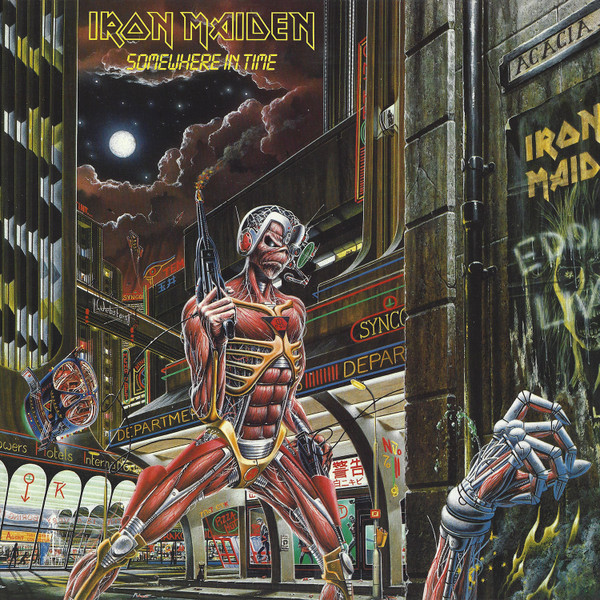
Somewhere In Time
1986
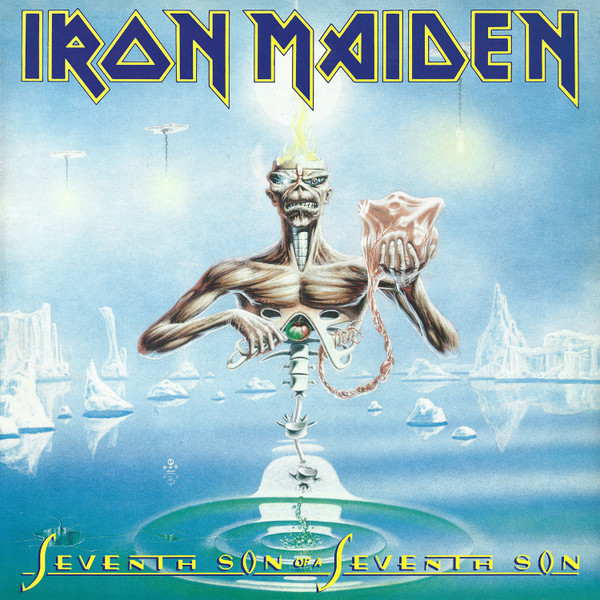
Seventh Son Of A Seventh Son
1988
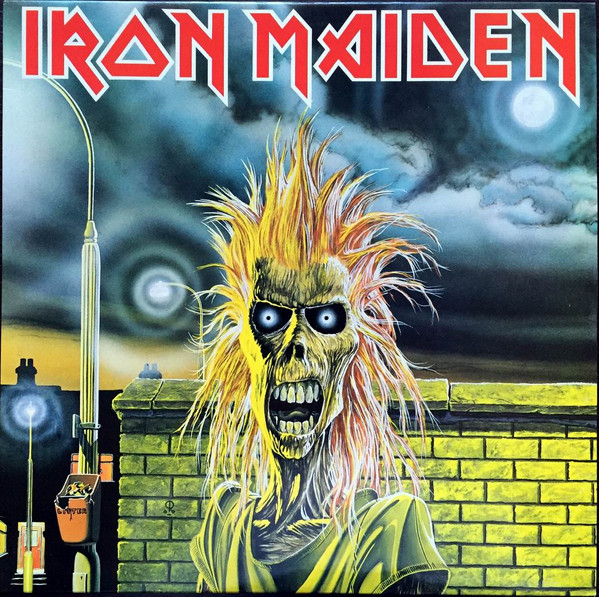
Iron Maiden
1980
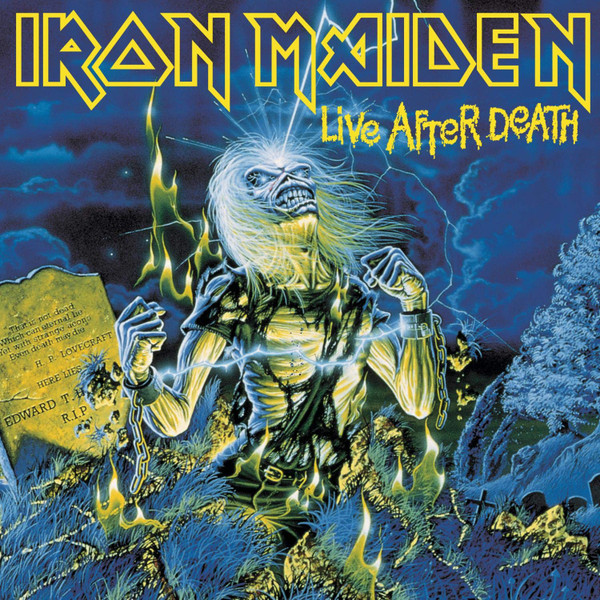
Live After Death
1985
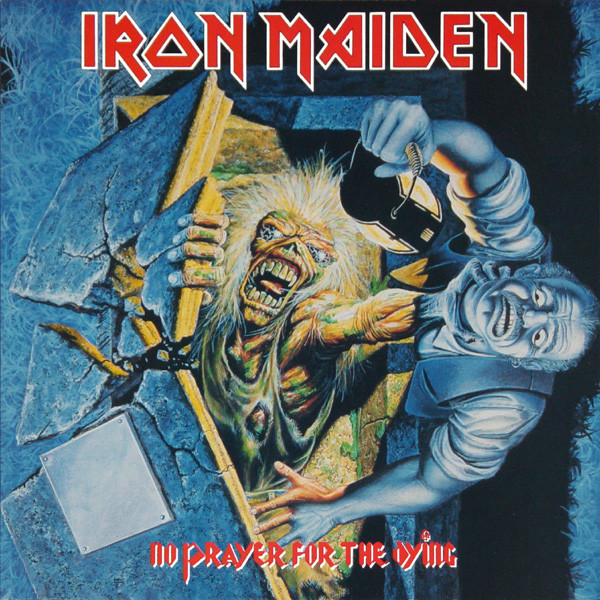
No Prayer For The Dying
1990

Fear Of The Dark
1992
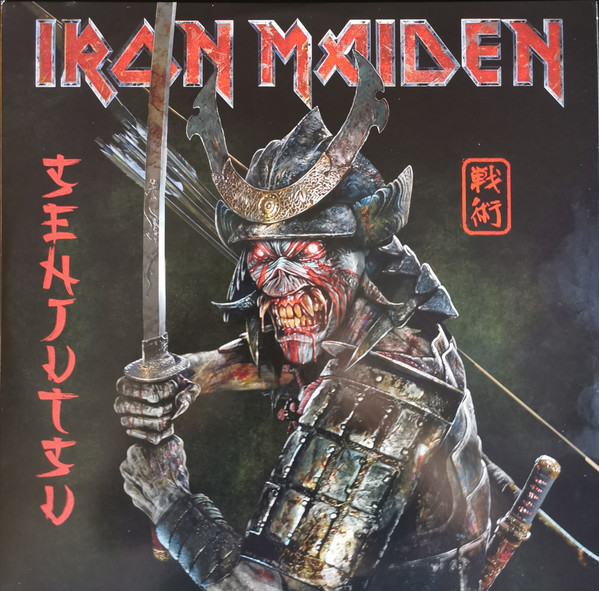
Senjutsu
2021
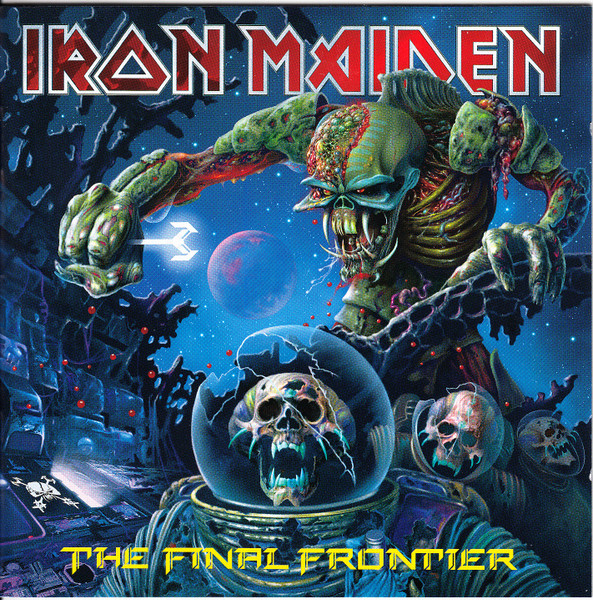
The Final Frontier
2010
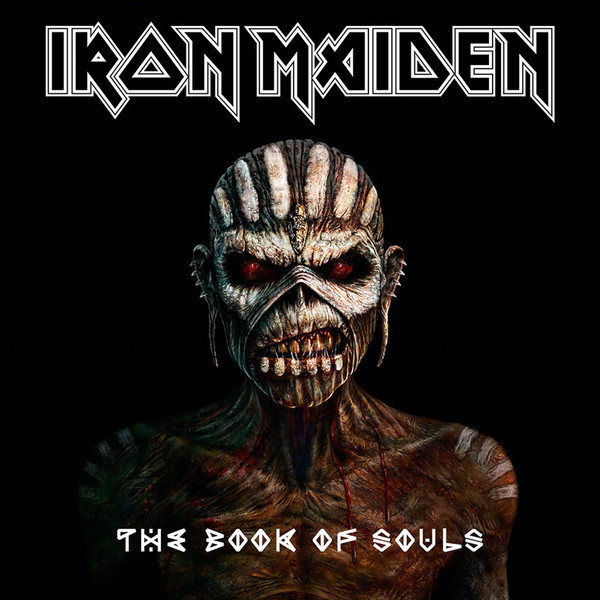
The Book Of Souls
2015
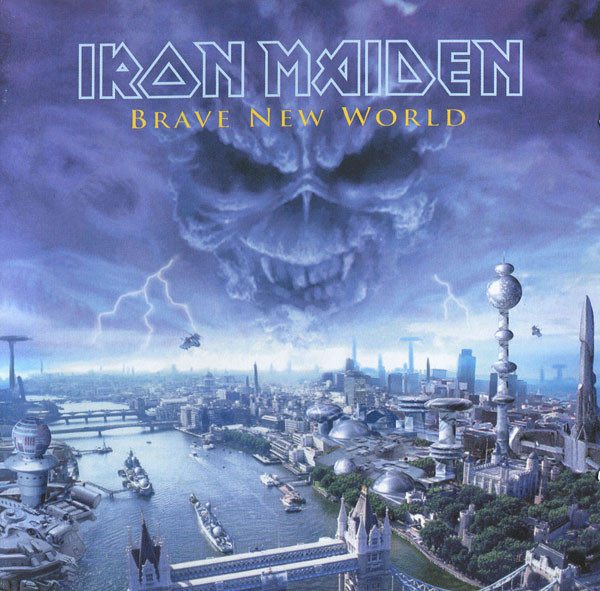
Brave New World
2000
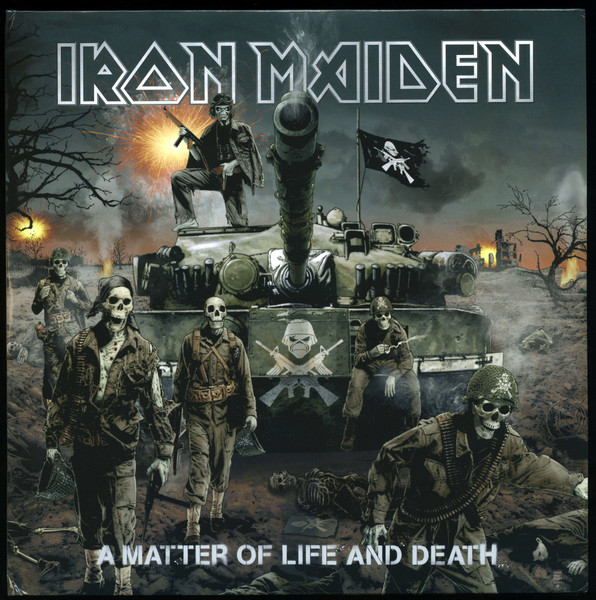
A Matter Of Life And Death
2006

Dance Of Death
2003

Maiden Japan
1981

Virtual XI
1998
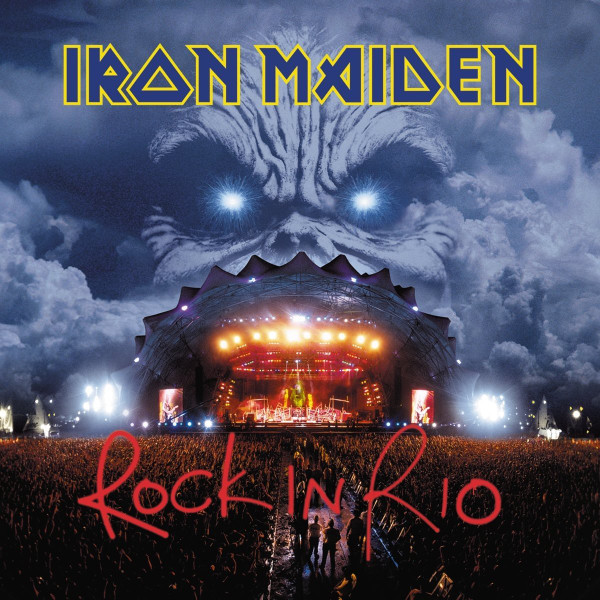
Rock In Rio
2002
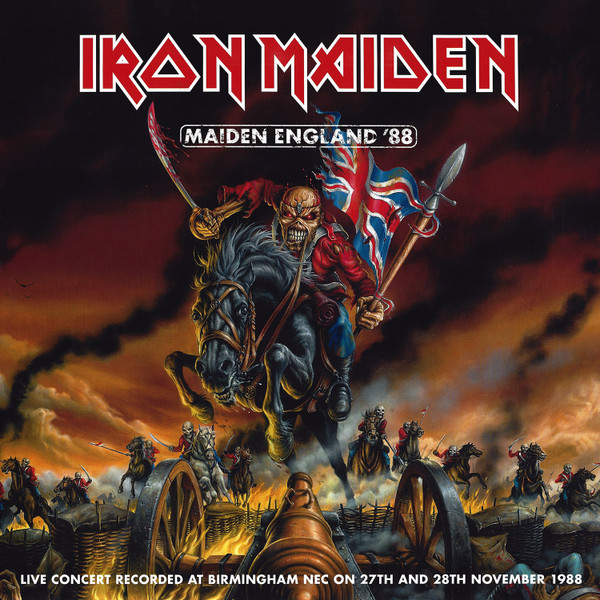
Maiden England
1989

Somewhere Back In Time (The Best Of: 1980-1989)
2008
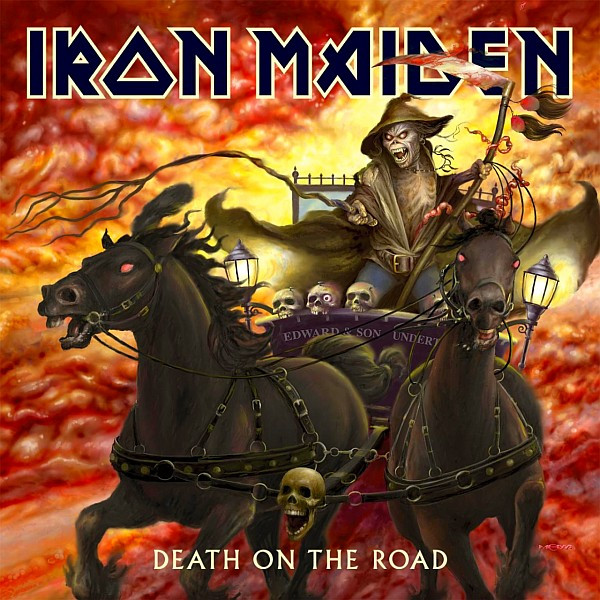
Death On The Road
2005

The X Factor
1995
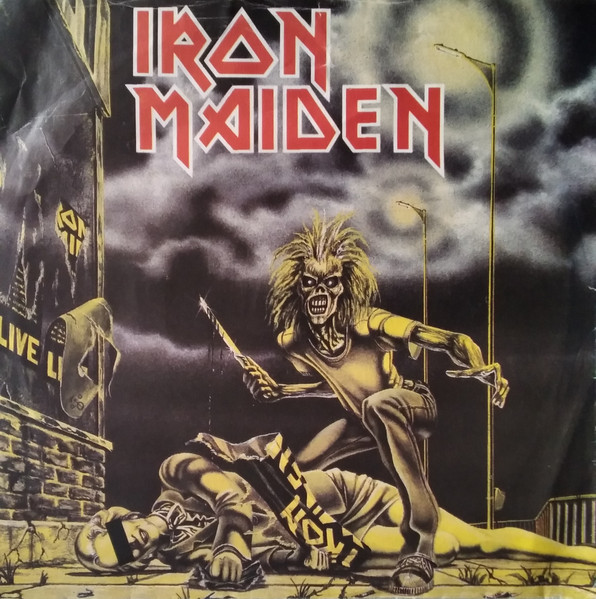
Sanctuary
1980
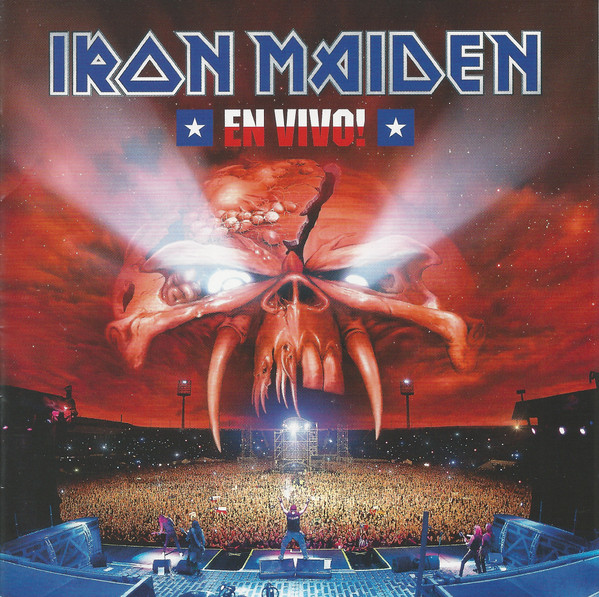
En Vivo!
2012
Around the web
Follow every record they touch.
Start your shelf and Gatefold tracks Dennis Stratton's new pressings, tour dates, and the whole discography — automatically.
Start your shelf →Free forever. Works with 10 records or 10,000.