Artist
DJ Spooky
Washington, D.C., United States · b. 1970
DJ Spooky is a musician from Washington, D.C., United States, active since 1970. Their discography on Gatefold includes 5 records.

5
Albums tracked
10
In collections
1970
Since
Biography
Paul Miller built his entire aesthetic out of the basement crush of mid-nineties downtown Manhattan, where hip-hop breaks got smothered in thick dub delay and conceptual art theory. Under the moniker DJ Spooky That Subliminal Kid, he came up through the Soundlab party scene running turntables through heavy distortion and cheap reverb units. When 1996's *Songs of a Dead Dreamer* hit through Asphodel, it gave a name to illbient: hip-hop pulled apart at the seams, stripped of boom-bap bravado, and soaked in cold urban dread. It wasn't dance music and it refused to sit comfortably in an ambient bin. Then the art world came calling, and Miller started treating records like gallery installations. He jumped to Geffen imprint Outpost for 1998's *Riddim Warfare*, pulling in Sonic Youth and Kool Keith just to prove downtown noise and golden-era rap shared the same DNA. The academic lean got heavier as the years rolled on—reworking D.W. Griffith, tracking acoustic measurements of polar ice caps, writing manifestos between vinyl drops. Half the purist hip-hop heads bailed when he started hauling cellos into performance spaces, but the guy never stopped treating the sampler as an instrument of pure cultural collision.
Bio from The Clerk
The Arc of DJ Spooky
The pivots — what forced DJ Spooky to reinvent.
The Illbient Blueprint
Emerging from the Soundlab warehouse scene in lower Manhattan, Miller codified a murky, atmospheric style that rejected clean club tempos. Armed with turntables, samplers, and heavy analog delay, he cut *Songs of a Dead Dreamer* in 1996 for Asphodel. The record stripped boom-bap rhythms down to skeletal, reverb-drenched pulses and layered spoken-word fragments with dark industrial drones. It framed DJing not just as party rocking, but as sonic collage.
Downtown Major-Label Collision
A major-label push arrived when Outpost and Geffen backed 1998's *Riddim Warfare*, throwing serious distribution behind his collage aesthetic. Instead of softening his sound for radio, Miller crammed Thurston Moore, Kim Gordon, and Kool Keith into the same chaotic tracklist. The record collision-tested indie rock guitar squall against abstract underground rap cadences. It proved downtown noise and street-level beats could occupy the exact same groove without compromise.
The Blue Series Vanguard
Miller jumped into free jazz after hooking up with pianist Matthew Shipp's curated Blue Series at Thirsty Ear. The result was 2002's *Optometry*, where he took live sessions from William Parker, Joe McPhee, and Guillermo E. Brown and restructured them with digital edits and breakbeats. Rather than dropping easy loops behind horns, he used the sampler to shatter free-jazz improvisation into fractured modern textures. The project pushed into outright dub terror when Lee 'Scratch' Perry and Mad Professor reworked the stems for 2003's *Dubtometry*.
Thrash Collisions and Concept Works
Tired of staying in polite jazz and ambient lanes, Miller partnered with Slayer drummer Dave Lombardo for 2005's aggressive *Drums of Death*. Bringing in Chuck D alongside Lombardo's double-bass fury, the record collided thrash metal tempo with hip-hop militura. It was a punishing detour that alienated his chillout audience and delighted noise fiends. The aggressive pace showed he was just as comfortable in a mosh pit as a lecture hall.
Multimedia and Environmental Scores
Miller spent the 2010s shifting his focus from club crates to large-scale conceptual compositions and film deconstructions. He tackled historical revisionism head-on with the recorded release of his multimedia project *Rebirth of a Nation* in 2015, stripping apart silent film racism with modern chamber strings and low-end dub pressure. Earlier projects like 2013's *Of Water and Ice* had already pointed that way, turning climate research and field recordings into symphonic arrangements. Turntables remained in the mix, but strictly as tools in a contemporary classical orchestra.
Influences
- Grandmaster Flash — Miller has repeatedly cited Flash's foundational quick-mix theory as the root of modern conceptual audio cutting. You hear the direct vinyl-cutting logic across *Songs of a Dead Dreamer*, where record manipulation takes precedence over programmed digital MIDI. Without Flash turning turntables into physical performance gear, Spooky never gets off the ground.
- Lee “Scratch” Perry — Perry's Black Ark production style of driving soundboards into feedback loops and drowning drums in spring reverb directly informed the illbient sonic template. Spooky leaned on that low-end space across his entire nineties catalog before officially bringing Perry in to remix his jazz cuts on *Dubtometry*. It is the bedrock of his bass architecture.
- John Cage — Cage's theories on indeterminacy, found tape manipulation, and silence dictate the intellectual framework behind Miller's entire discography. You hear it plainly in the non-linear, fragmented tape stops and ambient room noise on *Optometry*. Miller openly adapted Cage's conceptual approach to turn the DJ mixer into a piece of avant-garde composition hardware.
- Public Enemy — The Bomb Squad's dense wall-of-sound sample layering provided the blueprint for how Miller structures chaotic audio collages. He channeled that furious, layered energy on tracks like *Riddim Warfare* and later brought Chuck D directly into the booth on *Drums of Death*. It taught him that rap records could be as harsh and confrontational as industrial noise.
- King Tubby — Tubby's technique of stripping vocal tracks to leave solitary basslines echoing into cavernous delay is the defining mechanical trick of Miller's sound. The sparse drops and sudden subterranean bass slides on 1996's *Necropolis* come straight from Tubby's mixing desk playbook. He took Tubby's Jamaican dub console tricks and dragged them into freezing New York lofts.
Discography
Their records — most-collected first.

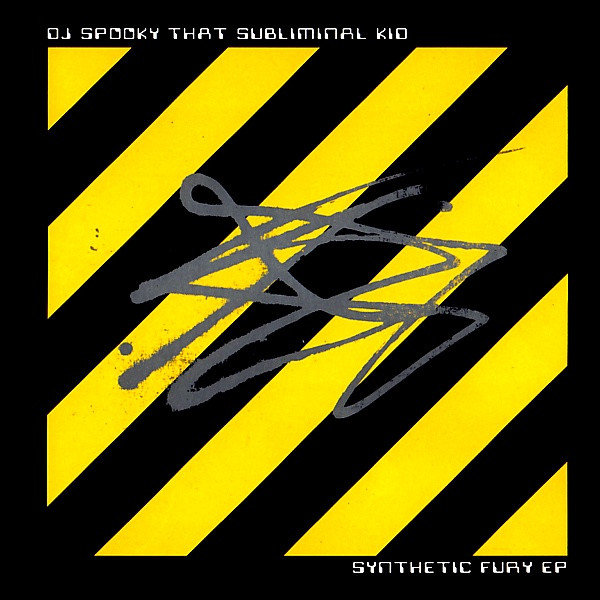

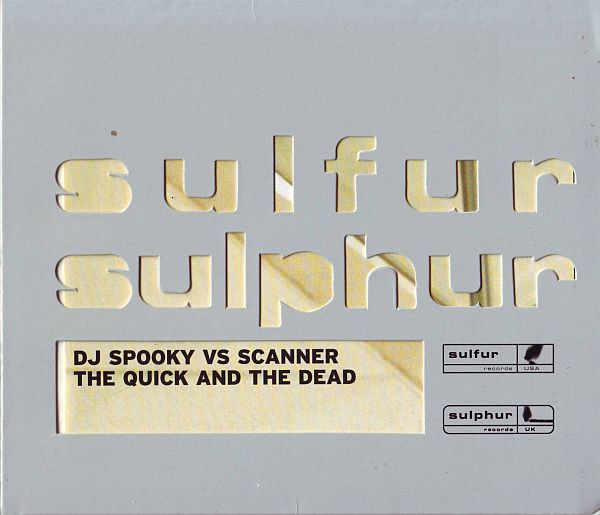
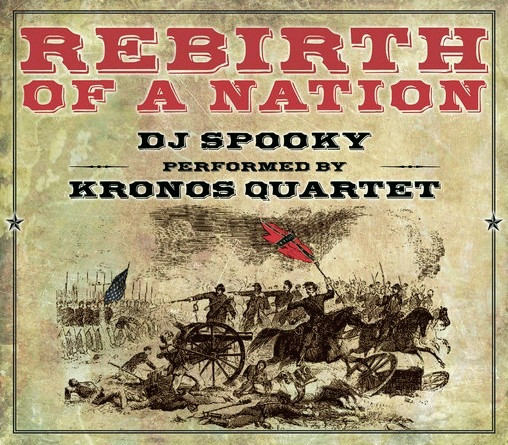
Related artists
Frequent collaborators
Around the web
Follow every record they touch.
Start your shelf and Gatefold tracks DJ Spooky's new pressings, tour dates, and the whole discography — automatically.
Start your shelf →Free forever. Works with 10 records or 10,000.