
Artist
The Doobie Brothers
San Jose, United States · Formed 1970
The Doobie Brothers is a music group from San Jose, United States, active since 1970. Their discography on Gatefold includes 24 records.

44
Albums tracked
490
In collections
1970
Since
Biography
Tom Johnston was playing a beat-up Gibson S-1 through a cranked Fender Twin in a San Jose house when they started as the house band for the Hells Angels. Ted Templeman, the producer who basically built the Warner Bros. sound, heard the double-drummer attack and the acoustic-electric fingerpicking and realized he could polish the biker-bar grit into radio gold. They weren't just a hippie jam band; they were a precision machine that used three-part harmonies to mask the fact that most of their early songs were basically heavy R&B riffs played by Northern California longhairs. Then Johnston’s health tanked in '75 and the band almost folded until Jeff "Skunk" Baxter brought in his old Steely Dan bandmate Michael McDonald. Suddenly, the chugging acoustic guitars were swapped for a Rhodes piano and sophisticated, jazz-inflected chord voicings that redefined blue-eyed soul for the rest of the decade. They went from singing about the backwoods to winning Grammys for songs that sounded like they were recorded in a sterile, high-end laboratory. It's one of the most drastic tonal shifts in rock history, and for a few years, they were the most polished thing on the FM dial.
Bio from The Clerk
The Arc of The Doobie Brothers
The pivots — what forced The Doobie Brothers to reinvent.
The Biker-Bar Boogie Phase
After Dave Shogren left on bass and Tiran Porter stepped in, the band locked into a heavy, dual-drummer groove that defined the early seventies. Ted Templeman pushed Johnston to lean into those staccato acoustic strumming patterns on the 1972 hit 'Listen to the Music,' creating a percussive wall of sound that felt urgent and rural at the same time. This era was defined by loud guitars and a heavy touring schedule that catered to the California counterculture, solidified by the swampy, gospel-tinged success of 'Black Water.'
The McDonald Transition
When Tom Johnston dropped out of the Stampede tour with bleeding ulcers, the band faced a total collapse until Michael McDonald was recruited to fill the gap. On the 1976 record 'Takin' It to the Streets,' the grit was replaced by syncopated keyboard loops and a smoother, soulful vocal delivery that moved the band away from their folk-rock roots. This wasn't a minor tweak; it was a fundamental hijacking of the band's DNA that alienated the old-school fans but turned the group into a multi-platinum pop juggernaut.
The Yacht Rock Peak
By the time they cut 'Minute by Minute' in 1978, the transformation was complete, fueled by the complex arrangements and jazz-fusion sensibilities of Jeff Baxter and Michael McDonald. The recording sessions were notorious for their perfectionism, utilizing the high-fidelity capabilities of Warner Bros. studios to create a sound that was sleek, expensive, and impeccably layered. This era culminated in a massive sweep at the Grammys, but the internal tension between the original rock aesthetic and the new sophisticated soul eventually led to a total breakup in 1982.
Influences
- Moby Grape — Skip Spence’s psych-folk outfit was the direct blueprint for the Doobies' three-guitar attack and layered vocal harmonies. You hear the jagged San Francisco structure in early Johnston tracks like 'Nobody.' They essentially took the Moby Grape formula and added more commercial discipline.
- The Isley Brothers — The Doobies covered 'I Know You Wiggin' and 'Take Me in Your Arms (Rock Me a Little While),' proving their roots were always in R&B. That driving, syncopated soul rhythm is exactly what separates their 'boogie' from the generic blues-rock of the era. It’s the Motown engine under a California hood.
- The Byrds — Tom Johnston has cited their acoustic-electric blend as the reason he started mixing the two textures in the studio. The folk-rock jangle of The Byrds was toughened up by the Doobies’ rhythm section, but the DNA of 'Turn! Turn! Turn!' is all over their vocal stacks. It’s the foundation for their high-tenor harmony style.
- Little Feat — The two bands shared a producer in Ted Templeman and a mutual obsession with the New Orleans pocket. You can hear Lowell George’s slide influence and that greasy, behind-the-beat funk in 'What a Fool Believes.' They were essentially two sides of the same Warner Bros. coin.
- Steely Dan — Beyond the literal personnel bridge of Jeff Baxter and Michael McDonald, the Dan’s studio obsession forced the Doobies to tighten their arrangements. The harmonic complexity of Aja started bleeding into the Doobies' late-seventies output. It turned them from a jam band into a group of session-grade technicians.
Discography
Their records — most-collected first.
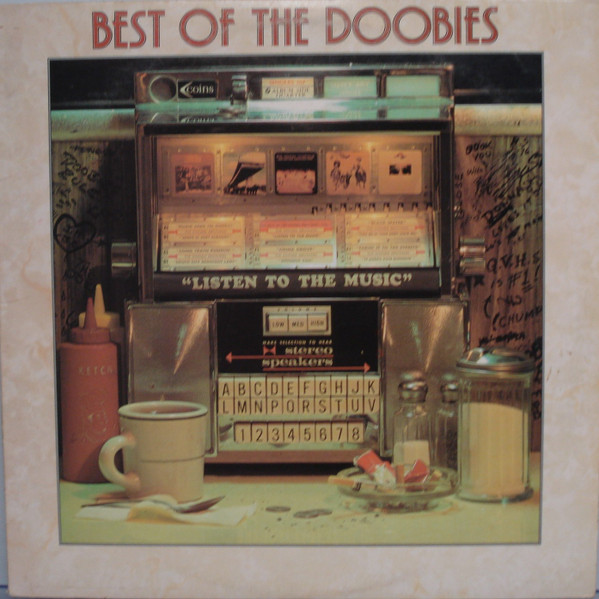
Best Of The Doobies
1976

The Captain And Me
1973
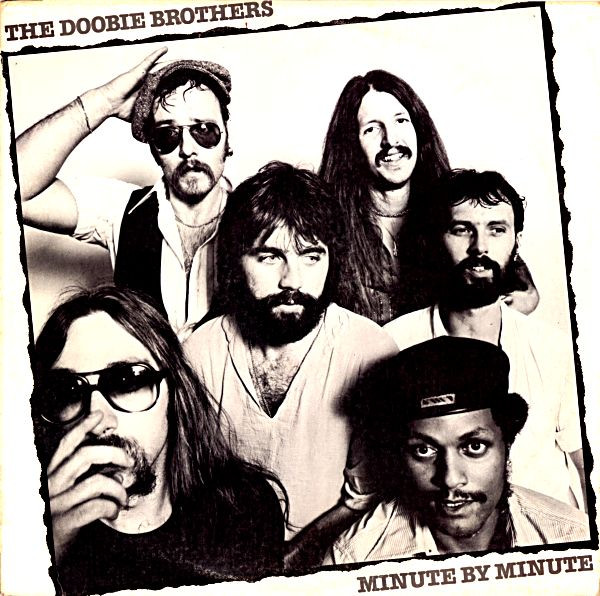
Minute By Minute
1978
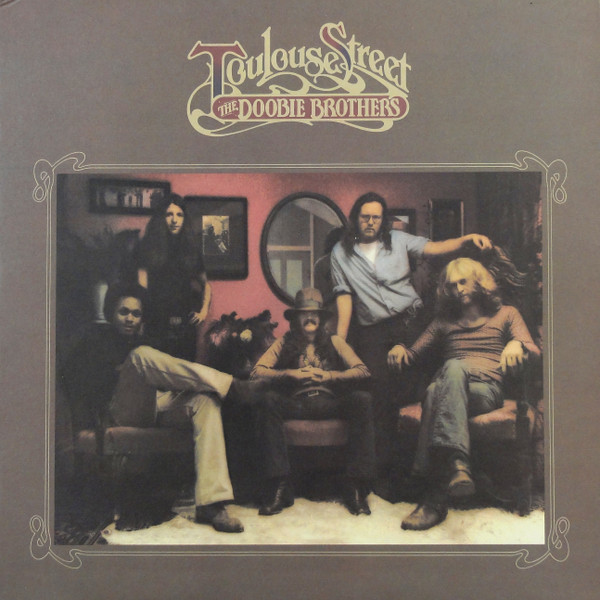
Toulouse Street
1972
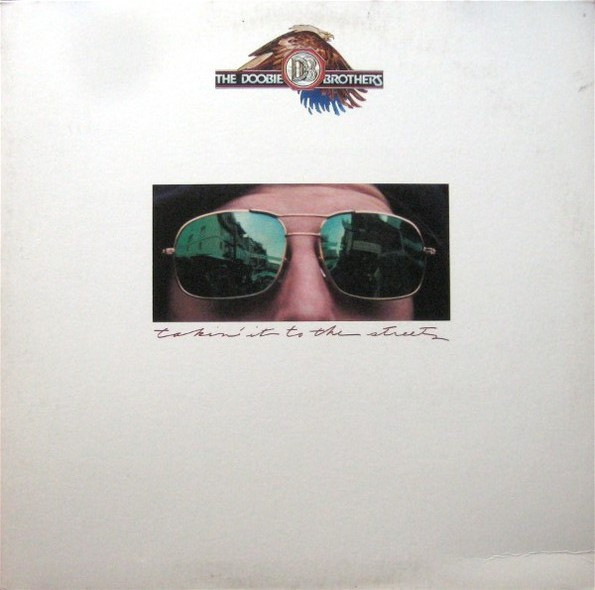
Takin' It To The Streets
1976

What Were Once Vices Are Now Habits
1974
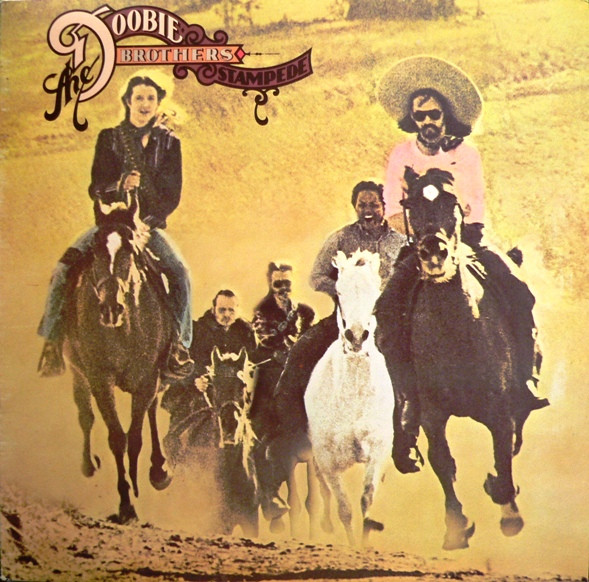
Stampede
1975

Livin' On The Fault Line
1977

Best Of The Doobies Volume II
1981
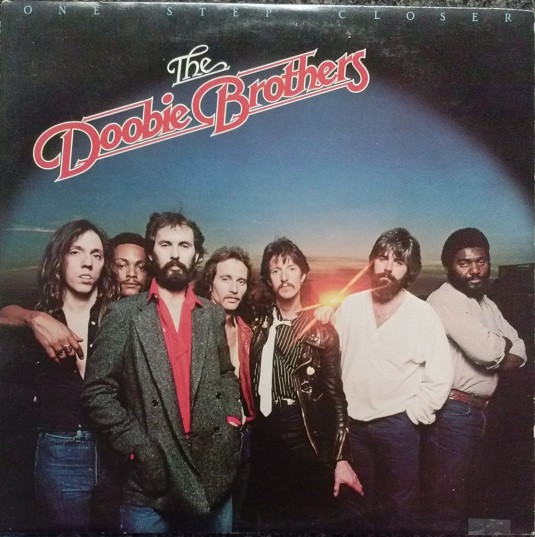
One Step Closer
1980

Farewell Tour
1983

Cycles
1989

The Doobie Brothers
1971

Walk This Road
2025

The Very Best Of The Doobie Brothers
2007
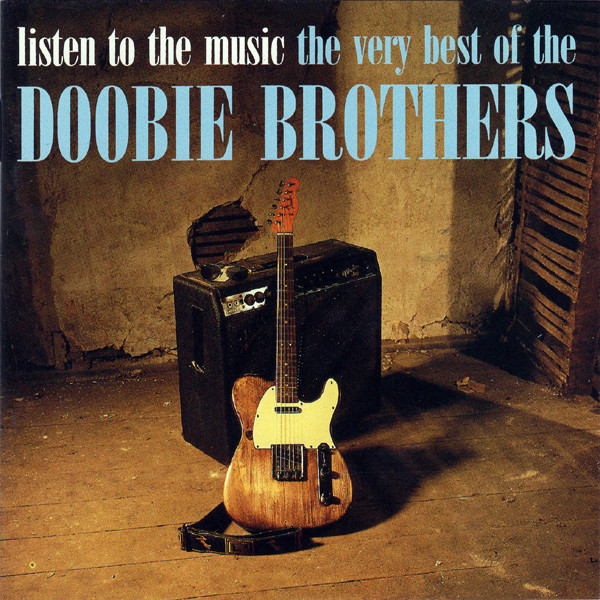
Listen To The Music ⋅ The Very Best Of The Doobie Brothers
1993

Best Of The Doobies / Best Of The Doobies Vol. II
1983

Greatest Hits
2001
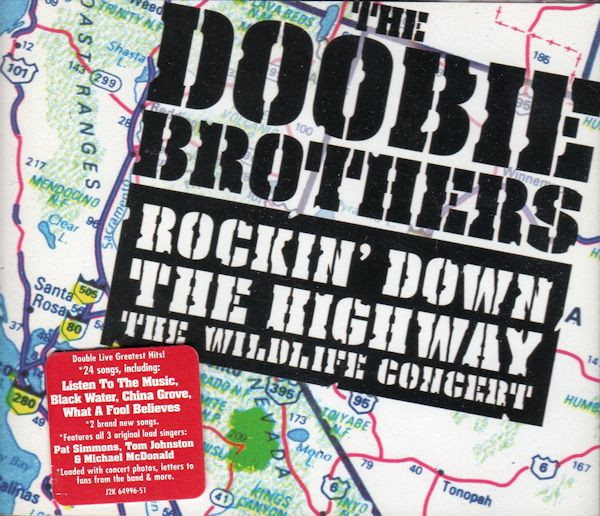
Rockin' Down The Highway: The Wildlife Concert
1996

Real Love
1980

What A Fool Believes
1978
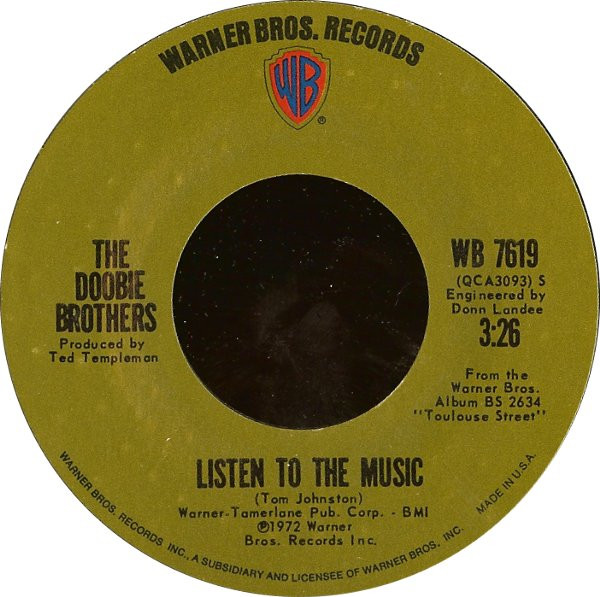
Listen To The Music
1972
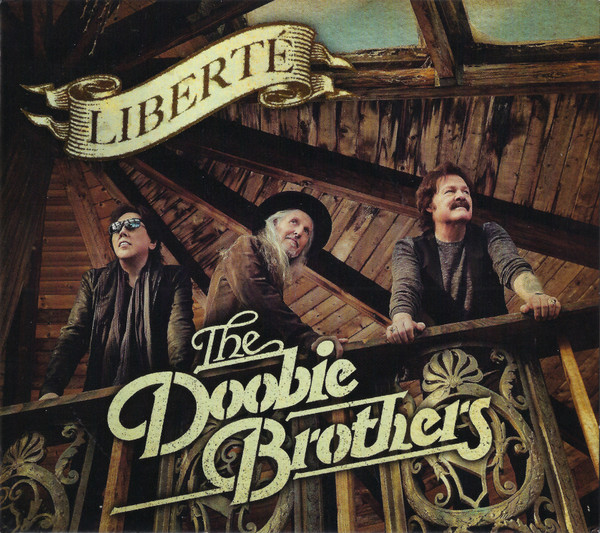
Liberté
2021

The Warner Bros. Years 1971-1983
2015
Related artists
Around the web
Follow every record they touch.
Start your shelf and Gatefold tracks The Doobie Brothers's new pressings, tour dates, and the whole discography — automatically.
Start your shelf →Free forever. Works with 10 records or 10,000.