
Artist
Duran Duran
English rock band
Birmingham, United Kingdom · Formed 1978
Duran Duran is a music group from Birmingham, United Kingdom, active since 1978. Their discography on Gatefold includes 24 records.

55
Albums tracked
620
In collections
1978
Since
Biography
Colin Thurston squeezed the band into Chipping Norton Recording Studios in late 1980 with a very specific blueprint: fuse the dancefloor drive of Chic with the moody, synthetic wash of Bowie's Berlin era. Most people dismiss them as hairspray and MTV marketing. That is a massive mistake. John Taylor and Roger Taylor were one of the tightest, most aggressive rhythm sections of the post-punk era, anchoring those tracks with a heavy, physical groove that kept the synth-pop from floating away into the clouds. Then the wheels came off in the mid-eighties under a mountain of cocaine, side projects, and ego. They splintered into Arcadia and The Power Station, lost their core lineup, and spent years chasing trends with embarrassing results like the 1995 covers album, Thank You, which Lou Reed somehow defended but remains a tough listen. Yet, every time the industry writes them off, they pull off a weird, stubborn pivot. They survived the nineties by leaning into Warren Cuccurullo's textured guitar work and eventually clawed back their original chemistry because, at their core, they actually knew how to write a hook.
Bio from The Clerk
The Arc of Duran Duran
The pivots — what forced Duran Duran to reinvent.
The Thurston Blueprints
Producer Colin Thurston took five Birmingham kids who wanted to be both Sex Pistols and Chic and locked them in the studio to capture that exact friction. Using the Roland Jupiter-4 and systemic, syncopated basslines, they cut their self-titled debut and Rio back-to-back. The result was a lean, driving art-pop sound where the rhythm section carried the melody while Nick Rhodes layered cold-wave synth textures over the top. You hear this peak balance on the original 12-inch mixes of Night Boat and My Own Way before the stadium screaming drowned out the nuances.
The Funk Overhaul
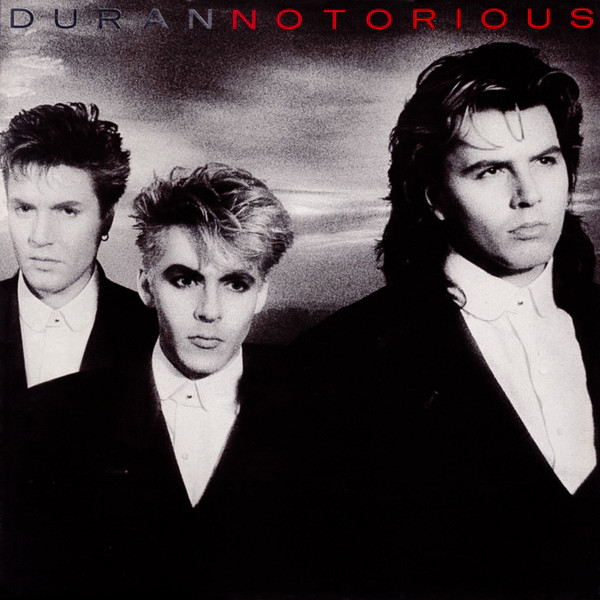
By 1986, guitarist Andy Taylor and drummer Roger Taylor were gone, leaving a trio that desperately needed a new direction to avoid the bargain bin. They hired Nile Rodgers to produce Notorious, throwing out the dense synth-pop layers in favor of dry, scraping rhythm guitars and punchy horn sections from the Boronet Horns. Rodgers stripped the sound down to its bare bones, forcing John Taylor to play busier, percussive basslines that locked directly into the pocket. This era redefined them from teen idols to serious dance-rock innovators, even if the old rock fans missed the big guitar solos.
The Cuccurullo Renaissance
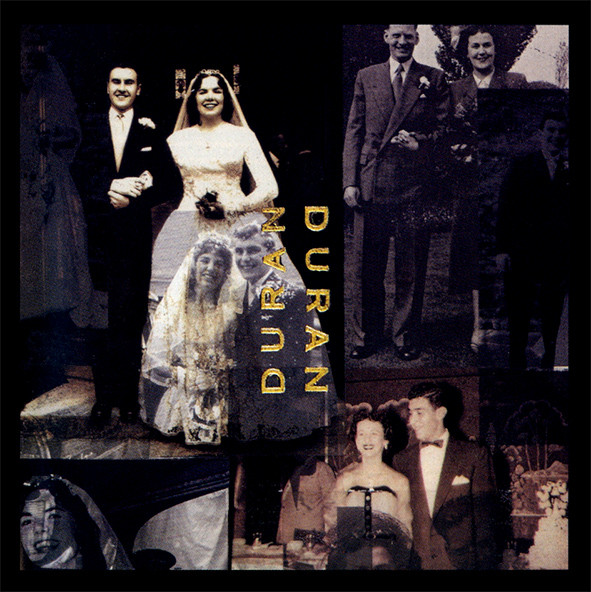
After the disastrous reception of Liberty in 1990, former Missing Persons guitarist Warren Cuccurullo became a full-time member and completely reshaped their writing process. Working in a home studio in London, they abandoned the plastic dance-pop of the late eighties for acoustic guitars, fretless bass, and trip-hop-influenced loops. This self-titled 1993 album, known as The Wedding Album, saved their career from the nostalgia circuit through the massive success of Ordinary World and Come Undone. It proved they could write mature, atmospheric adult-contemporary pop without relying on their classic eighties formula.
Influences
- Chic — John Taylor has repeatedly stated he learned to play bass by copying Bernard Edwards' line on Good Times note-for-note. You can hear that exact fingerstyle, syncopated funk drive holding together the frantic synthesizer work on Rio and Girls on Film. They finally closed the loop by hiring Nile Rodgers to produce and play on Wild Boys and Notorious.
- Roxy Music — Simon Le Bon auditioned for the band wearing pink leopard-print trousers and carrying a book of poetry, a direct nod to Bryan Ferry's art-school romanticism. Nick Rhodes built his entire keyboard philosophy on Andy Mackay's oboe-like obtrusive synth treatments and Brian Eno's non-musician soundscapes. The atmospheric, synth-heavy album cut The Chauffeur is a direct descendant of Roxy's Avalon style.
- David Bowie — The band covered Fame during their early rehearsals and modeled their visual presentation and sonic mutability on Bowie's mid-seventies transitions. You hear the influence of the Berlin Trilogy, specifically Low, in Nick Rhodes' use of cold, metallic synthesizer sweeps and John Taylor's driving, bass-led arrangements on tracks like Khanada. They later paid direct tribute by covering Starman and Boys Keep Swinging.
- Japan — Before Duran Duran broke out, they frequently attended gigs by the UK art-rock band Japan, absorbing Mick Karn's expressive, fretless bass style and David Sylvian's baritone vocal delivery. Nick Rhodes even dyed his hair to match synth player Richard Barbieri's aesthetic. The atmospheric synth-pad structures on quiet-storm tracks like Seventh Stranger are direct lifts from Japan's Quiet Life album.
- The Sex Pistols — John Taylor and original singer Stephen Duffy formed the band in Birmingham after witnessing the raw energy of the punk explosion firsthand. Andy Taylor brought a heavy, Steve Jones-style Gibson Les Paul crunch to the early sessions, which contrasted sharply with the synthesizers. That aggressive punk guitar attack is what keeps the choruses of Hungry Like the Wolf and Careless Memories from sounding like lightweight disco.
Discography
Their records — most-collected first.
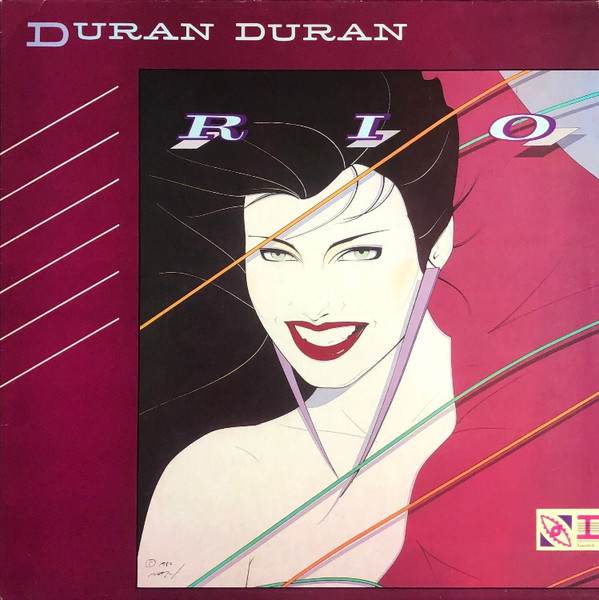
Rio
1982
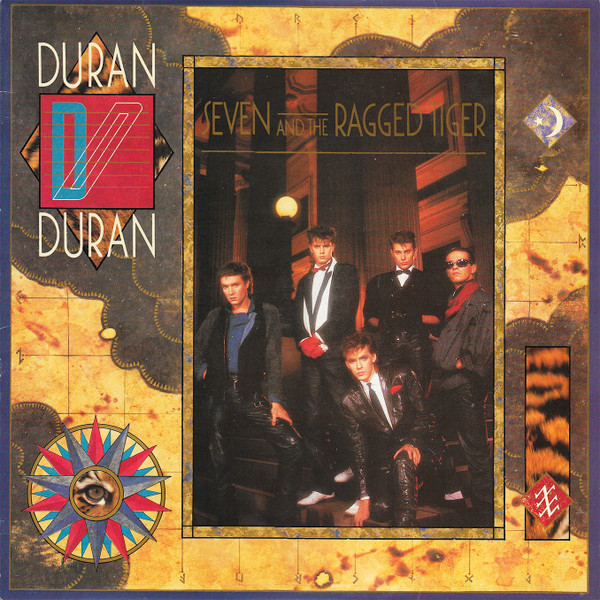
Seven And The Ragged Tiger
1983
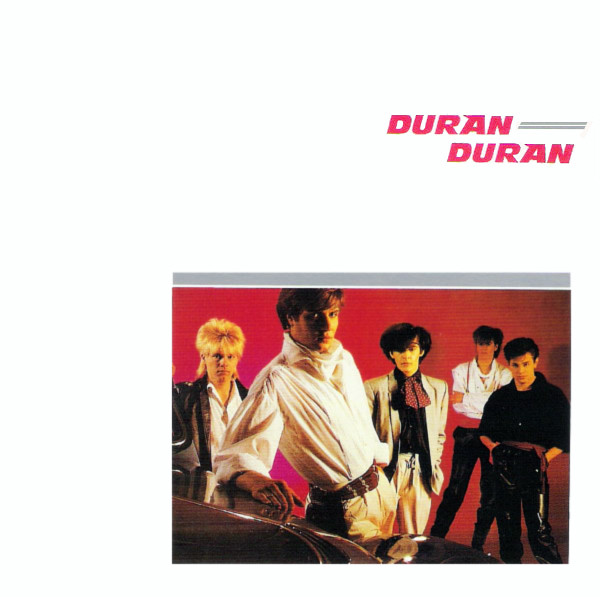
Duran Duran
1981

Arena
1984
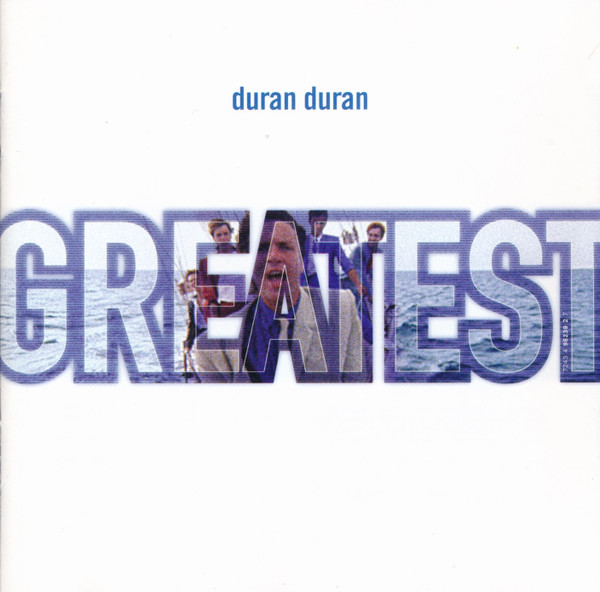
Greatest
1998
Duran Duran
1993
Notorious
1986
Decade
1989
Big Thing
1988

The Wild Boys
1984
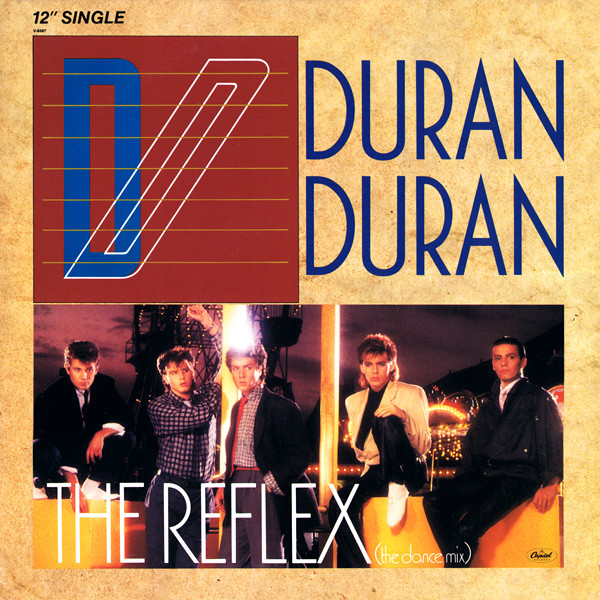
The Reflex
1984
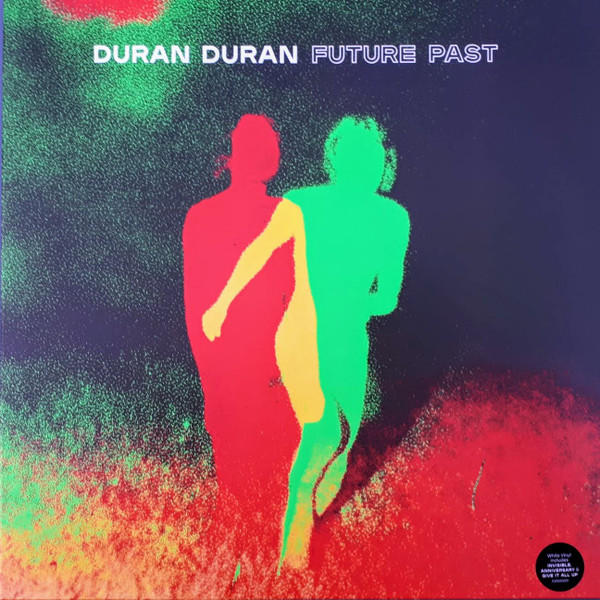
Future Past
2021
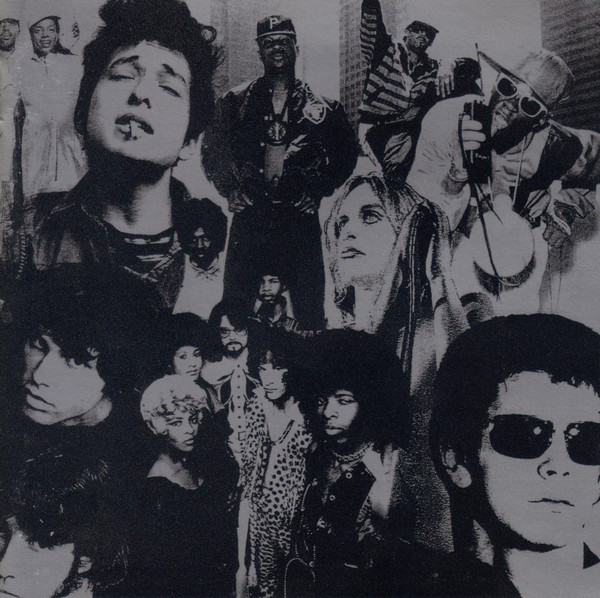
Thank You
1995
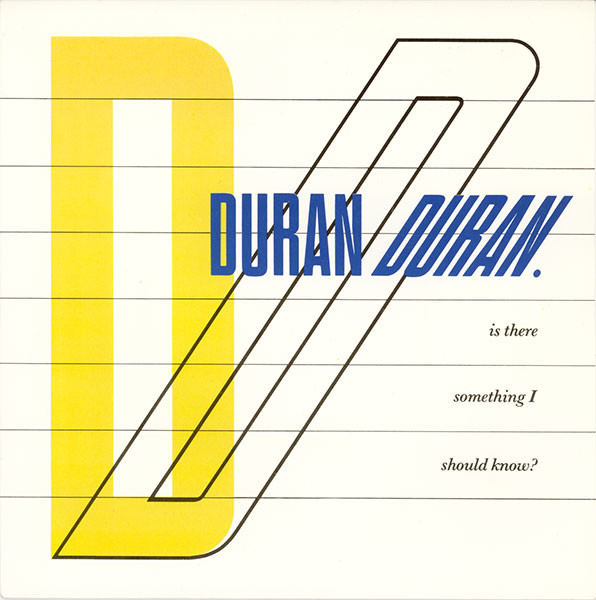
Is There Something I Should Know?
1983
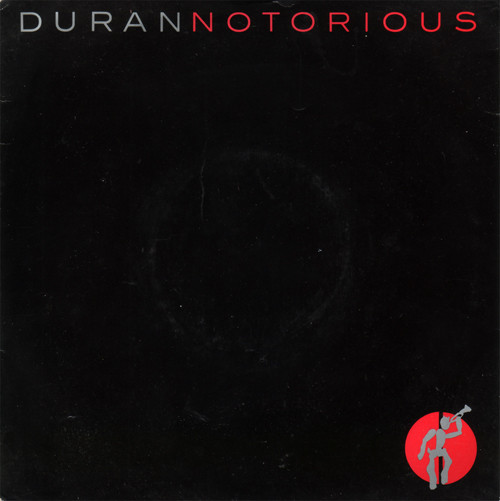
Notorious
1986

Union Of The Snake
1983

Hungry Like The Wolf
1982

All You Need Is Now
2010
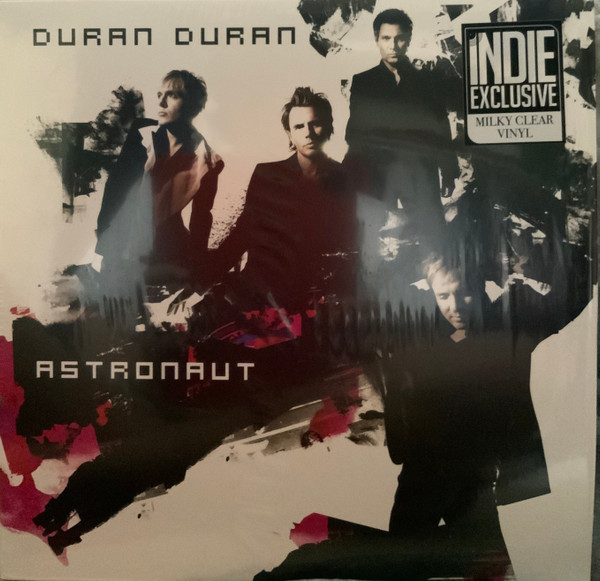
Astronaut
2004
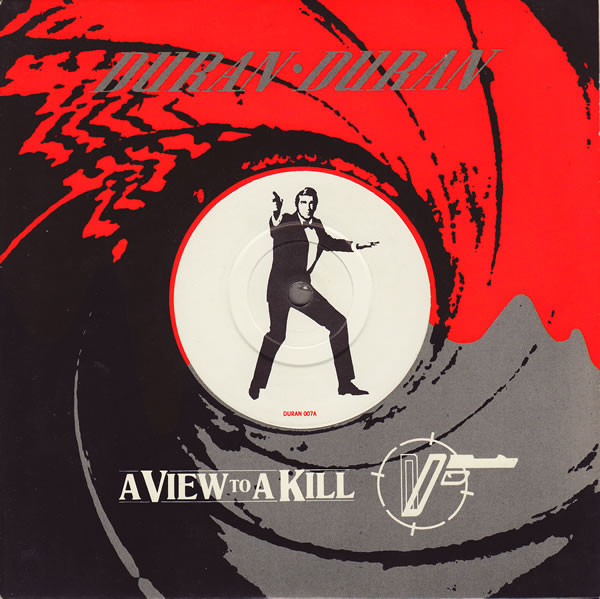
A View To A Kill
1985
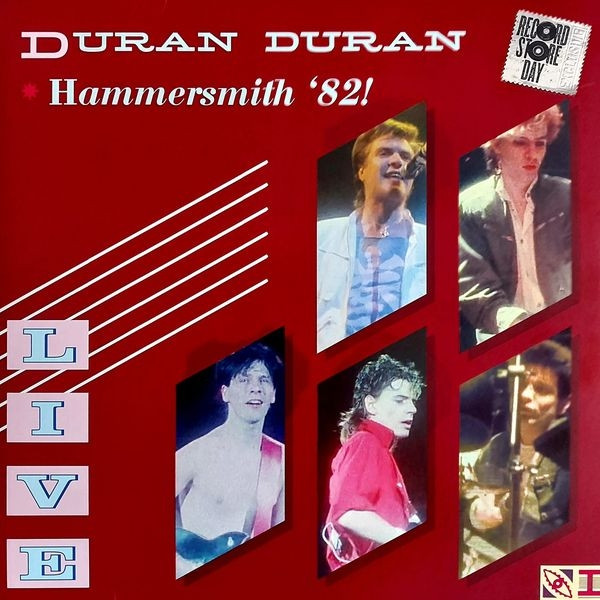
Hammersmith '82!
2009
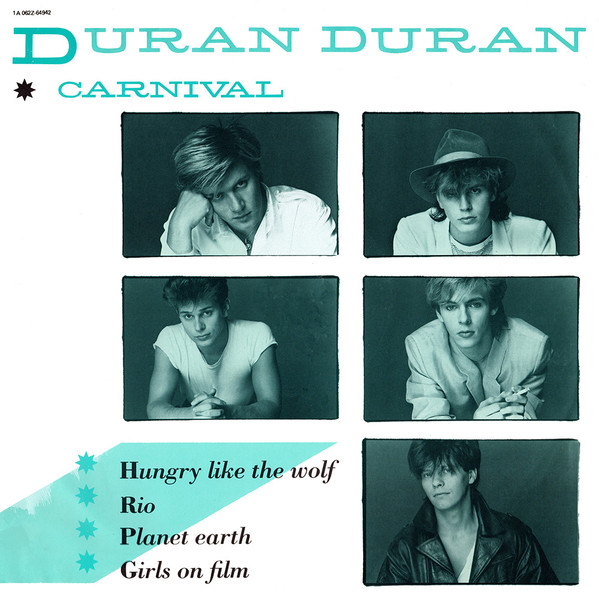
Carnival
1982
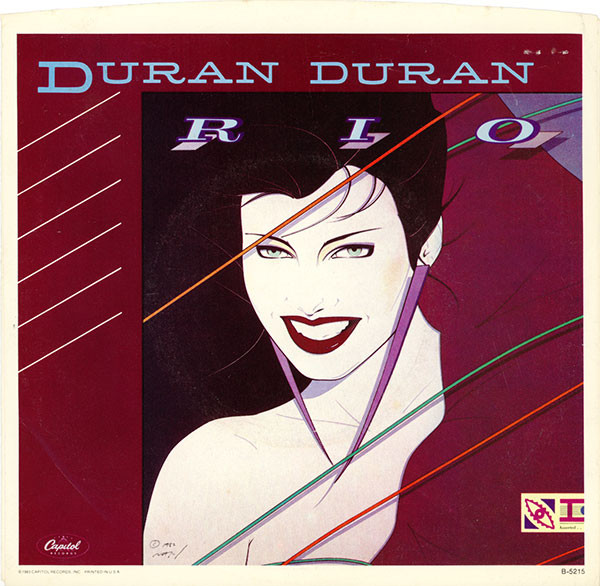
Rio
1982
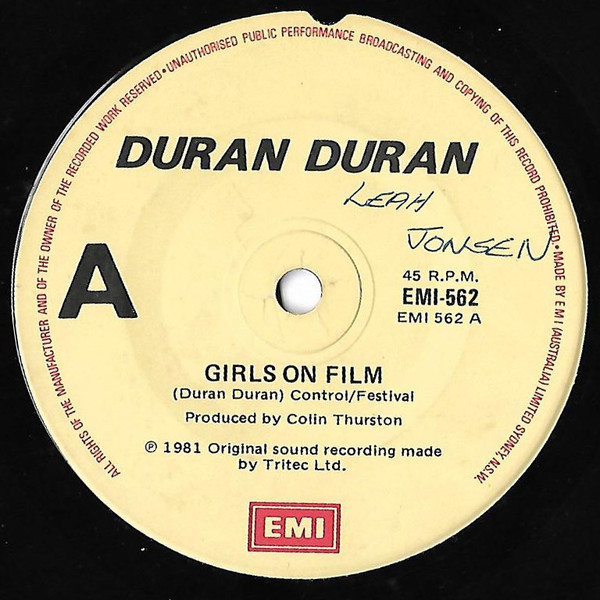
Girls On Film
1981
Related artists
Members
Frequent collaborators
Around the web
Follow every record they touch.
Start your shelf and Gatefold tracks Duran Duran's new pressings, tour dates, and the whole discography — automatically.
Start your shelf →Free forever. Works with 10 records or 10,000.