
Artist
Stevie Wonder
Saginaw, United States · b. 1950
Stevie Wonder is a musician from Saginaw, United States, active since 1950. Their discography on Gatefold includes 24 records. They also recorded with Dionne & Friends.

65
Albums tracked
1,143
In collections
1950
Since
Biography
Motown held a 21st birthday party for Stevie Wonder in 1971, and he celebrated by letting his contract expire and walking away with his own publishing. Berry Gordy was losing his mind, but Stevie had been hanging out at Electric Lady Studios with Malcolm Cecil and Robert Margouleff, two synth nerds who owned a massive semi-modular monster called TONTO. He didn't want the assembly-line Funk Brothers sound anymore; he wanted to play every damn instrument himself. He used a $13,000 signing bonus to fund the weirdest, most ambitious run of records in soul history, proving that one guy with a vision and a mountain of patch cables could outwork a whole studio system. By the late 80s, the edge was gone and he was drowning in the schmaltz of 'I Just Called to Say I Love You' and a lot of over-polished digital production that felt light-years away from the grit of his prime. It’s hard to reconcile the guy who wrote 'Village Ghetto Land' with the guy doing duets for movie soundtracks, but that’s the tax you pay for being a genius. You sit through the fluff because the '72 to '76 run is basically untouchable. He redefined what the synthesizer was for—moving it away from sci-fi sound effects and turning it into something that had actual soul and dirt under its fingernails.
Bio from The Clerk
The Arc of Stevie Wonder
The pivots — what forced Stevie Wonder to reinvent.
The Little Stevie Shackles
Motown treated him like a novelty act early on, forcing him into a Ray Charles mold with harmonica solos and frantic energy. He was churned through the label's hit machine under the thumb of producers like Clarence Paul, scoring hits but lacking any real agency over his output. You hear the strain of a kid trying to grow up faster than the suits would let him. It was a factory setting that nearly burned him out before he even hit his stride.
The TONTO Independence
Everything changed when he met Cecil and Margouleff and started obsessing over the TONTO synthesizer. He signed a new deal that gave him total creative control, then locked himself in the studio to layer Moog bass lines and Arp leads over his own drumming. This was the birth of 'Music of My Mind' and 'Talking Book,' where the production got dense, psychedelic, and deeply personal. He stopped writing for the radio and started writing for himself, which ironically made him the biggest thing on the planet.
The Perfectionist Peak
By 'Songs in the Key of Life,' he was so deep in the zone that he was tracking over 200 songs for a single project. The sessions were grueling marathons at Record Plant and Crystal Industries, with Stevie pushing players like Greg Phillinganes to their absolute limits. It resulted in a double album plus a bonus EP because he simply couldn't stop the flow of melodies. This era is the sound of a man who had completely mastered the studio as an instrument.
Influences
- Ray Charles — Stevie’s early stage name and style were a direct mirror of Brother Ray’s gospel-fused R&B. You hear it in the vocal grit and the frantic harmonica work on 'Fingertips (Pt. 2).' He essentially spent his teenage years trying to out-soul his idol.
- Sam Cooke — Stevie frequently cited Cooke as his primary vocal blueprint, particularly for the way he phrased melodies. The smooth, agile runs on a track like 'Golden Lady' owe everything to Cooke’s controlled pop-gospel delivery. It’s the source of his melodic elegance.
- The Staple Singers — The socially conscious folk-soul of Pops Staples and his daughters gave Stevie the permission to get political. He toured with them early on and absorbed how to mix heavy messages with infectious grooves. You can trace the DNA of 'Living for the City' straight back to the Staples' protest spirit.
- Jackie Wilson — Wilson’s showmanship and vocal range were the standard Stevie had to meet on the Motown revues. He covered 'Reet Petite' and 'Lonely Teardrops' in his early sets, learning how to command a room through sheer athletic vocal ability. That high-energy charisma never left his live show.
- Johann Sebastian Bach — Stevie spent hours studying Bach’s counterpoint, which fundamentally changed how he layered his synthesizer parts. The intricate, interlocking keyboard lines on 'Innervisions' are basically funk fugues. He took classical structure and buried it under a thick layer of Moog bass.
Stevie Wonder — solo
Their records — most-collected first.
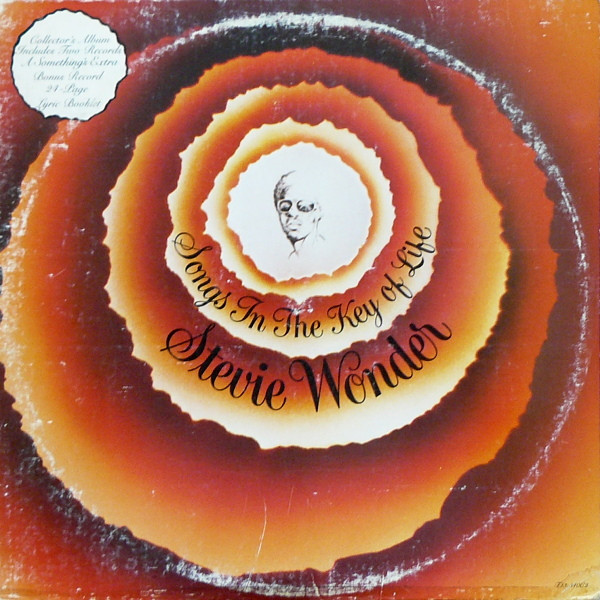
Songs In The Key Of Life
1976
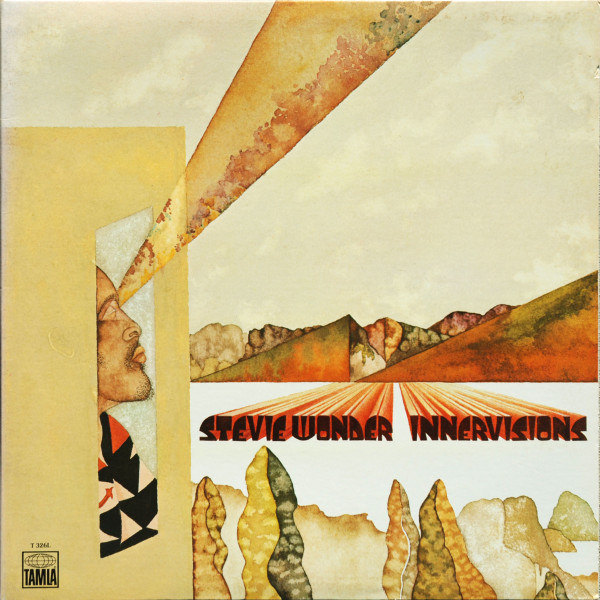
Innervisions
1973
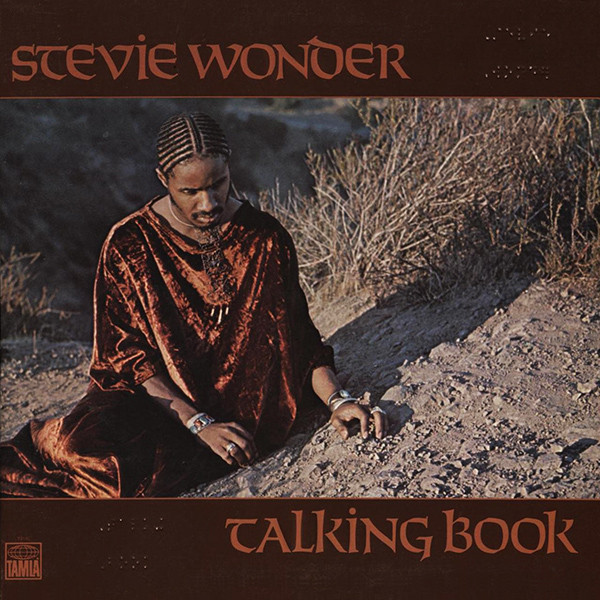
Talking Book
1972
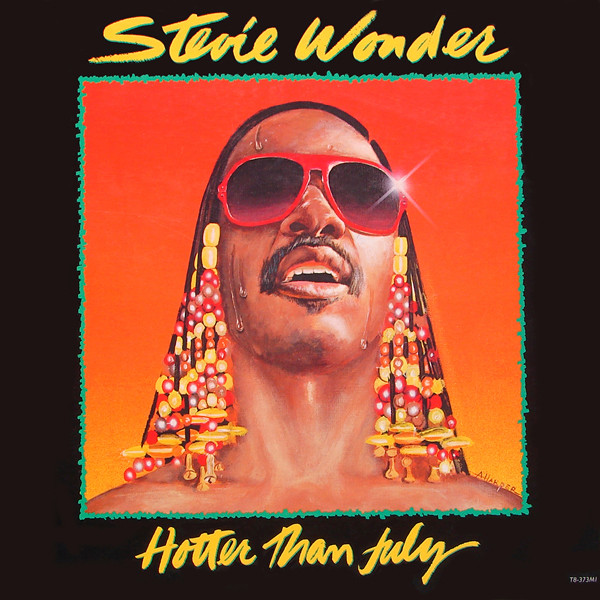
Hotter Than July
1980

Fulfillingness' First Finale
1974
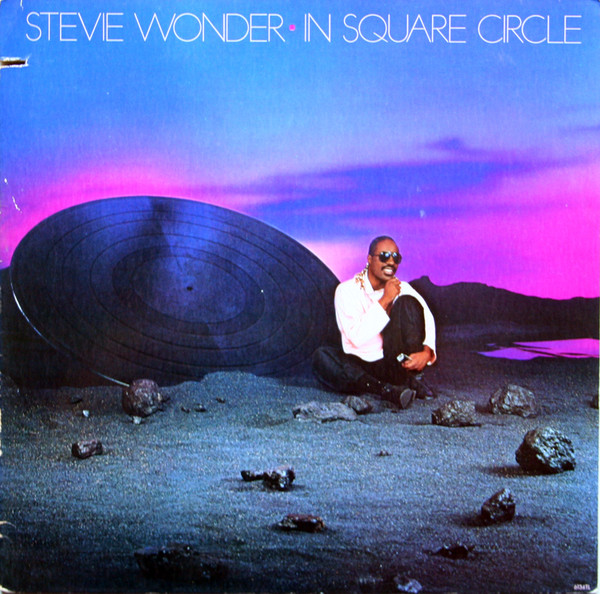
In Square Circle
1985

The Original Musiquarium I
1982
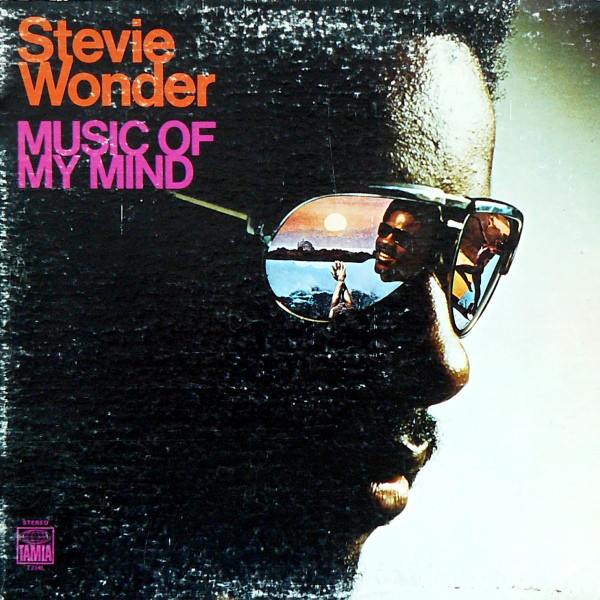
Music Of My Mind
1972
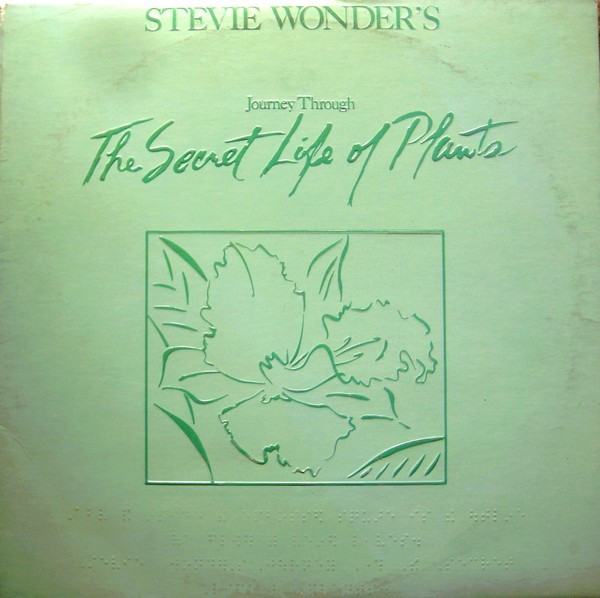
Stevie Wonder's Journey Through The Secret Life Of Plants
1979
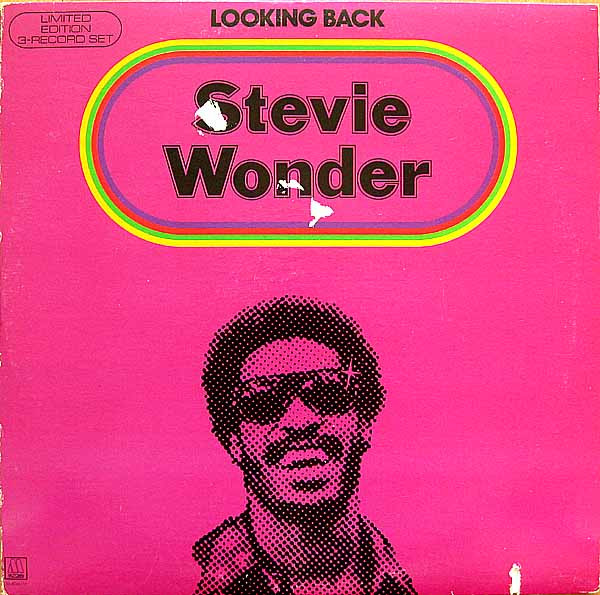
Looking Back
1977
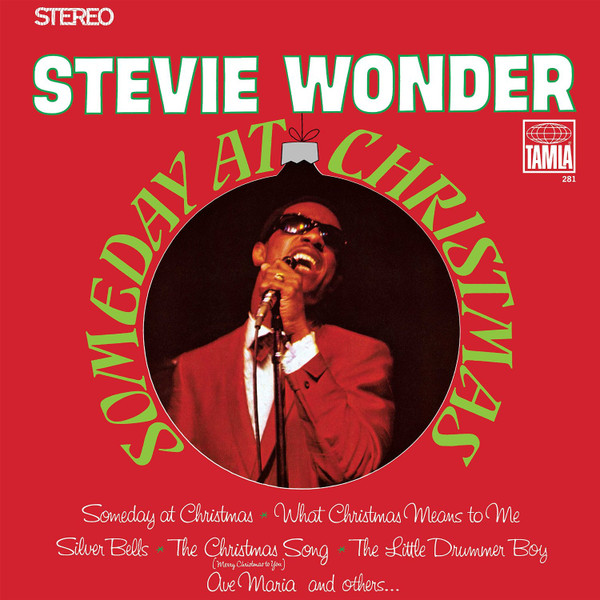
Someday At Christmas
1967
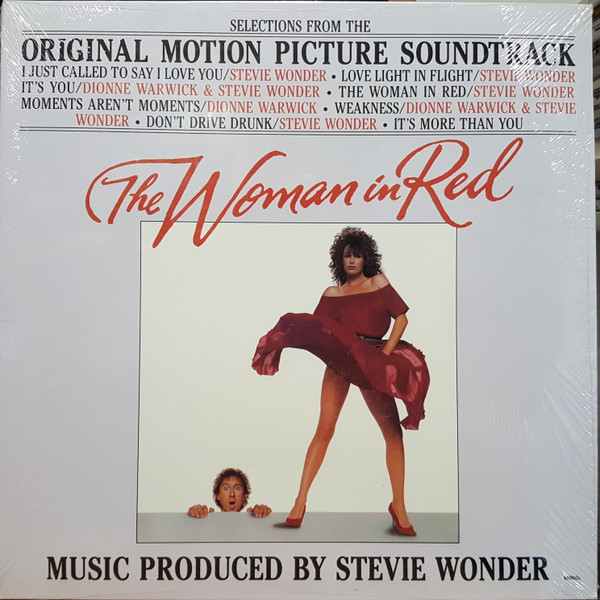
The Woman In Red (Selections From The Original Motion Picture Soundtrack)
1984
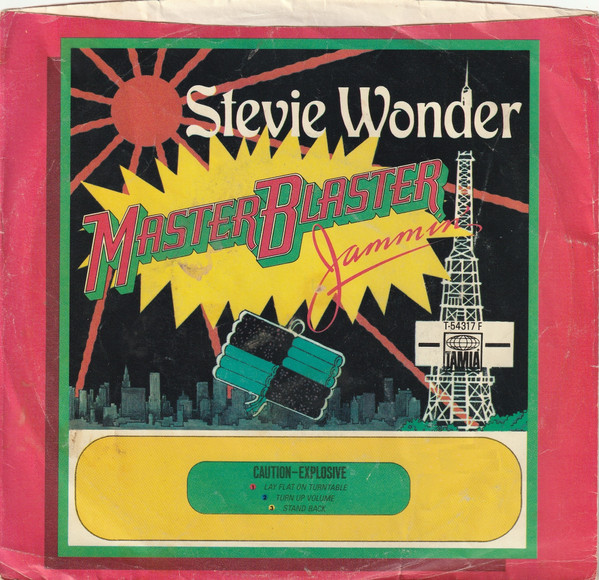
Master Blaster (Jammin')
1980
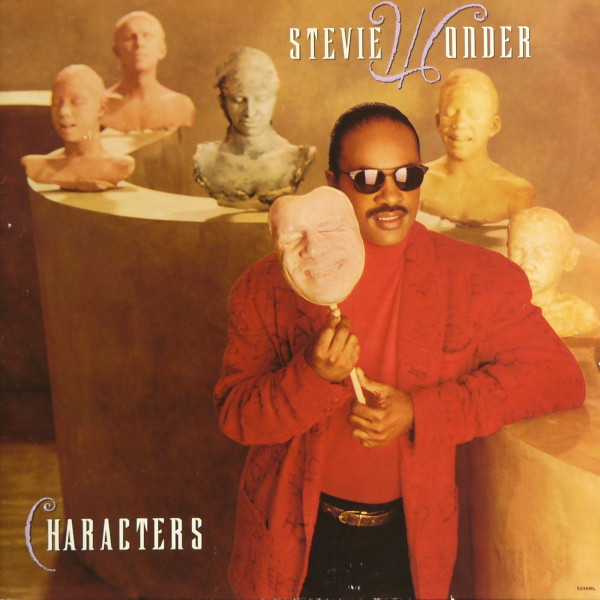
Characters
1987

I Just Called To Say I Love You
1984
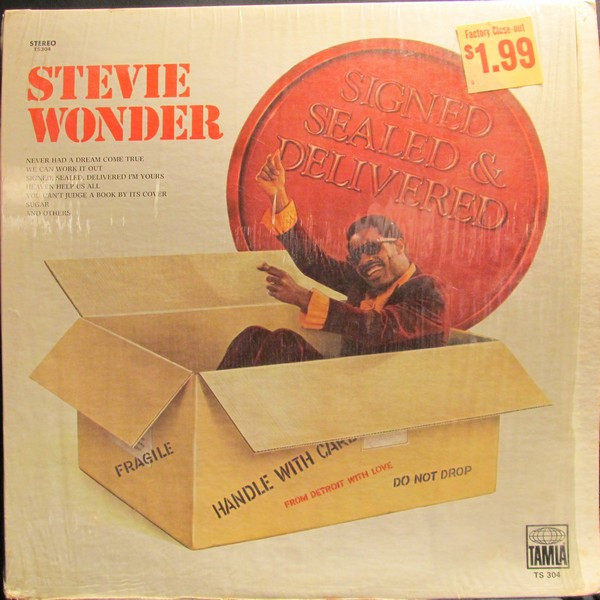
Signed Sealed & Delivered
1970
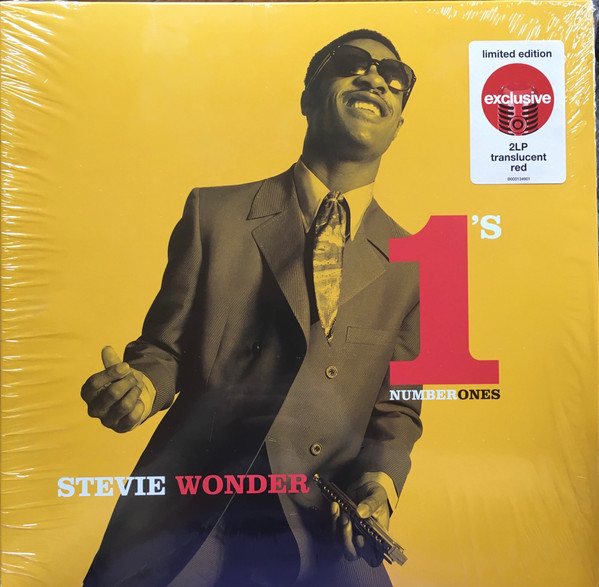
Number Ones
2007
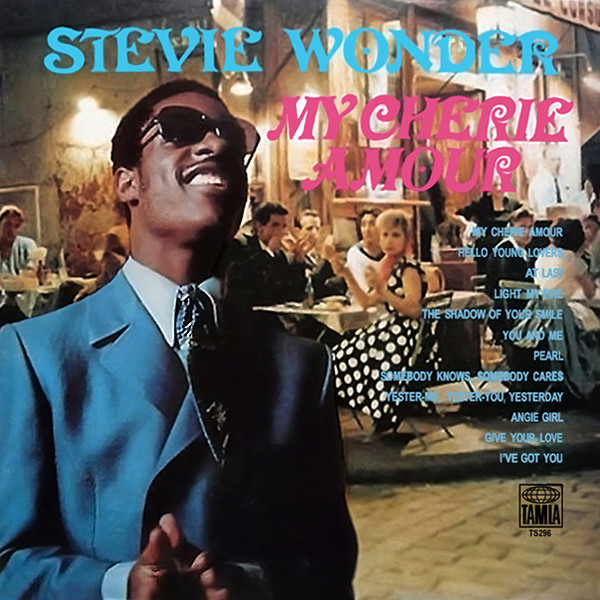
My Cherie Amour
1969

The Definitive Collection
2002

For Once In My Life
1968
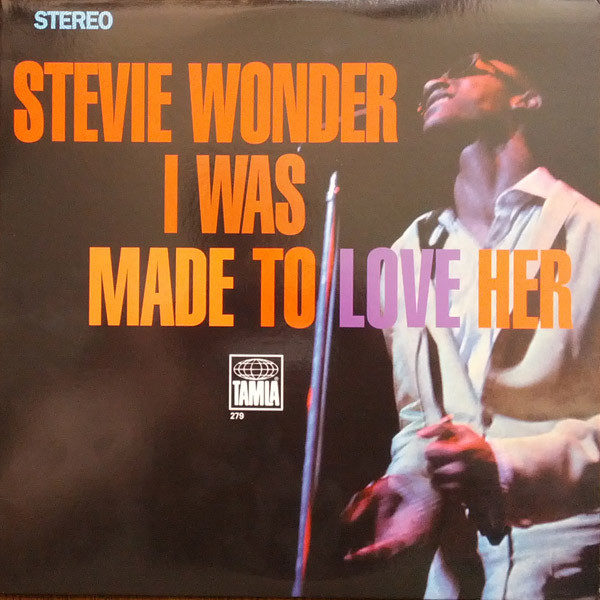
I Was Made To Love Her
1967

The Definitive Collection
2002
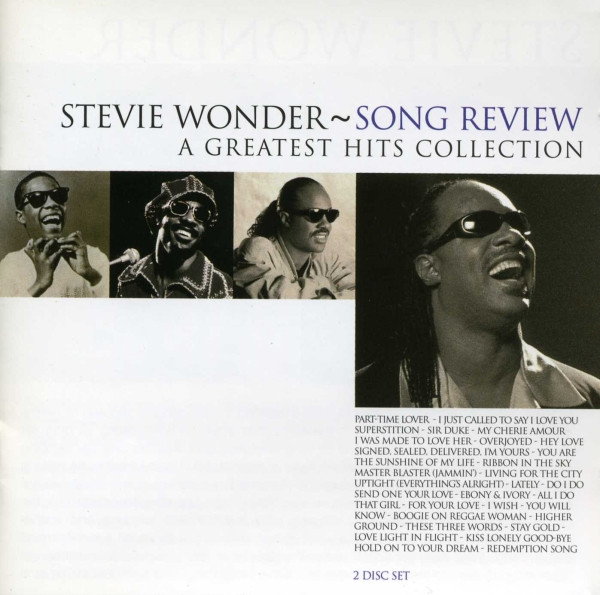
Song Review (A Greatest Hits Collection)
1996

Syreeta
1974
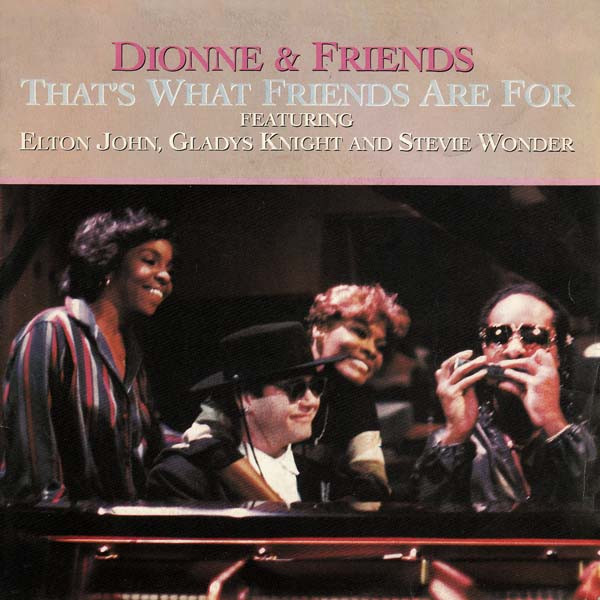
Dionne & Friends
A project Stevie Wonder was part of.
Related artists
Around the web
Follow every record they touch.
Start your shelf and Gatefold tracks Stevie Wonder's new pressings, tour dates, and the whole discography — automatically.
Start your shelf →Free forever. Works with 10 records or 10,000.