
Artist
Far Caspian
Leeds, United Kingdom · Formed 2018
Far Caspian is a music group from Leeds, United Kingdom, active since 2018. Their discography on Gatefold includes 5 records.

5
Albums tracked
12
In collections
2018
Since
Biography
Joel Johnston wasn’t looking for a band dynamic when he started tracking in his Leeds basement; he was looking for a way to manipulate a Tascam 388 and a bunch of dusty chorused-out guitars without having to explain himself to a drummer. Far Caspian started as a bedroom project that accidentally got big enough to require a touring lineup, but the DNA is pure solitary obsession. It’s that specific brand of mid-fi production where the hiss isn’t an aesthetic choice—it’s just the sound of a guy pushing a home studio setup to its absolute limit while trying to capture the feeling of living in a city that’s constantly raining. By the time he got to the later records, the 'lo-fi' tag became a bit of a lead weight around his neck. You can hear him trying to scrape it off with more aggressive layering and actual structural depth. He moved back to Ireland, set up his own space, and stopped pretending he was making pop music for the masses. It’s dense, occasionally claustrophobic, and carries the weight of someone who spent way too many hours staring at a DAW screen until the sun came up. He didn’t sell out; he just leaned further into the isolation.
Bio from The Clerk
The Arc of Far Caspian
The pivots — what forced Far Caspian to reinvent.
The Leeds Basement Tapes
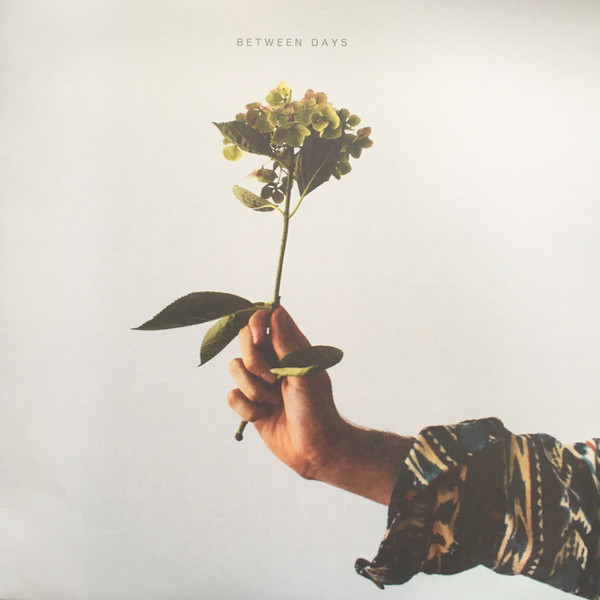
Between Days and The Heights were the product of Johnston figuring out how to make a small room sound like a cathedral of reverb. He was handling almost every instrument himself, leaning on the jangle of the 80s but burying it under layers of modern digital delay and thick vocal harmonies. This era defined the 'lo-fi' sound that got him millions of streams, characterized by a certain polite melancholia that felt perfect for headphone listening. It was the sound of a producer mastering the art of the bedroom pop formula before he got bored with it.
The Post-Dream Isolation
With Ways To Get Out, the production widened and the influences shifted toward the heavier textures of the 90s. He moved the operation back to a rural studio in Ireland, trading the tight Leeds bedroom sound for something that felt more like a physical space with real air moving around. The tracks got longer and the guitars got dirtier, moving away from simple hooks toward sprawling, atmospheric arrangements that felt like a slow-motion collapse. You hear a guy finally comfortable with making the listener work a little harder for the payoff.
Influences
- The Cure — Johnston has repeatedly cited Robert Smith’s guitar work as the primary blueprint for his own use of chorus and flanger pedals. You hear it in the interlocking melodic lines on 'Blue' that mirror the Disintegration-era layering. It’s that specific 'sad but danceable' frequency they own.
- Cocteau Twins — The heavy reliance on wash and the way vocals are treated as just another instrument in the mix comes straight from Robin Guthrie's production style. On tracks like 'Astoria,' the guitar isn't just a lead—it's a shimmering wall of noise that obscures the rhythm section. It’s the sound of texture over lyricism.
- Broken Social Scene — Johnston pointed to the Canadian collective's ability to make chaotic, multi-instrumental arrangements feel cohesive as a major influence on his later, denser work. The sprawling nature of 'Ways To Get Out' mimics that 'You Forgot It in People' philosophy of stacking parts until they nearly break. He took their maximalist approach and applied it to his solo tracking sessions.
- The Radio Dept. — The Swedish group’s blend of harsh noise and sweet pop melodies is the literal foundation of the Far Caspian sound. He’s mentioned their lo-fi ethos as the reason he felt comfortable keeping the tape hiss in his early demos. It gave him the license to be messy while staying melodic.
- Elliott Smith — The double-tracked vocal style Johnston uses across his entire discography is a direct nod to Smith's signature studio technique. It provides that intimate, whispered quality that makes the songs feel like they're being told to you in confidence. It’s the only way he knows how to make a large-scale production feel small again.
Discography
Their records — most-collected first.


Related artists
Members
Around the web
Follow every record they touch.
Start your shelf and Gatefold tracks Far Caspian's new pressings, tour dates, and the whole discography — automatically.
Start your shelf →Free forever. Works with 10 records or 10,000.