
Artist
George Harrison
The Beatles
12 Arnold Grove, United Kingdom • 1943 – 2001
George Harrison is a musician from 12 Arnold Grove, United Kingdom, active 1943–2001. Their discography on Gatefold includes 24 records.

24
Albums tracked
545
In collections
1943
Since
Biography
George Harrison MBE (25 February 1943 – 29 November 2001) born in Liverpool, UK, was an English musician, singer-songwriter and film producer who achieved international fame as lead guitarist in The Beatles, along with mainstream success as a solo artist. Initially writing few songs, by 1965 Harrison was allowed two songs per album and begun to lead the Beatles’ sound into folk rock and Indian classical music because of his use of the sitar and tambura.
The Arc of George Harrison
The pivots — what forced George Harrison to reinvent.
The Triple-Gatefold Dam Break
Trapped behind the Lennon-McCartney machine for a decade, Harrison walked into Abbey Road with Phil Spector, Eric Clapton, and a Rolodex of Apple Records session heavies to dump his back catalog. *All Things Must Pass* wasn't just a solo debut; it was an eviction notice to his former bandmates. The cavernous reverb, massive acoustic layers, and crying slide guitar became his definitive signature instantly. It proved who was holding the best tunes during the *Get Back* sessions.
The Hoarse Voice and Burnout Tapes
A grueling solo tour in 1974 wrecked his vocal cords right as *Dark Horse* and *Extra Texture* hit the shelves. The press tore him apart, his marriage to Pattie Boyd disintegrated, and the studio takes sounded exhausted rather than spiritual. He set up Dark Horse Records to gain independence, but the music lost its bite under slick mid-tempo soul balladry. It was the sound of a man completely fed up with the music business.
The Jeff Lynne Renaissance
After five years of gardening, racing Formula One cars, and refusing to tour, Harrison teamed up with ELO frontman Jeff Lynne for 1987's *Cloud Nine*. Lynne brought punchy digital drums, sparkling 12-string hooks, and a polished production sheen that put George back at the top of the charts with 'Got My Mind Set on You.' That sonic chemistry led directly to the Traveling Wilburys with Dylan, Petty, and Roy Orbison. He stopped fighting the pop machine and finally figured out how to bend modern studio gloss to his own style.
Influences
- Chet Atkins — Harrison learned guitar by obsessively copying Atkins' intricate fingerpicking and Travis-picking routines note-for-note. You hear the thumb-bass-and-treble snap all over early Beatles cuts like 'All My Loving' and 'Till There Was You.' It gave him a rhythmic discipline that completely set him apart from the blues-box players of the British Invasion.
- Ravi Shankar — Harrison took formal sitar lessons from Shankar in London and India starting in 1966, fundamentally altering his melodic concepts. That tutelage dragged Indian classical modal structures and microtonal phrasing directly into Western rock on tracks like 'Within You Without You' and 'Love You To.' It wasn't tourist ornamentation; Shankar reworked Harrison's entire approach to pitch and sustain.
- Chuck Berry — Harrison openly credited Berry's double-stop rhythm hooks as the raw engine behind his earliest guitar solos. Tracks like 'Roll Over Beethoven' and the fills on 'Taxman' are straight-up Berry riffs hot-wired through a Vox AC30. He treated Berry's catalog like the definitive text on how to make a six-string push a rhythm section forward.
- Carl Perkins — Harrison was so obsessed with Perkins' rockabilly attack that he briefly went by the stage name 'Carl Harrison' during the Silver Beetles' 1960 tour of Scotland. The stinging rockabilly licks and slap-back swing in 'Everybody's Trying to Be My Baby' and 'Matchbox' are Perkins through and through. That Gretsch Chet Atkins sound became Harrison's primary voice for the first three years of the Beatles' recording career.
- Duane Eddy — Eddy's booming, low-register twang and heavy Bigsby vibrato showed Harrison how a guitar riff could function as the entire hook of a song. You can hear that low-string rumble directly in Harrison's lead work on 'I Need You' and across his mid-sixties riffs. He carried that affection for clean, deep vibrato all the way through his later work with the Wilburys.
Discography
Their records — most-collected first.
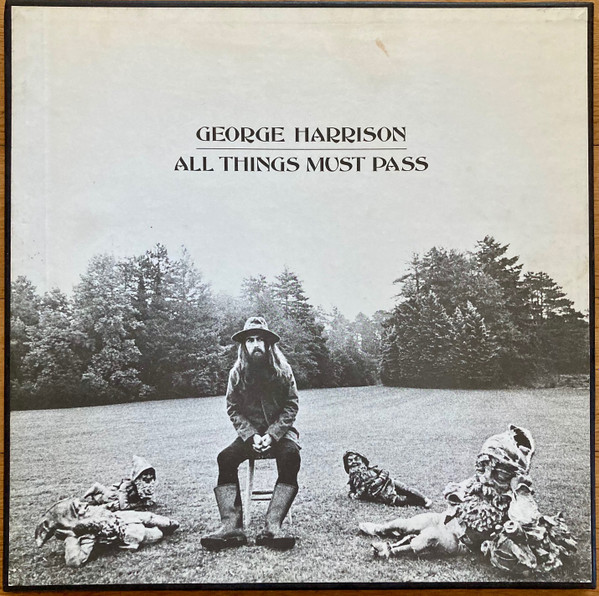
All Things Must Pass
1970

Cloud Nine
1987
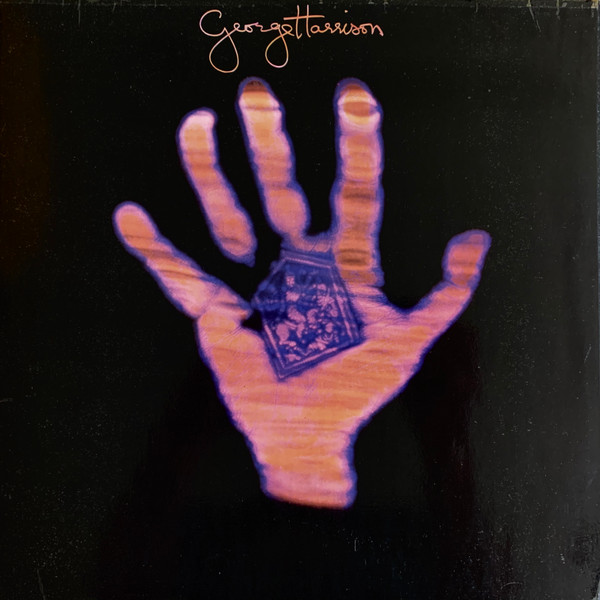
Living In The Material World
1973
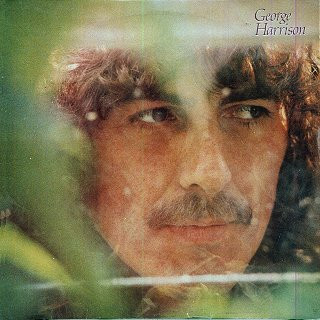
George Harrison
1979
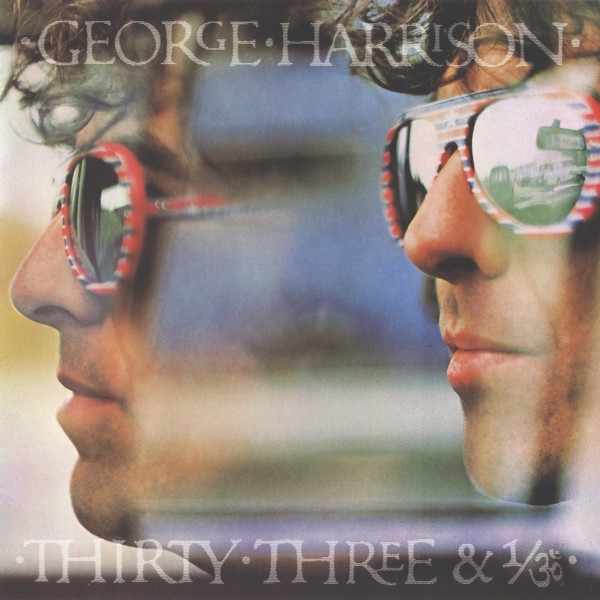
Thirty Three & 1/3
1976
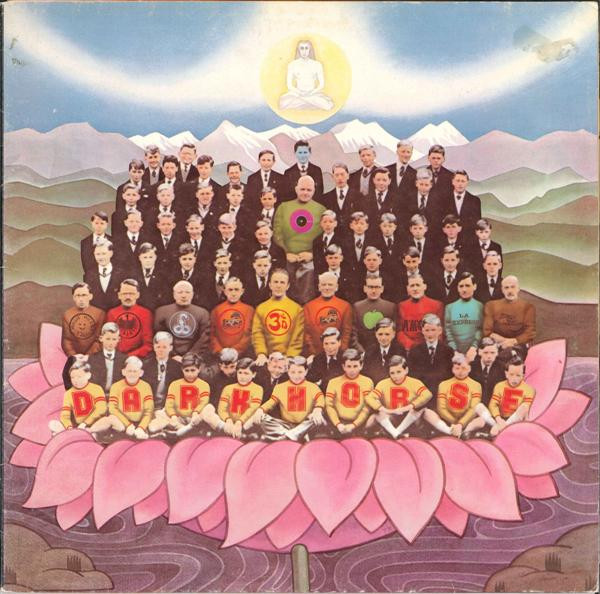
Dark Horse
1974
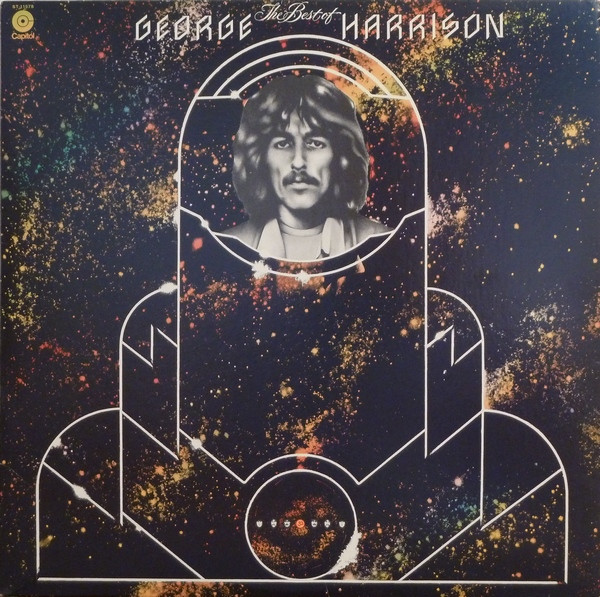
The Best Of George Harrison
1976
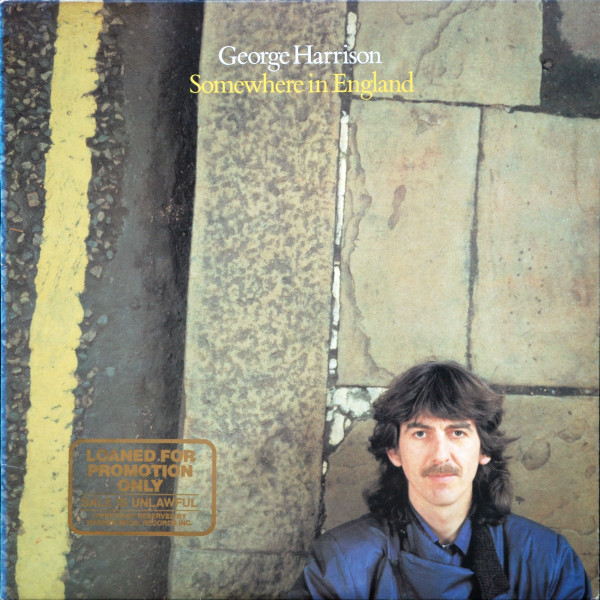
Somewhere In England
1981
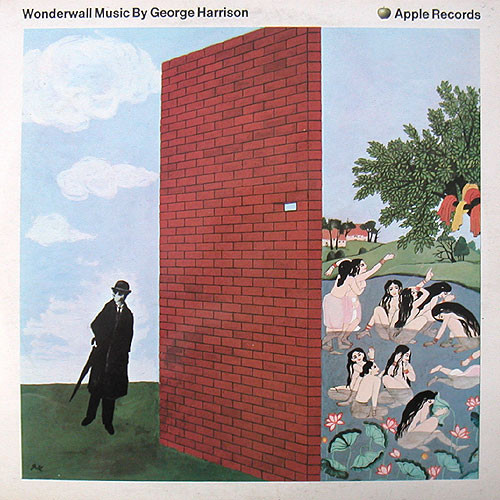
Wonderwall Music
1968
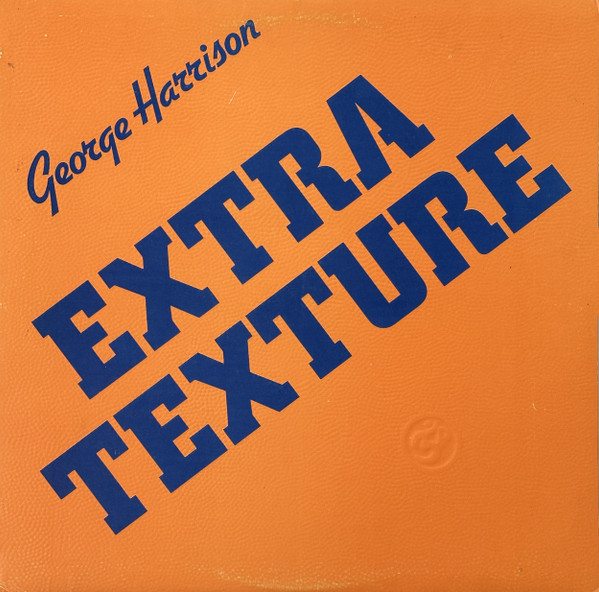
Extra Texture (Read All About It)
1975

My Sweet Lord / Isn't It A Pity
1970

Brainwashed
2002

Early Takes Volume 1
2012

Let It Roll: Songs By George Harrison
2009

Gone Troppo
1982
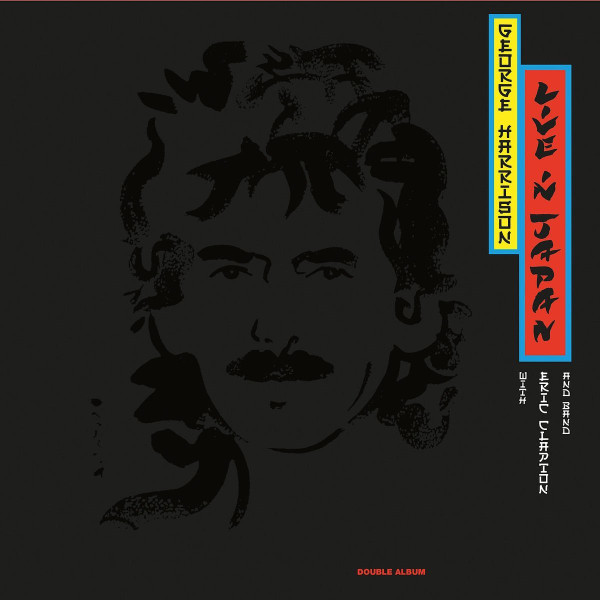
Live In Japan With Eric Clapton And Band
1992
Best Of Dark Horse 1976-1989
1989

Got My Mind Set On You
1987
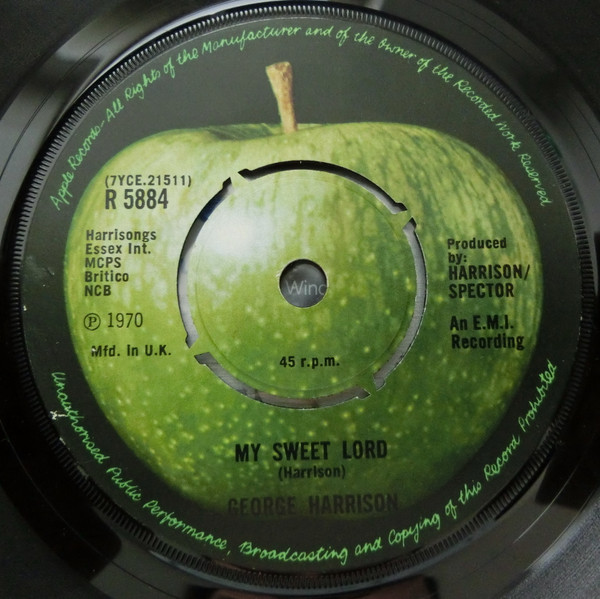
My Sweet Lord
1971
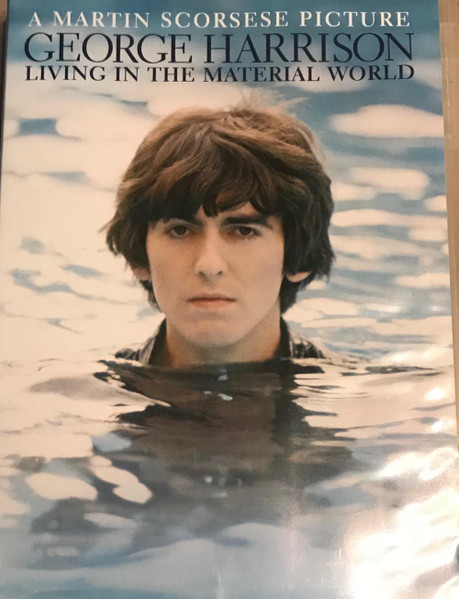
Living In The Material World
2011
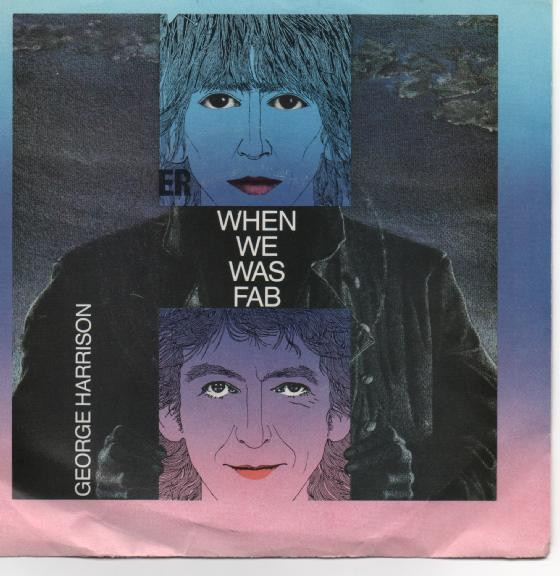
When We Was Fab
1988
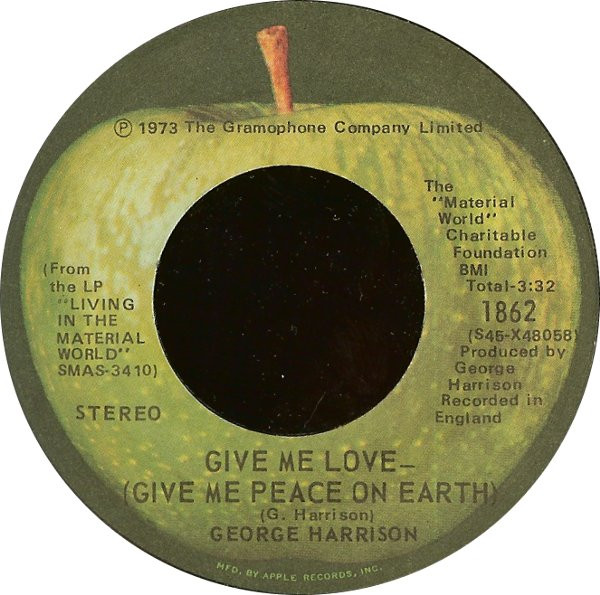
Give Me Love (Give Me Peace On Earth)
1973

Bangla-Desh
1971
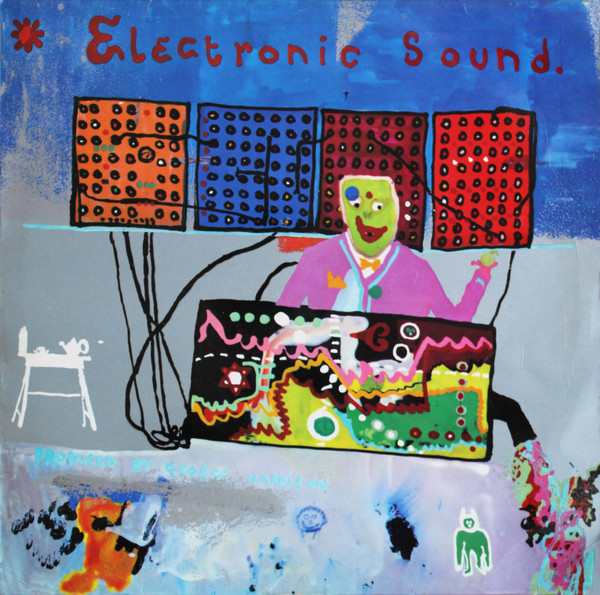
Electronic Sound
1969
Related artists
Bands & projects
Around the web
Follow every record they touch.
Start your shelf and Gatefold tracks George Harrison's new pressings, tour dates, and the whole discography — automatically.
Start your shelf →Free forever. Works with 10 records or 10,000.