Artist
Groovie Mann
United States
Groovie Mann is a musician from United States. They also recorded with My Life With the Thrill Kill Kult.
16
Albums tracked
39
In collections
—
Since
Biography
Frank Nardiello did not start out trying to make serious art. He and Buzz McCoy grabbed some cheap synthesizers, an old reel-to-reel tape recorder, and a bunch of B-movie horror samples to write a soundtrack for a film that never actually existed. That fake movie became My Life With the Thrill Kill Kult. By the time they signed to Wax Trax! Records in Chicago, Nardiello was Groovie Mann, a sleazy, leather-clad ringmaster spitting out street-hustler poetry over hard industrial dance beats. He understood that industrial music did not have to be miserable, metallic clanging all the time. He dragged the genre kicking and screaming onto the dancefloor by mixing sleazy disco grooves, horn sections, and trashy psychedelic rock with heavy electronic drums. The underground purists hated it. The club kids went absolutely feral for it.
The Arc of Groovie Mann
The pivots — what forced Groovie Mann to reinvent.
The Wax Trax! Industrial Nightmare
Between 1987 and 1989, Groovie Mann and Buzz McCoy built their sound in the gritty Chicago industrial scene around the Wax Trax! label. Armed with cheap samplers and distorted drum machines, they created a dark, paranoid style of dance music defined by religious blasphemy and horror movie dialogue. You hear this era raw on the self-titled EP and I See Good Spirits and I See Bad Spirits, where the production is tinny, aggressive, and deeply claustrophobic. It was evil disco for basement clubs, before they figured out how to write actual pop hooks.
The Sleazy Disco Peak
By 1990, the band pivoted hard away from harsh industrial noise toward a heavily-produced, big-budget fusion of funk, disco, and psychedelic rock. Bringing in backing vocalists like the Bomb Gang Girlz, Groovie Mann traded the grim synthesizer distortion for horn sections and live basslines. This shift culminated in Confessions of a Knife and Sexplosion!, major-label-backed records that sounded like a fever dream of a 1970s exploitation film soundtrack. The music became slicker, louder, and infinitely more danceable, cementing their transition from industrial outcasts to alternative club royalty.
The Hollywood Alt-Metal Lull
A move to Interscope Records in the mid-1990s dragged the band into the post-grunge alternative metal boom, resulting in a heavier, guitar-driven sound that did not quite fit Nardiello's campy style. Records like Hit & Run Holiday swapped out the sleazy disco synthesizers for loud, distorted surf-rock guitars in an attempt to court modern rock radio. The production was clean and aggressive, but it lacked the bizarre, sample-heavy atmosphere of their earlier Chicago days. It was a weird, confusing transitional phase where the band was trying to survive the shifting major-label landscape of the decade.
Influences
- T. Rex — Nardiello has repeatedly cited Marc Bolan as his ultimate vocal blueprint. You can hear this influence in Groovie Mann's half-whispered, campy glam-rock delivery on tracks like 'Sex on Wheelz.' He took Bolan's boogie-rock swagger and dragged it into the electronic underground.
- Alice Cooper — The theatrical shock-rock of the original Alice Cooper band laid the groundwork for Thrill Kill Kult's entire visual and lyrical concept. Nardiello pulled directly from Cooper's campy horror aesthetic, using simulated violence, religious imagery, and dark humor to subvert mainstream sensibilities. It is the same theatrical circus, just backed by a drum machine instead of a guitar army.
- Cabaret Voltaire — Before the dance beats got big, Nardiello was obsessed with the early, abrasive Sheffield electronic scene. You hear this in the heavy use of found-sound vocal samples and tape manipulation on early Thrill Kill Kult tracks like 'Christian Zombie Vampires.' They took the cut-up technique of Cabaret Voltaire and made it filthy.
- Donna Summer — Nardiello and Buzz McCoy were obsessed with Giorgio Moroder's synthetic disco production for Donna Summer. The relentless, hypnotic electronic pulse of 'I Feel Love' is the direct rhythmic foundation for Thrill Kill Kult's biggest club hits. They took the pristine ecstasy of Euro-disco and dipped it in toxic waste.
- The Cramps — The Cramps pioneered the trashy, B-movie psychobilly aesthetic that Nardiello adopted as his primary lyrical playground. You hear this influence in the sleazy, tongue-in-cheek obsession with hot rods, devil worship, and cheap exploitation cinema that runs through the entire Thrill Kill Kult catalog. Lux Interior's wild, unhinged frontman persona was a massive inspiration for Groovie Mann's own live performance style.
My Life With the Thrill Kill Kult
A project Groovie Mann was part of.

Confessions Of A Knife...
1990
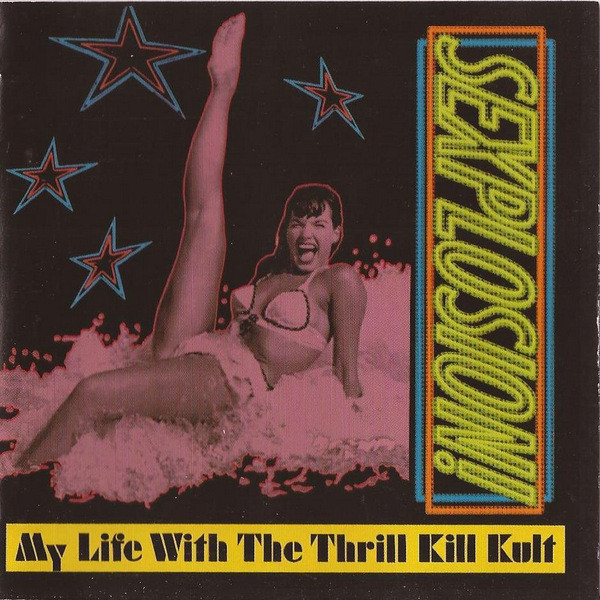
Sexplosion!
1991
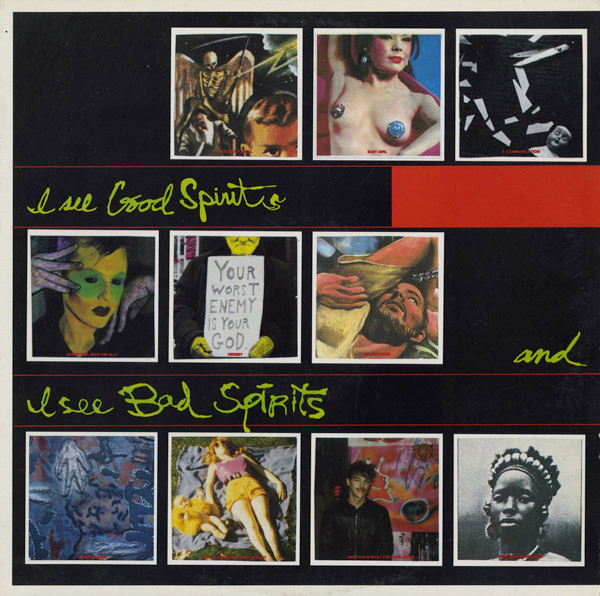
I See Good Spirits And I See Bad Spirits
1988

A Crime For All Seasons
1997

Kooler Than Jesus
1989

My Life With The Thrill Kill Kult
2004

The Reincarnation Of Luna
2001

13 Above The Night
1993

The Be(a)st Of TKK
2004

Sinister Whisperz IV: The Bedroom Tapes 1987-1988
2023

In The House Of Strange Affairs
2019

Spooky Tricks
2014

Death Threat
2009
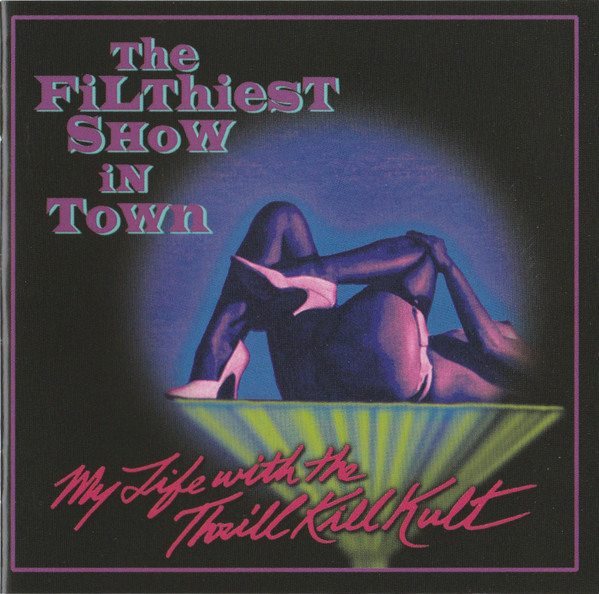
The Filthiest Show In Town
2007

Gay, Black And Married
2005

Diamonds & Daggerz
2004
Around the web
Follow every record they touch.
Start your shelf and Gatefold tracks Groovie Mann's new pressings, tour dates, and the whole discography — automatically.
Start your shelf →Free forever. Works with 10 records or 10,000.