Artist
Sparks
Los Angeles, United States
Sparks is a music group from Los Angeles, United States. Their discography on Gatefold includes 24 records.

53
Albums tracked
270
In collections
—
Since
Biography
Todd Rundgren saw them performing in Los Angeles when they were still named Halfnelson and immediately dragged them into a studio to produce their 1971 debut. Ron and Russell Mael didn't belong in the California singer-songwriter scene. They were cynical, obsessively European art-school weirdos writing hyper-literate opera-pop over distorted guitars, fronted by a manic falsetto singer and a deadpan keyboard player sporting a Chaplin mustache. When America predictably ignored them, they fired the band, moved to London, hired English glam-rock session players, and cut Kimono My House in 1974. That pivot turned them into overnight UK chart terrors. Then they got bored of rock bands altogether. In 1979, they hooked up with Giorgio Moroder in Munich, tossed the guitars into the trash, and built No. 1 in Heaven entirely around modular synthesizers and sequencer pulses, practically mapping out eighties synth-pop before anyone else had the keys. The mid-to-late eighties were rough—they got lost in glossy synth-rock radio concessions and European TV filler—but they refused to die. In 2002, completely independent and ignored by majors, they dropped Lil' Beethoven, stripping away drum kits and guitars in favor of repetitive orchestral loops and choral arrangements. Half a century in, they're still outlasting every scene that tried to claim them.
Bio from The Clerk
The Arc of Sparks
The pivots — what forced Sparks to reinvent.
The UK Glam Exile
After two records as an ignored Los Angeles oddity, the Mael brothers relocated to London in late 1973 and rebuilt the band from scratch with British musicians including bassist Martin Gordon and guitarist Adrian Fisher. Working with producer Muff Winwood at Island Records, they released Kimono My House and Propaganda in 1974. The sound was ferocious, theatrical power-pop with operatic vocal acrobatics crashing into heavy glam riffs. It gave them massive European hits like 'This Town Ain't Big Enough for Both of Us' while the American rock press had no idea what to do with them.
The Moroder Electronic Rebirth
By 1978, exhausted by traditional guitar-bass-drums arrangements, Sparks walked away from rock instrumentation entirely and contacted Giorgio Moroder in Munich. Moroder and engineer Harold Faltermeyer replaced the rhythm section with sequenced synthesizers and programmed pulses on 1979's No. 1 in Heaven. The result was a clinical, hyper-melodic electronic record that laid the groundwork for Pet Shop Boys, New Order, and eighties electro-pop. Tracks like 'The Number One Song in Heaven' and 'Beat the Clock' proved the band could completely mutate without losing their satirical edge.
The Classical Loop Reinvention
After a nineties dance-pop resurgence on Gratuitous Sax & Senseless Violins followed by another commercial dead end, the brothers holed up in their home studio and abandoned conventional pop verse-chorus formulas entirely. The result was 2002's Lil' Beethoven, an album built on aggressive digital sampling, repetitive strings, and multi-tracked vocal polyphony instead of live percussion and electric guitars. That chamber-pop architecture carried directly into Hello Young Lovers and their 2009 radio opera The Seduction of Ingmar Bergman. It rescued them from the nostalgia circuit and turned them into avant-garde orchestral provocateurs.
Influences
- The Beatles — The Mael brothers obsessed over the British Invasion as teenagers in California, citing the 1964 Hollywood Bowl shows as the catalyst for making music. You hear it in their tight melodic hooks, vocal harmonies, and the baroque pop arrangements all across their 1971 debut Halfnelson. It was the blueprint for how they combined pop smarts with absolute weirdness.
- The Who — Pete Townshend's aggressive chord-smashing and concept-driven songwriting were constant reference points for Ron Mael's early keyboard compositions. The manic drive and propulsive dynamic swings on 'Amateur Hour' and 'Hasta Mañana, Monsieur' directly mirror the theatrical rock aggression of Tommy-era Who. Russell Mael's live vocal acrobatics openly channeled Roger Daltrey's stage swagger filtered through pure absurdity.
- The Move — Roy Wood's heavy, eccentric, multi-instrumental pop band was heavily tracked by the brothers before forming Halfnelson. You hear that dense, slightly twisted British chamber-metal energy all over 1974's Propaganda and 'Something for the Girl with Everything.' It proved to Sparks that off-kilter classical arrangements and crunching rock riffs belonged in the same song.
- The Beach Boys — Growing up in southern California, the Maels absorbed Brian Wilson's dense, stacked vocal harmonies and unconventional studio arrangements. You can spot the DNA in Russell Mael's soaring falsetto stacks and the intricate vocal layering on tracks like 'Propaganda' and 'Never Turn Your Back on Mother Earth.' It gave their aggressive art-pop an unmistakable sheen of West Coast harmony.
- The Kinks — Ray Davies's sharp, satirical character studies and deeply British wit were direct models for Ron Mael's lyrical cynicism. The biting, deadpan social commentary across tracks like 'Equator' and 'Here in Heaven' shares the exact sardonic DNA of mid-sixties Kinks singles like 'A Well Respected Man.' They took Davies's everyday humor and twisted it into surrealist slapstick.
Discography
Their records — most-collected first.
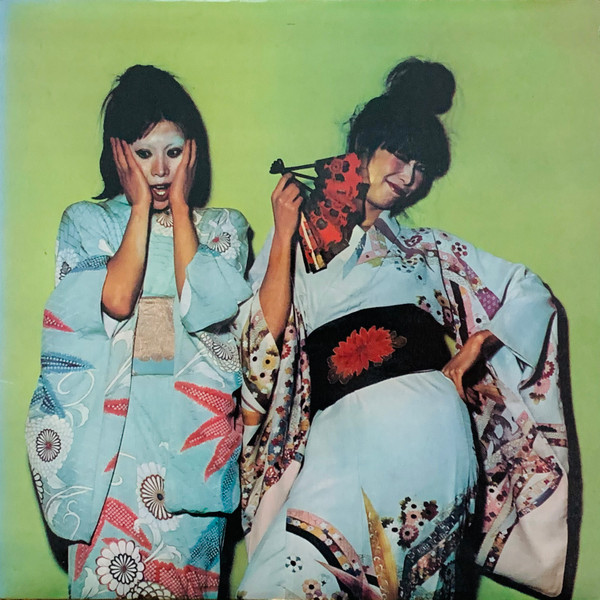
Kimono My House
1974
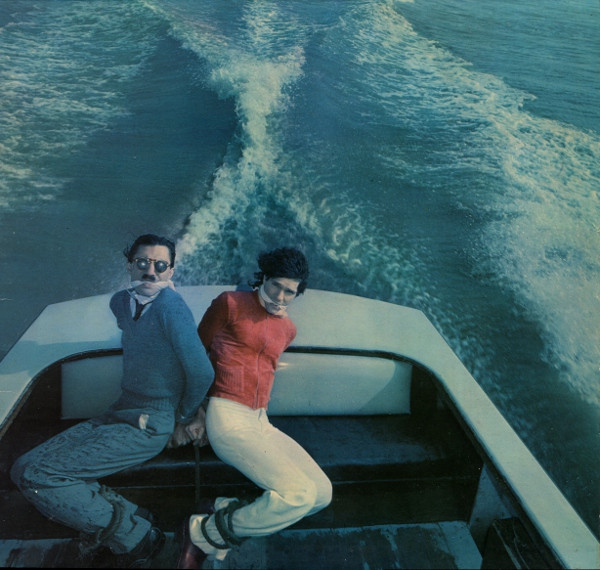
Propaganda
1974

No. 1 In Heaven
1979
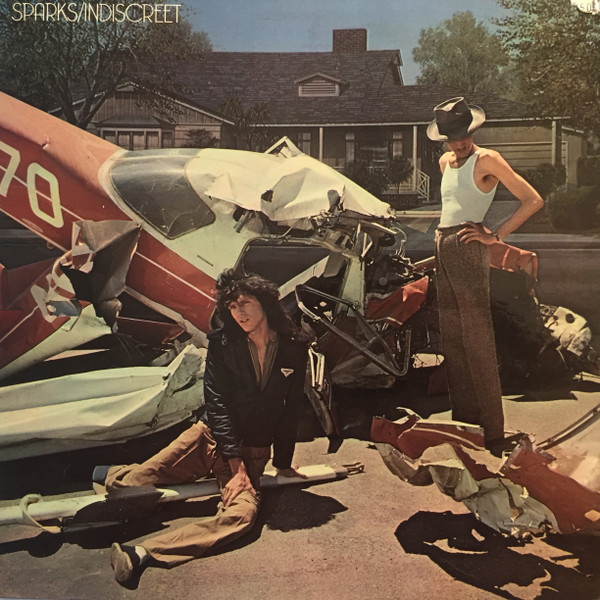
Indiscreet
1975
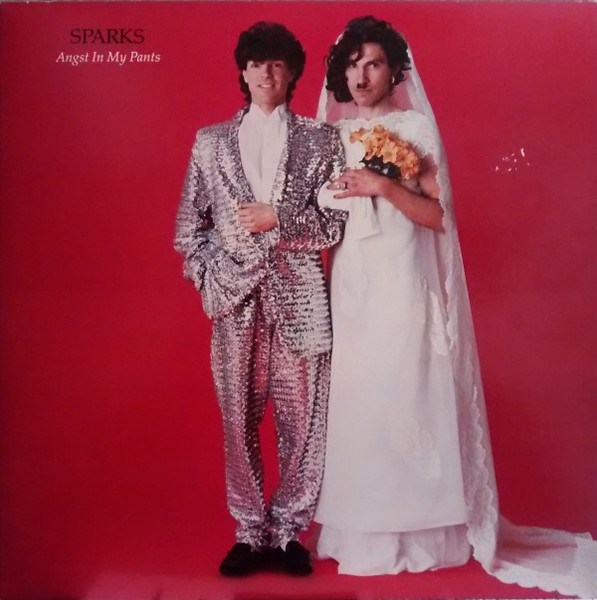
Angst In My Pants
1982
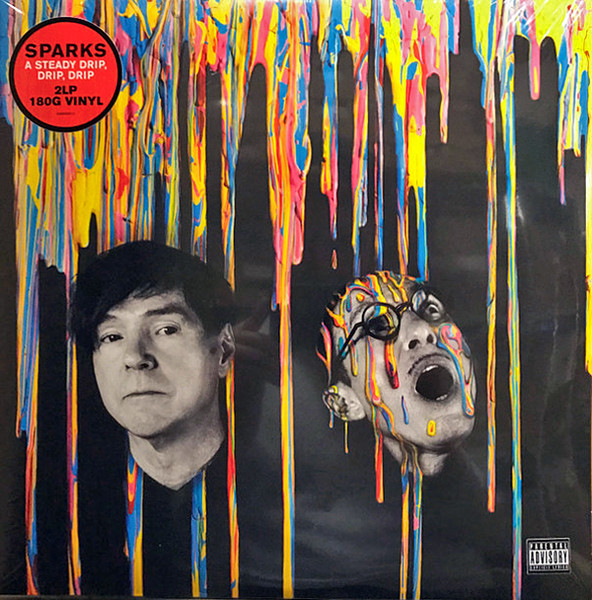
A Steady Drip, Drip, Drip
2020

Mad!
2025

In Outer Space
1983

Hippopotamus
2017

Halfnelson
1972
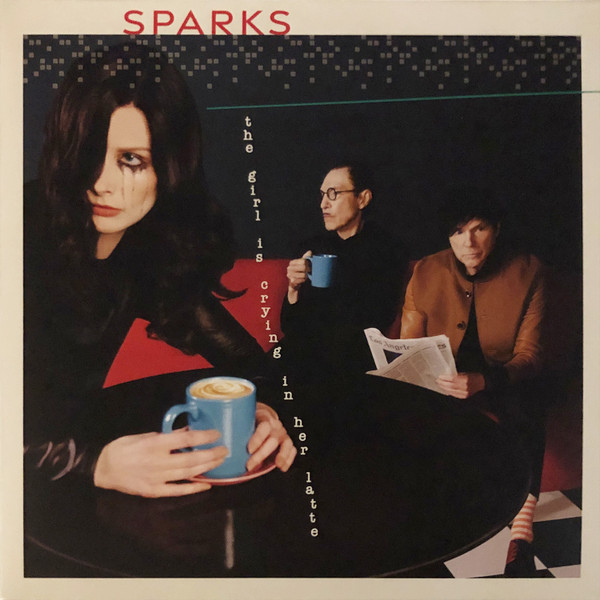
The Girl Is Crying In Her Latte
2023
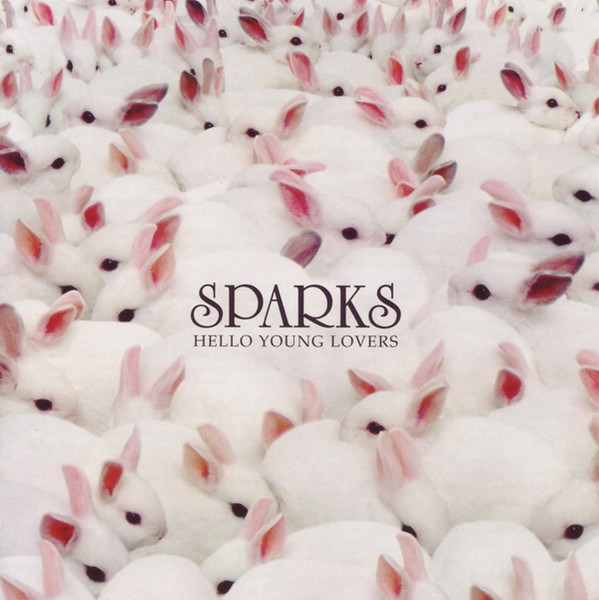
Hello Young Lovers
2006

Whomp That Sucker
1981

Big Beat
1976

Madder!
2025

Exotic Creatures Of The Deep
2008
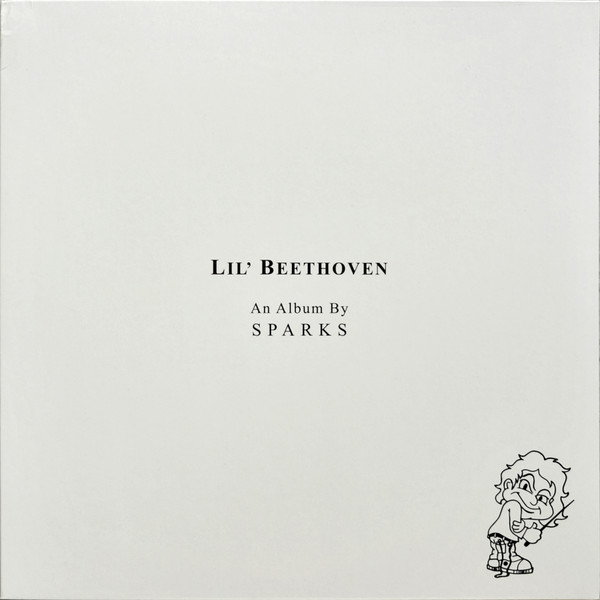
Lil' Beethoven
2002

Gratuitous Sax & Senseless Violins
1994

The Number One Song In Heaven
1979

A Woofer In Tweeter's Clothing
1972
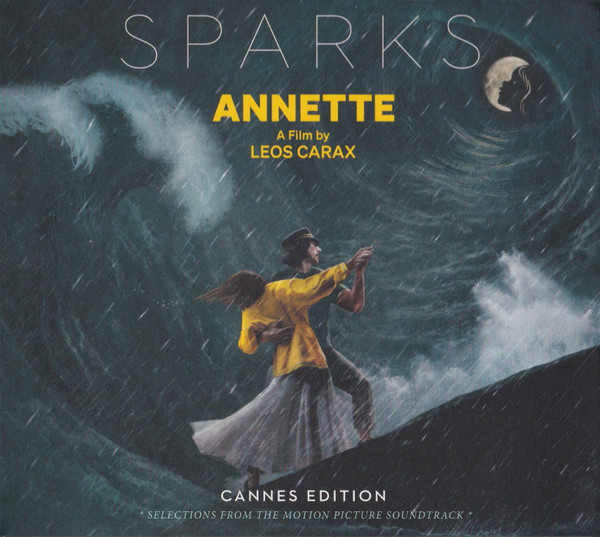
Annette (Selections From The Motion Picture Soundtrack)
2021

The Seduction Of Ingmar Bergman
2009
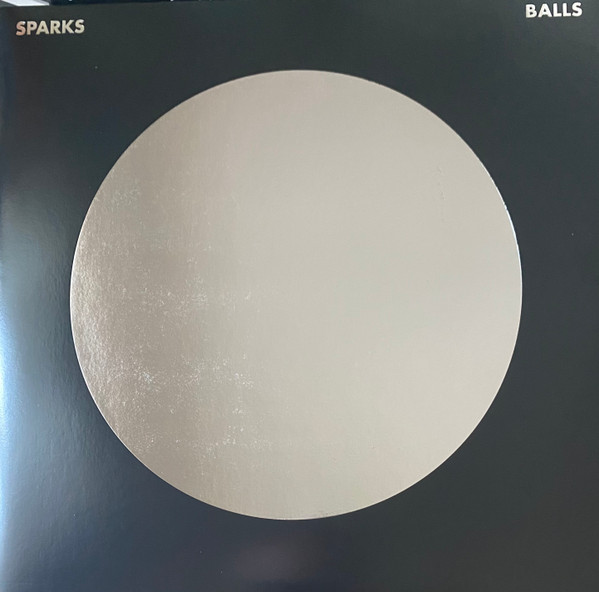
Balls
2000
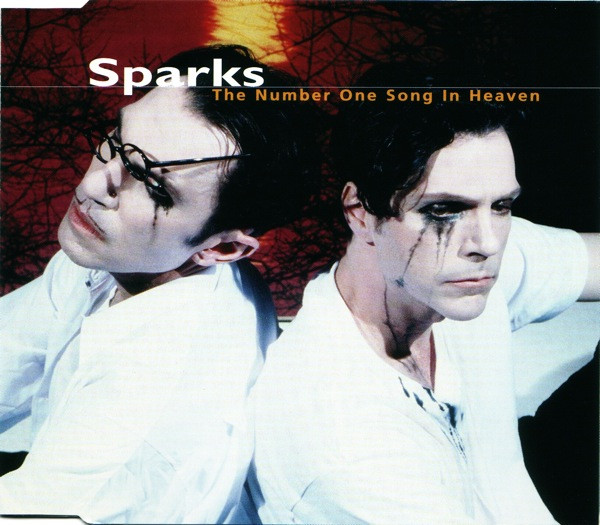
The Number One Song In Heaven
1997
Related artists
Members
Frequent collaborators
Around the web
Follow every record they touch.
Start your shelf and Gatefold tracks Sparks's new pressings, tour dates, and the whole discography — automatically.
Start your shelf →Free forever. Works with 10 records or 10,000.