
Artist
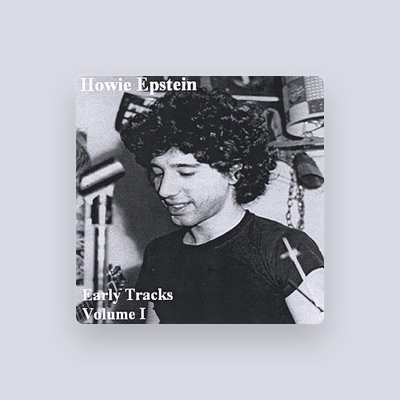
Howie Epstein
Milwaukee, United States
Howie Epstein is a musician from Milwaukee, United States. They also recorded with Tom Petty and the Heartbreakers.
32
Albums tracked
848
In collections
—
Since
Biography
Stepping into Ron Blair's boots in 1982 wasn't just learning the root notes to 'American Girl'. Tom Petty and the Heartbreakers were a locked-in machine, and replacing a founding bassist could have killed the engine. Instead, Epstein showed up with a beat-up 1964 Fender Precision, an iron grip on the pocket, and a soaring tenor harmony that immediately became the band's secret weapon. He wasn't just holding down the low end on *Long After Dark*; he was giving Petty the vocal foil that made those choruses hit the back row of an arena. He spent twenty years being the anchor in a band full of loud personalities and Mike Campbell's towering lead lines. Behind the board, he proved his ears went well past standard heartland rock, dragging John Prine into a career resurgence by producing *The Missing Years*. But the road takes its cut. By the late '90s, the chemical spiral was eating him alive, turning rehearsals into ghost hunts and forcing the band to cut him loose right before the end. When he died in 2003, rock and roll lost one of its absolute best utility men—the guy who never took a flashy solo because he was too busy making everyone else sound platinum.
Bio from The Clerk
The Arc of Howie Epstein
The pivots — what forced Howie Epstein to reinvent.
Locking In with the Heartbreakers
Blair walked away during the *Long After Dark* sessions, leaving the band with a looming studio deadline and an unfinished record. Epstein stepped straight in from backing Del Shannon, plugging his P-bass into the Heartbreakers' rhythm section with zero adjustment period. You hear the payoff instantly on 'Change of Heart', where his high harmonies lifted Petty's snarl into radio gold. He saved the sessions and permanently redrew the vocal blueprint of the band.
The Behind-the-Glass Resurgence
By the early '90s, Epstein was stretching outside the stadium rock grind to helm sessions as a producer. He set up shop for John Prine's 1991 comeback *The Missing Years*, stripping back the dust and recruiting friends like Petty and Bruce Springsteen to flesh out the backroom sound. The record won a Grammy and proved Epstein understood the weight of American songwriting better than the Nashville establishment did. His production was clean, tough, and never got in the way of the lyric.
The Long Unraveling
By the tracking of *Echo* in 1999, heavy heroin addiction was eroding Epstein's reliability. He missed band meetings, failed to show up for photo shoots, and left Mike Campbell and Petty tracking bass parts themselves just to finish songs like 'Room at the Top'. The Heartbreakers finally fired him in 2002 when the wheels completely fell off before their Hall of Fame induction. He was dead from complications of drug use barely a year later, cutting short one of rock's most dependable backbones.
Influences
- Del Shannon — Shannon gave Epstein his big break, hiring him as a touring and session bassist in the late '70s. You can hear that pure, galloping early-60s rock rhythm Epstein internalized on tracks like 'Runaway' carrying straight into the Heartbreakers' tempos. It was playing Shannon's 1981 comeback album *Drop Down and Get Me* that put Epstein on Petty's radar in the first place.
- The Byrds — Epstein grew up obsessed with the chime and vocal arrangements Chris Hillman and Roger McGuinn engineered in the mid-1960s. That influence is plastered all over his harmony vocal stacks behind Petty on mid-80s cuts like 'Southern Accents'. He took Hillman's country-rock bass vocabulary and toughened it up for FM rock radio.
- The Beatles — Epstein's melodic sensibility on the low end was straight out of Paul McCartney's playbook. Rather than sticking strictly to root-five pulses, Epstein wove walking counter-melodies underneath Campbell's guitar fills on songs like 'Don't Come Around Here No More'. It turned standard bar-band progressions into three-dimensional pop arrangements.
- Duck Dunn — The Stax Records rhythm section was Epstein's primary school for pocket and restraint. You hear Dunn's fat, no-bullshit tone all over Epstein's work on *Southern Accents* and Petty's live cuts from that era. If a note didn't serve the snare drum, Epstein didn't bother playing it.
- The Everly Brothers — The blood-harmony style of Phil and Don Everly was the manual Epstein used for singing with Tom Petty. Listen to the chorus of 'You Got Lucky'—that high, piercing counter-melody wasn't standard rock-guy shouting, it was pure Nashville-tradition blend. That vocal balance defined the Heartbreakers' post-1982 sound.
Tom Petty and the Heartbreakers
A project Howie Epstein was part of. Former member.
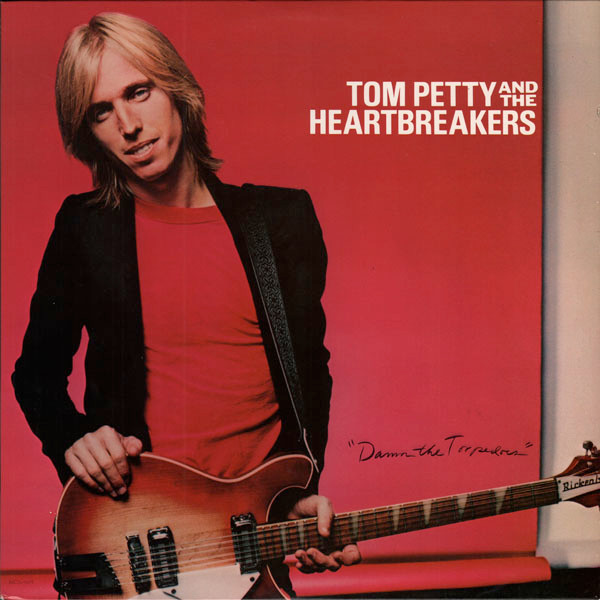
Damn The Torpedoes
1979
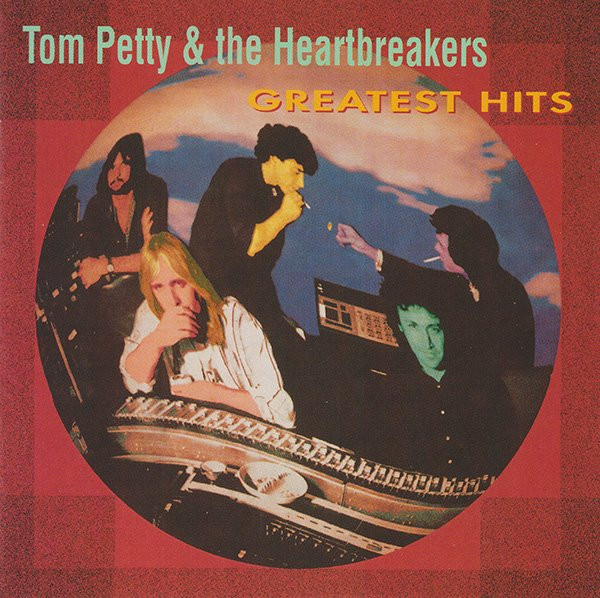
Greatest Hits
1993
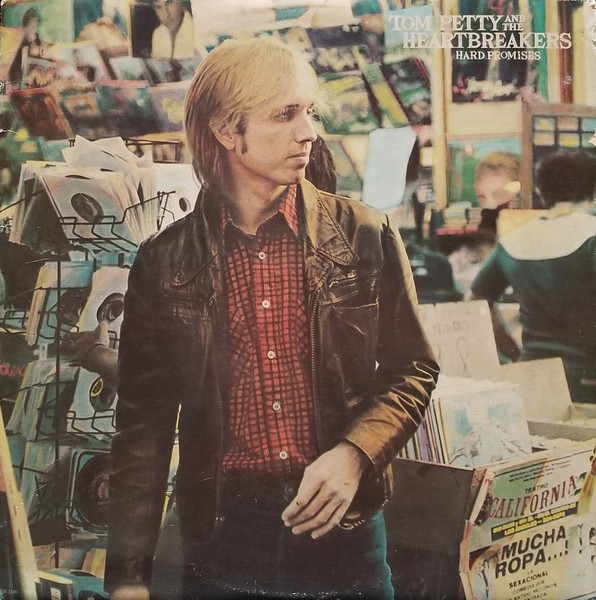
Hard Promises
1981
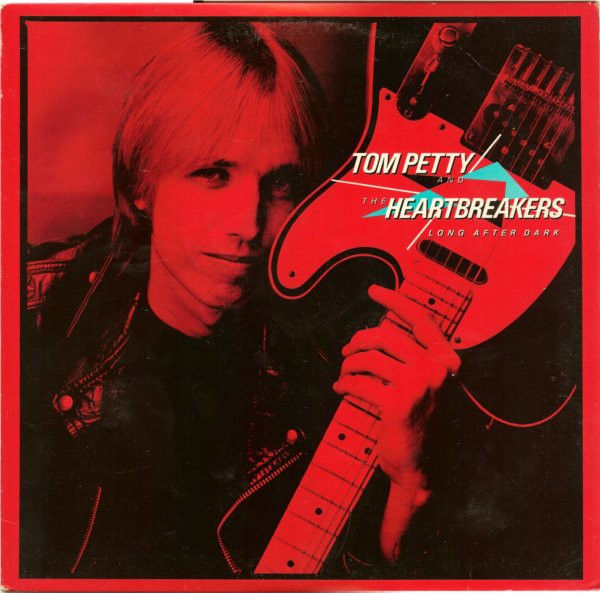
Long After Dark
1982
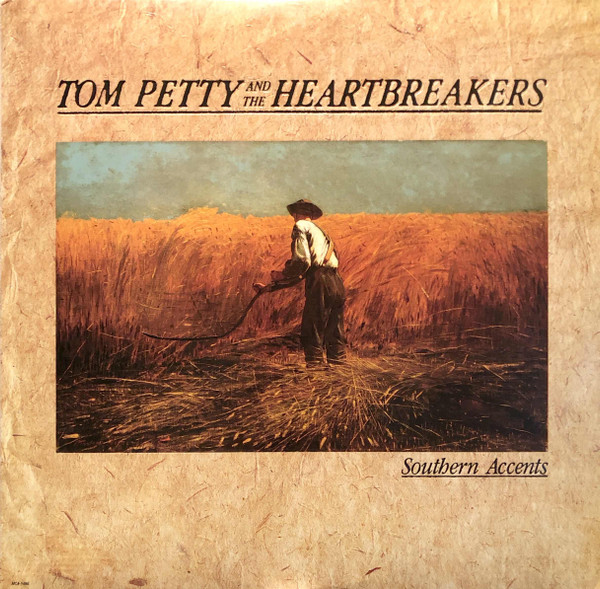
Southern Accents
1985
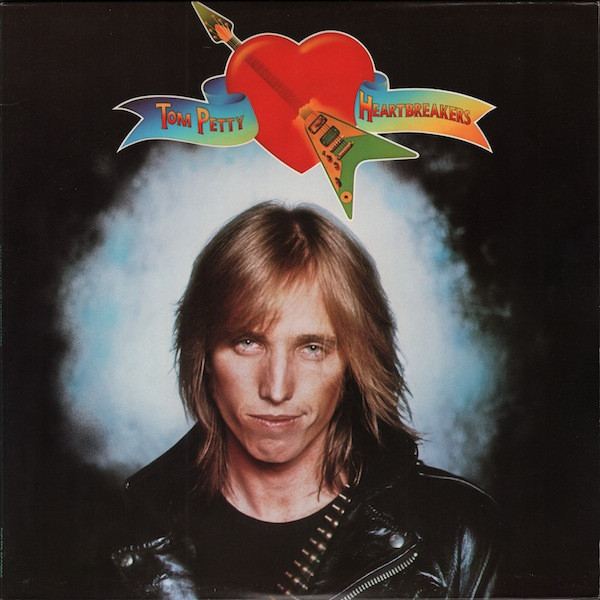
Tom Petty And The Heartbreakers
1976
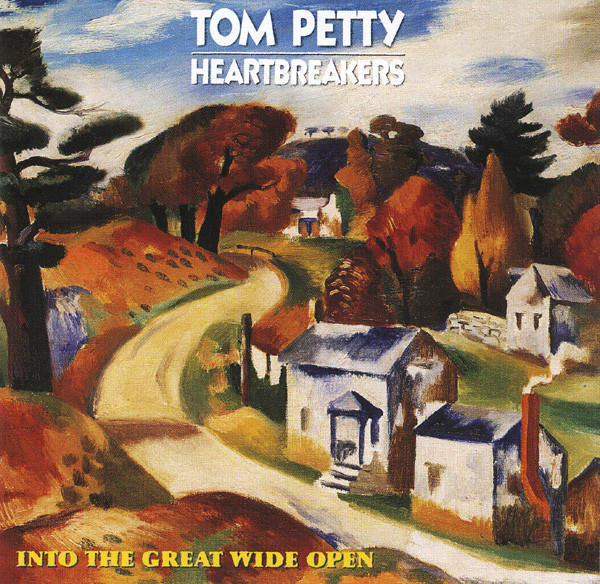
Into The Great Wide Open
1991

You're Gonna Get It!
1978
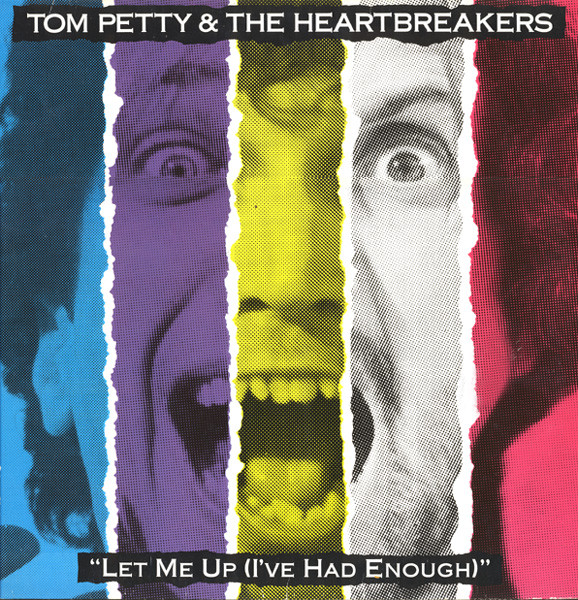
Let Me Up (I've Had Enough)
1987
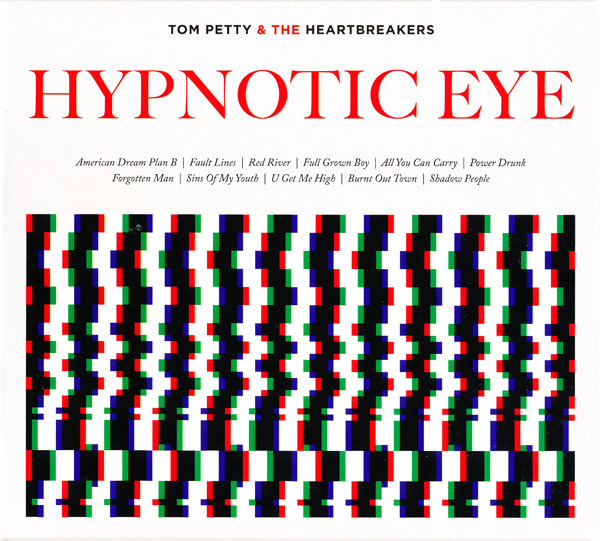
Hypnotic Eye
2014
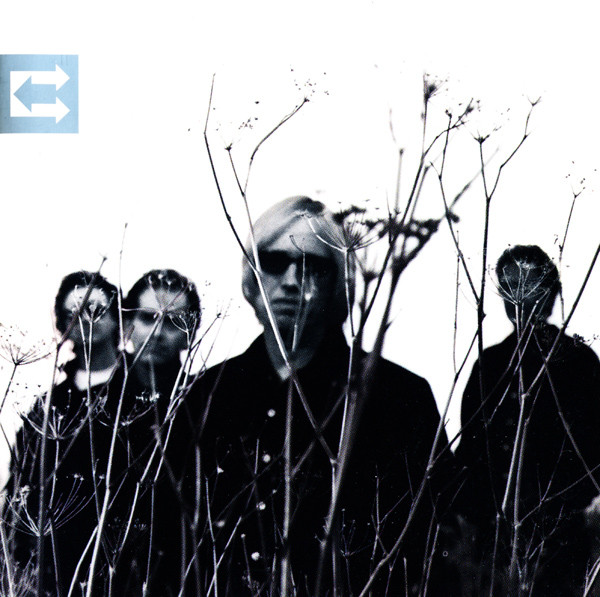
Echo
1999
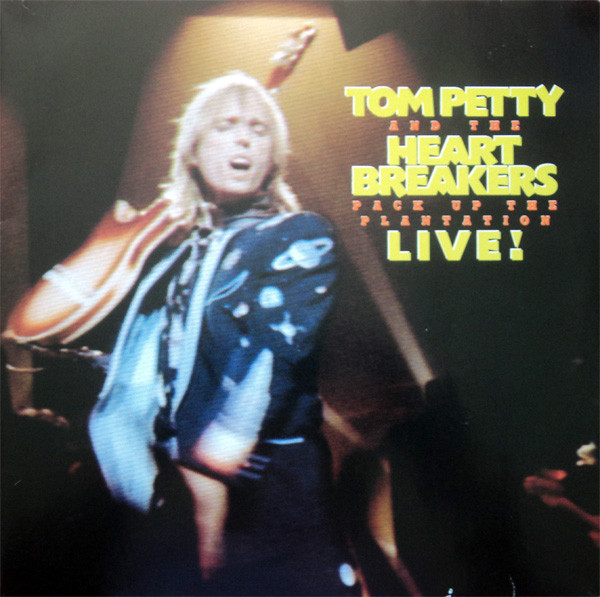
Pack Up The Plantation - Live!
1985

Mojo
2010
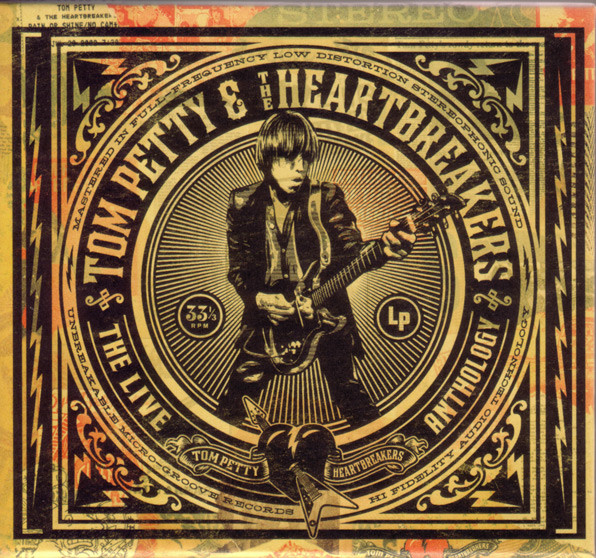
The Live Anthology
2009

The Live Anthology: From The Vaults Vol. 1
2025

The Best Of Everything (The Definitive Career Spanning Hits Collection 1976-2016)
2019
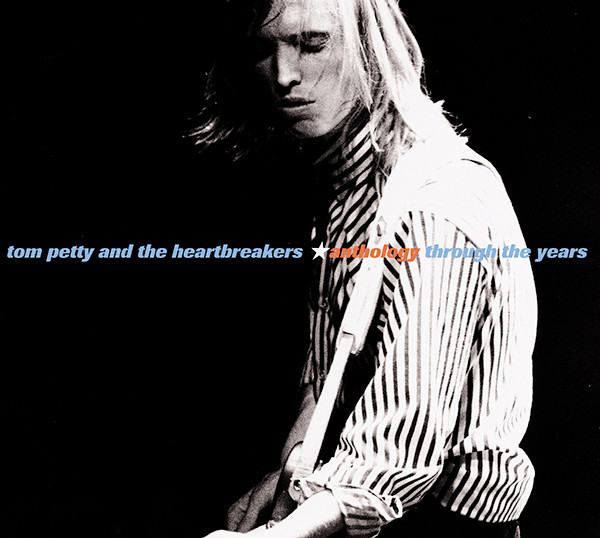
Anthology - Through The Years
2000
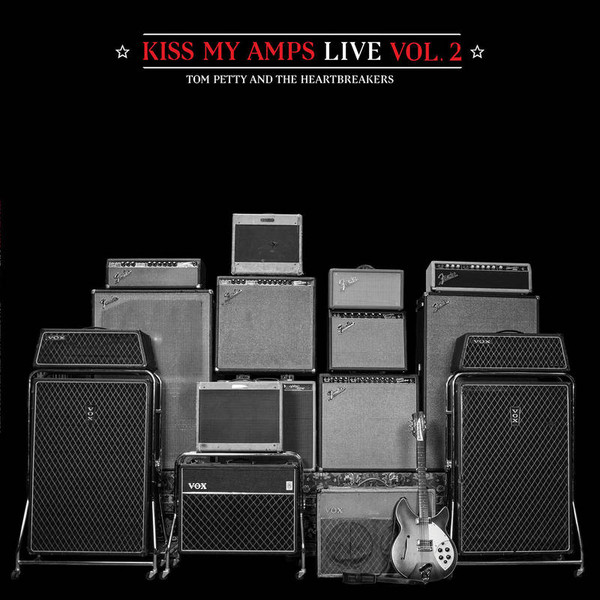
Kiss My Amps Live, Vol.2
2016
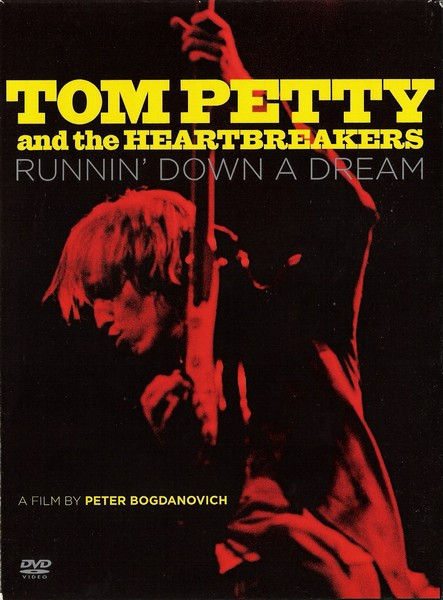
Runnin' Down A Dream
2007
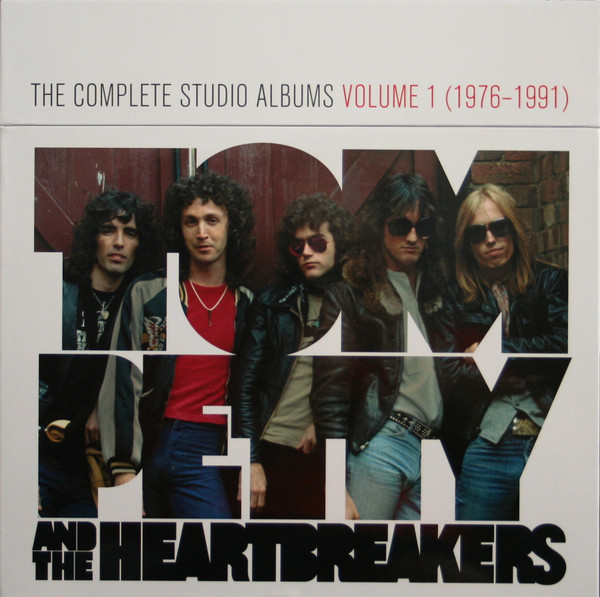
The Complete Studio Albums Volume 1 (1976-1991)
2016

A Wheel In The Ditch
2017
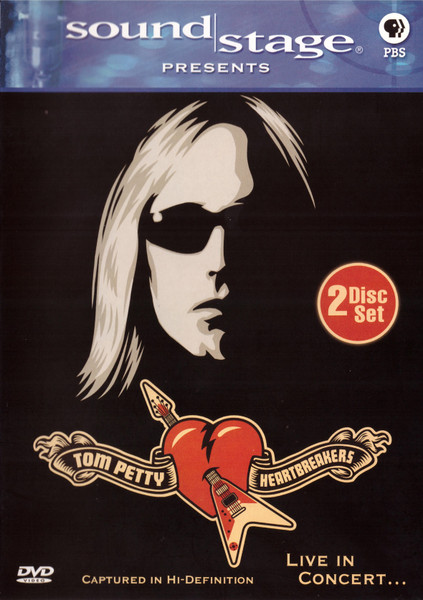
Sound Stage
2004
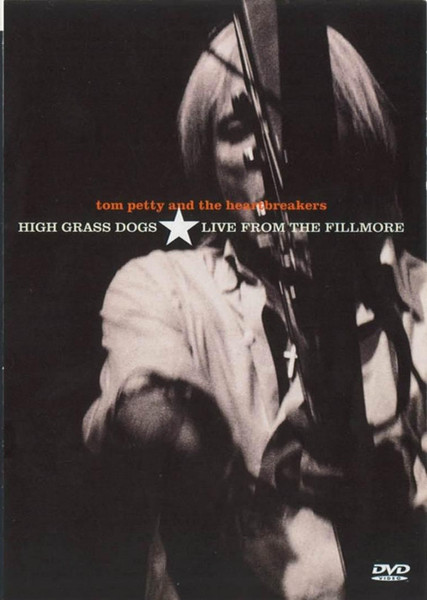
High Grass Dogs, Live From The Fillmore
1999

Playback
1995
Related artists
Frequent collaborators
Around the web
Follow every record they touch.
Start your shelf and Gatefold tracks Howie Epstein's new pressings, tour dates, and the whole discography — automatically.
Start your shelf →Free forever. Works with 10 records or 10,000.