Artist
Marshall Lytle
Old Fort, United States
Marshall Lytle is a musician from Old Fort, United States. They also recorded with Bill Haley and His Comets.

12
Albums tracked
18
In collections
—
Since
Biography
Marshall Lytle (born September 1, 1933, Old Fort, North Carolina, USA - died May 25, 2013, New Port Richey, Florida, USA), who also went by the name Tommy Page, was an American rock and roll musician, best known for his work with the groups Bill Haley And His Comets and The Jodimars in the 1950s.
Lytle was a guitar player before joining Bill Haley's country music group, Bill Haley And The Saddlemen, in 1951. But Lytle was hired to play double bass for the group, replacing departing musician Al Rex, so Haley taught Lytle the basics of slap bass playing. Lytle, who was only a teenager at the time, grew a moustache in order to look a little older, and became a full-time member of The Saddlemen and, in September 1952, he was with the group when they changed their name to Bill Haley And His Comets. Soon after, Lytle co-wrote with Haley the band's first national hit, "Crazy Man, Crazy" although he did not receive co-authorship credit for it (until 2002).
Lytle played on all of Haley's recordings between mid-1951 and the summer of 1955, including the epochal "Rock Around the Clock" in 1954. He played a late 1940s model Epiphone B5 upright double bass, purchased in October, 1951, for about $275. He used gut strings for the G and D strings while the A and E strings were wound. Lytle's style of playing, which involved slapping the strings to make a percussive sound, is considered one of the signature sounds of early rock and roll and rockabilly. The athletic Lytle also developed a stage routine, along with saxophone player Joey D'Ambrosia, that involved doing acrobatic stunts with the bass fiddle, including throwing it in the air and riding it like a horse. This became a signature performance for The Comets that later musicians working for Haley were instructed to emulate.
In September 1955, Lytle, along with drummer and D'Ambrosia, quit The Comets in a salary dispute and formed their own musical group, The Jodimars. Before leaving, Lytle and his colleagues offered to train their replacements in the art of rock and roll playing, Comets style. Lytle was succeeded by Al Rex—ironically, the same musician he had originally been hired to replace.
Bio from Discogs
Bill Haley and His Comets
A project Marshall Lytle was part of. Former member.

Bill Haley's Greatest Hits!
1968
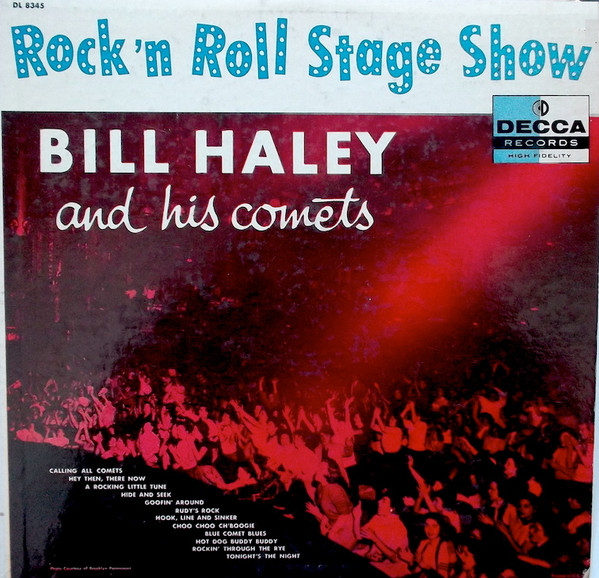
Rock 'n Roll Stage Show
1956

Golden Hits
1972

Rock Around The Clock
1955

Thirteen Women / (We're Gonna) Rock Around The Clock
1954
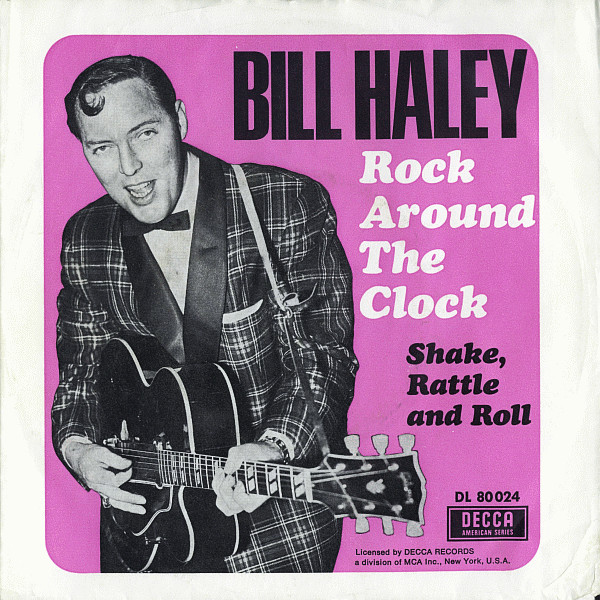
(We're Gonna) Rock Around The Clock
1968
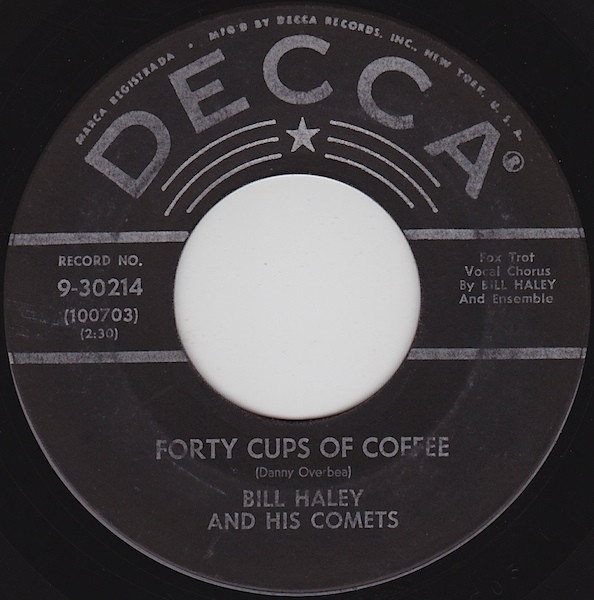
Forty Cups Of Coffee / Hook, Line And Sinker
1957
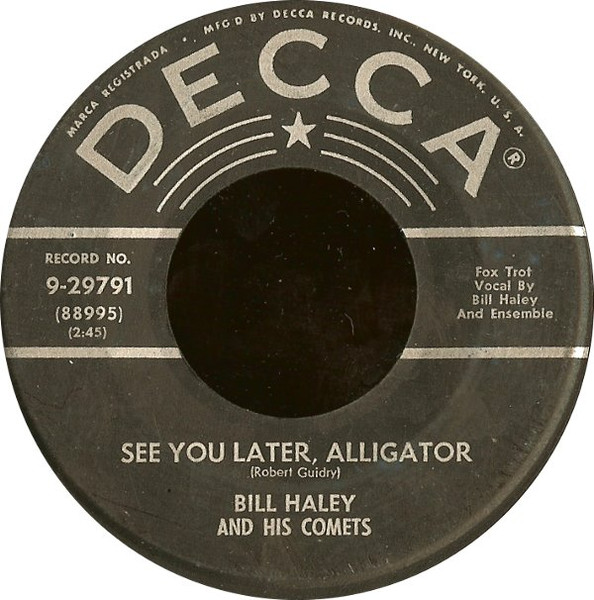
See You Later, Alligator / The Paper Boy (On Main Street, U.S.A.)
1956

Rock Around The Clock
1956

Shake, Rattle And Roll / A. B. C. Boogie
1954
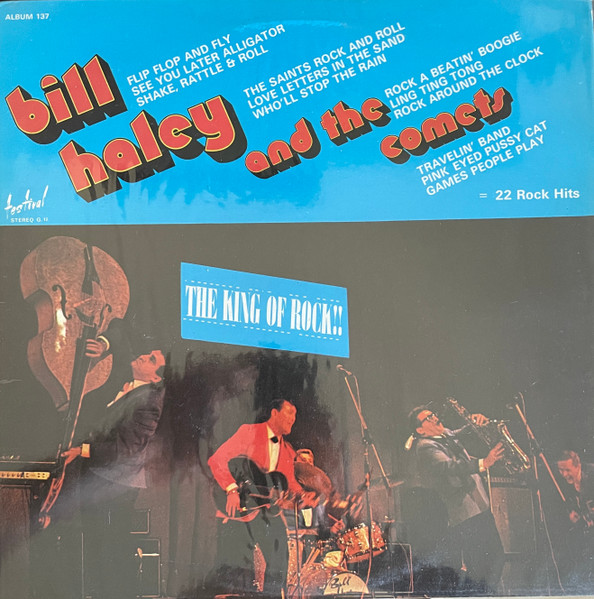
The King Of Rock
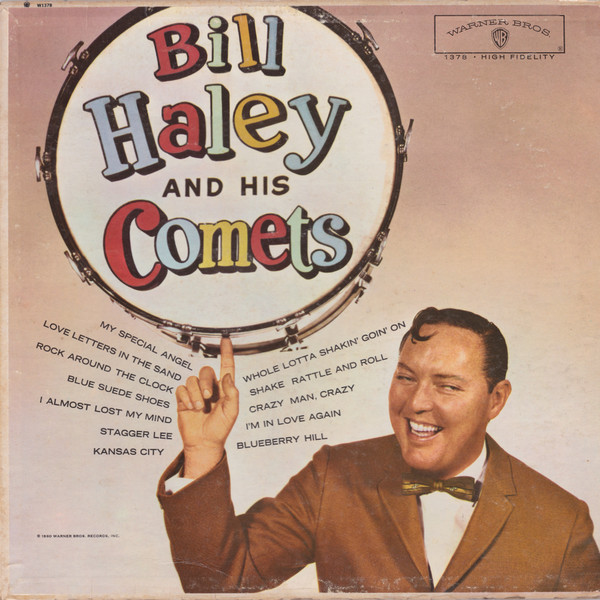
Bill Haley And His Comets
1960
Around the web
Follow every record they touch.
Start your shelf and Gatefold tracks Marshall Lytle's new pressings, tour dates, and the whole discography — automatically.
Start your shelf →Free forever. Works with 10 records or 10,000.