
Artist
Matt Kwasniewski‐Kelvin
United Kingdom
Matt Kwasniewski‐Kelvin is a musician from United Kingdom. They also recorded with black midi.

7
Albums tracked
76
In collections
—
Since
Biography
Matt Kwasniewski-Kelvin co-founded black midi in a Brixton rehearsal room with nothing but cheap Squier Stratocasters and a collective obsession with pure, kinetic noise. Before the press started calling them the saviors of British math-rock, they were just kids from the BRIT School hiding behind a wall of feedback at The Windmill in Brixton. His guitar playing was never about clean, academic precision. It was an erratic, physical attack that threatened to derail their entire tight-as-a-vice rhythm section at any second. He was the raw, unhinged counterweight to Geordie Greep's hyper-technical, theatrical delivery. If Greep was the ringmaster, Kwasniewski-Kelvin was the guy throwing loose fireworks into the crowd. That tension is what made the band's early output so terrifyingly electric. He played like he was trying to break the instrument in half, dragging his pick hand across the strings to create massive, discordant sheets of sound that defined their early reputation.
The Arc of Matt Kwasniewski‐Kelvin
The pivots — what forced Matt Kwasniewski‐Kelvin to reinvent.
The Windmill Residency
From 2017 to 2018, the band practically lived at the Brixton Windmill, developing their sound in front of tiny, sweaty crowds. Producer Dan Carey saw them there, realized they were a live juggernaut, and dragged them into his Speedy Wunderground studio to cut 'bmbmbm' in a single, frantic session. The recording captured Kwasniewski-Kelvin's guitar screeching through Carey's signature swarms of analog delay. It was a chaotic, primitive statement that put the entire UK indie scene on notice.
Schlagenheim and the Limit
Entering Hellfire Studios in Ireland to record their 2019 debut album, the band pushed their improvisational noise to the absolute limit. Kwasniewski-Kelvin's contributions on tracks like '953' were pure, serrated aggression, utilizing scraping metallic sounds and sudden dynamic shifts. This was the peak of his dual-guitar combat with Greep, where the songs felt like they were being assembled and torn apart in real-time. The record earned a Mercury Prize nomination, but the grueling touring schedule that followed pushed the band's internal dynamics to a breaking point.
The Quiet Departure
By early 2021, the physical and mental toll of constant touring forced Kwasniewski-Kelvin to take a step back from the group, sat out the recordings for Cavalcade and Hellfire, and ultimately left the band. His absence shifted black midi's sound away from jagged, noisy post-punk and directly into hyper-complex, horn-heavy progressive rock. You can hear the dividing line instantly on those later records. The physical danger and raw, unpredictable noise of his guitar work were gone, replaced by pristine, technical arrangements.
Influences
- Jimi Hendrix — Kwasniewski-Kelvin frequently cited Hendrix as his ultimate guitar hero in early band interviews, focusing on his wild, improvisational freedom. You hear this in the way he uses extreme feedback and whammy-bar abuse as structural elements rather than mere decoration. He took Hendrix's live volatility and dragged it into a modern, post-punk context.
- This Heat — The South London experimental legends cast a massive shadow over the Brixton scene, and the band openly acknowledged their influence on their jagged rhythm structures. You hear it in the cold, industrial scraping sounds Kwasniewski-Kelvin wrung from his guitar strings on early tracks. It is the sound of cold war tension translated into a modern Brixton basement.
- Shellac — Steve Albini's signature metallic, razor-sharp guitar tone is all over Kwasniewski-Kelvin's early setup. He favored a harsh, treble-heavy attack that mimics the aggressive, aluminum-necked scrape found on classic Shellac records. It is a dry, unforgiving sound that refuses to hide behind lush reverb pedals.
- The Fall — The band covered 'Psycho Mafia' during their early live sets, showcasing their deep debt to Mark E. Smith's chaotic post-punk blueprint. Kwasniewski-Kelvin took their repetitive, hypnotic two-note guitar drone and amplified it with modern volume. It is the art of the repetitive, aggressive groove used as a weapon.
- Miles Davis — The band frequently pointed to Davis's early 1970s fusion era, specifically the chaotic, dense jazz-rock of Agharta and Pangaea, as a major structural influence. Kwasniewski-Kelvin's guitar work mirrors the jagged, fusion-tinged lines of Reggie Lucas and Pete Cosey. He chose to slash through the rhythm section rather than play alongside it.
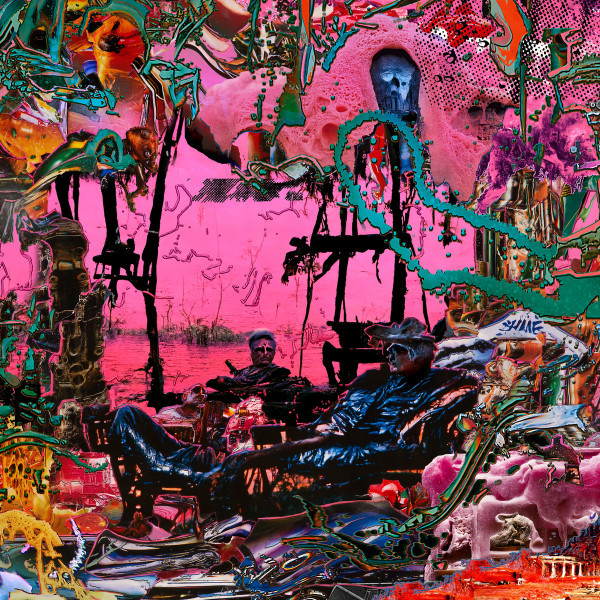
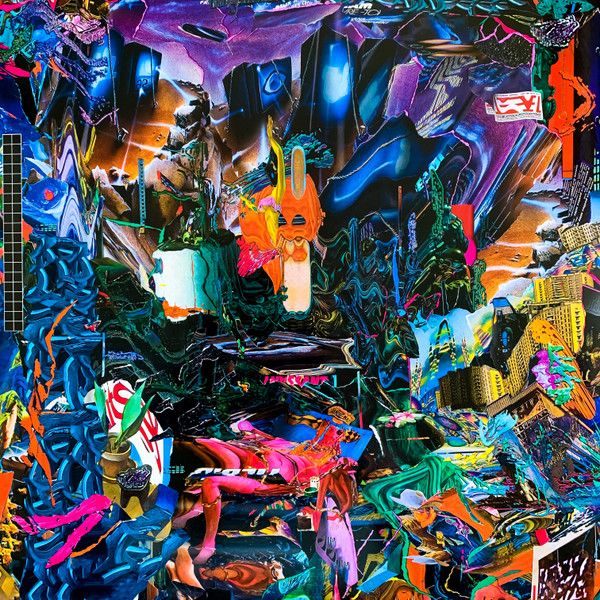
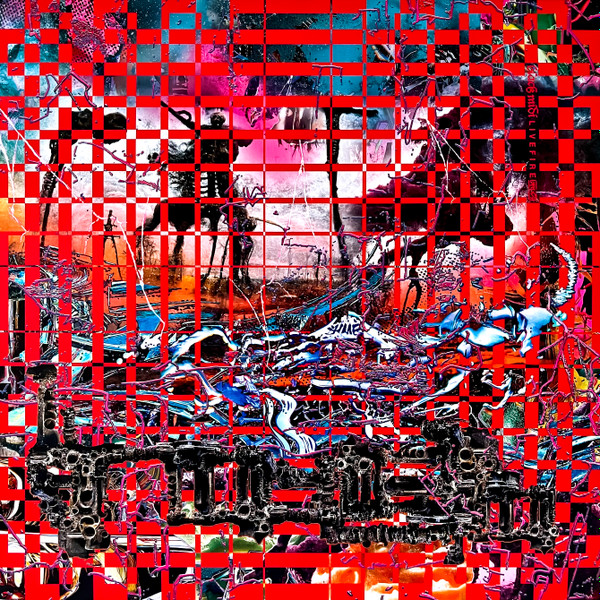
black midi
A project Matt Kwasniewski‐Kelvin was part of. Former member.



Around the web
Follow every record they touch.
Start your shelf and Gatefold tracks Matt Kwasniewski‐Kelvin's new pressings, tour dates, and the whole discography — automatically.
Start your shelf →Free forever. Works with 10 records or 10,000.