Artist
Miracles
Miracles is a music group. Their discography on Gatefold includes 14 records.

14
Albums tracked
32
In collections
—
Since
Biography
Miracles started in a basement in Newcastle upon Tyne with a Tascam 388 and zero interest in being a polite indie band. The project was essentially the grit in the oyster of the UK's late-2000s post-punk revival, ditching the dance-punk tropes for a sound that felt like it was physically corroding as you listened to it. They weren't trying to sell you a lifestyle; they were trying to capture the sound of a structural failure through overdriven tape and jagged, skeletal arrangements. By the time Ovum hit in 2010, the polish of the era's bigger indie labels hadn't touched them. They kept the production claustrophobic, favoring an abrasive, mid-heavy mix that prioritized the serrated edge of the guitars over any kind of radio-friendly sheen. It’s the kind of discography that burns out fast because it refuses to settle into a comfortable groove or a predictable touring cycle, leaving behind a handful of releases that sound like a nervous breakdown caught on magnetic tape.
Bio from The Clerk
The Arc of Miracles
The pivots — what forced Miracles to reinvent.
The Colony Collapse Sessions
The 2008 debut emerged from a scene obsessed with angular riffs but stripped away the disco-beat artifice for something much more nihilistic. Recorded with a raw, almost industrial disregard for high fidelity, the session work focused on rhythmic repetition and high-frequency guitar stabs. You can hear the influence of the Northern English landscape in the coldness of the tracks, avoiding the lush production of their London-based peers in favor of a dry, punishing drum sound. It was a statement of intent that valued tension over resolution, setting a template for a brief but intense run of records.
The Ovum Evolution
Their final major statement saw the band leaning into more complex, textured songwriting without losing the initial bitterness that made them stand out. The recording process became more insular, pushing the vocals further back into the mix to let the interlocking guitar parts carry the emotional weight. It moved away from the more straightforward aggression of the early singles toward a sprawling, avant-garde sensibility that felt like it was breaking apart in real-time. This pivot proved to be their endpoint, as the intensity of the sound and the lack of commercial compromise made a long-term career nearly impossible to sustain.
Influences
- Wire — The band cited the Pink Flag era's economy of songwriting as a primary blueprint for their own short, sharp structures. You hear it in the way they refuse to repeat a chorus more than absolutely necessary. It's that same 'no-filler' mentality that keeps the tracks under three minutes.
- Gang of Four — The dry, percussive guitar work on Colony Collapse is a direct descendant of Andy Gill’s brittle tone on Entertainment! They focused on that same scratchy, rhythmic interplay rather than traditional lead playing. It creates a sense of perpetual motion that never feels fluid.
- Joy Division — The band acknowledged the influence of Martin Hannett’s 'cold' production techniques, particularly the use of space and isolation between instruments. On Ovum, the drum placement feels distant and mechanical, mirroring the desolation found on Closer. It’s about the silence between the notes as much as the noise.
- The Fall — The repetitive, motorik-adjacent grooves and the deadpan delivery of the vocals are a clear nod to Mark E. Smith’s early 80s output. You can hear that gritty, working-class cynicism bleeding through the lyrics. They took the idea of 'repetition' and used it as a blunt instrument.
- Public Image Ltd — The metallic bass tones and dub-influenced low end on their later singles draw heavily from Keith Levene’s early PiL work. It’s that specific brand of post-punk that isn’t afraid to sound ugly or dissonant. They embraced the 'anti-rock' stance that Metal Box championed.
Discography
Their records — most-collected first.

Greatest Hits From The Beginning
1965

Hi We're The Miracles
1961

City Of Angels
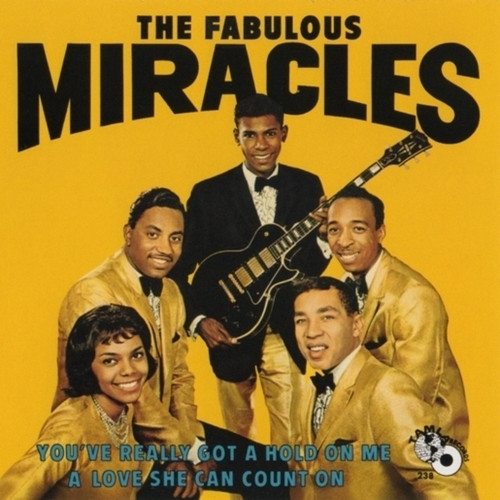
The Fabulous Miracles
1963

Love Machine
1975

Ooo Baby Baby
1965

Shop Around / Who's Lovin You
1960

The Power Of Music
1976

Don't Cha Love It
1975

Do It Baby / I Wanna Be With You
1974

Do It Baby
1974

My Girl Has Gone / Since You Won My Heart
1965

Mickey's Monkey / Whatever Makes You Happy
1963

Christmas With The Miracles
1963
Around the web
Follow every record they touch.
Start your shelf and Gatefold tracks Miracles's new pressings, tour dates, and the whole discography — automatically.
Start your shelf →Free forever. Works with 10 records or 10,000.