
Artist
Thelonious Monk
Rocky Mount, United States · 1917 – 1982
Thelonious Monk is a musician from Rocky Mount, United States, active 1917–1982. Their discography on Gatefold includes 24 records. They also recorded with Thelonious Monk Quartet, Thelonious Monk Septet, Thelonious Monk Trio, The Thelonious Monk Orchestra and Thelonious Monk Quintet.
62
Albums tracked
471
In collections
1917
Since
Biography
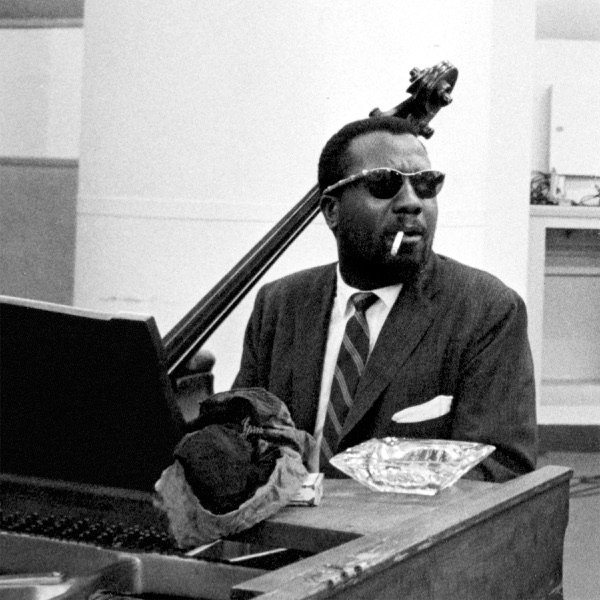
Monk used to play piano with his fingers flat like he was trying to crush bugs. He spent his early years at Minton's Playhouse getting laughed at by guys who thought his 'wrong' notes were accidents, but he wasn't making mistakes—he was building a whole new geometry for the keyboard. When he finally got into a studio for Blue Note in '47, the engineers didn't know what to do with the silence he left between the clusters. He’d just stop playing in the middle of a bar and let the room breathe while the rhythm section scrambled to find the pocket. He hit a wall in the early fifties after the NYPD yanked his cabaret card over a bogus drug charge involving Bud Powell, effectively banning him from playing NYC clubs for six years. That forced him into the studio as his primary outlet, leading to a run on Riverside where he had to prove he wasn't 'difficult' by playing Ellington standards. It was a calculated move to keep the lights on, and while some critics thought he’d been tamed, he was actually just sharpening the knife. By the time he got to Columbia in the sixties, the polish started to take over and the repertoire stayed static, but those middle years of struggle are where the real blood is.
Bio from The Clerk
The Arc of Thelonious Monk
The pivots — what forced Thelonious Monk to reinvent.
The Minton's Laboratory
During the early 40s at Minton's Playhouse, Monk was the house pianist for after-hours jams that basically birthed bebop. He wasn't chasing the lightning-fast scalar runs of his peers, instead focusing on the dissonant intervals and rhythmic displacement that would define his entire career. You hear the blueprint of the next thirty years in these messy, unpolished sessions where he was essentially teaching Dizzy Gillespie and Charlie Parker how to think about harmony beyond the standard blues changes.
The Riverside Reclamations
After losing his cabaret card and being branded as too weird for the mainstream, Monk signed to Riverside and was pushed by producer Orrin Keepnews to record an album of Duke Ellington covers. It was a move to fix his reputation, but Monk rearranged those classic tunes with such jagged, percussive logic that he ended up claiming them as his own. This era peaked with 'Brilliant Corners' in 1957, a session so technically demanding it required dozens of takes and tape splices because the band—specifically Sonny Rollins and Max Roach—struggled to execute Monk's complex, shifting signatures.
The Columbia Polishing
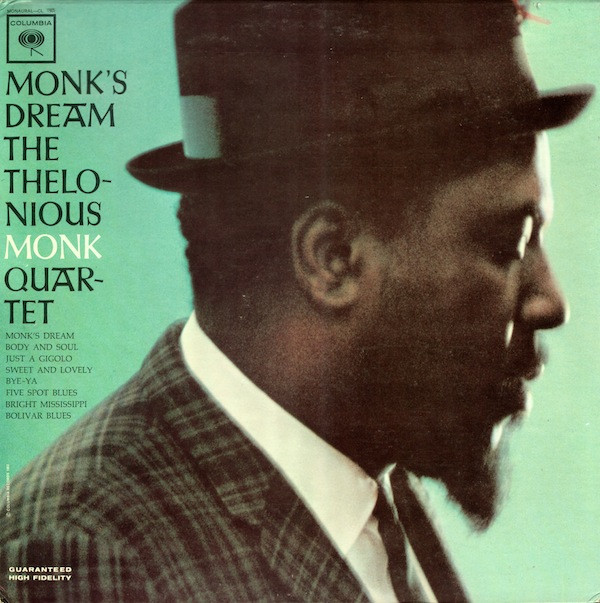
Moving to a major label like Columbia in 1962 gave Monk a massive platform and the budget for records like 'Monk’s Dream,' but it also marked the start of a repetitive cycle. He stopped writing new material and relied on a set list he'd already perfected over two decades, often with a quartet that played it safe compared to his earlier fire-breathers. The production was cleaner and the records sold better, but you can hear the danger leaking out of the room as the industry finally caught up to his 'weirdness' and turned it into a brand.
Influences
- James P. Johnson — Monk was obsessed with the stride piano style of the 1920s and famously cited Johnson as his primary technical foundation. You hear it in the heavy, walking left-hand patterns on his solo recordings, particularly 'Solo Monk,' where he updates the Harlem stride with his own dissonant clusters. It’s the sound of a 1920s rent party filtered through a fever dream.
- Duke Ellington — Monk recorded an entire tribute album to Ellington in 1955 and frequently cited Duke's use of space and orchestral color as a guide. His piano playing often mimicked the way Ellington wrote for horns, using block chords to create a massive, brassy sound that felt larger than ten fingers. Even on his weirdest tracks, the DNA of Duke’s sophisticated swing is the anchor.
- Mary Lou Williams — Williams was a mentor at her apartment in Harlem where she coached Monk on composition and navigating the industry. She pushed him to develop his idiosyncratic rhythmic sense and defended his style to the older jazz guard who didn't get it. You hear her influence in the structural rigor of his compositions—no matter how chaotic they seem, they are tightly clocked machines.
- Art Tatum — While Monk lacked Tatum's fluid velocity, he learned how to re-harmonize pop standards on the fly by studying Tatum's complex chord substitutions. Monk took Tatum’s maximalist harmonic ideas and stripped them down to their barest, most percussive essentials. He basically took Tatum's encyclopedia of chords and tore out everything but the most jarring pages.
- Ethel Waters — As a teenager, Monk toured as the pianist for an evangelist and was heavily exposed to the gospel and blues phrasing of singers like Waters. That church-inflected, call-and-response timing is all over his blues-based numbers like 'Blue Monk.' It’s the reason his music feels earthy and grounded even when the harmony is floating in outer space.
Thelonious Monk — solo
Their records — most-collected first.
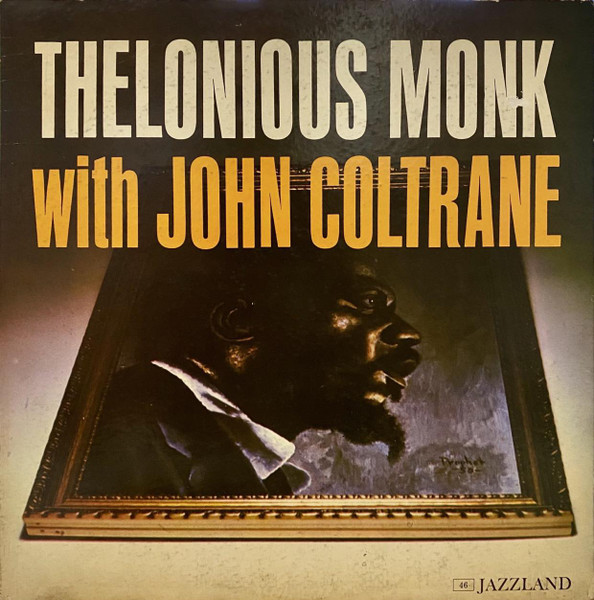
Thelonious Monk With John Coltrane
1961
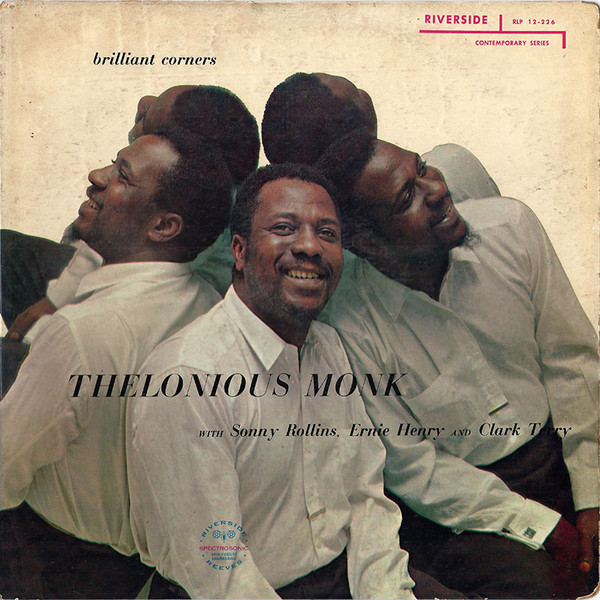
Brilliant Corners
1957

Palo Alto
2020

Genius Of Modern Music
1951

Mulligan Meets Monk
1957
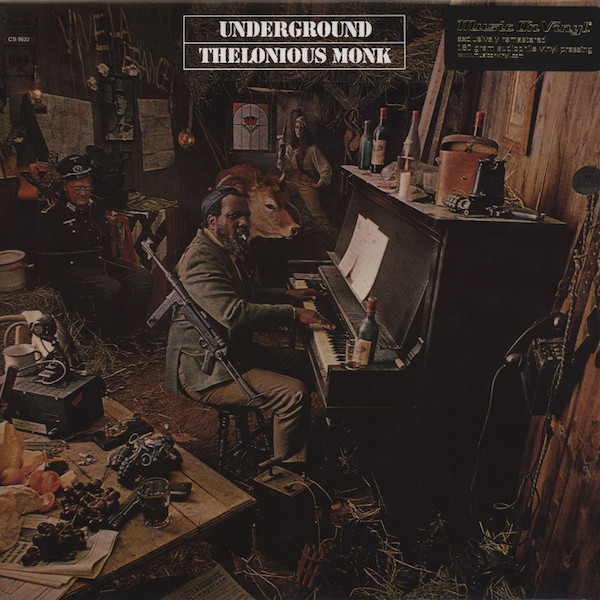
Underground
1968

In Paris
1991
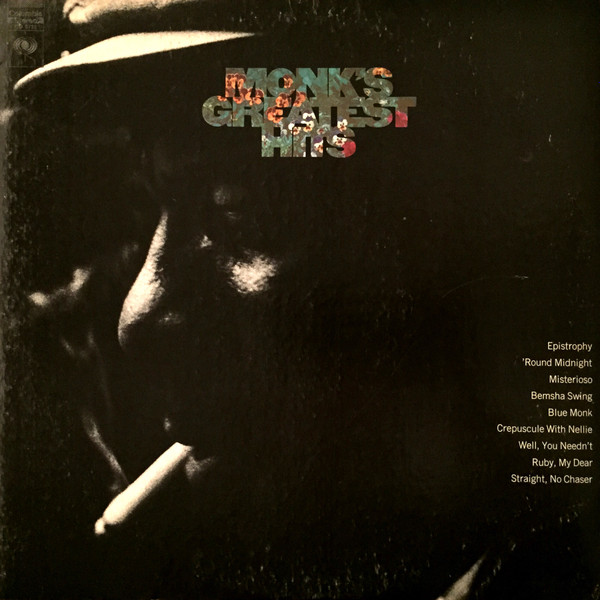
Monk's Greatest Hits
1969

Thelonious Alone In San Francisco
1959
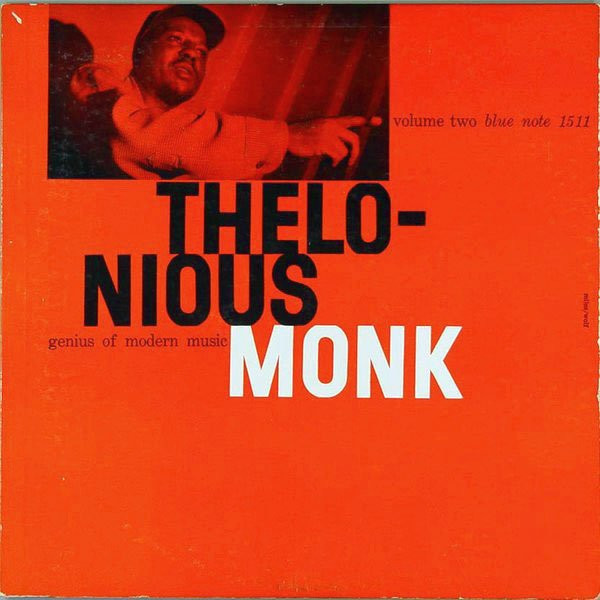
Genius Of Modern Music Volume 2
1956

It's Monk's Time
1964

Palais Des Beaux-Arts 1963
2020

Thelonious Himself
1957

Thelonious Monk Plays The Music Of Duke Ellington
1955
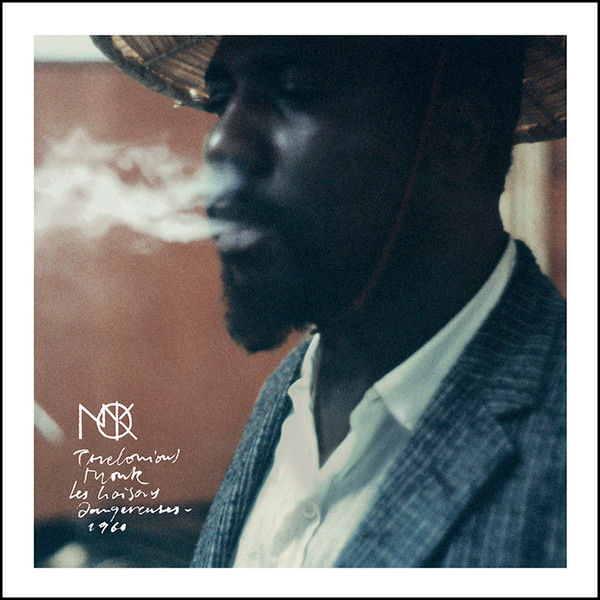
Les Liaisons Dangereuses 1960
2017
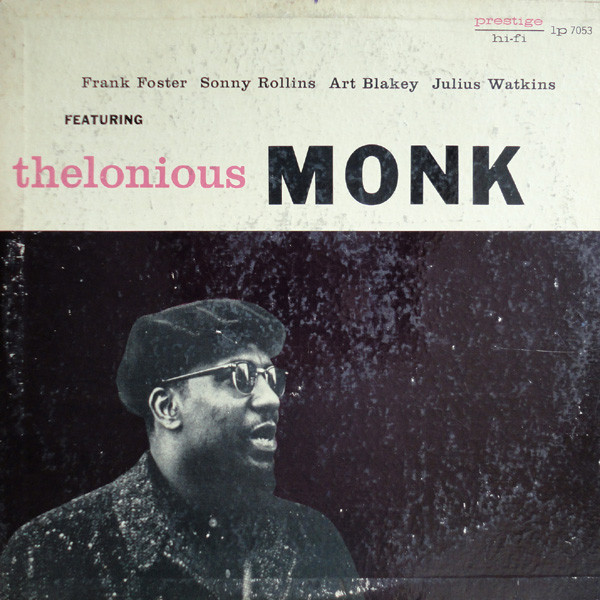
Thelonious Monk
1956

Thelonious Monk / Sonny Rollins
1957

Criss-Cross
1963

Straight No Chaser (Music From The Motion Picture)
1989

The London Collection: Volume One
1988

The Unique Thelonious Monk
1956
The Very Best
2005
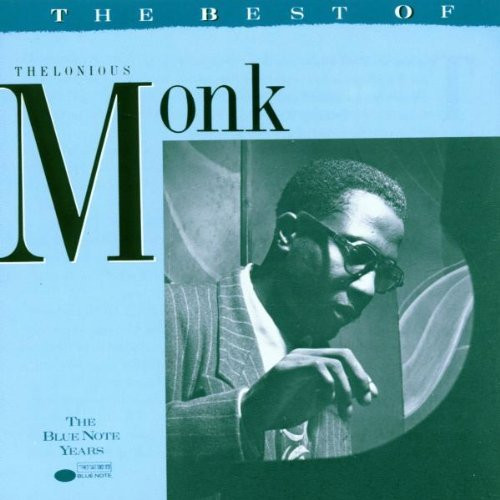
The Best Of Thelonious Monk
1991
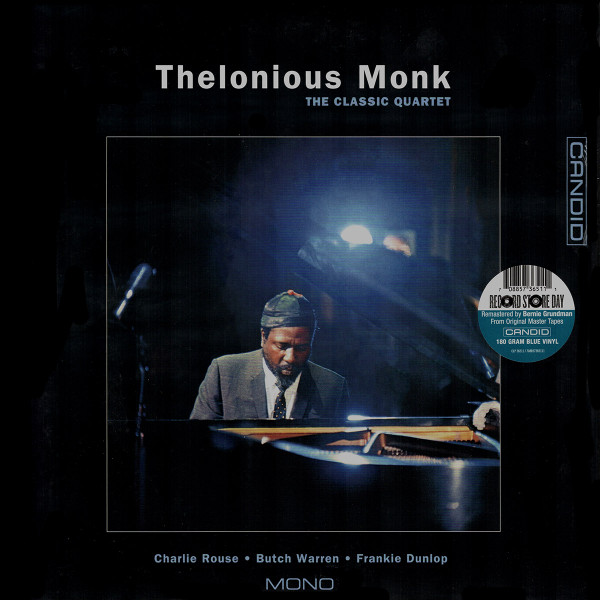
Thelonious Monk 1963 In Japan
1983
Thelonious Monk Quartet
Thelonious Monk under another name — MusicBrainz marks this project eponymous.


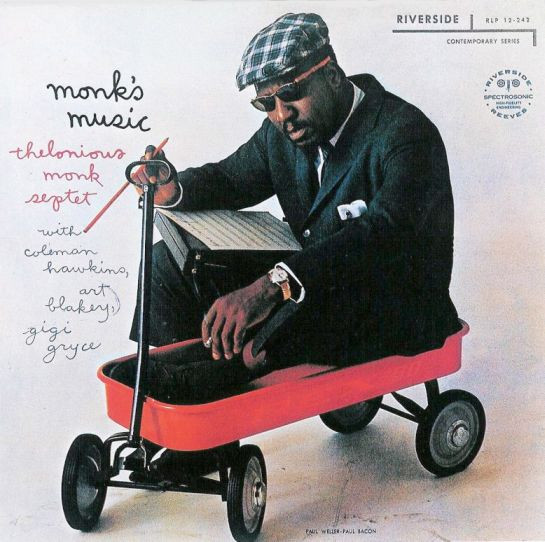
Thelonious Monk Septet
Thelonious Monk under another name — MusicBrainz marks this project eponymous.
Thelonious Monk Trio
Thelonious Monk under another name — MusicBrainz marks this project eponymous.

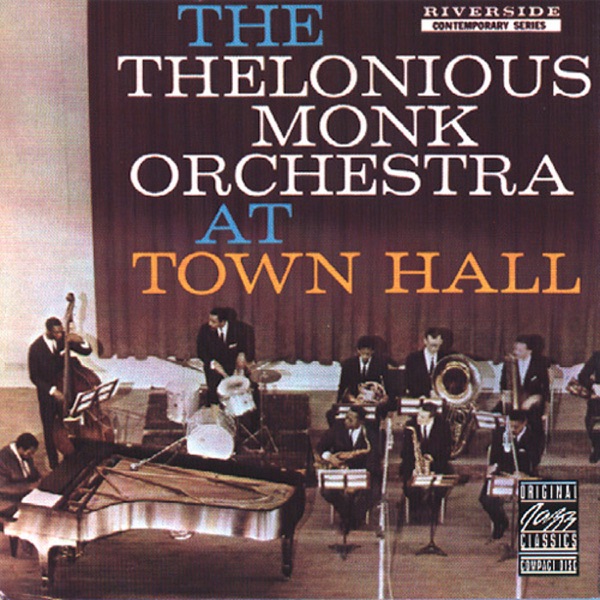
The Thelonious Monk Orchestra
Thelonious Monk under another name — MusicBrainz marks this project eponymous.

Thelonious Monk Quintet
Thelonious Monk under another name — MusicBrainz marks this project eponymous.

Related artists
Around the web
Follow every record they touch.
Start your shelf and Gatefold tracks Thelonious Monk's new pressings, tour dates, and the whole discography — automatically.
Start your shelf →Free forever. Works with 10 records or 10,000.