
Artist
Obituary
Q49255, United States · Formed 1988
Obituary is a music group from Q49255, United States, active since 1988. Their discography on Gatefold includes 20 records.

20
Albums tracked
59
In collections
1988
Since
Biography
Trevor Peres tracked the rhythm tracks for Slowly We Rot through a battered Fender combo amp cranked until the speaker ripped, pushing a cheap Boss distortion pedal straight into the board at Morrisound Recording. Scott Burns was still figuring out how to tame the Florida humidity and bleed in that studio, but he captured something nasty. No blast beats. No sweep-picked gymnastics. Just downtuned sludge dragged through swamp mud and Donald Tardy's kick drum punching you squarely in the gut. While every other death metal outfit in 1989 raced to play faster than thrash, Obituary downshifted. They proved that crawling at twenty miles an hour was infinitely heavier than sprinting off a cliff. Then there is John Tardy's voice, which flatly defied the rules of the genre. Half the time the guy was not even using written lyrics; he treated his vocal cords like a torn speaker horn, vomiting pure sound and cadence over Peres's caveman riffs. The band hit a brick wall by the late nineties when Roadrunner did not know how to sell raw Florida death anymore, and they almost ruined themselves trying hip-hop beats on Back From the Dead. But they shook it off, built their own compound in Gibsonton, and figured out that staying stubborn is an art form. You do not come to an Obituary record for a technical clinic. You buy it to hear four or five guys crush concrete into gravel.
Bio from The Clerk
The Arc of Obituary
The pivots — what forced Obituary to reinvent.
The Morrisound Foundation
Between 1989 and 1992, the band and Scott Burns effectively defined the Tampa sound out of Morrisound Recording. When Allen West briefly peeled off, hired gun James Murphy stepped in on Cause of Death, cutting solos with a pristine, razor-sharp melodic control that collided violently with the band's filth. West returned for The End Complete in 1992, locking the classic lineup in place and churning out a massive commercial breakthrough for Roadrunner. You can hear Burns dialing in that thick, bottom-heavy drum crack on every single groove, proving death metal did not have to sound like a tin can full of bees.
The Experimental Slump and Burnout
By the mid-nineties, the original death metal boom had hit a wall, and Obituary started tinkering with their formula. World Demise in 1994 brought in industrial noise, slow grooves, and environmental audio samples that split the room. Burns was absent entirely for 1997's Back From the Dead, and the band sounded completely out of gas, even letting a bizarre rap collaboration sneak onto the tracklist. The exhaustion finally caught up with them in the studio, and they called it quits later that year rather than limp through the end of the decade on fumes.
The Burns Reunion and Candlelight Shift
Six years of silence broke when the classic five-piece regrouped in 2003 and dragged Scott Burns back for executive production on Frozen in Time. It sounded like they had stepped out of the room yesterday, trading modern studio polish for the mid-tempo Florida filth they had mastered fifteen years earlier. The break with Roadrunner finally came after an eighteen-year run, sending the band to Candlelight Records to cut Xecutioner's Return in 2007 with Ralph Santolla taking over lead guitar from West. You hear Santolla's fluid, neoclassical lead work colliding against Peres's blunt rhythm chords, giving Darkest Day in 2009 a strange, virtuoso tension they had not possessed since the Murphy days.
The RedNeck Studio Independence
Losing both Frank Watkins and Santolla forced the core of Peres and the Tardy brothers to rethink the operation, bringing in bassist Terry Butler and lead guitarist Kenny Andrews to stabilize the deck. Instead of taking label advance money to sit in an expensive room, they crowdfunded Inked in Blood on Kickstarter and cut it themselves at RedNeck Studio in Gibsonton. Relapse stepped in to handle the distribution, giving the band total control of their masters and an unvarnished, self-engineered bite across their 2017 self-titled record and 2023's Dying of Everything. The drums are loud, the guitars sound like rusty chainsaws, and there is not an inch of digital gloss on the final master.
Influences
- Celtic Frost — Obituary literally cut their teeth playing covers of Tom G. Warrior's riffs and tracked 'Circle of the Tyrants' on Cause of Death. You hear the Swiss blueprint directly in Trevor Peres's mid-tempo, open-chord swings and the cavernous vocal grunts John Tardy uses to kick off a verse. They took Warrior's gloom and dragged it directly into a Florida swamp.
- Venom — Before they were Obituary, the band played under the moniker Executioner and built their earliest setlists on Venom's raw, unpolished street thrash. You hear Cronos and company in Donald Tardy's refusal to clean up his playing, prioritizing sloppy live drive over studio perfection. It kept their early records feeling like dangerous garage sessions rather than sterile tech-death.
- Slayer — The band has repeatedly cited Reign in Blood and Hell Awaits as the records that made them abandon standard metal tempos for true extremity. The chromatic, descending riff patterns on Slowly We Rot trace their lineage straight to Kerry King and Jeff Hanneman's playbook. They took Slayer's terror and swapped out the speed runs for sheer blunt-force trauma.
- Black Sabbath — Peres has never hidden that Tony Iommi is the god of his rhythm style, openly admitting that slow tempos are heavier than fast ones. You hear the tritone worship and doom pacing all over tracks like 'Suffocation' and the crawling midsection of 'Cause of Death.' Where other death metal crews chased punk speed, Obituary treated Sabbath's heaviest downbeats as an absolute religion.
- Possessed — Seven Churches landed in 1985 and showed Florida's early tape-trading scene that thrash could mutate into something genuinely guttural. John Tardy's vocal delivery took Jeff Becerra's rasping bark and blew the articulation wide open into pure sound. That record gave the Tardy brothers permission to abandon traditional song structures and play for pure decay.
Discography
Their records — most-collected first.

Cause Of Death
1990

The End Complete
1992
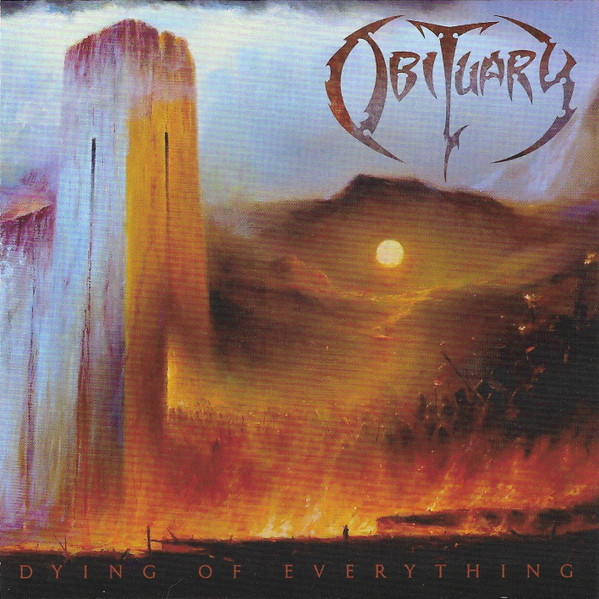
Dying Of Everything
2023

Slowly We Rot
1989

Obituary
2017

Slowly We Rot / Cause Of Death
2003
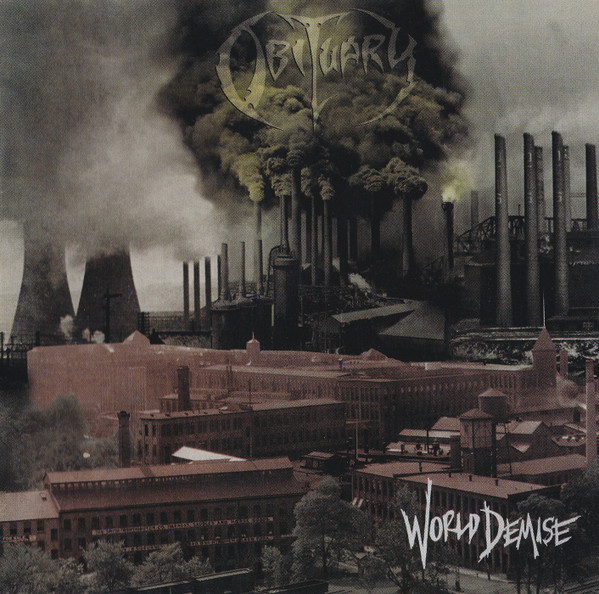
World Demise
1994

Cause Of Death - Live Infection
2022
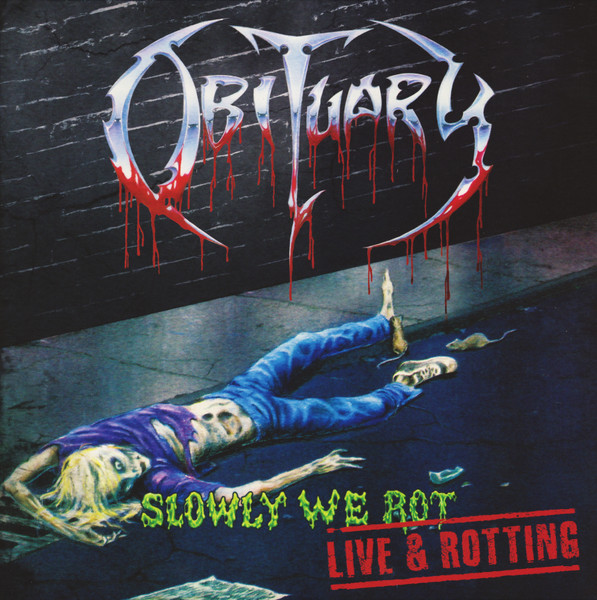
Slowly We Rot - Live & Rotting
2022

Inked In Blood
2014
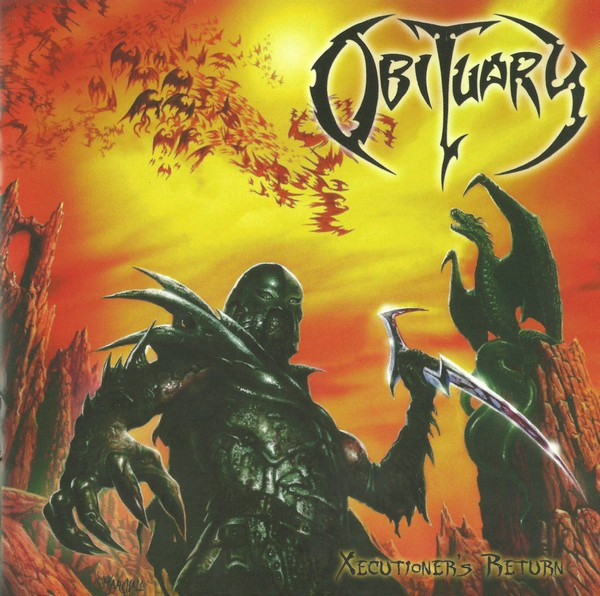
Xecutioner's Return
2007

Frozen In Time
2005

Anthology
2001

The End Complete / World Demise
2004

Dead
1998

Back From The Dead
1997
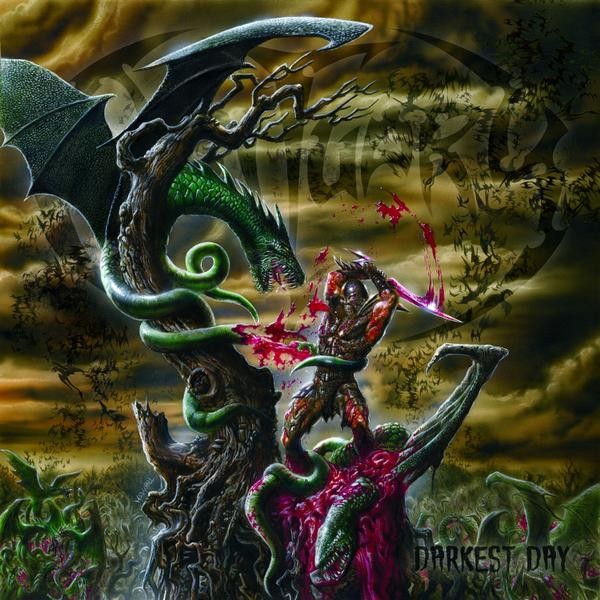
Darkest Day
2009

Left To Die
2008

The Best Of Obituary
2007

Don't Care
1994
Related artists
Around the web
Follow every record they touch.
Start your shelf and Gatefold tracks Obituary's new pressings, tour dates, and the whole discography — automatically.
Start your shelf →Free forever. Works with 10 records or 10,000.