Artist
Portico Quartet
instrumental band from London
London, United Kingdom · Formed 2005
Portico Quartet is a music group from London, United Kingdom, active since 2005. Their discography on Gatefold includes 11 records.

11
Albums tracked
11
In collections
2005
Since
Biography
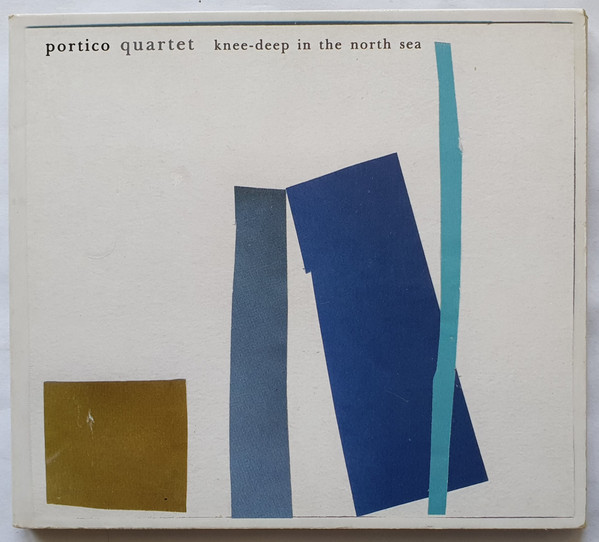
Two flying-saucer-shaped steel pans called hang drums and a pair of busking permits outside the National Theatre. That was the whole setup. Jack Wyllie was blowing soprano sax over bowed double bass while Duncan Bellamy and Nick Mulvey tapped out tuned resonant clatter on Swiss steel drums that cost an arm and a leg. No amps. No synths. Just four guys freezing their asses off on London's South Bank, pulling crowds because nobody had heard acoustic jazz sound like an interlocking Steve Reich phasing piece played through an alien steel pan. It was pure novelty on paper, but the rhythmic chops were deadly serious. Then the Mercury Prize nod hit for Knee-Deep in the North Sea, and the jazz purists lost their fucking minds trying to classify it. John Leckie took them into Abbey Road to cut Isla, capturing that dry, wooden room sound before the machine took over. Nick Mulvey bailed to play acoustic folk, Keir Vine stepped in, and the band started feeding their acoustic gear through delay pedals, loopers, and laptop rigs. By the time they chopped off half their name and tried to make synth-pop for Ninja Tune, they almost lost the plot entirely. Signing with Gondwana saved their skin—they remembered they were an ambient acoustic-electronic hybrid, not a bloody chart band.
Bio from The Clerk
The Arc of Portico Quartet
The pivots — what forced Portico Quartet to reinvent.
South Bank Hang Buskers
They started out playing on concrete beside the Thames, working two resonant hang drums alongside acoustic double bass and soprano sax. Self-producing Knee-Deep in the North Sea for the Vortex club's Babel imprint caught everyone off guard, earning a 2008 Mercury nomination that pissed off the jazz gatekeepers. John Leckie heard the organic resonance and dragged them into Abbey Road to cut 2009's Isla. The acoustic interplay was locked tight, building hypnotic grooves out of purely physical percussion and breath.
The Electronic Mutation
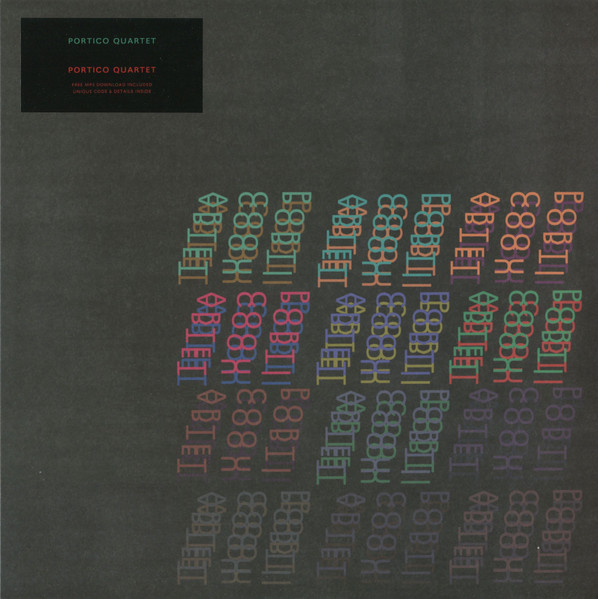
Founding percussionist Nick Mulvey walked away in 2011 to launch a solo singer-songwriter career, forcing a massive sonic identity crisis. Keir Vine stepped in behind keys and hang, pushing the group toward samplers, external effects chains, and real-time looping. The self-titled 2012 album Portico Quartet proved they could survive the split, replacing busking intimacy with cold sub-bass and sliced acoustic textures. The Hang was no longer just a weird steel drum; it was feed for digital signal processors.
The Gondwana Reclamation
They swallowed their pride, brought Keir Vine back into the fold, reclaimed the full band name, and signed with Matthew Halsall's Manchester-based Gondwana Records in 2017. Art in the Age of Automation was the apology record that actually worked, pairing lush strings with their signature hang rhythms and glitchy production. They doubled down on the widescreen, cinematic sound with 2019's Memory Streams, proving they could age gracefully inside a modern jazz framework without chasing club trends.
Lockdown Minimalism and Peak Output
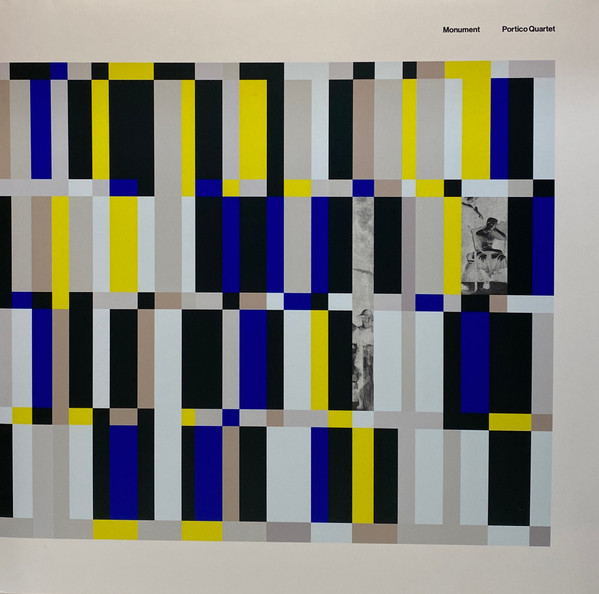
Faced with pandemic isolation, the four-piece split their creative focus across two totally contrasting 2021 full-lengths. Terrain stripped away modern pop structure for a patient, three-part minimalist suite built around long-form drone and repeated melodic cells. Months later they dropped Monument, swinging the pendulum straight into propulsive, Berlin-tinted electronic rhythms and icy synthesizer arpeggios. It felt like two distinct sides of their brain operating at full power, culminating in 2022's Next Stop.
Influences
- Steve Reich — Bellamy and Wyllie have repeatedly cited Reich's phase-shifting percussion as the blueprint for how their two hang drums interlock. You hear it across 'Knee-Deep in the North Sea,' where cyclic rhythmic patterns overlap until the tempo seems to bend. It gave four London buskers the structural backbone of modern classical minimalism instead of standard jazz solos.
- Radiohead — The band openly credited Radiohead's Kid A era for showing how a traditional guitar or acoustic band could mutate into an electronic organism without losing its soul. The fractured loops, treated sax lines, and cold textures on their 2012 self-titled record mirror the Thom Yorke and Nigel Godrich production rulebook. They wanted that exact mix of clinical electronic gloom and human sweat.
- Philip Glass — The cyclical, arpeggiated piano phrases and repetitive soprano sax lines that Jack Wyllie leans on come directly out of Glass's early catalog like Music in Twelve Parts. Listen to the sweeping, spiraling architecture of 'Terrain' and you will hear Glass's DNA all over the pacing. It keeps their ambient passages from meandering into easy-listening wallpaper.
- Jan Garbarek — Jack Wyllie's soaring, reverberant soprano saxophone tone traces right back to Garbarek's cold, spacious ECM records from the late 1970s and 80s. Garbarek stripped bebop acrobatics out of the horn in favor of sustained Nordic folk cries, which is precisely how Wyllie floats over the metallic hang patterns on Isla. It is the defining melodic voice of their early catalogue.
- Autechre — Duncan Bellamy routinely referenced early Warp Records acts like Autechre when discussing how he approached sequencing and chopping live acoustic drums in the studio. You catch that jagged, microsampled percussion glitching beneath the smooth double bass lines on Art in the Age of Automation. It gave their refined jazz chops some much-needed industrial grime.
Discography
Their records — most-collected first.







Related artists
Around the web
Follow every record they touch.
Start your shelf and Gatefold tracks Portico Quartet's new pressings, tour dates, and the whole discography — automatically.
Start your shelf →Free forever. Works with 10 records or 10,000.