
Artist
Relatively Clean Rivers
United States · 1975 – 1976
Relatively Clean Rivers is a music group from United States, active 1975–1976. Their discography on Gatefold includes 1 record.
1
Albums tracked
7
In collections
1975
Since
Biography
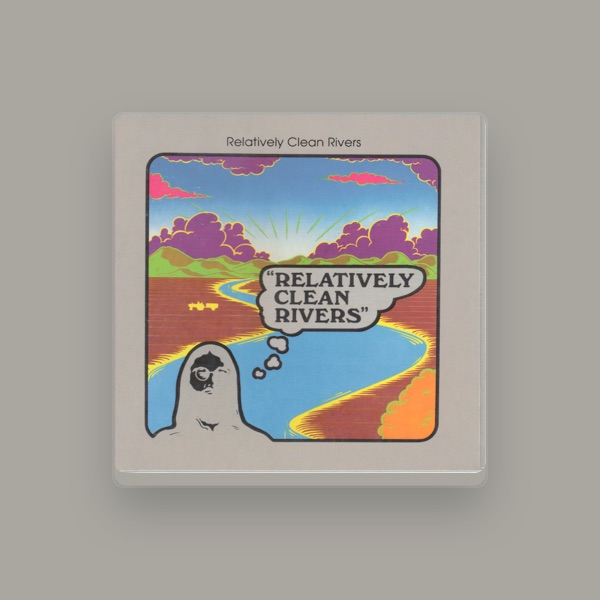
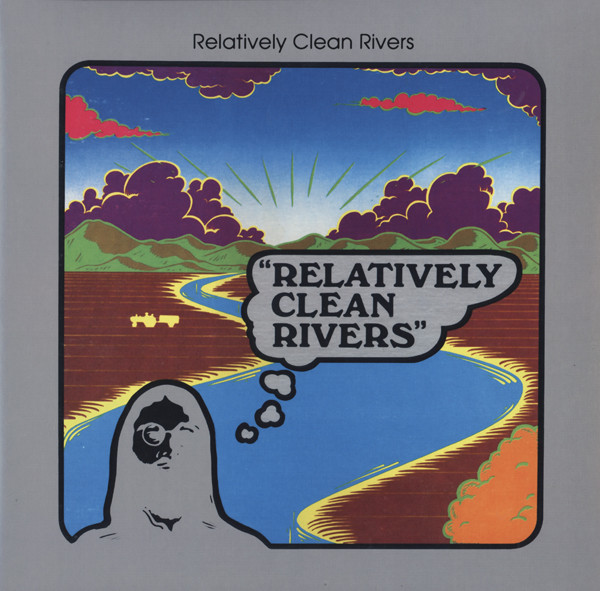
Phil Pearlman pressed maybe a few hundred copies in 1976 on his own private label with paste-on slick covers, vanished into the California hills, and left crate diggers losing their minds for the next thirty years. He didn't bother with distribution. He didn't do radio promo. He just took rural isolation, a stash of pristine acoustic guitars, and a batch of songs that sounded like a backwoods acid trip after the hippie dream was already dead and buried. Pearlman had already burned through surf and psych with The Beat of the Earth and The Electronic Hole before stripping down to this laid-back, pastoral drift. The self-titled album is entirely untainted by mid-seventies radio trends. It's clean, melodic country-psych carried by acoustic strums, fluid Telecaster leads, and zero corporate varnish. You don't get record execs or polish on a session like this — you get genuine, unfiltered rural California loner folk.
Bio from The Clerk
The Arc of Relatively Clean Rivers
The pivots — what forced Relatively Clean Rivers to reinvent.
The Communal Avant-Garde
Before stripped-back rural psych, Pearlman spent the late sixties orchestrating open-ended noise freakouts with The Beat of the Earth and The Electronic Hole. Those private-press jams were pure freeform communal improvisation cut straight to tape with minimal overdubs. By 1970, that scene fractured and left Pearlman looking for tighter song structures. You can hear the experimental edge carry over into the long, fluid solo sections of his later work.
The Rural Isolation Self-Release
By the mid-seventies, Pearlman pulled together a tight rhythm section and went out to rural California to track one definitive studio document. Cut in 1975 and pressed in 1976 with hand-glued art, the self-titled LP swapped heavy acid fuzz for acoustic picking, clean electric lines, and dry country-rock grooves. He never promoted it and never toured it. The master tapes sat in total obscurity until bootleggers and obsessive collectors forced it back into daylight decades later.
Influences
- The Grateful Dead — Pearlman openly adopted the laid-back, country-folk songwriting framework that Robert Hunter and Jerry Garcia built on Workingman's Dead and American Beauty. You hear it across the record in the conversational vocal cadence and the loose, rambling Garcia-style guitar leads on tracks like 'Hello Sunshine'. It takes the Dead's 1970 porch-strumming formula and leaves it out in the high desert.
- The Byrds — The Byrds established the entire template for California country-rock with Sweetheart of the Rodeo and their jangly early singles. Pearlman's lead tone lifts directly from Clarence White's crisp B-Bender licks and Roger McGuinn's ringing guitar phrasing. It anchors the record's entire rhythmic foundation.
- Quicksilver Messenger Service — John Cipollina's serpentine, treble-heavy acid guitar lines defined the San Francisco sound that Pearlman came up around in the late sixties. You hear that exact winding, modal soloing style cutting through the pastoral acoustic rhythm sections on the album's longer tracks. It keeps the acoustic country format from sounding conventional.
- Buffalo Springfield — The acoustic-electric friction pioneered by Stephen Stills and Neil Young on their self-titled debut was the blueprint for seventies West Coast loner psych. Pearlman uses that same dynamic: dry, upfront acoustic guitars laying the floor while an electric guitar floats over the top. It provides the melancholic, slightly paranoid edge running beneath the sweet melodies.
- Bob Dylan — Dylan's move to Nashville to track John Wesley Harding and Nashville Skyline stripped psychedelic rock down to narrative-driven, rootsy realism. Pearlman mirrors that transition completely, shedding the avant-garde noise of his sixties projects for dry, narrative folk-rock songs. The phrasing and plainspoken lyrical delivery on 'The Last Summer Day' trace straight back to Dylan's late-sixties acoustic records.
Discography
Their records — most-collected first.
Related artists
Members
Around the web
Follow every record they touch.
Start your shelf and Gatefold tracks Relatively Clean Rivers's new pressings, tour dates, and the whole discography — automatically.
Start your shelf →Free forever. Works with 10 records or 10,000.