Artist
Sheryl Crow
American singer-songwriter and musician
Kennett, United States • b. 1962
Sheryl Crow is a musician from Kennett, United States, active since 1962. Their discography on Gatefold includes 24 records.

24
Albums tracked
127
In collections
1962
Since
Biography
Watch Sheryl Crow's moving video for “Redemption Day,” featuring Johnny Cash.
The Arc of Sheryl Crow
The pivots — what forced Sheryl Crow to reinvent.
The Pasadena Collective
After her slick pop debut got shelved by A&M for being too manufactured, producer Bill Bottrell gathered a loose collective of musicians at Toad Hall in Pasadena to jam on cheap gear. This ad-hoc group wrote and recorded in a haze of cheap wine and loose structures, resulting in Tuesday Night Music Club. The sound was characterized by acoustic guitars, Wurlitzer electric pianos, and a casual, front-porch vibe that stood out in the post-grunge era. It made her a star but cost her the respect of the session players who felt shut out of the spotlight when the album blew up.
The DIY Pushback
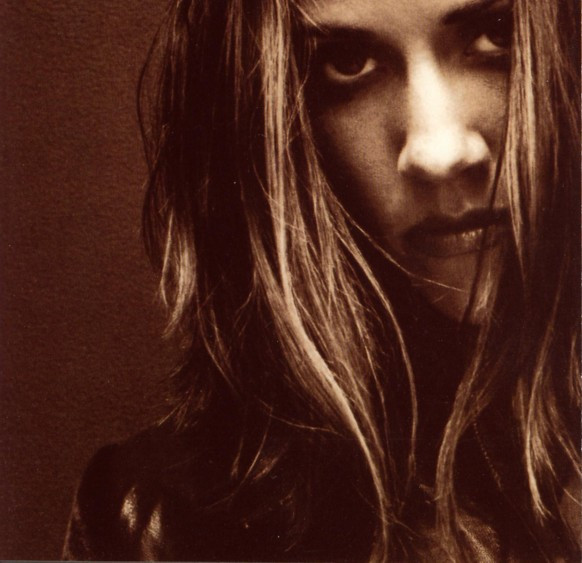
Furious over allegations that she was just a pretty face for other men's songs, Crow took the producer reins for her self-titled 1996 album. She moved the sessions to Kingsway Studio in New Orleans and played most of the bass, guitars, and keyboards herself to prove a point. She embraced a darker, dirtier aesthetic with fuzzy guitars, lo-fi drum loops, and politically charged lyrics that terrified her label. The album went triple platinum and secured her legacy as a self-reliant producer and multi-instrumentalist.
The Globe Sessions and Grit
In 1998, Crow retreated to Globe Studios in New York, a converted warehouse, to capture a swampy, soul-baring sound. Recording on analog tape with engineer Tchad Blake, she leaned heavily into acoustic blues, roots rock, and deep-seated melancholy. This era stripped away the shiny pop hooks of her debut in favor of dry, upfront vocals and raw, unpolished guitar tones. It is her most critically acclaimed sonic statement, featuring a rescued, unreleased Bob Dylan song and a mood that felt entirely lived-in.
The Nashville Crossover
After years of chasing Top 40 pop-rock with diminishing returns, Crow relocated to Nashville and fully embraced the country establishment for 2013's Feels Like Home. Recording at Warner Bros. Studios with producer Justin Niebank, she traded her trademark vintage keyboards for pedal steel and neat acoustic arrangements. This was a calculated move into the country market, cowriting with Nashville veterans like Chris DuBois to fit modern country radio formatting. While the songwriting was tight, the production lost the raw, eccentric edge that defined her nineties work.
Influences
- The Rolling Stones — Crow has cited the Stones as her ultimate blueprint, particularly their loose, swaggering early-seventies era. You can hear this influence in the sloppy, Keith Richards-style guitar riffs of 'There Goes the Neighborhood.' She eventually shared stages with them, solidifying the direct lineage of her swagger.
- Bob Dylan — Dylan was such a massive influence that he personally gave Crow his unreleased outtake 'Mississippi' to record during The Globe Sessions. Her phrasing on tracks like 'Everyday Is a Winding Road' mirrors Dylan's rhythmic vocal delivery. It is a masterclass in using folk-rock cadence inside a pop song.
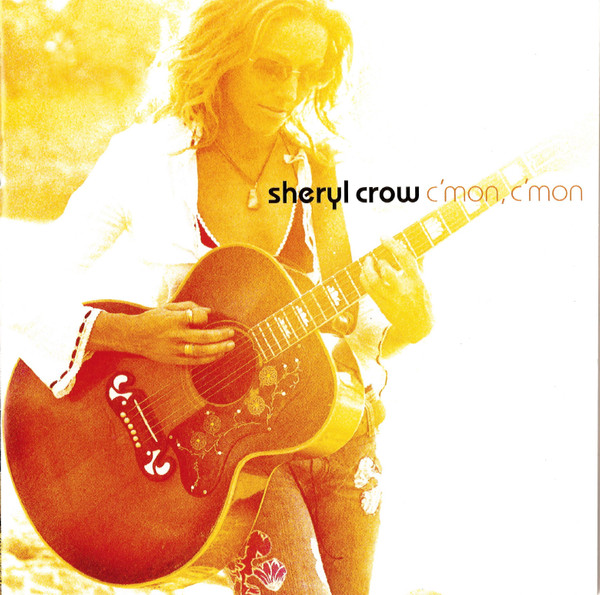
- Fleetwood Mac — Crow has frequently pointed to Fleetwood Mac's Rumours as the record that taught her how to layer acoustic and electric guitars. The tight vocal harmonies and California-pop-meets-troubled-relationship themes on 'C'mon, C'mon' are a direct nod to the Buckingham-McVie school of pop arrangement. It is the gold standard for her West Coast sound.
- Linda Ronstadt — Ronstadt's ability to effortlessly pivot between country, rock, and pop while maintaining a powerhouse vocal identity served as Crow's career template. Crow has explicitly noted Ronstadt's seventies backing bands as the inspiration for her own muscular live lineups. You hear it in the belt-it-out choruses of 'My Favorite Mistake.'
- Johnny Cash — The connection was sealed when Cash covered Crow's 'Redemption Day' for his American VI: Ain't No Grave album after they struck up a close friendship. His sparse, heavy approach to folk music heavily influenced her later acoustic work. It taught her the value of letting a vocal sit in stark, empty space.
Discography
Their records — most-collected first.

Tuesday Night Music Club
1993
Sheryl Crow
1996

The Globe Sessions
1998
C'mon, C'mon
2002

The Very Best Of Sheryl Crow
2003

Live From Central Park
1999
If It Makes You Happy
1996
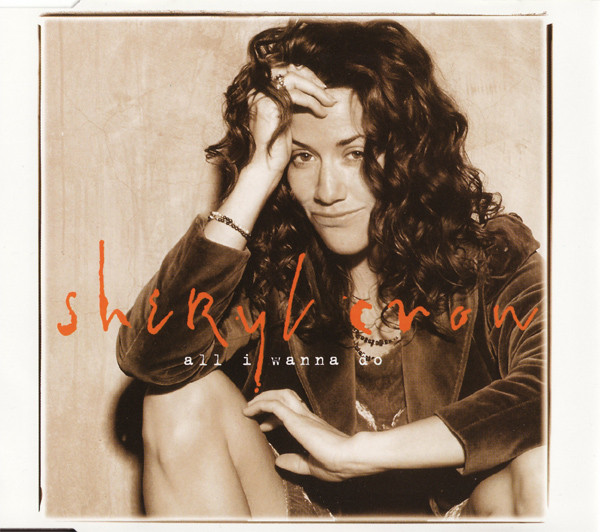
All I Wanna Do
1994
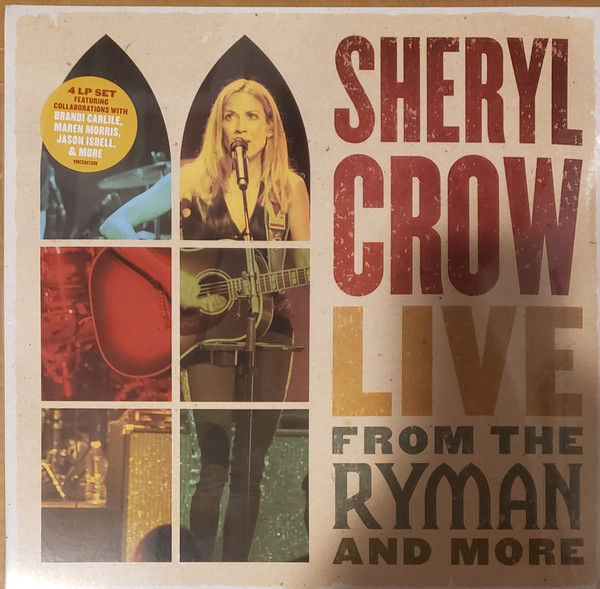
Live From The Ryman And More
2021
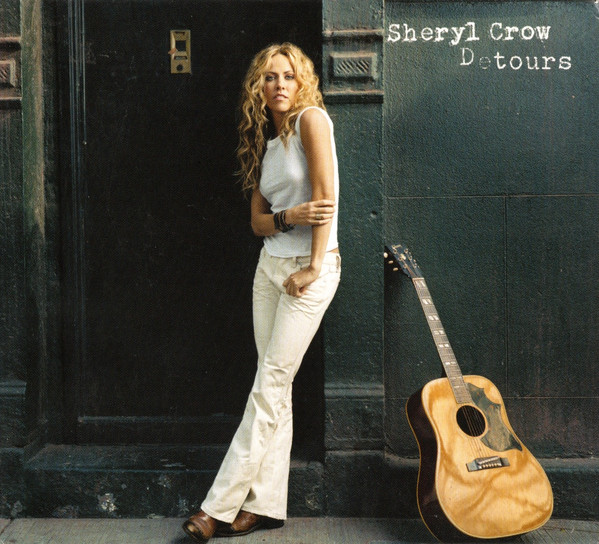
Detours
2008

My Favorite Mistake
1998
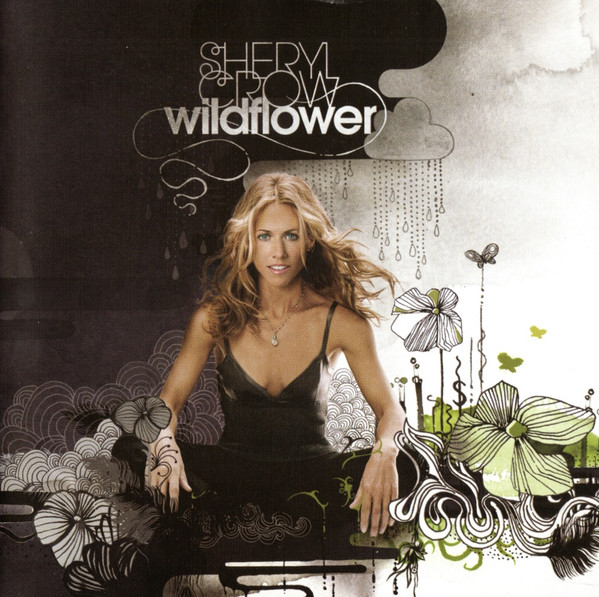
Wildflower
2005

Anything But Down
1999

There Goes The Neighborhood
1998
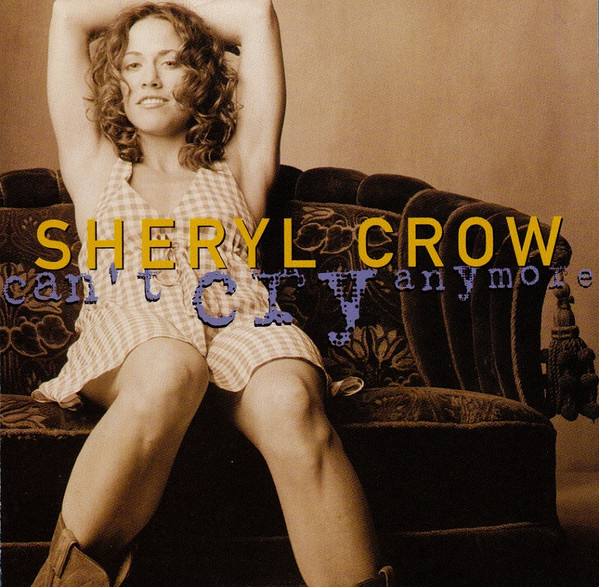
Can't Cry Anymore
1995

Strong Enough
1994

Evolution
2024

Threads
2019

100 Miles From Memphis
2010
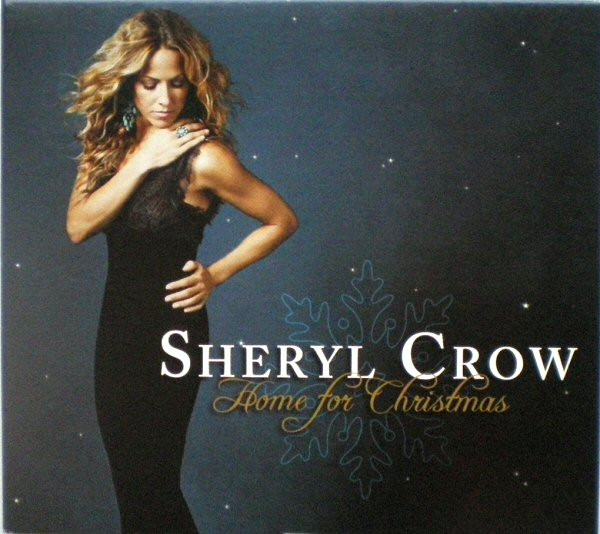
Home For Christmas
2008

Hits & Rarities
2007
Soak Up The Sun
2002
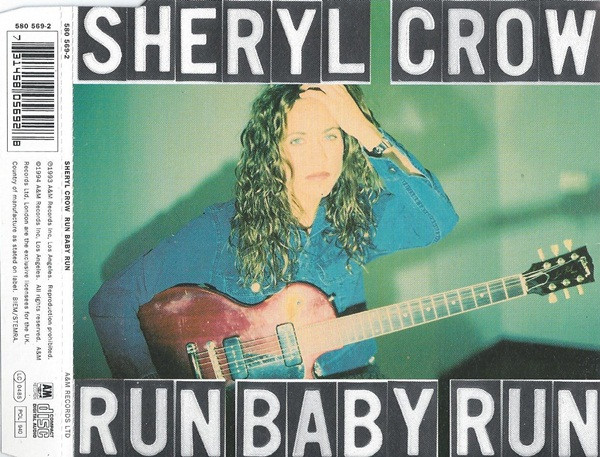
Run, Baby, Run
1993

Sheryl: Music From The Feature Documentary
2022
Related artists
Bands & projects
Around the web
Follow every record they touch.
Start your shelf and Gatefold tracks Sheryl Crow's new pressings, tour dates, and the whole discography — automatically.
Start your shelf →Free forever. Works with 10 records or 10,000.