
Artist
The Rolling Stones
Dartford, United Kingdom
The Rolling Stones is a music group from Dartford, United Kingdom. Their discography on Gatefold includes 24 records.

135
Albums tracked
3,349
In collections
—
Since
Biography
Andrew Loog Oldham locked Keith and Mick in a kitchen and told them they weren't coming out until they wrote a song, because he knew they couldn't survive on Chuck Berry covers forever. That’s the real origin story—not some cosmic alignment, just a savvy manager realizing the publishing royalties were in the writing. They started as blues purists and ended up as the greatest rock and roll band on the planet by sheer force of ego and a refusal to let the Beatles own the charts. Brian Jones was the heart of the early weirdness, bringing in sitars and marimbas, but once he drifted out to the pool, the band became a twin-guitar engine fueled by Keith’s five-string Open G tuning. They spent the seventies being the coolest people in the room and the eighties trying to figure out if they still liked each other. You can smell the stale smoke and expensive upholstery on records like Black and Blue, where they were auditioning guitarists in real-time after Mick Taylor bailed. They’ve spent forty years as a touring corporation, but when they actually bother to lock in—usually when Keith finds a riff that bothers him enough to wake up—they still sound like the most dangerous thing in the room. It’s all about the push and pull between Charlie Watts’s jazz-inflected backbeat and Keith’s erratic timing. If they ever actually played perfectly on the beat, the whole thing would fall apart.
Bio from The Clerk
The Arc of The Rolling Stones
The pivots — what forced The Rolling Stones to reinvent.
The Jimmy Miller Run
Everything changed when they hired producer Jimmy Miller, who brought a percussive, gritty urgency that defined their four-album peak starting with Beggars Banquet. Miller was a drummer himself, and he pushed the band away from the psychedelic fluff of Satanic Majesties back toward a swampy, dangerous version of American roots music. This era is where they perfected the 'weaving' guitar style, especially once Mick Taylor joined and brought a melodic fluidity that balanced Keith's jagged rhythm. You hear it in the dense, claustrophobic mix of Exile on Main St., recorded in a damp basement in France where the humidity literally detuned the instruments.
The Disco-Punk Pivot
By 1978, the band was written off as dinosaurs until they decamped to Pathé Marconi in Paris to record Some Girls. Mick Jagger was hitting the New York clubs and pulled that four-on-the-floor disco pulse into 'Miss You,' while the rest of the record snarled with a fast, snotty energy borrowed from the punk scene that wanted them dead. It was the first time Ronnie Wood really integrated as the permanent foil to Keith, creating a leaner, tougher sound that stripped away the horn sections and excess of the mid-seventies. This pivot saved their career and proved they could out-hustle the kids who were trying to replace them.
The Slick Machine
The Dirty Work sessions in the mid-eighties were a disaster, with Mick and Keith barely speaking and the production sounding like a gated-reverb nightmare. They finally stabilized with Steel Wheels in '89, which signaled their transition into the high-gloss, stadium-conquering entity they’ve been ever since. The records became cleaner and more calculated, designed to anchor massive world tours rather than break new ground. You hear the shift in the separation of the instruments and the professional sheen that replaced the old basement grime, turning the band into a reliable, immovable institution.
Influences
- Muddy Waters — The band took their name from his 1950 track 'Rollin' Stone' and spent their early years trying to replicate the Chess Records sound. You hear it in the heavy, distorted slide guitar on 'I Wanna Be Your Man' and the deep-pocket groove they chased for decades. Keith Richards has repeatedly cited Muddy as the grandfather of their entire aesthetic.
- Chuck Berry — Keith Richards practically built his entire vocabulary on Chuck Berry’s double-stop guitar intros and syncopated rhythms. They covered 'Come On' for their first single and 'Carol' on their debut LP. Without Berry's blend of country storytelling and R&B drive, the Stones would have stayed a jazz-adjacent blues band.
- Bo Diddley — The signature 'Bo Diddley beat' is the DNA of tracks like 'Not Fade Away' and '19th Nervous Breakdown.' They toured with him in 1963 and copped his tremolo-heavy guitar sound and rhythmic arrogance. It gave them a primitive, tribal edge that set them apart from the more melodic British Invasion bands.
- Jimmy Reed — Mick Jagger’s harmonica style and Keith’s laid-back, lazy-shuffle rhythm parts are straight lifts from Reed’s Vee-Jay recordings. You hear this influence most clearly on 'Honky Tonk Women' and their cover of 'Little by Little.' Reed taught them that you didn't have to be loud to be heavy.
- Robert Johnson — The band famously covered 'Love in Vain' and 'Stop Breaking Down Blues,' leaning into the haunted, rural acoustic tension Johnson pioneered. Keith Richards famously thought there were two people playing on Johnson's records when he first heard them. That sense of mystery and 'deal with the devil' imagery became the bedrock of their late-sixties persona.
Discography
Their records — most-collected first.
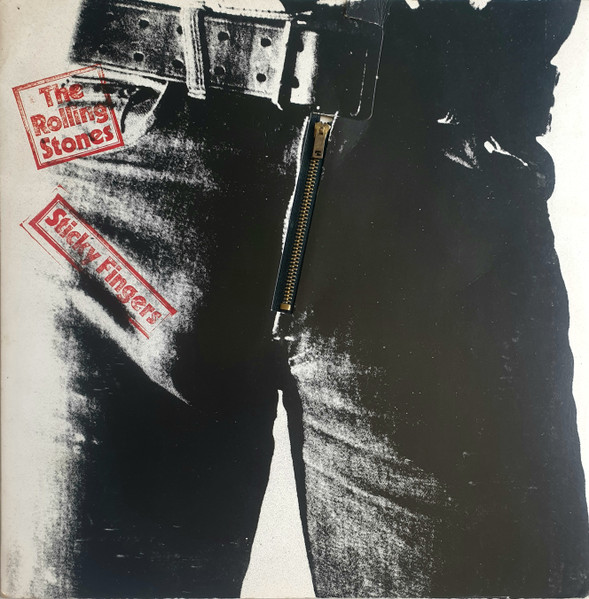
Sticky Fingers
1971
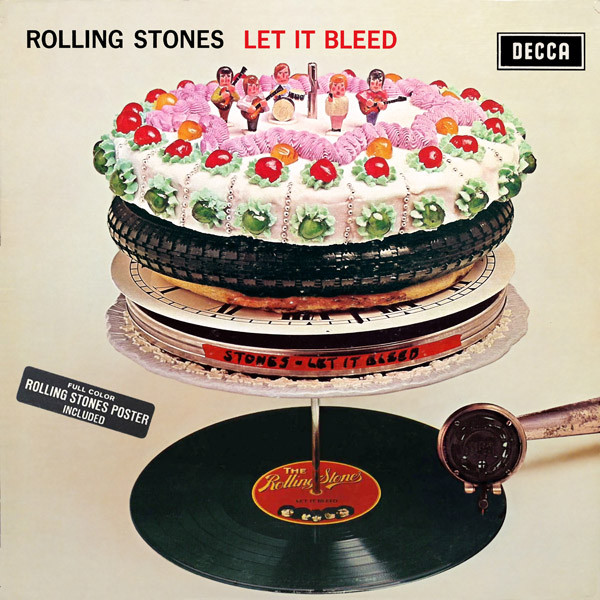
Let It Bleed
1969
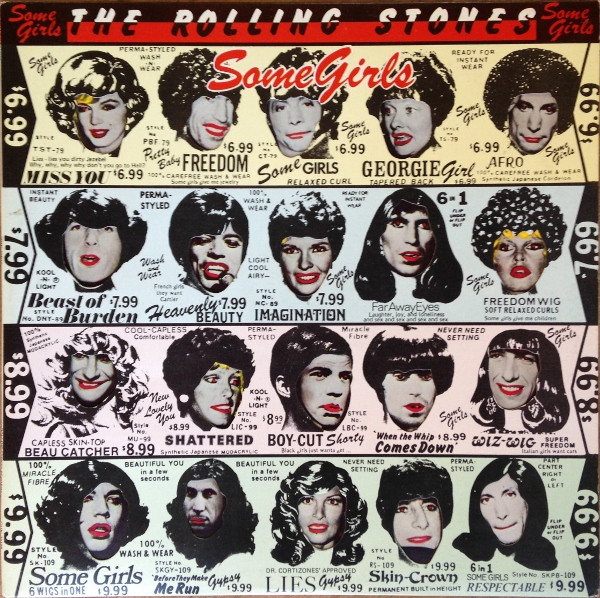
Some Girls
1978
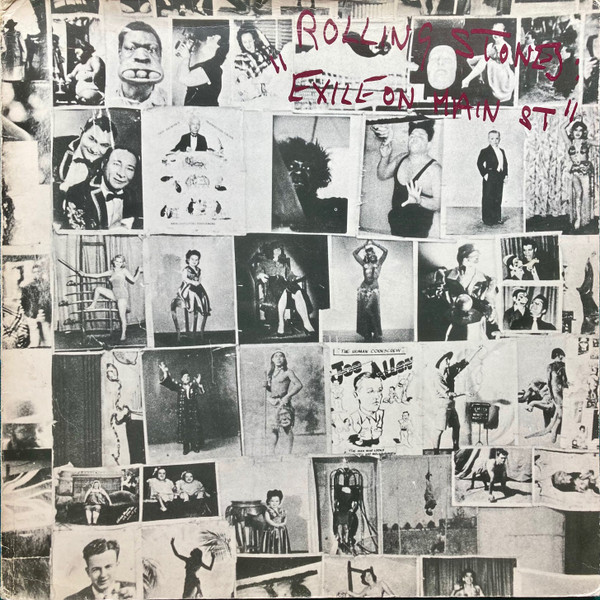
Exile On Main St.
1972
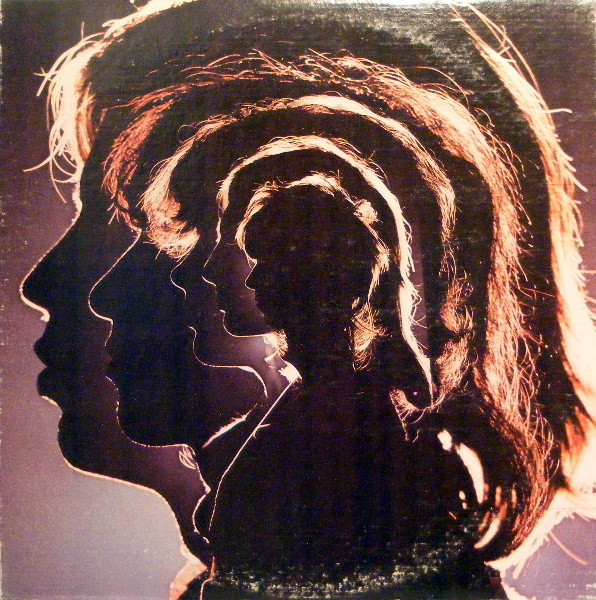
Hot Rocks 1964-1971
1971
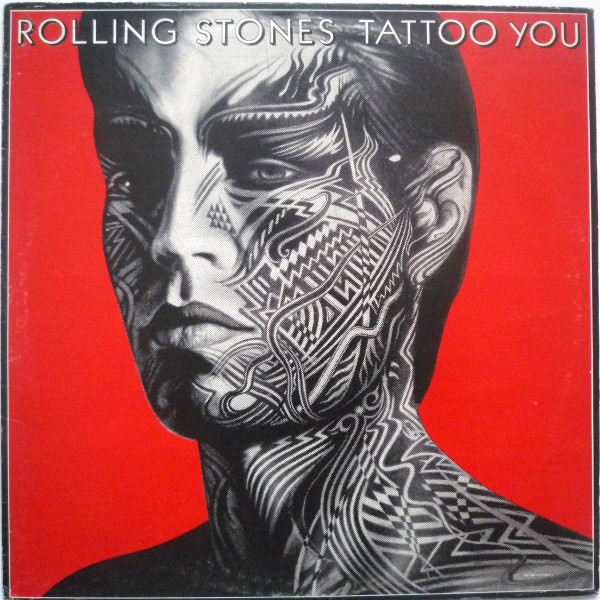
Tattoo You
1981
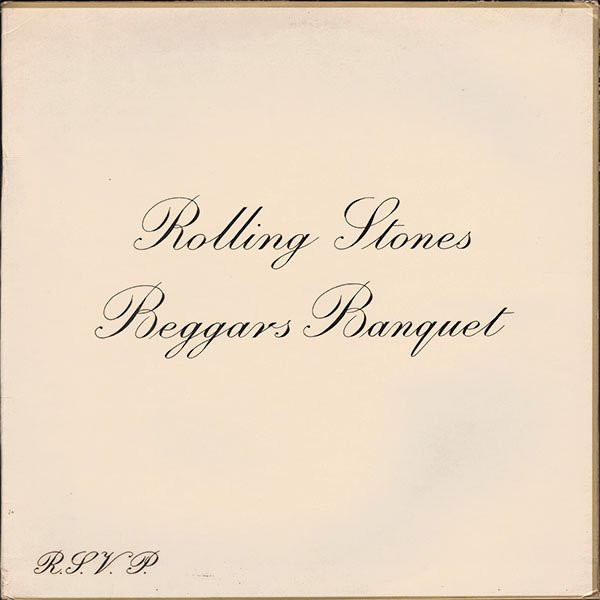
Beggars Banquet
1968
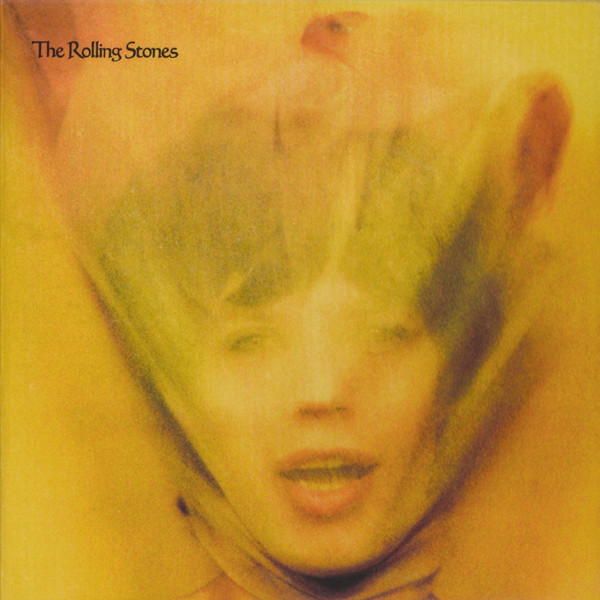
Goat's Head Soup
1973
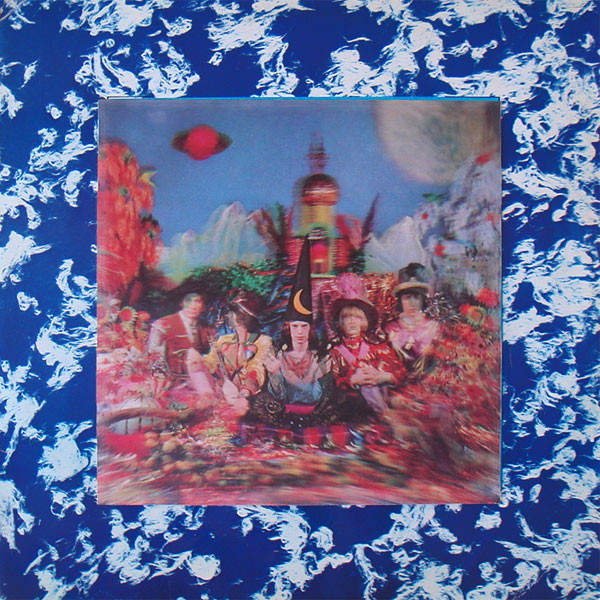
Their Satanic Majesties Request
1967
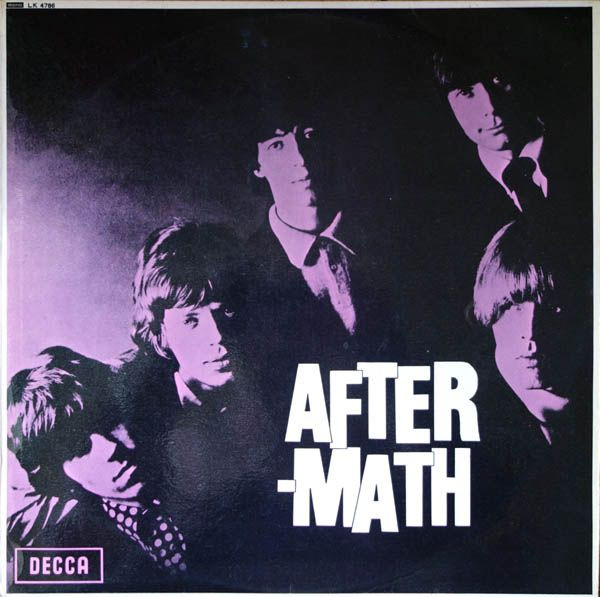
Aftermath
1966
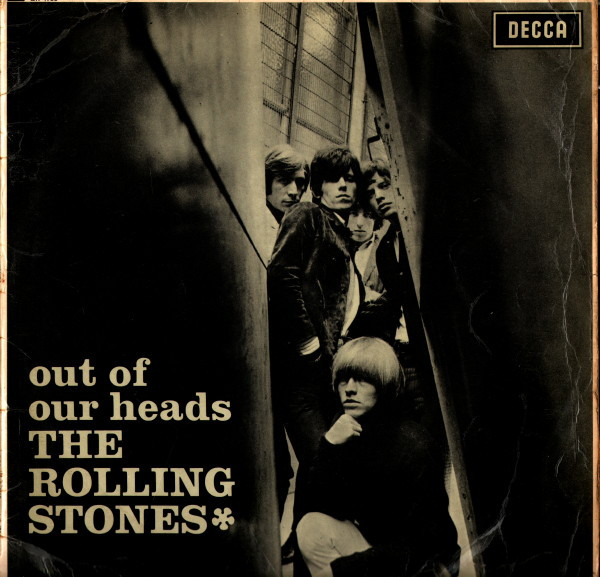
Out Of Our Heads
1965
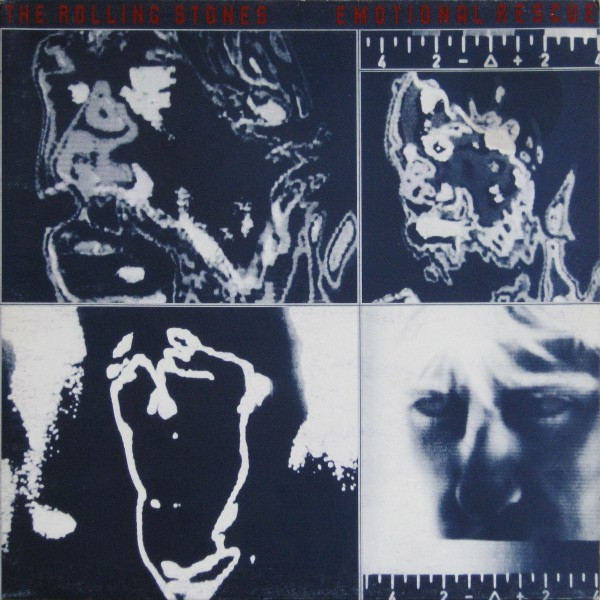
Emotional Rescue
1980

Between The Buttons
1967

It's Only Rock 'N Roll
1974

Get Yer Ya-Ya's Out! - The Rolling Stones In Concert
1970
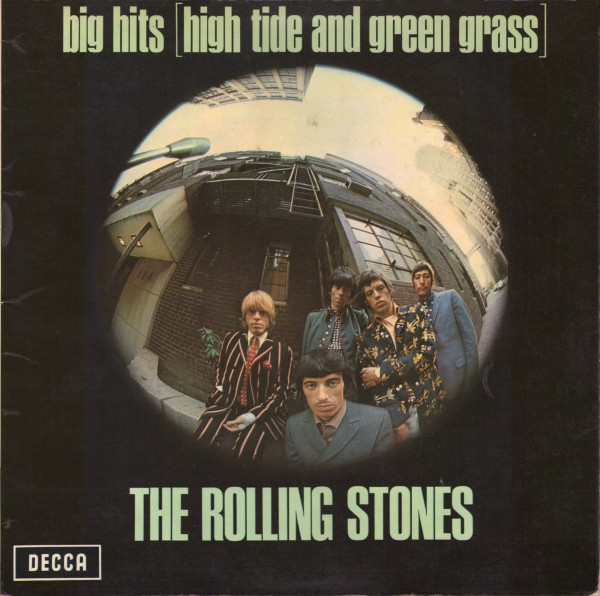
Big Hits (High Tide And Green Grass)
1966

Black And Blue
1976
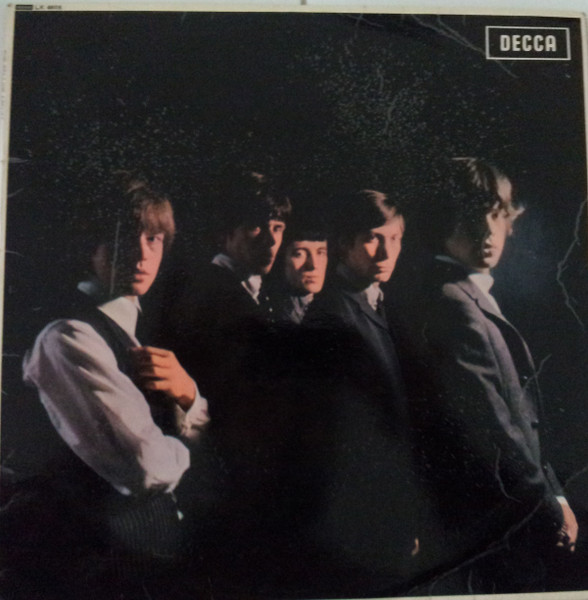
The Rolling Stones
1964
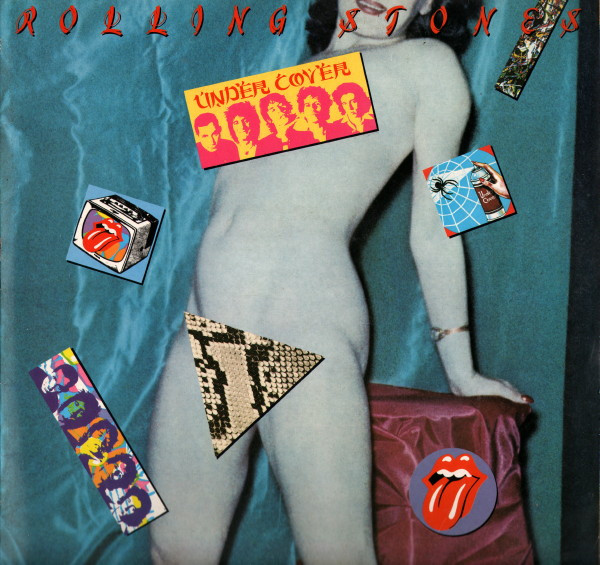
Undercover
1983
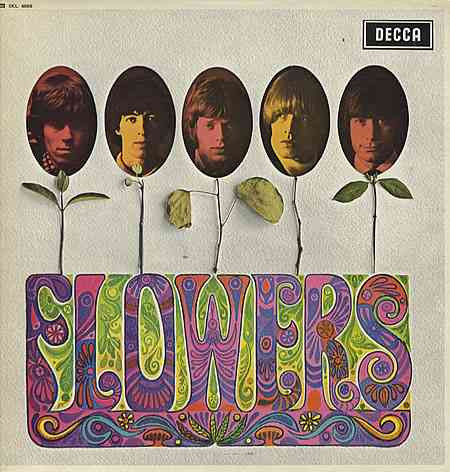
Flowers
1967
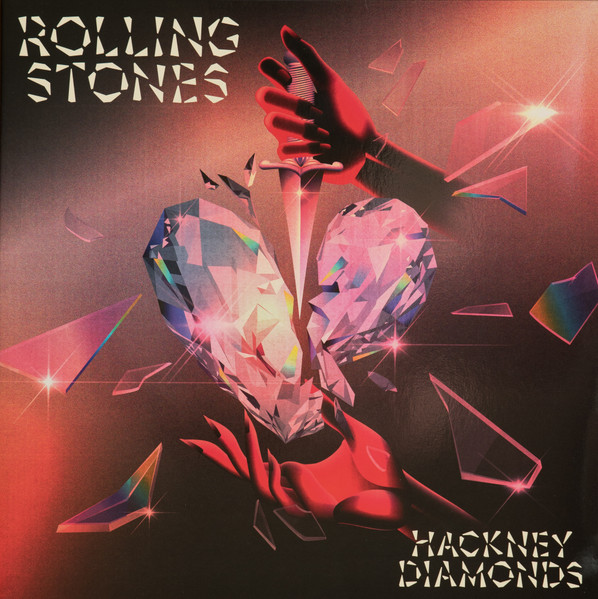
Hackney Diamonds
2023
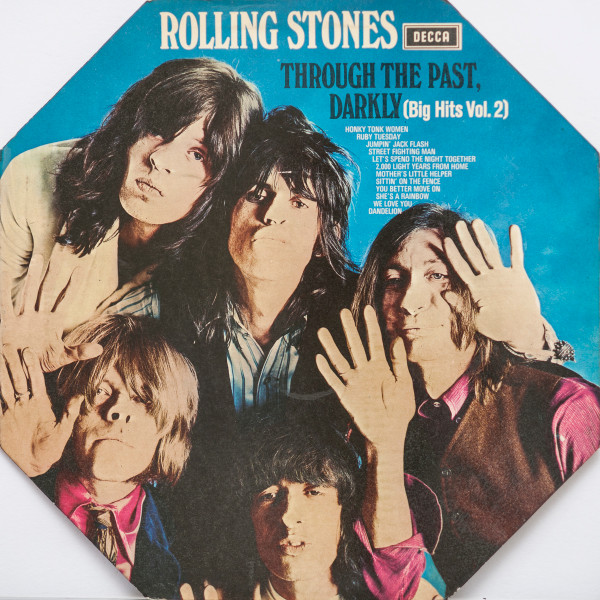
Through The Past, Darkly (Big Hits Vol. 2)
1969
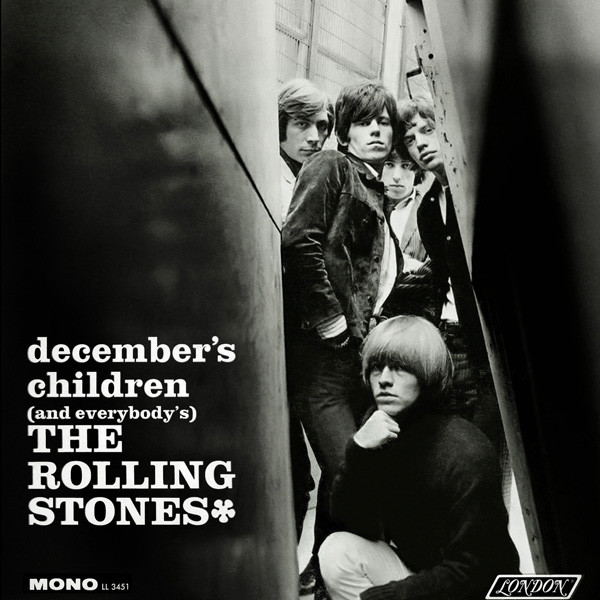
December's Children (And Everybody's)
1965
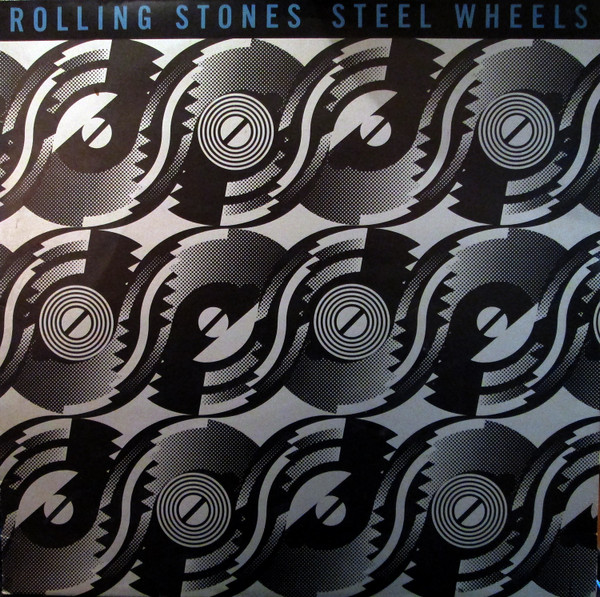
Steel Wheels
1989
Related artists
Members
Around the web
Follow every record they touch.
Start your shelf and Gatefold tracks The Rolling Stones's new pressings, tour dates, and the whole discography — automatically.
Start your shelf →Free forever. Works with 10 records or 10,000.