Artist
Styx
United States
Styx is a music group from United States. Their discography on Gatefold includes 24 records.

53
Albums tracked
498
In collections
—
Since
Biography
Before they were selling out arenas in satin pants, they were sweating through four-track boards at Chicago's Paragon Studios, trying to weld English art-rock pretension onto south-side bar band grit. Wooden Nickel Records paid them next to nothing, and early cuts sounded like a Hammond B3 fighting a dimed Marshall stack for airspace. Dennis DeYoung wanted to be Andrew Lloyd Webber; James Young wanted to be Jimi Hendrix. That friction between pompous theater-kid melodrama and street-level hard rock guitar solos is the only reason this band worked at all. Once Tommy Shaw replaced John Curulewski in late '75, the balance of power shifted from weird midwestern prog to ruthless FM radio precision. They cracked the triple-platinum code by turning high-concept bombast into accessible blue-collar arena anthems. Then DeYoung pushed the theatrics too far with robot suits and dystopian rock operas, completely blowing up the band's internal chemistry. When they finally purged the Broadway shtick, they settled into a road-dog rhythm section that proved they were always better musicians than their critics ever wanted to admit.
Bio from The Clerk
The Arc of Styx
The pivots — what forced Styx to reinvent.
The Wooden Nickel Prog Years
Signed to a tiny local label out of Chicago, the band churned out four raw, disjointed records trying to imitate British art-rock giants. John Curulewski and JY traded heavy, fuzz-drenched riffs while DeYoung dragged them toward church organ sweeps and synthesized space jams. It was messy and commercially ignored until 'Lady' caught fire on local radio years after its release. That fluke regional hit bought them a ticket out of the minor leagues and directly onto A&M Records.
The Platinum Arena Dominance
Curulewski walked out right before the Equinox tour, forcing the band to recruit Alabama-born guitarist Tommy Shaw in late 1975. Shaw gave them a sharp, melodic counterweight to DeYoung's sweeping operatics, sparking a historic run of consecutive triple-platinum records starting with 1977's The Grand Illusion. They owned FM airwaves by colliding theater-kid conceptual grandiosity with dual-lead guitar hooks and razor-sharp vocal harmonies. The tension between Shaw's straight-ahead rock instincts and DeYoung's conceptual excess became their signature engine.
The Kilroy Implosion
Emboldened by the chart-topping theater of Paradise Theatre, DeYoung took total creative control and forced a heavy-handed, anti-censorship concept album called Kilroy Was Here onto the band in 1983. The accompanying tour involved acting out theatrical skits in robot masks before playing instruments, which alienated Shaw and Young entirely. The backstage animosity boiled over into physical shouting matches, fractured the lineup, and effectively killed the classic era mid-tour. Shaw walked away, leaving the band on life support for the rest of the decade.
The Post-DeYoung Resurgence
After a rocky late-nineties reunion album collapsed over health battles and creative control, the band permanently cut ties with DeYoung in 1999 and brought in Canadian keyboardist Lawrence Gowan. With drummer Todd Sucherman locking down the rhythm section after John Panozzo's death, they stopped chasing Top 40 ballads and rebuilt themselves as a relentless touring machine. Recent studio records like The Mission leaned all the way back into heavy, complex progressive arrangements without the Broadway baggage. They survived the nostalgia circuit by simply out-playing everyone who wrote them off.
Influences
- Yes — DeYoung and Curulewski spent their early rehearsals studying Fragile to copy the rapid-fire keyboard-and-bass handoffs. You hear the direct lift in the multi-part vocal suites and Minimoog arpeggios across Styx II and 'The Serpent Is Rising'. It gave a gang of Chicago bar players an excuse to try complex time signatures.
- The Jimi Hendrix Experience — James Young has repeatedly cited seeing Hendrix live as the catalyst for abandoning standard blues licks for aggressive, feedback-driven hard rock. You hear that searing, Strat-heavy bite ripping through the pompous organ sections on 'Midnight Ride' and 'Miss America'. It kept the band from devolving entirely into light opera.
- Emerson, Lake & Palmer — Keith Emerson's aggressive, percussive use of the Hammond B3 and modular Moog was Dennis DeYoung's absolute north star in the early seventies. The massive classical synthesizer fanfares on 'Suite Madame Blue' and 'The Grand Illusion' are direct descendants of Tarkus. DeYoung wanted the keys to compete with heavy guitars, and ELP wrote that playbook.
- The Beatles — The band openly modeled their towering, four-part harmony arrangements on Abbey Road's vocal stacks. You can hear that strict, polished three-and-four-voice blending cutting across the choruses of 'Lady' and 'Come Sail Away'. It gave their heaviest prog riffs an undeniable pop polish that radio programmers couldn't ignore.
- The Who — Townshend's style of anchoring hard rock epics with explosive, strummed acoustic guitars directly informed Tommy Shaw's songwriting approach. You hear the blueprint of 'Baba O'Riley' and 'Pinball Wizard' driving the rhythm tracks of 'Renegade' and 'Blue Collar Man'. It grounded their grand conceptual ambitions in heavy, physical rhythm playing.
Discography
Their records — most-collected first.
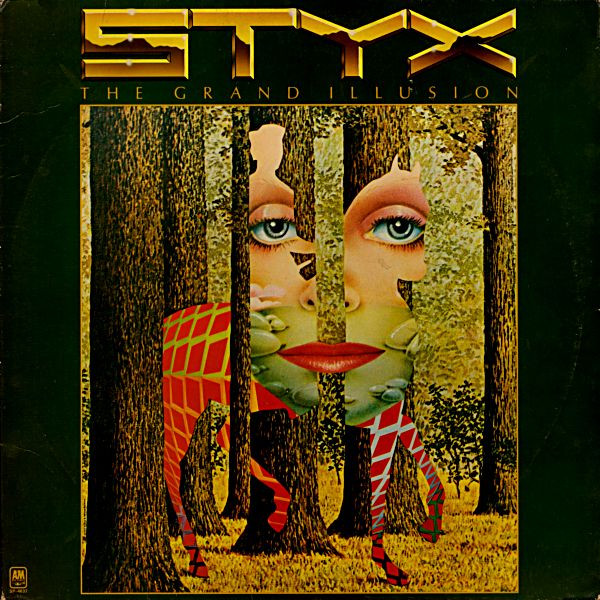
The Grand Illusion
1977
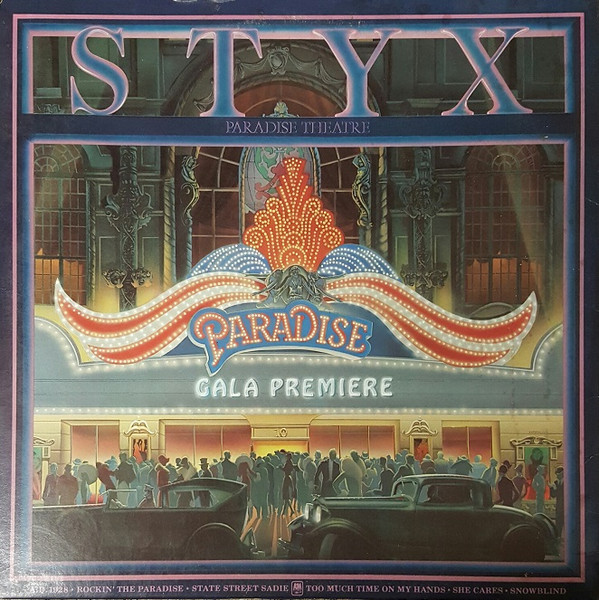
Paradise Theatre
1981
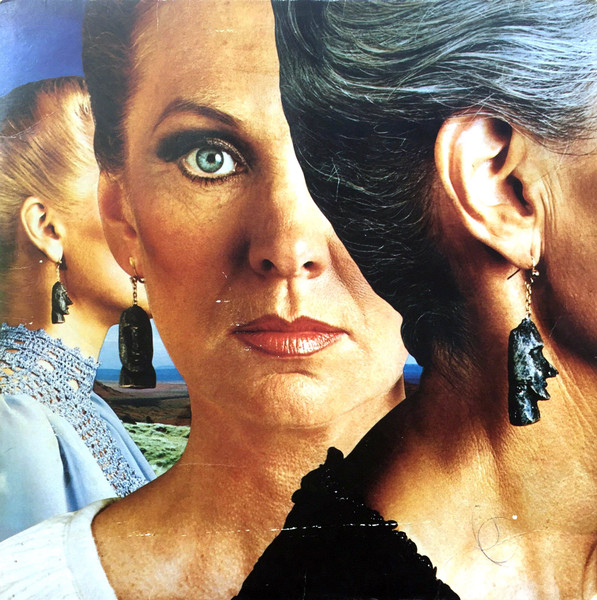
Pieces Of Eight
1978
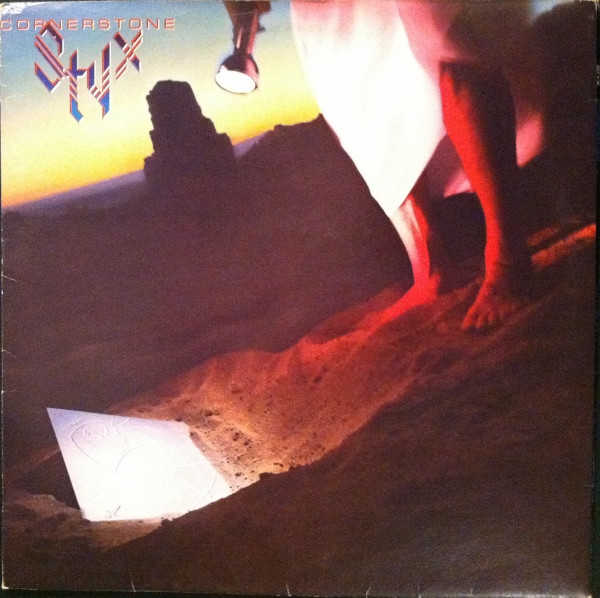
Cornerstone
1979
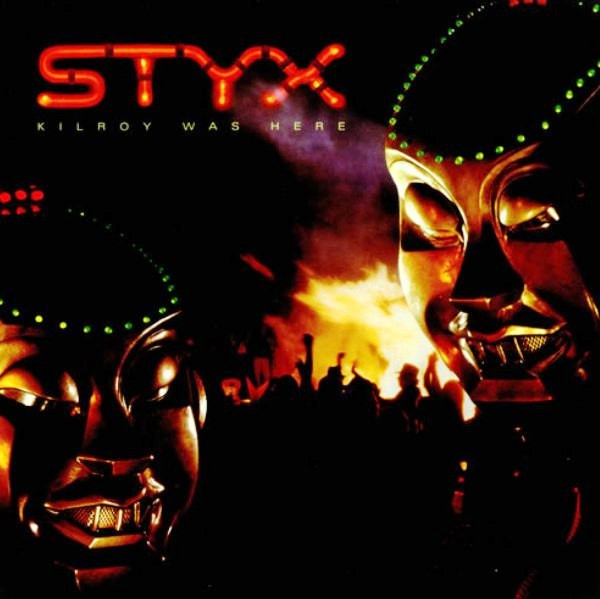
Kilroy Was Here
1983
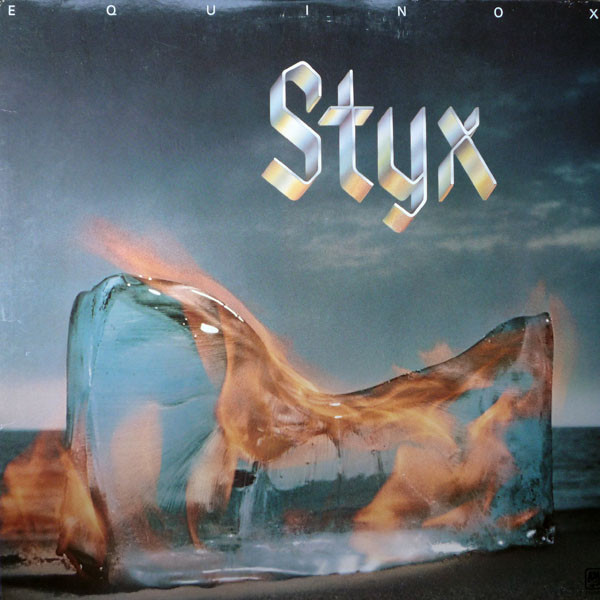
Equinox
1975
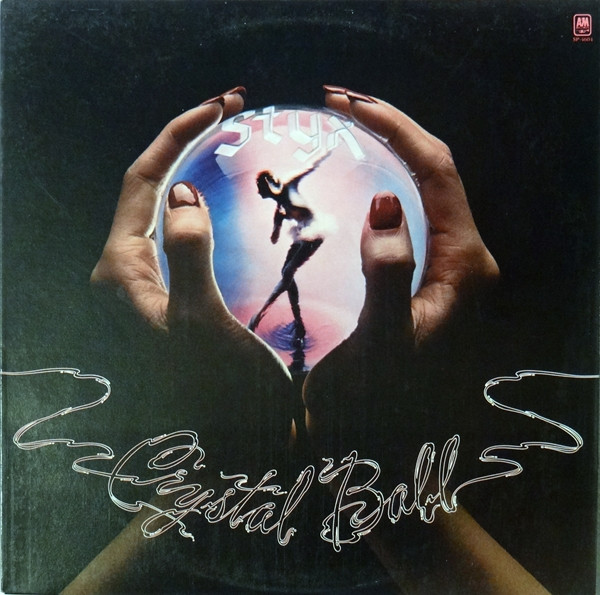
Crystal Ball
1976
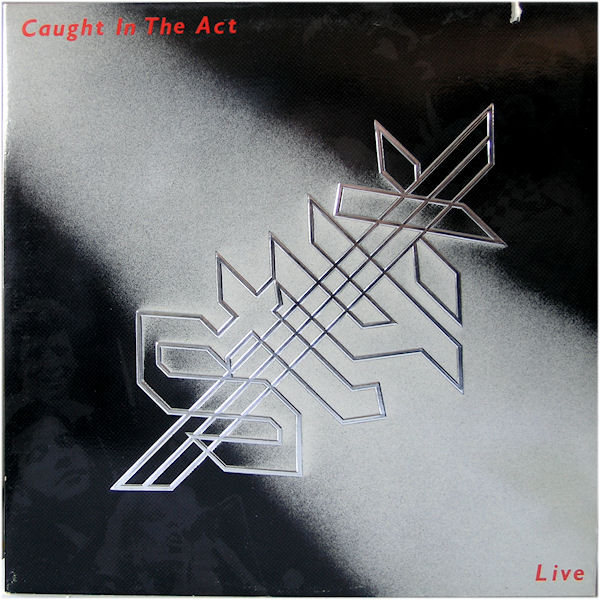
Caught In The Act Live
1984
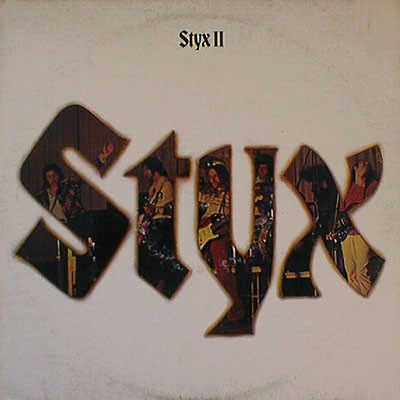
Styx II
1973

Greatest Hits
1995

Styx
1972

The Mission
2017
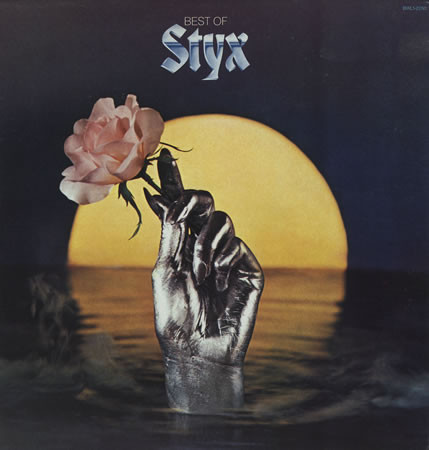
Best Of Styx
1977
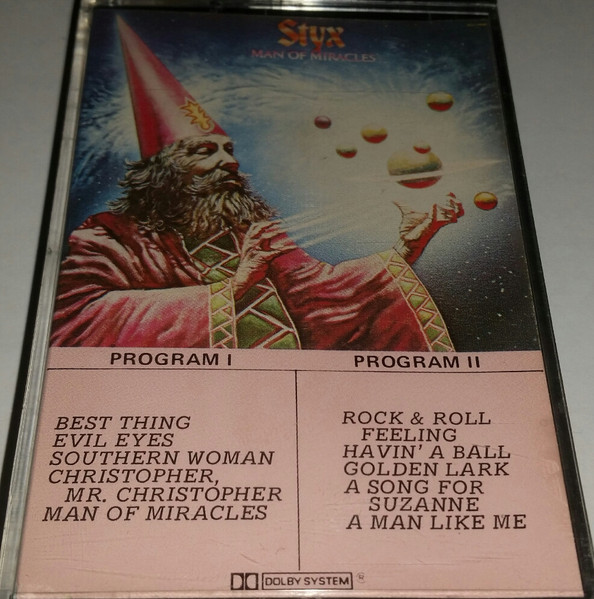
Man Of Miracles
1974

Classics Volume 15
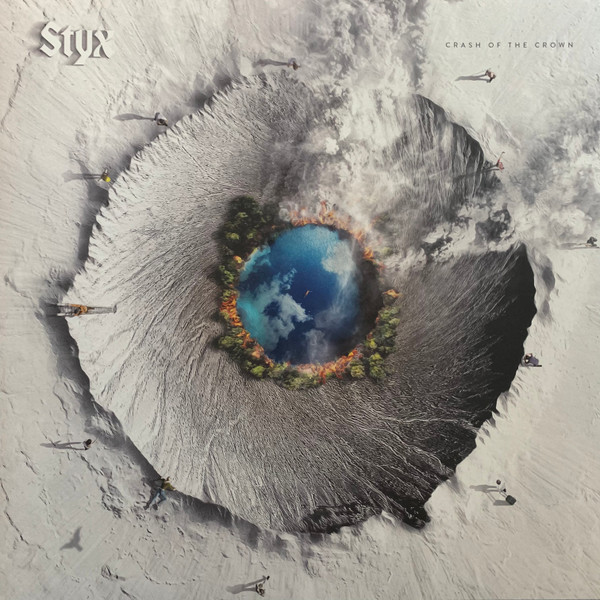
Crash Of The Crown
2021

Icon
2010
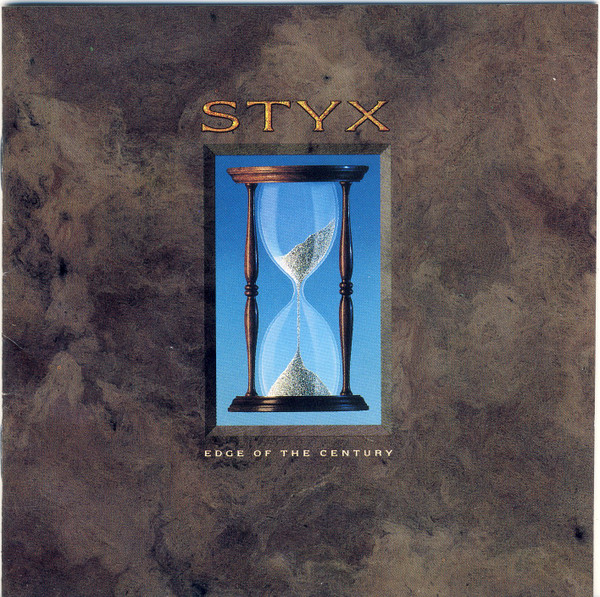
Edge Of The Century
1990
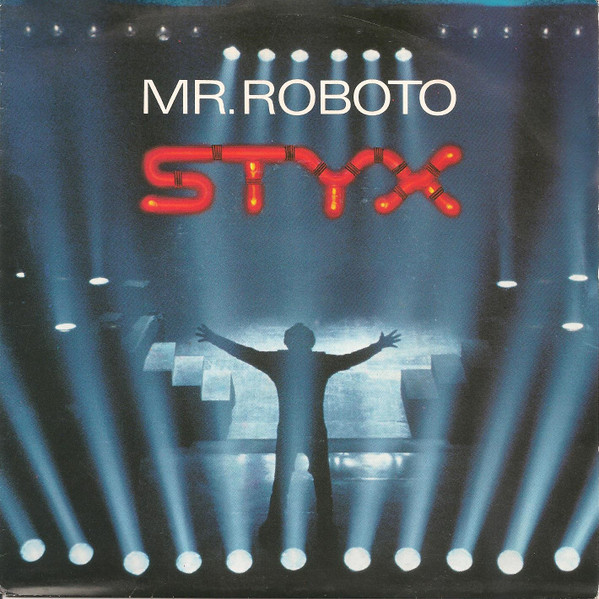
Mr. Roboto
1983
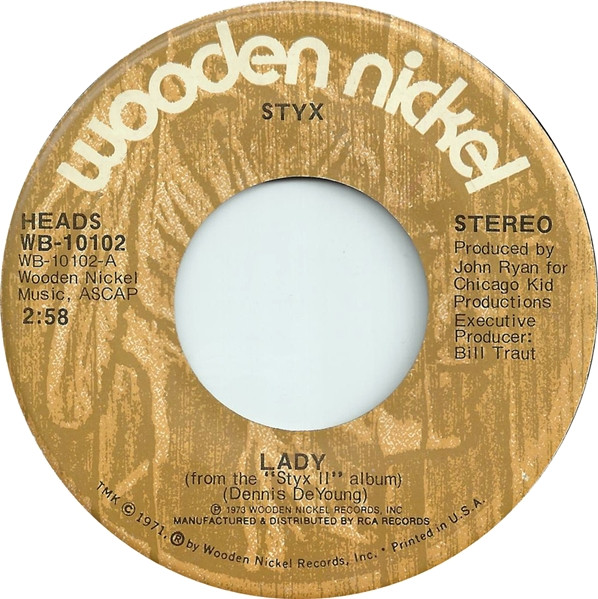
Lady
1974

The Serpent Is Rising
1973

Extended Versions: The Encore Collection
2000

The Best Of Times
1981
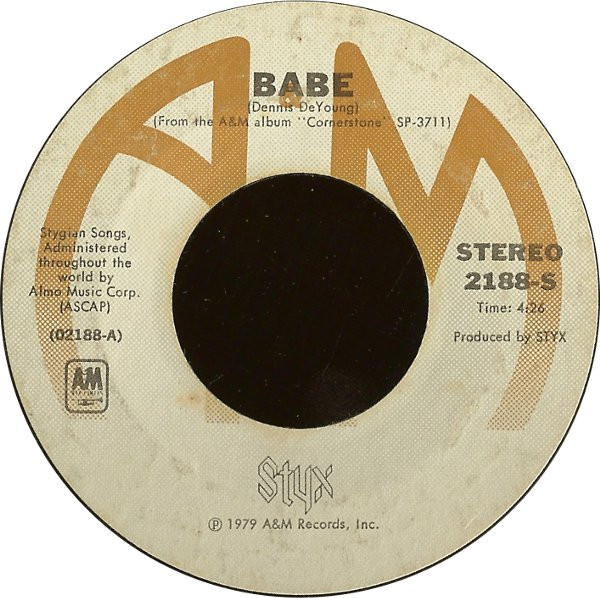
Babe
1979
Related artists
Around the web
Follow every record they touch.
Start your shelf and Gatefold tracks Styx's new pressings, tour dates, and the whole discography — automatically.
Start your shelf →Free forever. Works with 10 records or 10,000.