Artist
Sugar
Dutch singer, Monique Schreijenberg
1959 – 2007
Sugar is a musician, active 1959–2007. Their discography on Gatefold includes 6 records.

6
Albums tracked
98
In collections
1959
Since
Biography
Monique Schreijenberg didn't start with a high-budget studio plan; she started with a weirdly specific name change and a push toward the Euro-dance floor. She was doing commercial pop under the name Sugar while the rest of the Dutch scene was either obsessed with gabber or trying to clone American grunge. The music was built on the back of synthesized hooks and that mid-90s obsession with clean, compressed production that felt like a neon light in a dark club. It was never about the 'soul' of the singer—it was about the efficiency of the beat. She eventually dropped the stage name and went back to being Monique, but the Sugar era is where the machinery of the industry really tried to mold her. It’s that brief, shiny window where a singer becomes a product for a specific market—in this case, the Benelux pop circuit. It wasn't meant to last thirty years; it was meant to move units on a Tuesday in Rotterdam.
Bio from The Clerk
The Arc of Sugar
The pivots — what forced Sugar to reinvent.
The Dutch Pop Factory
The mid-90s in the Netherlands was a strange vacuum between the end of the early rave scene and the rise of polished TV talent shows. Monique stepped into this as Sugar, backed by producers who wanted to capitalize on the upbeat, radio-friendly dance-pop that was killing it on the charts. You hear it in the way the vocals are layered—heavy on the treble, designed to cut through the noise of a car radio. It was a calculated pivot from anonymity to being a front-facing pop persona for a label that needed a face for their beats.
The Reversion to Monique
By the late 90s, the Sugar identity had run its course as the Euro-dance bubble started to leak. Monique shed the stage name to record under her own name, Monique Schreijenberg, shifting toward a more traditional vocal approach. The synthetic gloss of the early records was swapped for arrangements that allowed for more dynamic range, even if it meant losing that specific club energy. It was the sound of an artist reclaiming their own name once the marketing budget for the 'character' dried up.
Influences
- Madonna — Schreijenberg explicitly cited Madonna as her primary blueprint for the Sugar persona in multiple 1990s Dutch press interviews. You hear it in the rhythmic phrasing and the way she adopts a persona rather than just singing as herself. It’s the same 'chameleon' marketing strategy applied to the Dutch pop market.
- ABBA — The melodic structures used by her producers were rooted in the Swedish pop template of the 70s. The way the choruses stack harmonies over a driving 4/4 beat is a direct lift from the Benny and Björn playbook. It gives the tracks a structural familiarity that makes them feel like hits even if it's your first time hearing them.
- Donna Summer — The influence of the Moroder-era disco pulse is all over the Sugar tracks. The steady, unwavering electronic pulse is the foundation for her more energetic vocal takes. It provides the necessary friction between the human voice and the cold, mechanical sequence of the synth.
- Janet Jackson — The sharp, staccato delivery on her more upbeat tracks mirrors the Janet-style syncopation that dominated global radio in the early 90s. This was a documented effort by her production team to make the Dutch pop scene feel internationally relevant. It’s all about the 'snap' in the vocal performance.
- Candi Staton — The transition from dance music to more personal, soul-influenced material later in her career follows the path of 70s soul icons. She looked toward these singers when she decided to move away from the synthetic 'Sugar' sound. It’s where she found the confidence to prioritize the vocal over the arrangement.
Discography
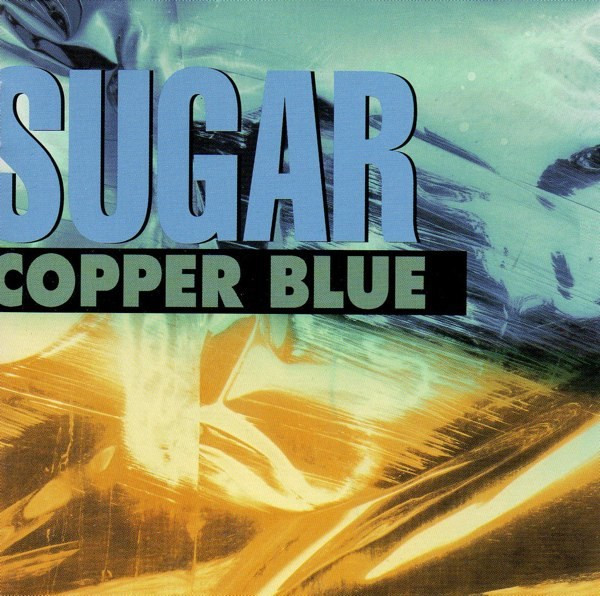
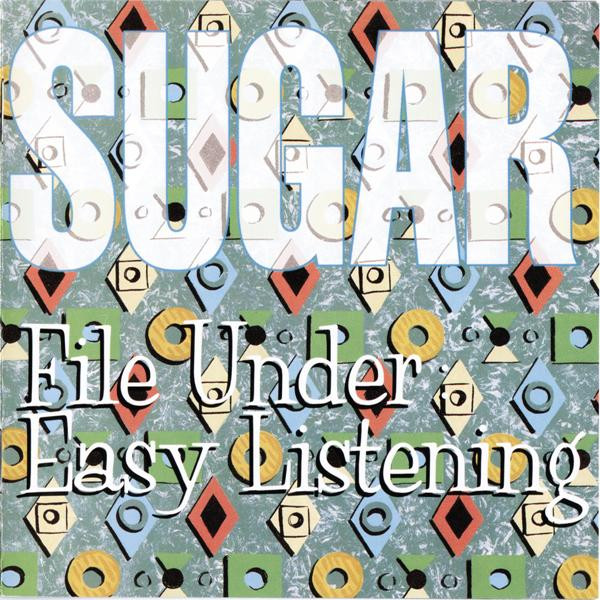
Their records — most-collected first.


Related artists
Frequent collaborators
Around the web
Follow every record they touch.
Start your shelf and Gatefold tracks Sugar's new pressings, tour dates, and the whole discography — automatically.
Start your shelf →Free forever. Works with 10 records or 10,000.