
Artist
The Daysleepers
Buffalo
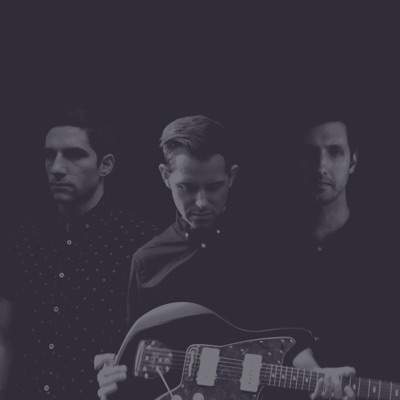
The Daysleepers is a music group from Buffalo. Their discography on Gatefold includes 3 records.
3
Albums tracked
2
In collections
—
Since
Biography
Jeff Kandefer was obsessed with the physics of reverb before most people in Buffalo even knew what a shimmer pedal was. He treated The Daysleepers like a hermetic seal against the early 2000s garage rock revival. While everyone else was trying to sound like The Strokes, these guys were locked in a bedroom figuring out how to make a Jaguar guitar sound like a cathedral underwater. It wasn't about being part of a scene; it was about the technical isolation of early home recording and the DIY obsession with 4AD-era production values. They dropped Hide Your Eyes and The Soft Attack in quick succession, proving they could nail that high-fidelity wash without a major label budget. Then they went quiet for a decade after the Remixes collection in 2010. That's a hell of a gap. Most bands die there. Kandefer just sat on the project until the tech and the headspace caught up with his vision for Creation in 2018. It’s rare to see a project go into cryosleep and come out sounding exactly like the logical next step instead of a dated relic.
Bio from The Clerk
The Arc of The Daysleepers
The pivots — what forced The Daysleepers to reinvent.
The EP Blueprint
Between 2005 and 2006, the band established their entire DNA through Hide Your Eyes and The Soft Attack. They bypassed the typical sloppy demo phase by leaning hard into the 'wall of sound' aesthetic from day one. You can hear the focus on texture over traditional song structure, prioritizing the delay trails and Kandefer’s ethereal vocal layering. These releases carved out a niche in the shoegaze revival long before the genre became a saturated hashtag.
The Sea of Sound
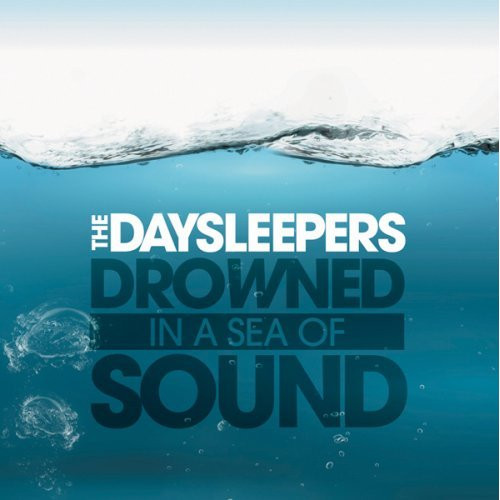
Drowned in a Sea of Sound in 2008 was the moment the fidelity actually matched the ambition. They moved away from the more driving, post-punk skeletons of the early EPs and embraced a slower, more immersive drift. The production got cleaner, allowing the interlocking guitar melodies to breathe without getting muddy. It remains the definitive document of their mid-period, where the atmosphere finally became the lead instrument.
The Ten-Year Sleep
After 2010, the band effectively vanished from the release schedule, leaving fans with a collection of b-sides and remixes. This wasn't a messy breakup so much as a total creative hiatus while the shoegaze landscape shifted around them. When they finally returned with Creation in 2018, they hadn't chased any new trends or electronics. They simply picked up the same guitars and finished the thought they started a decade earlier, proving the aesthetic was built on something sturdier than just a fleeting scene.
Influences
- Cocteau Twins — Jeff Kandefer has cited Robin Guthrie’s processing as a primary architectural influence. You hear it in the way The Daysleepers use chorus and delay to mask the attack of the strings. It is the literal foundation of their melodic 'wash' approach.
- Slowdive — The band frequently pointed to the Souvlaki era for their sense of space and vocal processing. The dual-layered, gender-neutral vocal quality on tracks like 'Release the Kraken' is a direct nod to the Halstead and Goswell dynamic. They took the 1993 blueprint and modernized the low-end.
- The Chameleons — Mark Burgess and company provided the post-punk grit that keeps The Daysleepers from being purely ambient. The driving, melodic basslines on 'The Soft Attack' are a direct lineage from the What Does It Offend You, Yeah? level of debt to the Manchester scene. It gives the airy guitars a necessary anchor.
- Kitchens of Distinction — The massive, soaring guitar hooks in 'Twilight Bloom' mirror the stadium-sized shoegaze Julian Swales was doing in the early 90s. Kandefer has name-checked them for their ability to make massive, swirling noise sound like a pop song. It’s the difference between aimless feedback and actual composition.
- The Cure — The Disintegration-era lead lines are all over their discography. The use of high-register bass melodies and flange-heavy clean guitars is a direct lineage from Robert Smith’s 1989 setup. They took the gloom and turned it into something more optimistic but kept the gear settings.
Discography
Their records — most-collected first.


Related artists
Members
Around the web
Follow every record they touch.
Start your shelf and Gatefold tracks The Daysleepers's new pressings, tour dates, and the whole discography — automatically.
Start your shelf →Free forever. Works with 10 records or 10,000.