
Artist
Love Unlimited Orchestra
San Pedro, United States · 1972 – 1983
Love Unlimited Orchestra is a music group from San Pedro, United States, active 1972–1983. Their discography on Gatefold includes 7 records.

7
Albums tracked
22
In collections
1972
Since
Biography
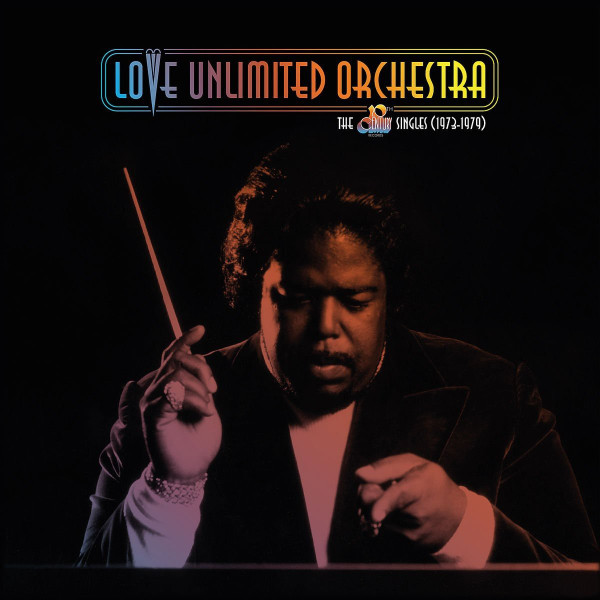
The Love Unlimited Orchestra was a 40-piece string-laden orchestra formed by American singer Barry White, and serving as a backing unit for White and for female vocal trio Love Unlimited. From the early 1970s on, they also recorded several singles and albums under their own name. The orchestra was originally formed in 1972 to back White's female vocal group Love Unlimited for their debut album. The following year they began supporting White for his solo debut I've Got So Much to Give.
The Arc of Love Unlimited Orchestra
The pivots — what forced Love Unlimited Orchestra to reinvent.
The Symphonic Soul Dawn
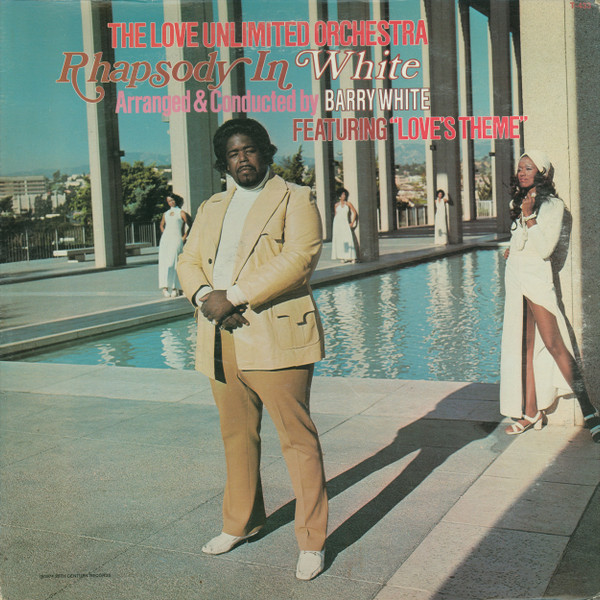
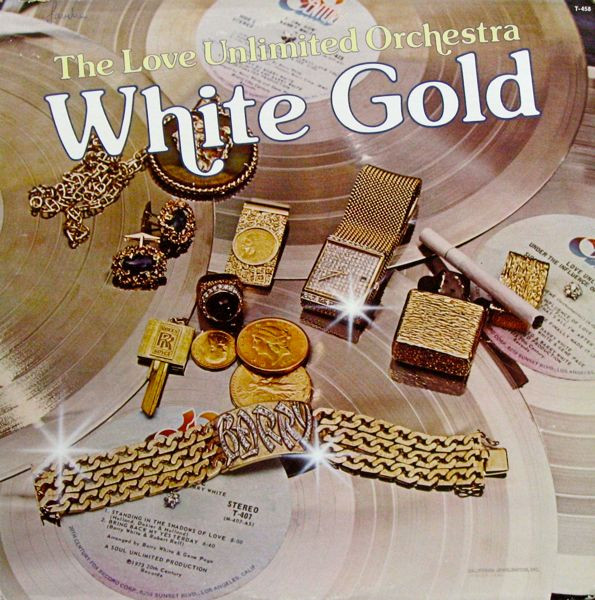
In 1974, Barry White turned his backing band into a standalone instrumental powerhouse with *Rhapsody in White* and *White Gold*. He used the same room and players that backed his solo hits, blending classical-style string arrangements with deep funk rhythm tracks. You hear the magic of this era in the way Gene Page's string arrangements weave around David T. Walker's delicate, fluid guitar fills. This run proved that lush orchestral music could rule the R&B charts and rock the discotheques simultaneously.
The Soundtrack Pivot
White signed on to score the 1974 blaxploitation film *Together Brothers*, forcing the Orchestra to adapt to visual cues and atmospheric tension. The double-LP soundtrack swapped the endless romantic build-ups for shorter, grittier chase-scene funk and tense string passages. This shift proved the band's versatility beyond three-minute pop singles, even if the movie itself sank without a trace. It showed they could handle cinematic arrangements just as well as Isaac Hayes or Curtis Mayfield.
The Electronic Mutation
By 1981, the classic orchestral soul sound was losing ground to synthesizer-driven post-disco, prompting White to overhaul the band's sonic makeup for *Welcome Aboard* and *Rise*. The massive acoustic string sections took a back seat to Prophet-5 synthesizers, electronic drums, and leaner funk basslines. It was a desperate attempt to stay modern that lacked the warmth of the early Glendale sessions, but the title track of *Rise* still proved they could groove in the digital era.
Influences
- Isaac Hayes — Barry White studied how Hayes used massive horn and string sections on his 1969 landmark *Hot Buttered Soul*. You hear this direct influence in the slow-burning, dramatic orchestration of "Love's Theme." The cinematic scale of the arrangements comes straight from the Memphis soul playbook.
- The Funk Brothers — The Motown house band established the standard for driving, locked-in rhythm sections behind orchestral pop arrangements. White specifically sought out that same level of tight, propulsive bass and drum interplay for his own LA session players. The steady, danceable pulse beneath the strings on *Rhapsody in White* is a direct evolution of the Motown studio formula.
- Henry Mancini — White was a massive fan of Mancini's cinematic orchestrations and lush, melodic pop sensibilities. The dramatic, sweeping horn swells on *Together Brothers* draw heavily from Mancini's suspense-thriller scoring techniques. It is the bridge where Hollywood film score meets West Coast soul.
- The Philadelphia International All-Stars — MFSB, the house band for producers Gamble and Huff, pioneered the lush, string-heavy Philadelphia soul sound that predated the Orchestra's debut. White closely watched how MFSB blended sweeping violins with a driving four-on-the-floor beat on hits like "TSOP (The Sound of Philadelphia)." The Love Unlimited Orchestra took that exact blueprint and made it heavier and more guitar-focused.
- Ray Charles — White frequently cited Ray Charles's early sixties country and pop albums, which featured prominent orchestral backing, as his gateway to arranging. The idea of placing soulful, blues-rooted soloists over a massive bed of violins came directly from Charles's landmark *Modern Sounds in Country and Western Music*. It taught White that orchestral sweetening did not have to dilute the soul.
Discography
Their records — most-collected first.




Related artists
Members
Frequent collaborators
Around the web
Follow every record they touch.
Start your shelf and Gatefold tracks Love Unlimited Orchestra's new pressings, tour dates, and the whole discography — automatically.
Start your shelf →Free forever. Works with 10 records or 10,000.