
Artist
Pixies
Boston, United States · Formed 1986
Pixies is a music group from Boston, United States, active since 1986. Their discography on Gatefold includes 24 records.

43
Albums tracked
753
In collections
1986
Since
Biography
Steve Albini threw some mics in a bathroom at Q Division Studios to capture Kim Deal’s backing vocals because he wanted that specific, cold tile reverb for Surfer Rosa. That’s the Pixies in a nutshell—taking a Boston bar band and shoving it through a meat grinder of surrealism and abrasive engineering. Black Francis wasn't singing about love; he was screaming about incest, UFOs, and the Bible over Joey Santiago’s bent-note feedback. They were too weird for the hair metal crowd and too melodic for the hardcore kids, stuck in a beautiful, loud-quiet-loud middle ground that practically gave the 90s its roadmap. By the time they hit the early 90s, the tension between Francis and Deal wasn’t just backstage gossip—it was baked into the tracks. You can hear the shift on Bossanova where the acoustic jaggedness gets swapped for surf-rock sheen and sci-fi obsession. It’s the sound of a band starting to operate in separate rooms before they eventually imploded. They spent years as the ultimate 'what if' story until the 2004 reunion turned them into a touring machine, eventually cycling through bassists like Kim Shattuck and Paz Lenchantin after Deal finally walked away for good. The new records aren't the fire-breathing monsters the 4AD classics were, but they're honest work from guys who survived their own myth.
Bio from The Clerk
The Arc of Pixies
The pivots — what forced Pixies to reinvent.
The Albini and Gil Norton Foundation
Between 1988 and 1989, the band moved from the raw, caustic room sounds of Steve Albini to the high-gloss, multi-tracked precision of Gil Norton for Doolittle. This pivot forced Francis to sharpen his pop sensibilities without losing the serrated edge of his screaming, resulting in a cleaner but more menacing sound. You hear it in the way 'Monkey Gone to Heaven' uses a cello section against a jagged bassline, proving they could handle a bigger budget without losing their minds. This era defined the dynamic shifts that every alternative band would shamelessly rip off for the next decade.
The Galactic Surf Retreat
With Bossanova in 1990, the band ditched the claustrophobic tension of their early work for a sprawling, space-obsessed surf sound recorded largely in Los Angeles. Black Francis took total control of the songwriting, effectively silencing Kim Deal and pushing the band toward a smoother, reverb-heavy aesthetic. The jagged edges were sanded down in favor of Theremins and UFO imagery, marking the end of the democratic friction that made their first three releases so volatile. It sounds like a band retreating into the studio to avoid looking at each other.
The Chrome and Concrete Finish
Trompe le Monde in 1991 saw them leaning into a heavy, almost power-pop wall of sound that felt closer to a Black Francis solo project than a group effort. They brought in Eric Drew Feldman on keyboards and cranked the distortion to compete with the burgeoning grunge scene they had accidentally helped create. The record is fast, loud, and bitter, capturing the sound of a band burning out in real-time before Francis famously disbanded them via fax. It’s the most aggressive they ever sounded, stripped of the surrealist playfulness that defined their start.
Influences
- The Cars — Ric Ocasek was actually their first choice to produce Surfer Rosa, and the band has repeatedly cited the airtight pop structure of the Cars as a blueprint. You hear it in the way 'Here Comes Your Man' leans on a clean, driving guitar hook that would fit right on a 1978 radio dial. It’s the pop sugar that hides the lyrical rot.
- Pere Ubu — Black Francis has long pointed to David Thomas’s vocal delivery as the primary inspiration for his own frantic, high-pitched shrieks. The jagged, non-linear song structures on 'Come On Pilgrim' are a direct descendant of the Cleveland art-punk scene. Without Pere Ubu, the Pixies' weirdness would have been much more conventional.
- The Velvet Underground — The band famously covered 'Winter Song' and 'I've Been Waiting for You,' channeling the drone and rhythmic simplicity of Lou Reed’s outfit. You hear it in the relentless, one-note bass pulses that Kim Deal used to anchor Santiago’s chaotic lead playing. It’s that same marriage of avant-garde noise and simple street-level rock.
- Peter, Paul and Mary — Francis explicitly stated that the band's famous use of dynamics was inspired by this folk trio's soft-to-loud harmonies. The vocal interplay between Francis and Deal on tracks like 'Where Is My Mind?' replicates that folk-style call and response. It’s the weirdest possible source for a band that influenced Nirvana, but the math checks out.
- Hüsker Dü — The band’s original classified ad famously asked for a bassist into both Peter, Paul and Mary and Hüsker Dü. You hear the Bob Mould influence in the scorched-earth guitar distortion and the frantic tempo of tracks like 'Something Against You.' They took the hardcore velocity and applied it to short, sharp surrealist pop.
Discography
Their records — most-collected first.
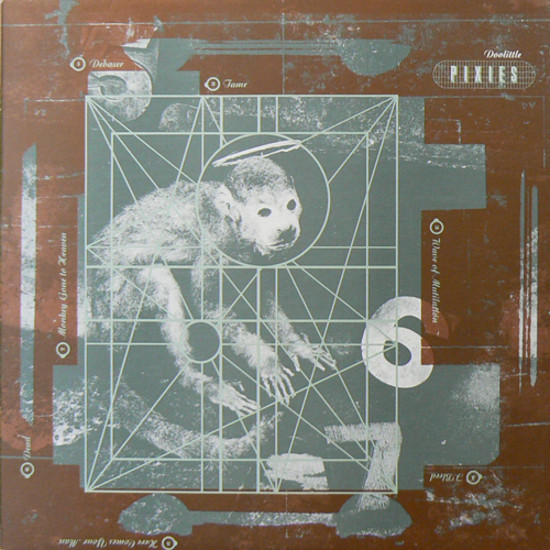
Doolittle
1989
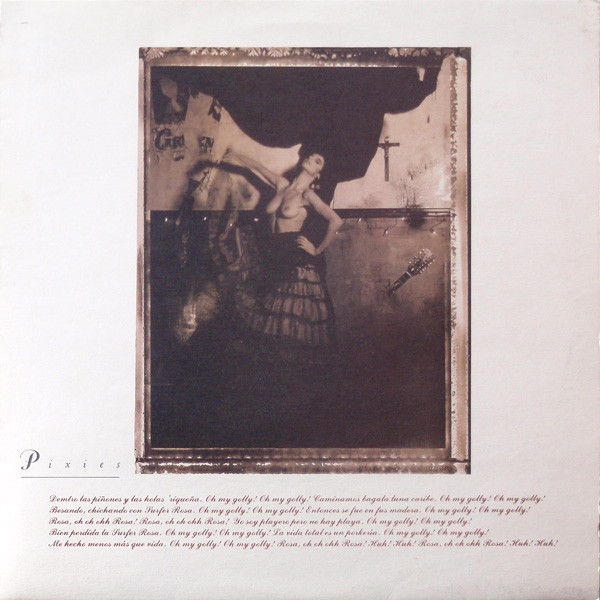
Surfer Rosa
1988
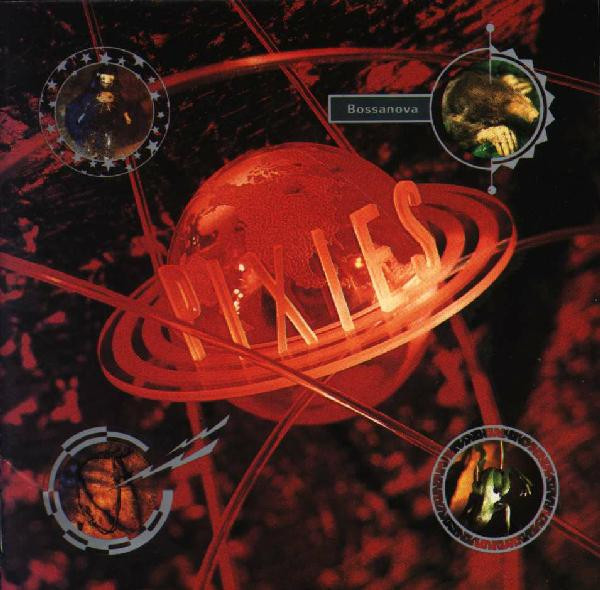
Bossanova
1990
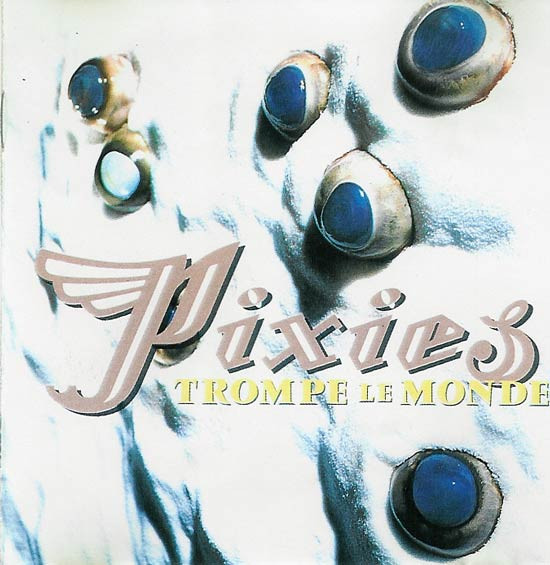
Trompe Le Monde
1991
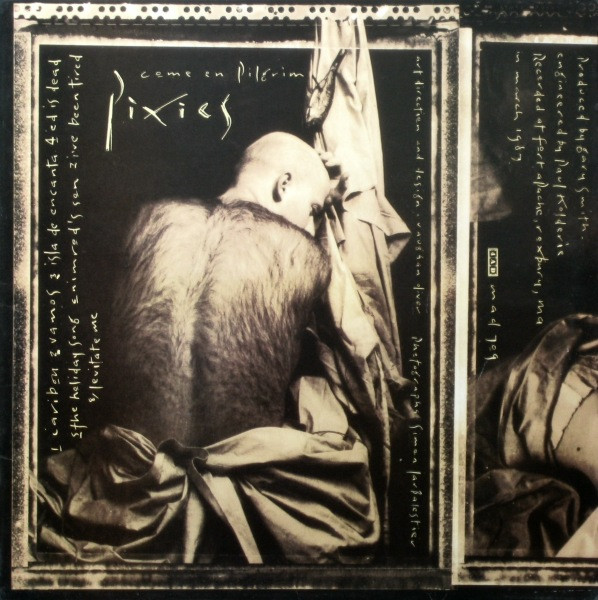
Come On Pilgrim
1987

Best Of Pixies (Wave Of Mutilation)
2004
Complete 'B' Sides
2001

Surfer Rosa & Come On Pilgrim
1988

At The BBC
1998
Live From Coachella 2004
2022

Indie Cindy
2014
Death To The Pixies
1997
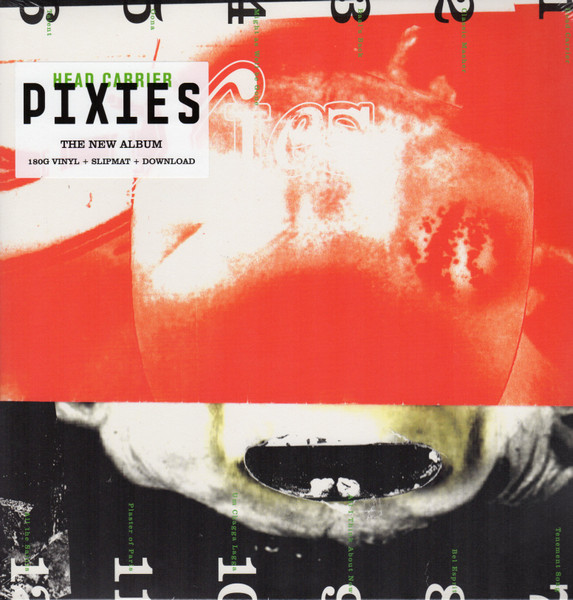
Head Carrier
2016

The Night The Zombies Came
2024

Doggerel
2022
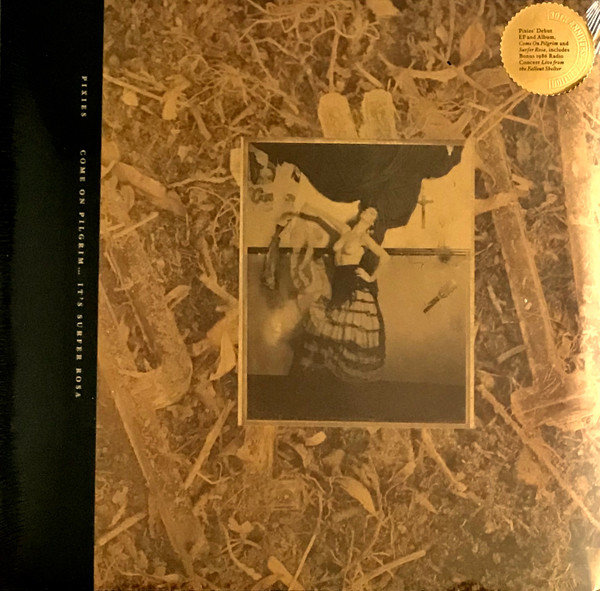
Come On Pilgrim... It's Surfer Rosa
2018

Monkey Gone To Heaven
1989
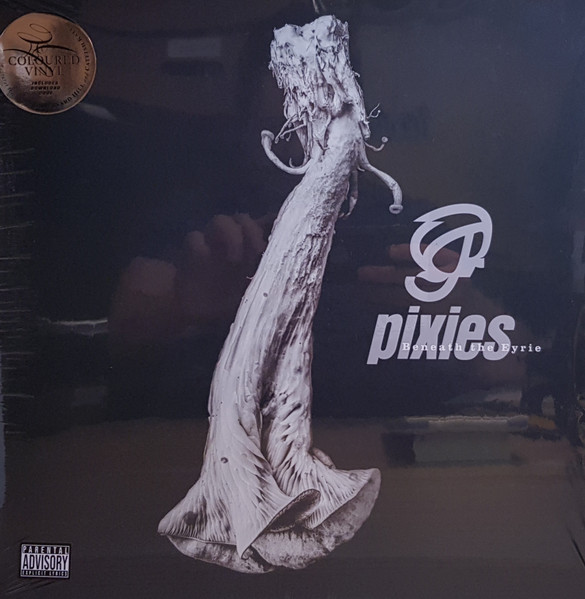
Beneath The Eyrie
2019

Pixies
2002

Doolittle - Live In Brussels, 2009
2023

Live In Newport
2026

Bossanova / Trompe Le Monde - Live
2025

Live From Red Rocks 2005
2024
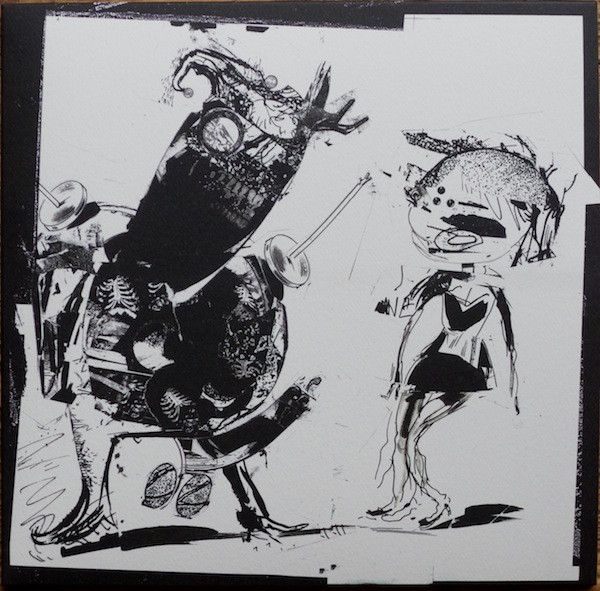
EP1
2013
Related artists
Frequent collaborators
Around the web
Follow every record they touch.
Start your shelf and Gatefold tracks Pixies's new pressings, tour dates, and the whole discography — automatically.
Start your shelf →Free forever. Works with 10 records or 10,000.