Artist
The Pretenders
The Pretenders is a music group. Their discography on Gatefold includes 14 records.

14
Albums tracked
173
In collections
—
Since
Biography
Nick Lowe sat at the board for the first single, a cover of the Kinks' 'Stop Your Sobbing,' and he basically told Chrissie Hynde she was singin' too flat. He didn't want to produce the rest of the debut album. That rejection forced the band to hook up with Chris Thomas, who brought the razor-sharp punch that defined their early sound. He didn't smooth out Hynde's snarl. He just gave Pete Farndon's bass and James Honeyman-Scott's jangling, heavy guitar the chrome finish they needed to cut through late-seventies radio static. Then the real world intervened. Drug overdoses took Honeyman-Scott and Farndon within a ten-month stretch, completely gutting the original lineup's telepathic rhythm section. Hynde survived the carnage, but the band essentially turned into a rotating cast of session players and hired guns wrapped around her singular voice. Some years were absolute bullshit—the late-eighties slickness of 'Get Close' sounds like it was dipped in corporate hairspray—but Hynde's tough-as-nails delivery always clawed its way back to keep them from becoming a nostalgia act.
Bio from The Clerk
The Arc of The Pretenders
The pivots — what forced The Pretenders to reinvent.
The Original Quartet
From '78 to '82, this was a lethal, tight-knit rock band with a heavy British post-punk swing. James Honeyman-Scott's arpeggiated, chiming guitar style gave Hynde's tough Midwestern attitude a melodic, angular framework. You hear it on the self-titled debut and 'Pretenders II' where the band shifts from reggae-influenced dub rhythms to aggressive pub rock on a dime. This era ended in tragedy and flat-out disaster when drug deaths claimed Honeyman-Scott and bassist Pete Farndon in rapid succession, destroying the band's foundational chemistry.
The Studio Session Reconstruction
Hynde had to rebuild from scratch for 1984's 'Learning to Crawl,' recruiting Robbie McIntosh on guitar and relying on session heavyweights like bassist Tony Butler. Chris Thomas returned to produce, locking down a polished, massive mid-tempo drum sound that dominated FM radio. The songs became more reflective, trading the jagged punk energy of the debut for hook-heavy, mature adult-contemporary rock. It saved the band commercially but permanently shifted them from a democratic unit to Chrissie's backing band.
The Slick Eighties Overproduction
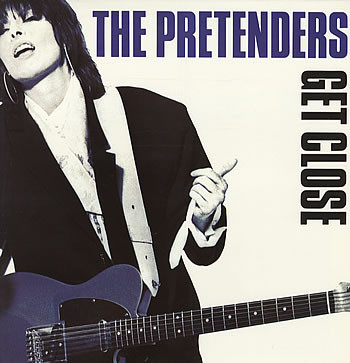
By 1986, the band's identity was completely swallowed by the decade's worst production trends on 'Get Close.' Hynde fired the rhythm section mid-session, bringing in keyboardist Bernie Worrell and legendary session bassist Bruce Thomas to salvage the tracks. Producers Jimmy Iovine and Bob Clearmountain drowned the band in synthetic horns, gated reverb, and sterile pop sheen. You can hear Hynde fighting the massive, over-engineered arrangements, resulting in a record that felt more like a solo project aiming for Billboard charts than a rock band.
The Roots-Rock Return
After a quiet stretch, Hynde hired producer Ian Stanley and guitarist Adam Seymour in 1994 to strip away the corporate gloss for 'Last of the Independents.' They brought back the raw, distorted guitar lines and mid-tempo swagger that made the early records work. The hit ballad 'I'll Stand by You' paid the bills, but tracks like 'Hollywood Perfume' proved Hynde could still spit fire over a dirty, classic rock riff. It proved they didn't need eighties synthesizers to sound massive.
Influences
- The Kinks — The Pretenders covered 'Stop Your Sobbing' for their debut single and later tackled 'I Go to Sleep.' Ray Davies' melodic melancholy directly shaped Hynde's songwriting, which is obvious in the bittersweet chord changes of 'Kid.' Their shared history even turned into a personal relationship between Hynde and Davies.
- Iggy Pop — Hynde has repeatedly cited Iggy Pop as her ultimate vocal and performance blueprint, noting his raw, dangerous delivery. You hear this influence in her sneering, vibrato-heavy vocal delivery on tracks like 'Precious.' It gave her a tough, uncompromised frontwoman presence that didn't exist in British pop.
- The Velvet Underground — The band's early use of droning, street-level realism and basic three-chord rock stems directly from Lou Reed's songwriting style. You hear it in the dark, steady chug of 'Private Life' and the conversational lyricism Hynde used throughout the debut. It anchored their punk sound in sixties art-loft grit.
- Mott the Hoople — James Honeyman-Scott was a massive Mick Ralphs disciple, copying his blend of melodic lead playing and heavy, chunky rhythm guitar. You hear this British glam-rock swagger all over 'Tattooed Love Boys.' It kept the band rooted in classic guitar-hero rock even when punk was trying to tear those rules down.
- The Jimi Hendrix Experience — The band covered 'Room Full of Mirrors' on 'Get Close' and Honeyman-Scott's lead playing often utilized Hendrix-style double-stops. The fluid, bluesy feedback on early tracks like 'Mystery Achievement' owes everything to Hendrix's late-sixties tone. They took his heavy psychedelia and tightened it into a post-punk frame.
Discography
Their records — most-collected first.

Learning To Crawl
1984

The Singles
1987
Get Close
1986

Last Of The Independents
1994

Don't Get Me Wrong
1986
Back On The Chain Gang
1982
Break Up The Concrete
2008

Greatest Hits
2000

The Isle Of View
1995

Message Of Love
1981

Talk Of The Town
1980
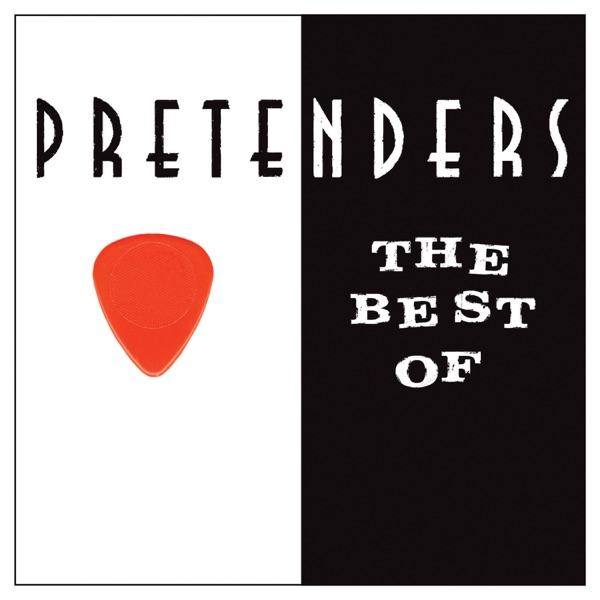
The Best Of Pretenders
2009

Talk Of The Town
1980

Get Close / Last Of The Independents
2008
Around the web
Follow every record they touch.
Start your shelf and Gatefold tracks The Pretenders's new pressings, tour dates, and the whole discography — automatically.
Start your shelf →Free forever. Works with 10 records or 10,000.