Artist
The Shoes
France
The Shoes is a music group from France. Their discography on Gatefold includes 4 records.

4
Albums tracked
1
In collections
—
Since
Biography
Guillaume Brière and Benjamin Lebeau didn't start with a high-end studio; they started by being the guys behind the boards for French rappers and pop acts before realizing they could just do it better themselves. They weren't interested in the glossy French Touch heritage that felt like it belonged in a museum by 2009. Instead, they leaned into the grime of British indie and the relentless thump of early house, creating a sound that felt like it was born in a basement but mastered for a stadium. They are one of the few electronic acts that actually understand how to use a guitar without it sounding like a gimmick or a mid-life crisis. By the time they were working on Chemicals, they were pulling in everyone from Post Malone—before he was a household name—to Sage Elsesser. It was about the curation of a specific, jagged energy that most producers are too scared to touch because it doesn't clean up well on the radio. They kept the rough edges because the rough edges were the point.
Bio from The Clerk
The Arc of The Shoes
The pivots — what forced The Shoes to reinvent.
The Reims Export
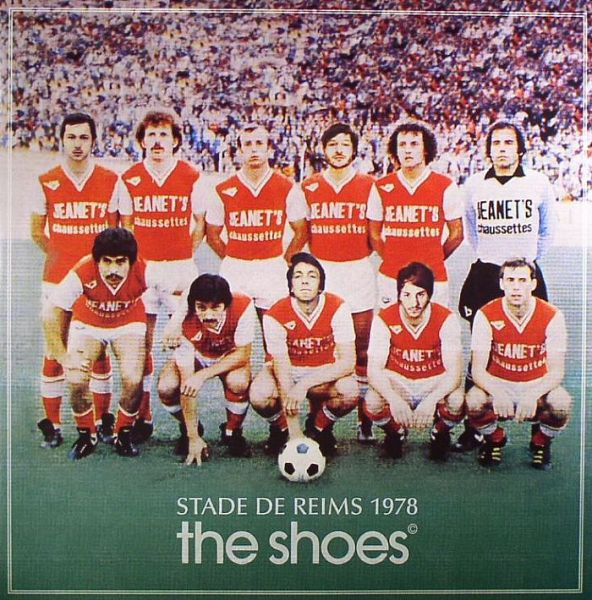
Before the full-length records, the duo operated out of Reims, dropping EPs like 'Scandal!' that functioned as a bridge between the dying blog-house era and something more permanent. They were obsessed with the 1978 Stade de Reims football team, a regional pride that colored their early aesthetic with a sense of local grit. The music was lean, aggressive, and lacked the polished synth-pop sheen that was dominating the Parisian clubs at the time. You can hear the urgency in the percussion, which felt less like a programmed loop and more like someone hitting a kit in a small, concrete room.
The Crack My Bones Shift
The 2011 release of 'Crack My Bones' was the moment they stopped being a production duo and became a definitive band. They brought in external vocalists like Esser and Anthonin Ternant to flesh out the skeletons of their tracks, turning dance-floor sketches into actual songs with structure and weight. It was recorded with an ear for the melancholy, trading the frantic pace of their early singles for a mid-tempo, moody atmosphere that felt like the comedown after a long night. This record proved they could handle a full-length narrative without losing the bite that made people notice them in the first place.
The Chemical Evolution
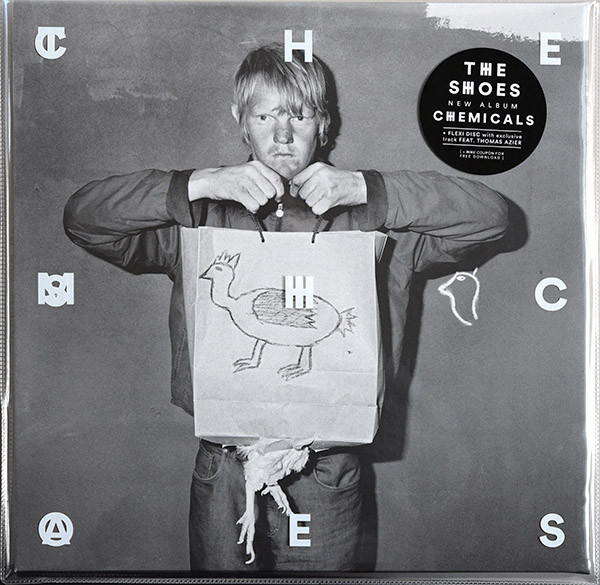
By 2015, the sound pivoted again toward a fractured, high-definition chaos on 'Chemicals.' They stripped away the indie-pop comfort of the previous era in favor of distorted textures and an almost schizophrenic approach to genre-hopping. They weren't just making dance music anymore; they were making a collage of everything they liked about 90s big beat and modern hip-hop. The inclusion of diverse collaborators showed a total lack of concern for genre purity, resulting in their most aggressive and experimental work to date.
Influences
- LCD Soundsystem — Brière has cited James Murphy's ability to blend dance-floor utility with rock-band dynamics as a primary blueprint. You hear it in the way The Shoes prioritize the 'thwack' of a real-sounding snare drum over a generic 808 clap. It’s that same tension between the organic and the synthesized.
- The Chemical Brothers — The influence is right there in the title of their 2015 record and their shared love for massive, psychedelic-tinged big beat. They adopted the 'Brothers' method of using guest vocalists as just another instrument in the mix rather than the focal point. It turns the tracks into a wall of sound rather than a standard pop arrangement.
- Daft Punk — As French producers, the shadows of Bangalter and de Homem-Christo are unavoidable, especially in the way The Shoes manipulate vocal samples to create catchy, repetitive hooks. They took the filtered-house DNA of 'Homework' and made it more aggressive for a post-punk audience. It's the same machine-worship, just with a lot more dirt on the lens.
- The Cure — Robert Smith’s influence shows up in the dark, melodic basslines that anchor tracks like 'Time to Dance.' Lebeau has acknowledged the 80s new wave era as the source for their more melancholic, minor-key synth work. It’s the sound of a rainy afternoon translated into a club anthem.
- New Order — The Shoes operate in the exact space New Order carved out—the intersection of the Manchester hacienda and the guitar-driven underground. You hear this lineage in the sequenced synths that play against live-sounding percussion. They aren't trying to be DJs; they're trying to be a band that happens to use a lot of gear.
Discography
Their records — most-collected first.


Related artists
Around the web
Follow every record they touch.
Start your shelf and Gatefold tracks The Shoes's new pressings, tour dates, and the whole discography — automatically.
Start your shelf →Free forever. Works with 10 records or 10,000.