
Artist
Steve Miller Band
American rock band
San Francisco, United States · Formed 1967
Steve Miller Band is a music group from San Francisco, United States, active since 1967. Their discography on Gatefold includes 24 records.

43
Albums tracked
500
In collections
1967
Since
Biography
The Steve Miller Band is an American rock band formed in San Francisco, California, in 1966, led by Steve Miller on guitar and lead vocals. The group gained prominence in the mid- to late-1970s with hit singles that became staples of classic rock radio, following earlier releases in the psychedelic rock style. Miller formed the Steve Miller Blues Band after leaving his first band and moving to San Francisco. The band signed with Capitol Records in 1967 and shortened its name to the Steve Miller Band.
The Arc of Steve Miller Band
The pivots — what forced Steve Miller Band to reinvent.
The Psychedelic London Sessions
Miller took his San Francisco blues band to Olympic Studios in London to cut Children of the Future and Sailor with producer Glyn Johns. With Boz Scaggs sharing guitar duties and Paul McCartney guesting under a pseudonym on Brave New World, the band leaned hard into European studio polish and cinematic tape effects. It was sprawling, ambitious psych-rock that prioritized mood and sonic experimentation over radio singles. You hear it in the interlocking guitars and deep reverb chambers that defined the band's late-sixties output.
The Slick FM Pop Juggernaut
After a grueling recovery from a broken neck, Miller stripped the band down and took complete control of the songwriting and production for The Joker and Fly Like an Eagle. He layered Moog and Roland synths over tight, loop-like rhythm sections laid down by bassist Lonnie Turner and drummer Gary Mallaber. The sound pivoted instantly from West Coast acid blues to lethal, glossy pop-rock that ruled mid-seventies car stereos. Every track was trimmed of excess fat, built entirely around hooks, clean strat tones, and breezy vocal harmonies.
Synth-Pop and the Fade Out
By the dawn of the eighties, Miller leaned even harder into synthesizers, sequencers, and electronic drum textures, hitting a massive commercial peak with 1982's Abracadabra. But chasing the decade's digital trends on records like Italian X Rays alienated the blues base without sustaining modern chart dominance. The group became a reliable summer amphitheater touring machine, coasting on the undeniable longevity of the classic material rather than studio breakthroughs. On tape, the sound turned glassy and thin, trading the analog warmth of the seventies for stiff digital sheen.
Influences
- Les Paul — Les Paul was Steve Miller's actual godfather and gave him his first guitar lessons in the family living room. You can trace Miller's obsessiveness with multi-track tape delays and crisp, clean guitar runs straight back to Paul's studio inventions. It gave a blues-rock kid the mind of a studio engineer before he ever touched a professional console.
- T-Bone Walker — Walker was a regular guest at the Miller household, teaching young Steve how to play guitar behind his back and solo in fluid single-string blues runs. That bright, stinging Texas blues tone sits right underneath every guitar solo Miller cut on Children of the Future and Sailor. It kept his playing anchored in Texas swing even when surrounded by psychedelic effects.
- Muddy Waters — Miller cut his teeth in the mid-sixties Chicago club scene sharing stages and learning rhythm pocket discipline directly from Waters. You hear that heavy, deliberate shuffle beat transformed into the foundation of tracks like 'The Joker' and 'Mercury Blues'. It grounded Miller's later pop tracks with real South Side groove.
- Howlin' Wolf — Miller worked the Chicago circuit alongside Wolf, soaking up how to command a band with massive, stripped-down guitar riffs and vocal presence. That raw, stomping directness is all over early cuts like 'Living in the U.S.A.' and the band's heavier blues covers. It gave Miller an aggressive edge that kept his early records from drifting too far into airy psych.
- Jimmy Reed — Reed's lazy, hypnotic, dead-simple boogie rhythm was Miller's ultimate structural blueprint throughout his entire career. You hear the relaxed, behind-the-beat phrasing and infectious economy of Reed's songs inside seventies juggernauts like 'Take the Money and Run' and 'Rock'n Me'. Miller took Reed's minimalist blues template and polished it until it gleamed on FM radio.
Discography
Their records — most-collected first.
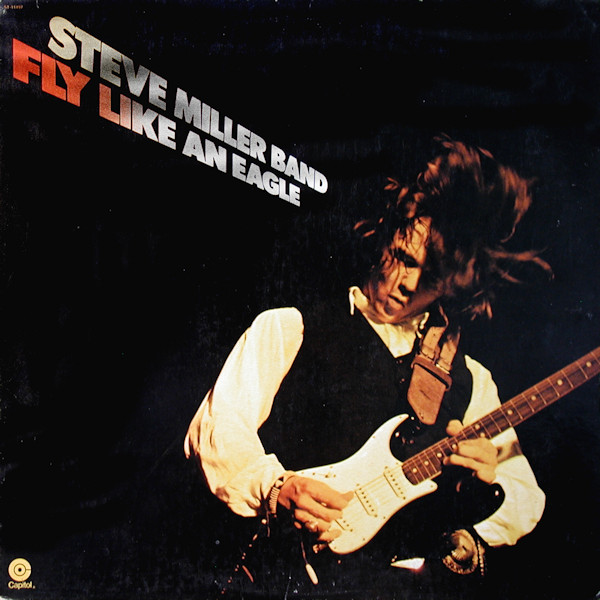
Fly Like An Eagle
1976
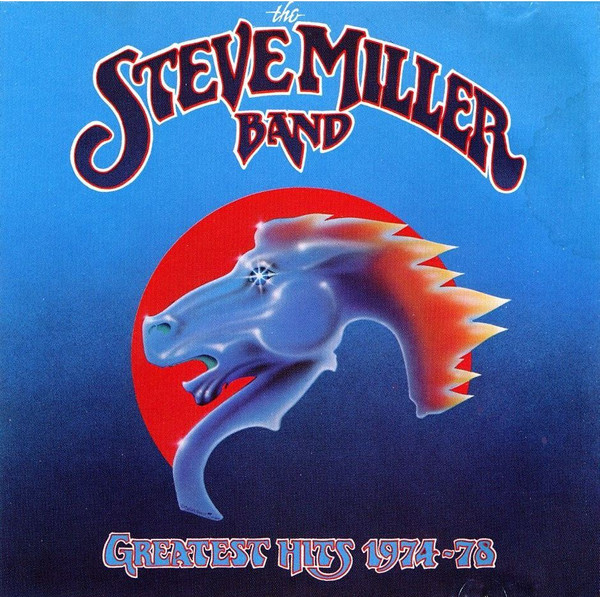
Greatest Hits 1974-78
1978
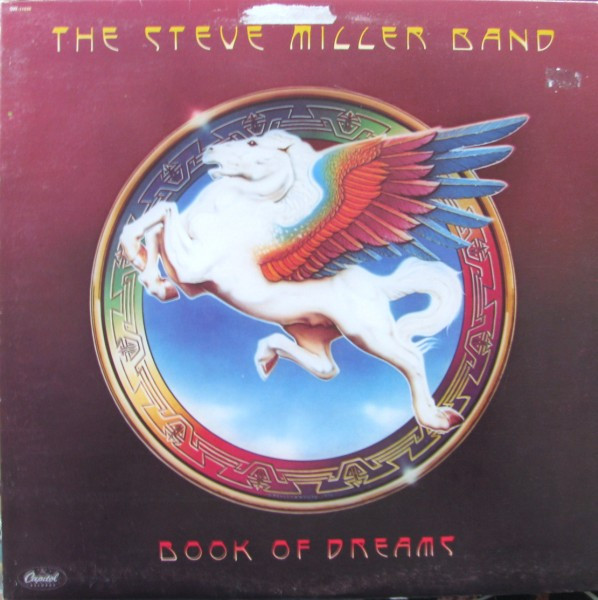
Book Of Dreams
1977
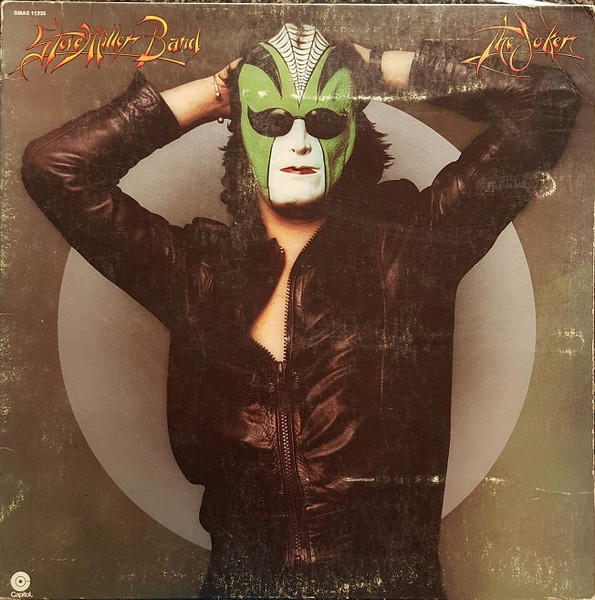
The Joker
1973
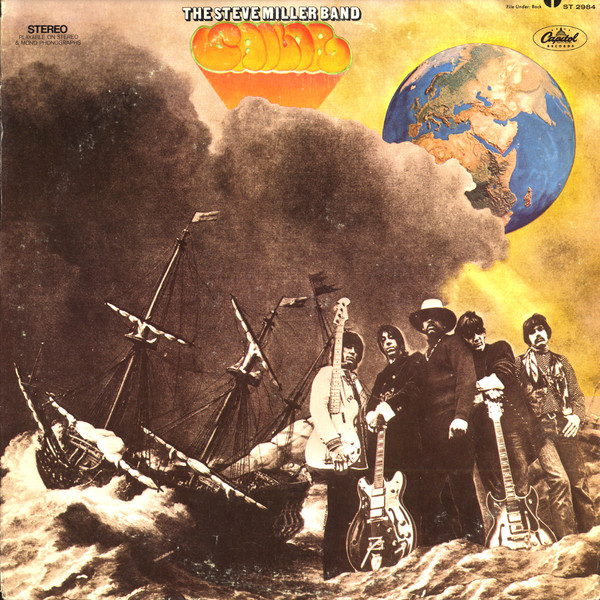
Sailor
1968
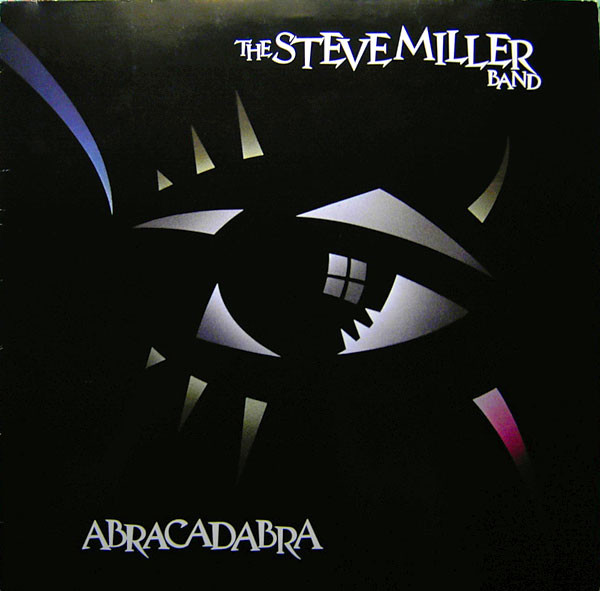
Abracadabra
1982

Anthology
1972

Number 5
1970
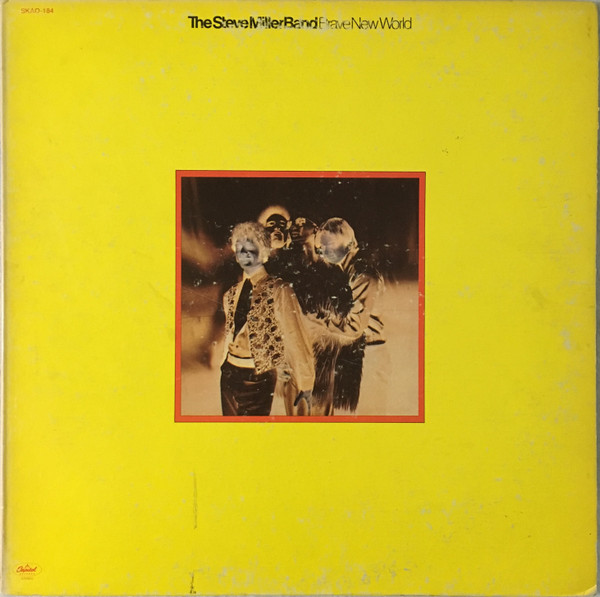
Brave New World
1969

Circle Of Love
1981
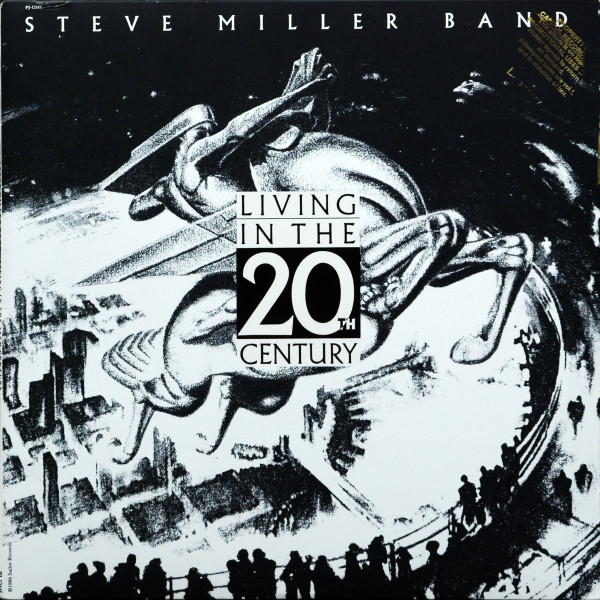
Living In The 20th Century
1986
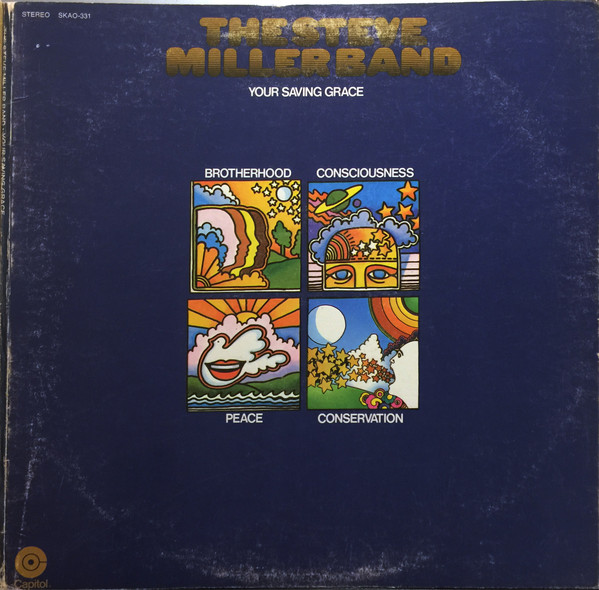
Your Saving Grace
1969

Children Of The Future
1968
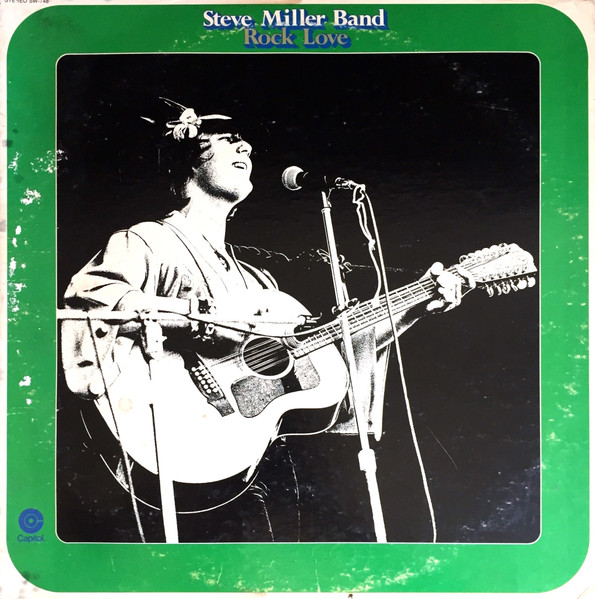
Rock Love
1971
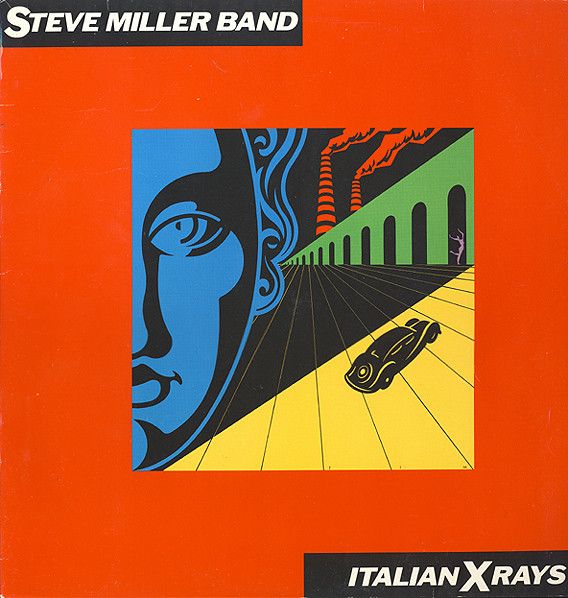
Italian X Rays
1984

Abracadabra / Give It Up
1982

Ultimate Hits
2017

Young Hearts: Complete Greatest Hits
2003

The Very Best Of The Steve Miller Band
1991

Recall The Beginning...A Journey From Eden
1972

Selections From The Vault
2019

Wide River
1993
The Joker
1973

Live! Breaking Ground: August 3, 1977
2021
Related artists
Members
Frequent collaborators
Around the web
Follow every record they touch.
Start your shelf and Gatefold tracks Steve Miller Band's new pressings, tour dates, and the whole discography — automatically.
Start your shelf →Free forever. Works with 10 records or 10,000.