
Artist
The Weather Station
Toronto, Canada · Formed 2006
The Weather Station is a music group from Toronto, Canada, active since 2006. Their discography on Gatefold includes 8 records.

8
Albums tracked
33
In collections
2006
Since
Biography
Tamara Lindeman started out cutting banjo-driven folk tunes in Toronto bedrooms with guys like Daniel Romano and Steve Lambke hovering near the tape reels. For three albums, people tried to file her under polite Canadian indie-folk alongside standard singer-songwriter fare. That was lazy. Lindeman was never playing campfire music. She wrote hyper-observational, rhythmically intricate monologues disguised as acoustic songs. The real turn happened when she blew up the acoustic setup entirely for 2021's Ignorance. She sat down at a piano, hired two drummers to play interlocking grooves, and recruited a crew of Toronto jazz-adjacent session players to track live rhythm beds. The result wasn't soft folk anymore. It was urgent, nervous, kinetic art-pop about ecological collapse and emotional friction, executed with surgical precision.
Bio from The Clerk
The Arc of The Weather Station
The pivots — what forced The Weather Station to reinvent.
The Toronto Porch-Folk Era
Lindeman's early output, running from The Line through All of It Was Mine and Loyalty, relied heavily on clawhammer banjo, fingerpicked guitar, and close-mic vocals. Recorded mostly in intimate Toronto spaces with collaborators like Daniel Romano and Afie Jurvanen helping engineer, the focus stayed locked on her conversational cadence and intricate phrasing. Loyalty, tracked in a 19th-century mansion in France alongside Robbie Lackritz, pushed that quiet restraint to its absolute limit. It proved she could write circles around most folk traditionalists, but the sonic frame was starting to feel tight.
The Rock Pivot
For her 2017 self-titled record, Lindeman plugged in and took full control behind the board as producer. She brought in a proper touring rock band and pushed the tempos, letting electric guitars feedback over driving basslines. Tracks like 'Thirty' proved her wordy, stream-of-consciousness writing hit harder when backed by aggressive mid-tempo rock. It was the crucial bridge that broke her out of the traditional folk ghetto once and for all.
The Art-Pop Renaissance
Ignorance tore the rulebook up by building entire arrangements from piano lines and interlocking percussion. Lindeman brought in jazz drummers Kieran Adams and Philippe Melanson alongside bassist Ben Whiteley, tracking tight, motorik grooves before layering strings, woodwinds, and synth textures on top. The companion record, How Is It That I Should Look at the Stars, served as the late-night comedown, cut live to tape in just a few days with minimal overdubs. It cemented her shift from quiet folk troubadour to one of the sharpest arrangers in modern indie.
Influences
- Joni Mitchell — Lindeman has repeatedly cited Mitchell's mid-70s jazz-crossover era as an essential touchstone for complex vocal phrasing and unconventional chord structures. You hear Mitchell's shadow in the restless rhythmic pacing of Lindeman's melodies and the sharp, confessional lyricism on Loyalty. It is the gold standard for Canadian songwriters who treat language like rhythm.
- Talk Talk — Lindeman pointed directly to Mark Hollis and Talk Talk's late-era dynamic experiments during the writing and arrangement process for Ignorance. That influence surfaces in the use of space, sudden instrumental swells, and organic percussion layered over repetitive, hypnotic rhythm tracks. They taught her how to make a studio record breathe.
- Bill Callahan — Lindeman has spoken extensively on Callahan's deadpan, hyper-specific narrative delivery as a major model for her own lyric writing. You hear it across all her records in the conversational cadence that prioritizes natural speech rhythms over standard pop rhyming schemes. Callahan showed that a single mundane detail can carry an entire five-minute song.
- Arthur Russell — Russell's unclassifiable mix of avant-garde cello, disco grooves, and fractured pop songwriting is all over Lindeman's rhythmic pivot. The driving, unconventional polyrhythms and swooping string charts on Ignorance mirror Russell's loose, danceable arrangements from World of Echo and 24->24 Music. It gave her permission to make intellectual music you can move to.
- Lucinda Williams — Lindeman has cited Williams' raw, unflinching storytelling on records like Car Wheels on a Gravel Road as an early lyrical benchmark. You can trace that direct, unvarnished emotional realism through her self-titled 2017 record and the plainspoken bite of her character studies. Williams proved that great songwriting does not hide behind metaphor.
Discography
Their records — most-collected first.
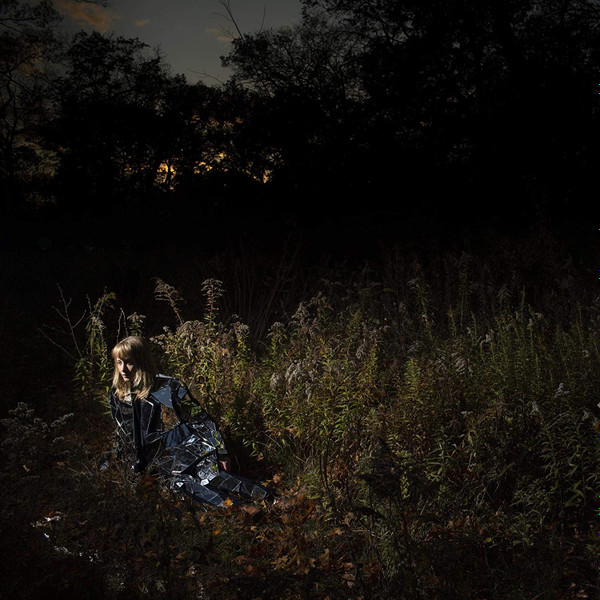
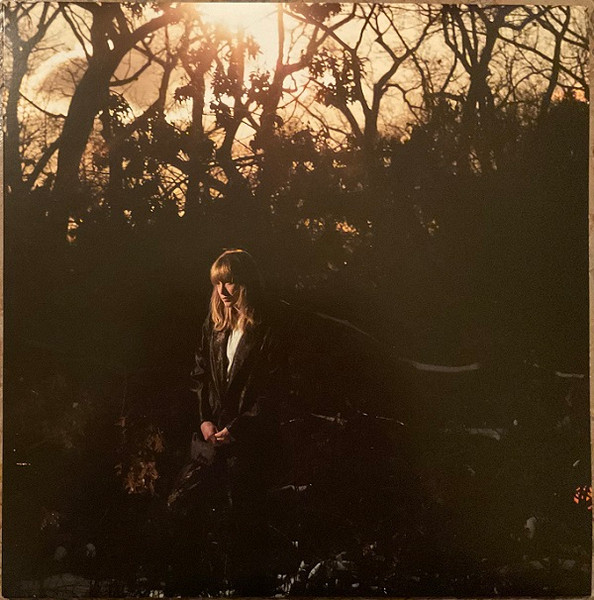


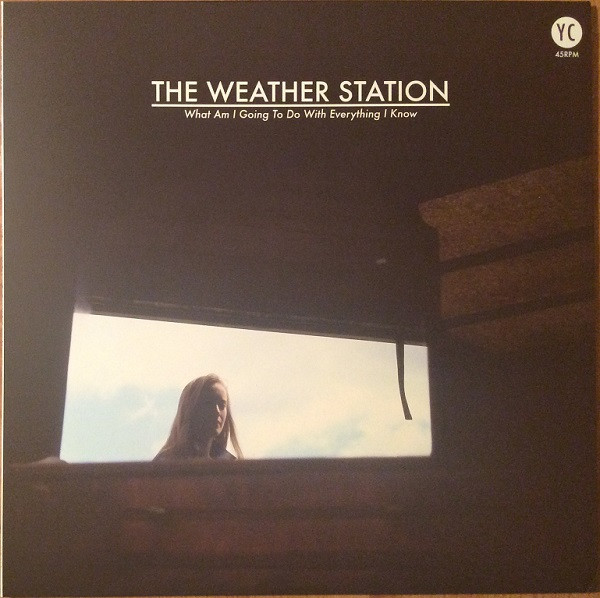

Related artists
Members
Around the web
Follow every record they touch.
Start your shelf and Gatefold tracks The Weather Station's new pressings, tour dates, and the whole discography — automatically.
Start your shelf →Free forever. Works with 10 records or 10,000.