Artist
Tower of Power
US R&B-based horn section & band
San Francisco Bay Area, United States · Formed 1967
Tower of Power is a music group from San Francisco Bay Area, United States, active since 1967. Their discography on Gatefold includes 24 records.

28
Albums tracked
131
In collections
1967
Since
Biography
Bill Graham wouldn't sign them to San Francisco Records until they got a proper horn section and dumped the hippie rock jams. Emilio Castillo and Stephen 'The Funky Doctor' Kupka locked into a room, bought a bari sax, and wrote arrangements so mechanically tight they sounded like a high-speed printing press. They weren't flower power. They were Oakland street soul built on sweat, cold precision, and syncopation that gave every other band on the West Coast a migraine. The secret weapon was the engine room: Rocco Prestia's relentless 16th-note finger-muting glued directly to David Garibaldi's linear drum patterns. Most rhythm sections play around each other; Rocco and Garibaldi played inside each other's pockets. The band survived endless lead singer turnover, label shuffles, and an 80s wilderness era where slick disco production nearly drowned them. They survived because nobody on Earth could write horn charts that punched you in the sternum quite like Kupka and Castillo.
Bio from The Clerk
The Arc of Tower of Power
The pivots — what forced Tower of Power to reinvent.
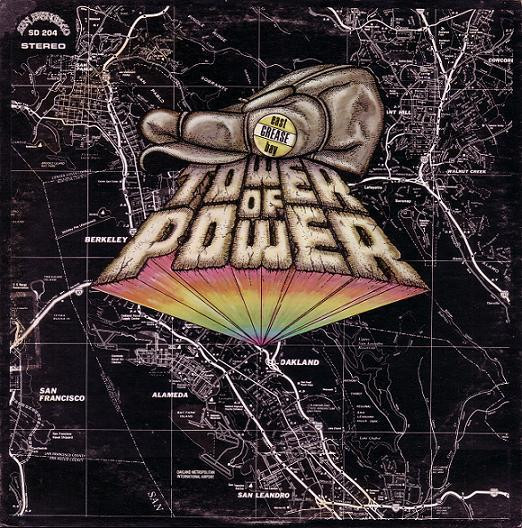
The East Bay Grease Peak
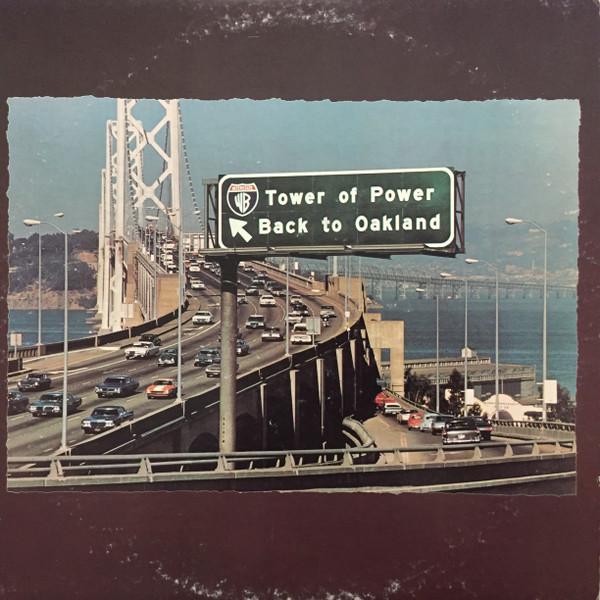
Between 1970 and 1974, the band cut the blueprint for modern funk across records like Bump City and Back to Oakland. Lenny Williams stepped up to the mic, giving them a voice potent enough to match the horn section's wall-to-wall attack. Garibaldi and Prestia perfected their interlocking groove science at Wally Heider Studios, creating polyrhythmic monsters like 'What Is Hip?' that turned funk into a contact sport. It remains the gold standard for hyper-tight ensemble playing.
The Slick Disco & Major Label Grind
Lenny Williams walked in 1975, kicking off a revolving door of lead vocalists that included Hubert Tubbs and Edward McGee. Warner Bros. pushed them toward polished disco and mainstream R&B on records like Urban Renewal and Ain't Nothin' Stoppin' Us Now, diluting their gritty street funk for dance-floor radio. Columbia picked them up late in the decade, but string overdubs and glossy production couldn't mask the lack of raw grit. The rhythm section still smoked, but the arrangements were fighting the suits.
Horn Section for Hire and the Comeback
By the mid-1980s, the band stayed relevant largely as the hottest horn-section-for-hire in the business, cutting session tracks for Huey Lewis, Little Feat, and Aerosmith. That studio cash kept the lights on until Epic signed them for 1991's Monster on a Leash, sparking a true roots revival. Bringing Garibaldi and Prestia back into the core lineup reminded the world who owned the Oakland sound. They quit chasing the charts and leaned into being the undisputed masters of live funk.
Influences
- James Brown — Castillo and Kupka built the entire band's ethos around the discipline and punch of the J.B.'s. You hear it in the interlocking, percussive horn stabs on tracks like 'Down to the Nightclub.' Without the Godfather's strict rhythm-first mandate, Tower of Power doesn't exist.
- Sly and the Family Stone — Sly Stone created the Bay Area funk template right across the bridge, proving a multi-racial outfit could dominate with heavy brass and heavy bass. Tower took Larry Graham's electric low-end push and translated it directly into Rocco Prestia's machine-gun muting. It gave Oakland bands permission to get louder and faster.
- Booker T. & the M.G.'s — The Stax house sound was Castillo's early obsession when he was fronting The Motowns in the late 1960s. The deep, in-the-pocket simplicity of Donald 'Duck' Dunn and Al Jackson Jr. provided the foundational anchor before Tower hyper-charged the tempo. That Southern soul discipline is the bedrock underneath all their complex arrangements.
- Otis Redding — Castillo has repeatedly cited Redding's raw, unvarnished vocal delivery and Stax horn backing as his primary spark for starting a soul group. Lenny Williams' vocal phrasing on 'So Very Hard to Go' is pure Otis lineage mixed with Bay Area grit. They aimed for Redding's gut-level emotion on every ballad they ever cut.
- Sam & Dave — The dynamic call-and-response and hard-hitting horn arrangements on classic Stax singles like 'Hold On, I'm Comin'' served as the direct structural model for Tower's early live sets. Kupka's baritone saxophone lines were deliberately voiced to mirror the deep, driving horn charts that defined the duo's hits. It taught them how to make brass sound as urgent as the lead singer.
Discography
Their records — most-collected first.

Tower Of Power
1973
Back To Oakland
1974

Urban Renewal
1974

Bump City
1972
East Bay Grease
1970

Live And In Living Color
1976
In The Slot
1975
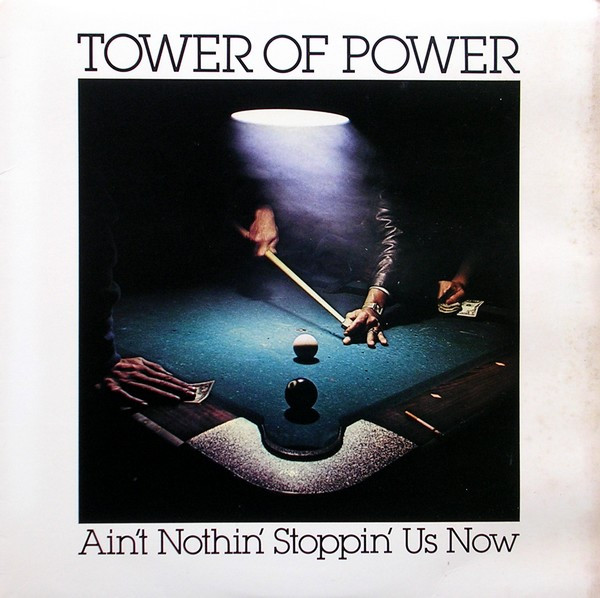
Ain't Nothin' Stoppin' Us Now
1976

Back On The Streets
1979
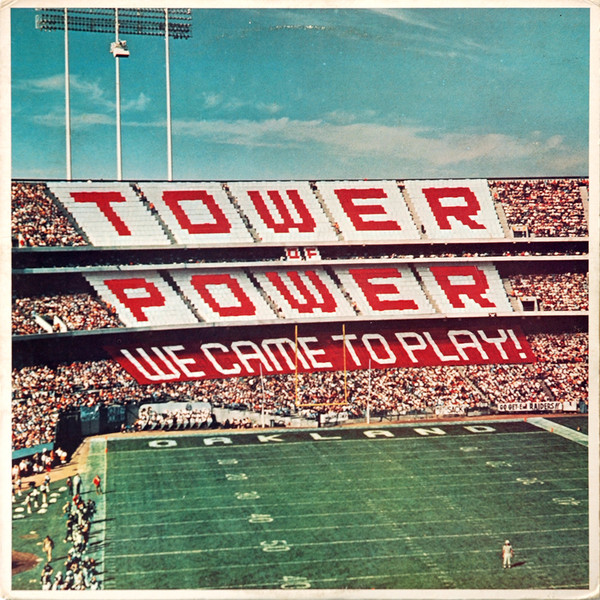
We Came To Play
1978

Monster On A Leash
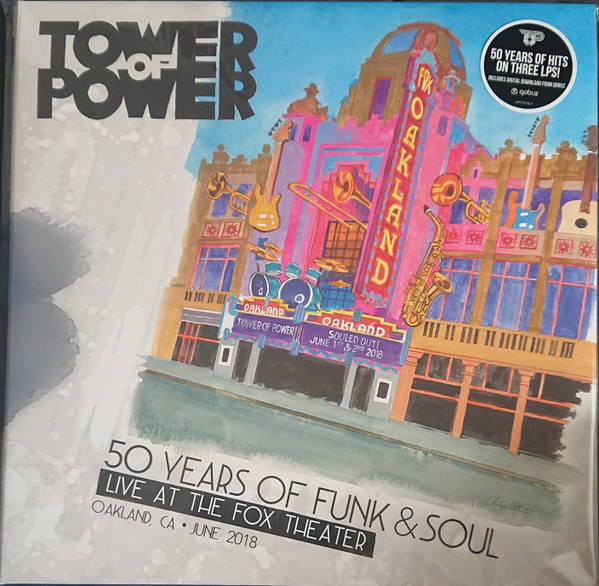
50 Years Of Funk & Soul: Live At The Fox Theater-Oakland Ca-June 2018
2021
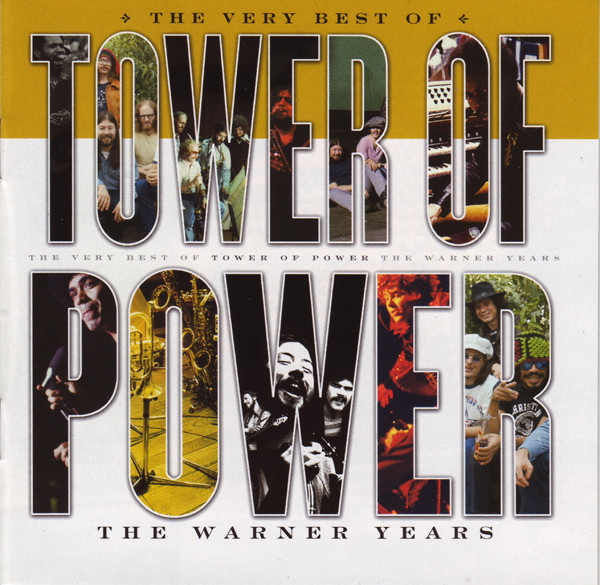
The Very Best Of Tower Of Power - The Warner Years
2001
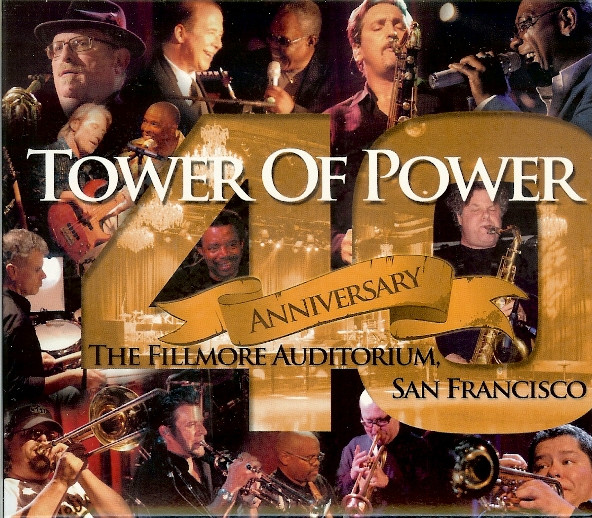
40th Anniversary The Fillmore Auditorium, San Francisco
2011
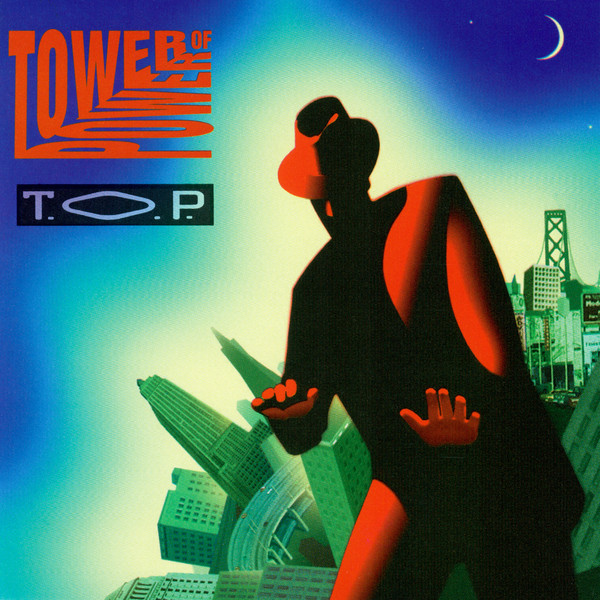
T.O.P.
1993

Power
1987

Direct
1981
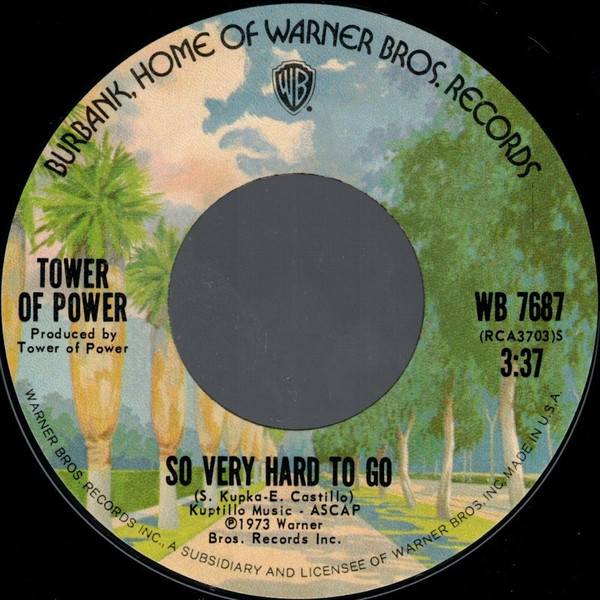
So Very Hard To Go
1973

It's Christmas
2024

Step Up
2020

Soul Side Of Town
2018

Original Album Series
2013

Great American Soulbook
2009

Oakland Zone
2003
Related artists
Members
Frequent collaborators
Around the web
Follow every record they touch.
Start your shelf and Gatefold tracks Tower of Power's new pressings, tour dates, and the whole discography — automatically.
Start your shelf →Free forever. Works with 10 records or 10,000.