Artist
Tracy Chapman
American singer‐songwriter
Cleveland, United States · b. 1964
Tracy Chapman is a musician from Cleveland, United States, active since 1964. Their discography on Gatefold includes 12 records.

12
Albums tracked
182
In collections
1964
Since
Biography
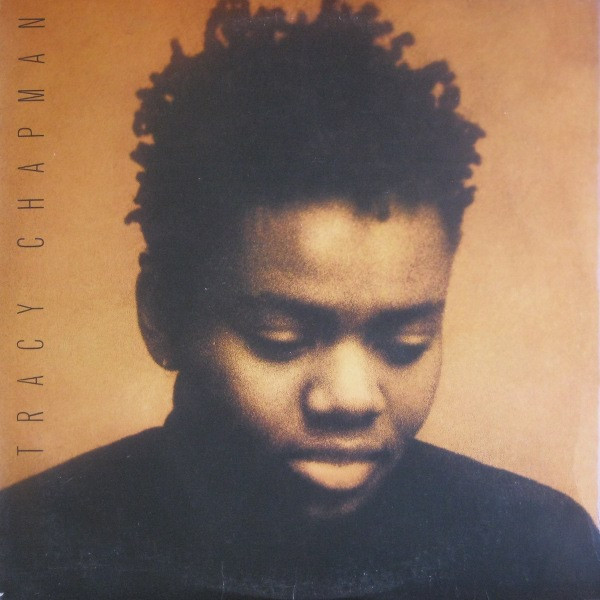
David Kershenbaum was the guy. He’d worked with Joe Jackson and Joan Baez, and when he sat down with Tracy Chapman at Powertrax in Hollywood, he kept the digital multi-track recording shockingly dry. No 1988 reverb wash, no gated drums, just a woman and her acoustic guitar in a room where you can practically hear the dust on the mic diaphragms. It was a stark contrast to the neon-drenched synth-pop of the era, and it worked because the stories were heavy enough to carry the lack of production fluff. Then things got complicated. By the mid-90s, the industry tried to polish her up, and you get some sessions that feel like the label was chasing a softer, VH1-friendly adult contemporary vibe. It’s the curse of the debut—everyone wants to replicate that first lightning strike, but you can’t manufacture that kind of urgency in a high-budget studio. She eventually pulled back, reclaiming the space between the notes, but the middle of the catalog is a lesson in what happens when a singular voice meets a corporate board room.
Bio from The Clerk
The Arc of Tracy Chapman
The pivots — what forced Tracy Chapman to reinvent.
The Kershenbaum Breakthrough
Before the 1988 debut, Elektra was worried about how to market a folk singer in the age of hair metal and New Jack Swing. Kershenbaum stripped the arrangements down to the bone at Powertrax, forcing the listener to confront the lyrics without any studio gimmicks to hide behind. The result was a record that sounded like a transmission from a different planet, landing a massive spot at the Nelson Mandela 70th Birthday Tribute concert because the gear was so minimal it could be set up in minutes. You hear the tension in the wood of the guitar and the absolute stillness of the room, creating a document of pure social realism.
The New Sun Post-Lull
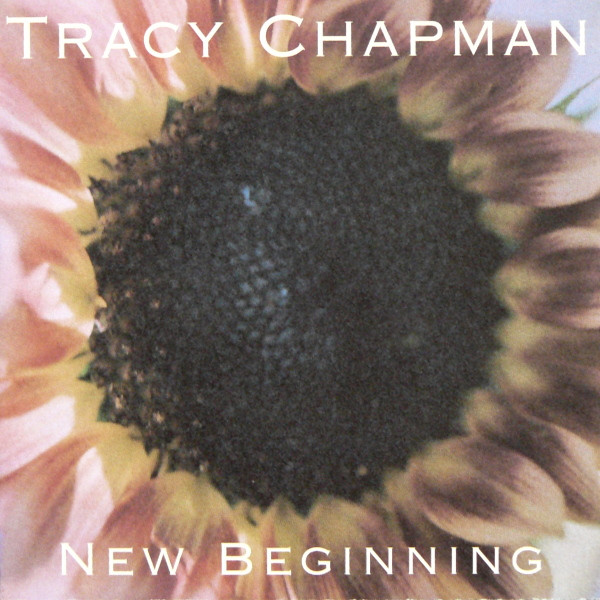
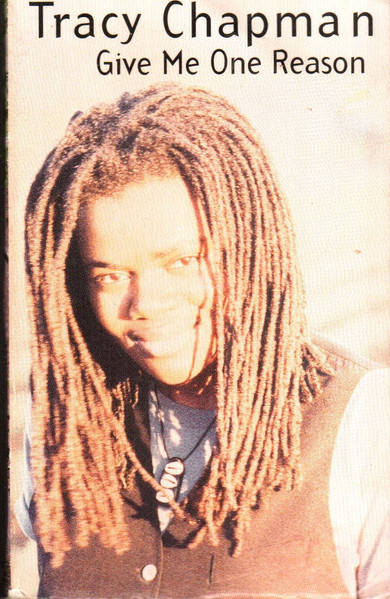
After a couple of records that felt like she was drifting into the background of the folk-rock scene, New Beginning in 1995 was the pivot back to the blues. Don Gehman came in to produce, bringing a swampier, more rhythmic feel that moved away from the coffeehouse vibe and into something heavier. The hit 'Give Me One Reason' wasn't a fluke; it was a return to the 12-bar fundamentals that she'd been sidelining. This era proved she wasn't just a protest singer with a guitar, but a student of American roots music who could command a groove.
The Quiet Erasure
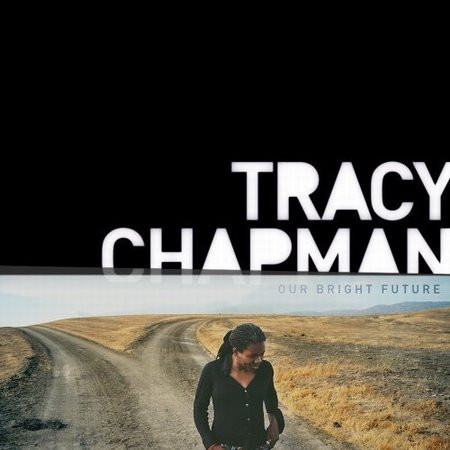
By the time Our Bright Future dropped in 2008, Chapman had almost entirely retreated from the spotlight, opting for a sparse, meditative production style that felt like a quiet conversation. Larry Klein, who worked magic for Joni Mitchell, co-produced and helped create a sound that was less about radio singles and more about atmospheric weight. The songs became tighter and the arrangements more delicate, leaning into her lower register. It was a total rejection of the loudness wars, favoring a dynamic range that required the listener to actually sit still and pay attention.
Influences
- Odetta — Chapman has cited her as a primary reason she picked up the instrument and realized the power of a single voice. You hear it in the rhythmic, percussive way she thumps the acoustic guitar to drive a track. It’s that folk-blues hybrid that values gravity over flashy fingerpicking.
- Joni Mitchell — The influence shows up in the unconventional tunings and the lyrical specificity of the early demos. Chapman told Rolling Stone that Mitchell's 'Court and Spark' was a staple growing up. The phrasing on her more melodic B-sides mirrors Joni’s ability to stretch a vowel across a measure.
- Bob Dylan — The receipt is her cover of 'The Times They Are A-Changin' at the Dylan 30th Anniversary bash at MSG. She took the template of the topical protest song and updated it for the 80s urban reality. It's the direct lineage of the 'finger-pointing song' done with a different soul.
- Mahalia Jackson — Chapman grew up in the church in Cleveland, and Jackson's vocal authority is the bedrock of her delivery. You hear it in the vibrato and the way she holds onto the tail end of a phrase. It’s gospel conviction applied to secular struggles.
- The Weavers — She was exposed to their records early on, which shaped her understanding of the folk revival’s political utility. The communal, plain-spoken nature of their songwriting is reflected in her most direct anthems. No metaphors, just the truth.
Discography
Their records — most-collected first.


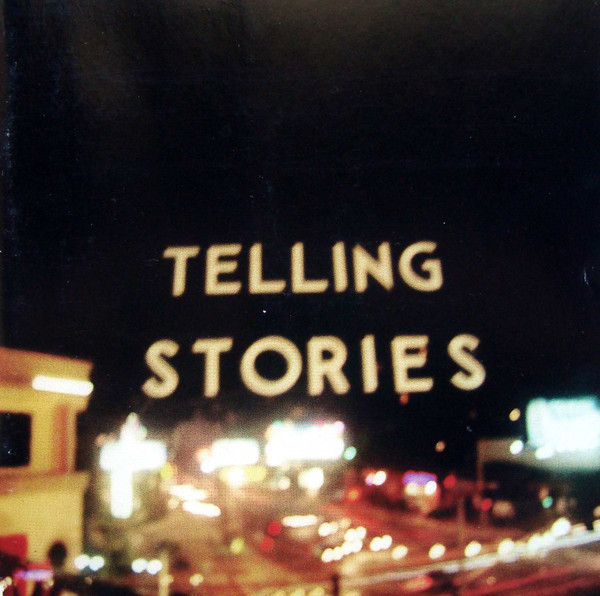

Related artists
Frequent collaborators
Around the web
Follow every record they touch.
Start your shelf and Gatefold tracks Tracy Chapman's new pressings, tour dates, and the whole discography — automatically.
Start your shelf →Free forever. Works with 10 records or 10,000.