
Artist
Troy Van Leeuwen
Los Angeles, United States
Troy Van Leeuwen is a musician from Los Angeles, United States. They also recorded with Queens of the Stone Age, A Perfect Circle, Failure and Desert Sessions.

41
Albums tracked
1,182
In collections
—
Since
Biography
Most guitarists buy fuzz pedals to hide their sloppy picking; Troy Van Leeuwen built a whole career treating pedalboards like modular synthesizers and never missed a downstroke. He was the secret weapon who brought slick, clinical precision to the grittiest corners of California alternative rock in the late nineties. While everybody else was chasing flannel riffs or nu-metal chunk, he leaned into Jazzmasters, lap steels, and hollowbodies drenched in delay. He is the consummate chameleon. Ken Andrews used him to construct the massive spatial architecture of space-rock, Billy Howerdel needed his layered texture to launch A Perfect Circle, and Josh Homme recognized that Queens of the Stone Age needed a technician to balance out the raw, desert-baked swing. He doesn't take over bands; he anchors them, adding razor-sharp lap steel slides and eerie octave swells that make heavy records sound cinematic rather than blunt.
Bio from The Clerk
The Arc of Troy Van Leeuwen
The pivots — what forced Troy Van Leeuwen to reinvent.
The 90s Space-Rock R&D
Van Leeuwen cut his teeth in the LA alternative trenches, jumping into Failure just in time for their 1996 opus Fantastic Planet. Ken Andrews and Greg Edwards ran Failure like a studio lab, obsessed with direct-in recording, heavy processing, and intricate signal routing. Troy absorbed that high-concept pedalboard philosophy, learning how to make guitars sound like malfunctioning synthesizers. That dense, layered texturing became the foundational sonic DNA he brought to every gig that followed.
The Alt-Metal Polisher
When Billy Howerdel and Maynard James Keenan put together A Perfect Circle in 1999, they brought Van Leeuwen in to translate Mer de Noms from studio files to the stage. He laid down rhythm guitar on tracks like 'Thinking of You' and gave the band an arena-ready, gothic sheen that contrasted with Keenan's day job in Tool. It proved he could operate inside a high-stakes, multi-platinum machine without losing his experimental edge. He wasn't just a touring hand; he was the sonic glue.
The Desert Co-Pilot
Josh Homme poached him right as Queens of the Stone Age were touring Songs for the Deaf in 2002, needing a versatile multi-instrumentalist to stabilize a notoriously volatile lineup. Van Leeuwen made his studio debut on 2005's Lullabies to Paralyze, introducing eerie lap steel slides, vintage hollowbody bite, and complex atmospheric overdubs to the desert groove. He became Homme's longest-running creative lieutenant, surviving every lineup purge because he could execute angular riffs and bizarre chord voicings with metronomic precision.
Influences
- David Bowie — Van Leeuwen has repeatedly credited Bowie's Berlin era and Mick Ronson's theatrical arrangement style as his blueprint for making rock guitar feel artful and alien. You hear that glam-tinted swagger and sharp melodic phrasing cutting through his solos on Queens of the Stone Age's Era Vulgaris. He took Bowie's lesson of serving the song while dressing it in weird sonic clothes.
- Led Zeppelin — He constantly cites Jimmy Page's production ethos and heavy use of alternate tunings, slide guitar, and acoustic-over-electric layering as the bedrock of his rhythm approach. The sweeping, eerie lap steel work on 'Lullabies to Paralyze' is pure Page studio orchestration brought into modern stoner rock. It is all about mass and space working at the exact same time.
- The Cure — Robert Smith's use of chorus pedals, Bass VI guitars, and delay-drenched atmospheric beds directly inspired Van Leeuwen's textural, wall-of-sound guitar rigs. You can trace the chorus-heavy sheen of his work with Failure and A Perfect Circle directly to Disintegration. He uses modulation to turn single notes into moody, drifting soundscapes.
- The Stooges — Ron Asheton's blown-out, feedback-drenched, one-note fuzz assault gave Van Leeuwen his roadmap for playing dirt-simple garage lines with utter malice. You hear that primitive, nasty bite on the self-titled Sweethead LP and the stripped-down tracks on Queens' Villains. It acts as the necessary, raw counterweight to his clinical pedal obsession.
- King Crimson — Robert Fripp's angular, polyrhythmic picking and dense Frippertronics layering shaped the complex, unconventional chord voicings Troy injects into heavy rock. The interlocking, mechanical guitar parts on Queens of the Stone Age's 'Sick, Sick, Sick' are straight out of the 1980s Discipline playbook. He took progressive math-rock complexity and snuck it into mainstream hard rock.
Queens of the Stone Age
A project Troy Van Leeuwen was part of.

Songs For The Deaf
2002
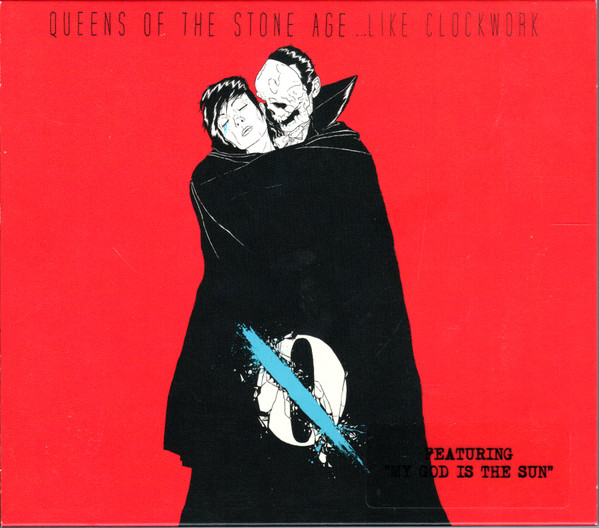
...Like Clockwork
2013
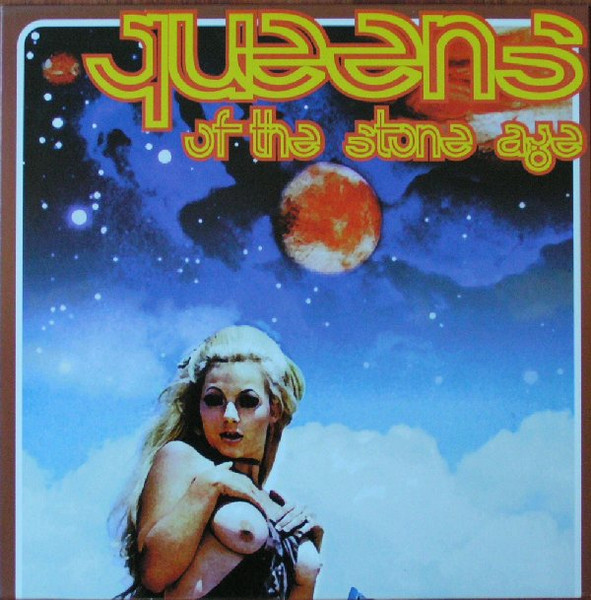
Queens Of The Stone Age
1998

Lullabies To Paralyze
2005
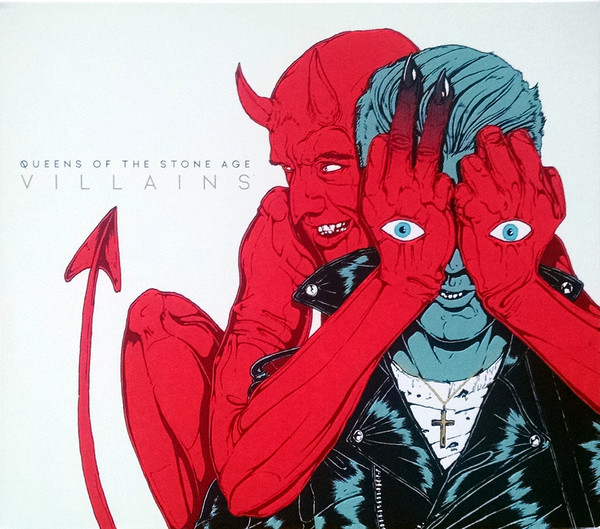
Villains
2017
Era Vulgaris
2007
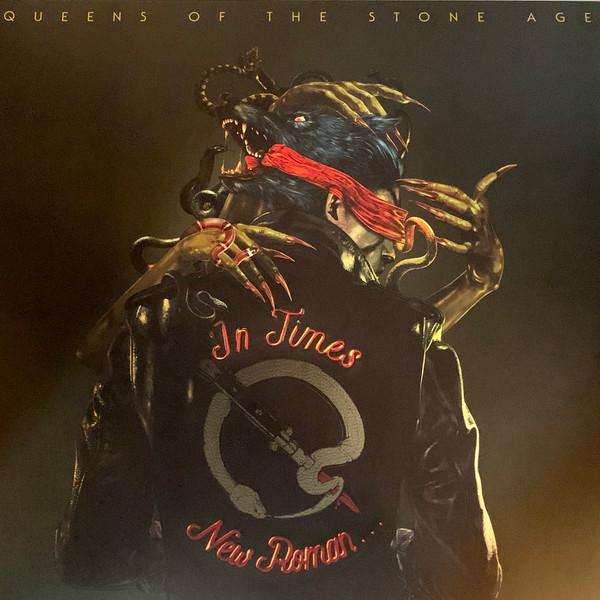
In Times New Roman...
2023

Alive In The Catacombs
2025

Over The Years And Through The Woods
2005

Feel Good Hit Of The Summer
2000
Stone Age Complication
2004
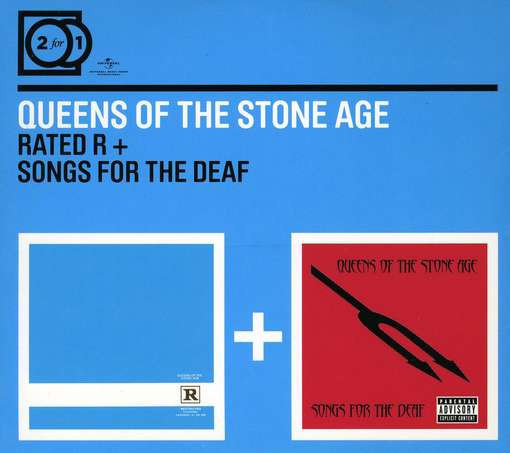
Rated R + Songs For The Deaf
2010

Unplugged & Paralyzed
2006
A Perfect Circle
A project Troy Van Leeuwen was part of. Former member.










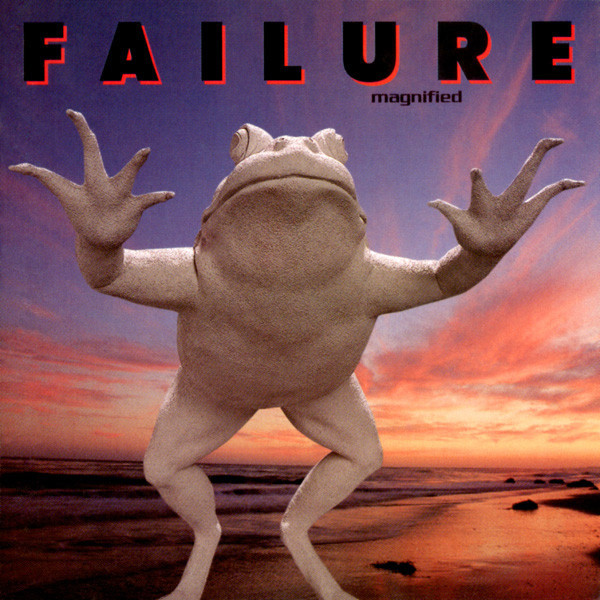
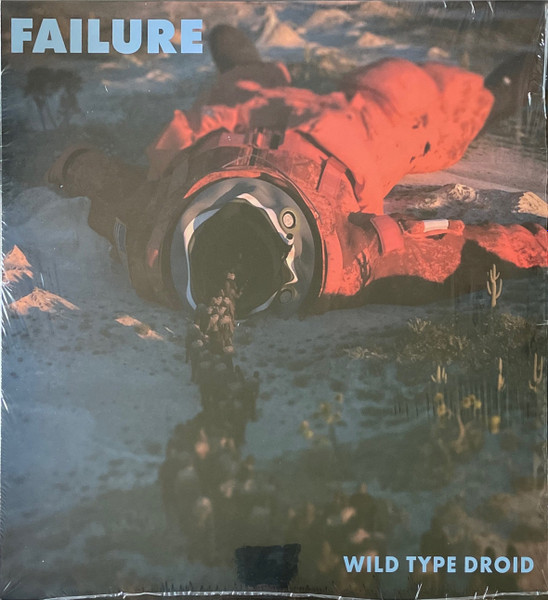
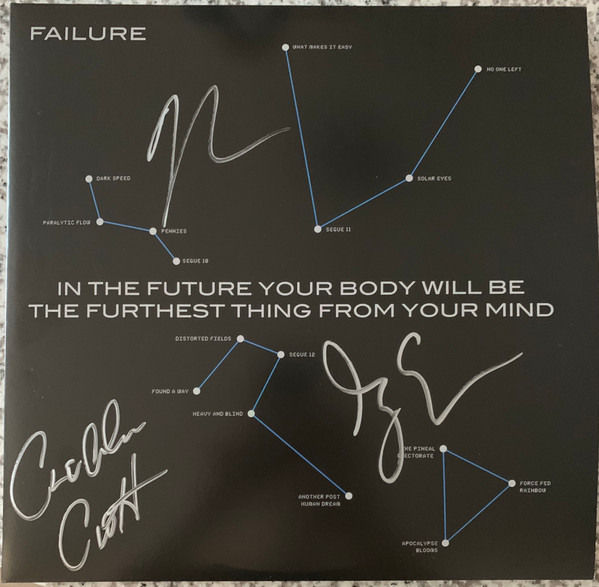
Failure
A project Troy Van Leeuwen was part of. Former member.





Desert Sessions
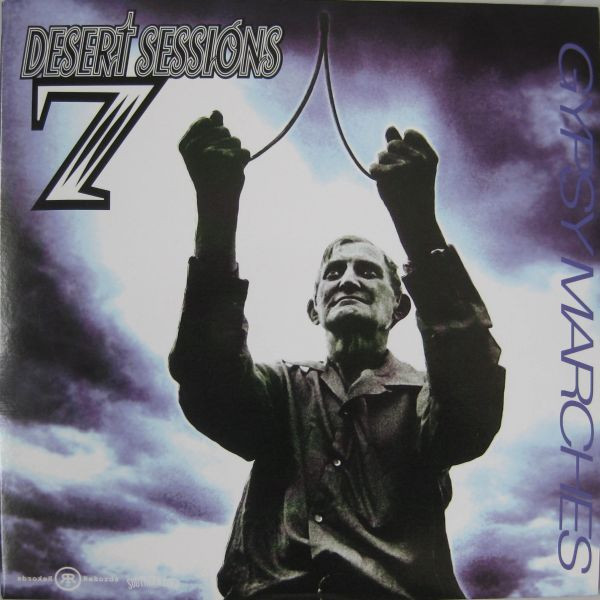
A project Troy Van Leeuwen was part of.





Related artists
More projects
Frequent collaborators
Around the web
Follow every record they touch.
Start your shelf and Gatefold tracks Troy Van Leeuwen's new pressings, tour dates, and the whole discography — automatically.
Start your shelf →Free forever. Works with 10 records or 10,000.