
Artist
Vangelis
Greek composer of electronic, new age and classical
Agria, Greece · 1943 – 2022
Vangelis is a musician from Agria, Greece, active 1943–2022. Their discography on Gatefold includes 24 records. They also recorded with Aphrodite’s Child.
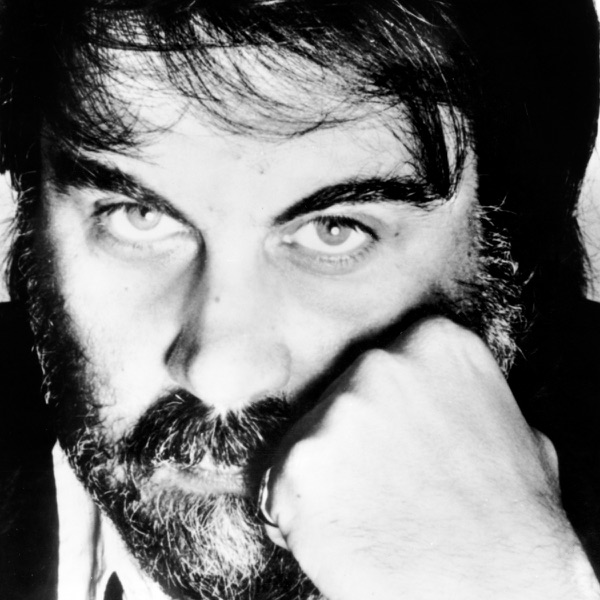
50
Albums tracked
201
In collections
1943
Since
Biography
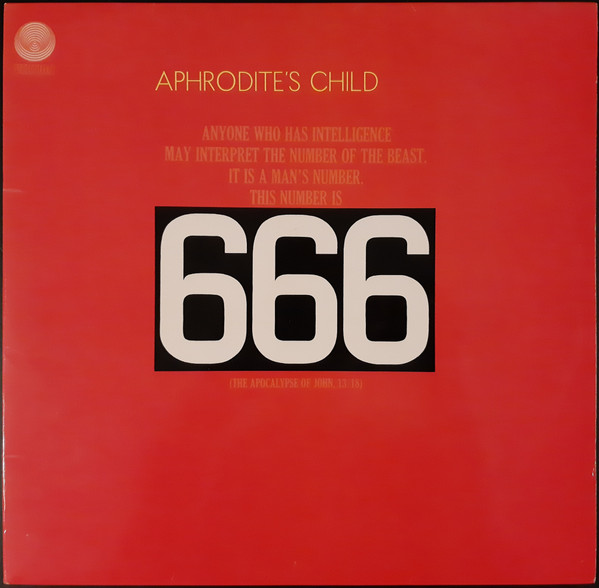
Vangelis spent the late sixties trapped in a Paris studio because a student riot in '68 grounded his flight to London. He was stuck with the guys in Aphrodite’s Child, recording '666' while the world burned outside. It wasn't some hippie-dippie prog session; he was pushing a Hammond B3 and a Mellotron until they screamed, turning a Greek pop group into a apocalyptic psych-rock nightmare. The label hated it. They sat on it for a year. That stubbornness became his entire career—refusing to tour, building his own massive Nemo Studios in London, and surrounding himself with a wall of Yamaha CS-80 synthesizers that weighed more than a damn car. He didn't use MIDI or sequencers like the Kraftwerk nerds. He played everything live to tape, riding the volume pedals like a church organist on speed. If the take wasn't right, he didn't edit—he just did it again. By the time he was doing 'Blade Runner', he was basically a one-man orchestra trapped in a room full of expensive circuitry and patch cables. He could be pretentious as hell, and some of those later symphonic records are a total slog, but when he was locked in with a CS-80 and a Lexicon 224 reverb unit, he was untouchable.
Bio from The Clerk
The Arc of Vangelis
The pivots — what forced Vangelis to reinvent.
The Paris Siege
After the Greek military coup, Vangelis headed for London but got stuck in France during the May 1968 protests. He ended up at Studio Europasonor with Aphrodite's Child, recording the double-album '666' under intense pressure. It’s a chaotic, heavy record where you can hear him transitioning from beat-group organist to an experimental freak. The track 'Infinity' with Irene Papas was so controversial the label tried to bury the whole project, but it proved Vangelis was done with three-minute pop songs forever.
The Nemo Fortress
In 1975, he turned an old school building near Marble Arch into Nemo Studios, his private laboratory for the next decade. He walked away from an offer to join Yes because he wanted total control over his signal chain and his schedule. This is the era of 'Albedo 0.39' and 'Spiral', where he mastered the Yamaha CS-80 and began his obsession with multi-tracking synthesizers as if they were a brass section. You hear it in the massive, swelling textures that define his most famous work—completely solo, completely live, and massively expensive.
The Ridley Scott Connection
The move to film scoring in the early eighties wasn't a sellout; it was the only way to fund his hardware habit. Working on 'Blade Runner', he wasn't just writing themes; he was sound-designing a dying city using the CS-80's polyphonic aftertouch to create those weeping, neon-soaked leads. He ignored the temp tracks and worked late into the night at Nemo, watching the film reels and improvising directly to the image. It’s the peak of his 'human-machine' interface, where the tech finally caught up to the scale of his ego.
Influences
- Francis Poulenc — Vangelis frequently cited the French composer's use of harmony as a primary foundation for his own melodic structures. You hear it in the way he stacks chords on 'Opera Sauvage', favoring those specific, lush European cadences over standard blues-based rock scales.
- Rimsky-Korsakov — The Greek composer obsessed over 'Scheherazade' and the concept of orchestral color, which he admitted in interviews shaped his approach to synthesis. He treated his bank of Roland and Yamaha boards as distinct sections of a Russian symphony, aiming for that same massive, descriptive weight.
- The Shadows — Before the synths, Vangelis was obsessed with the clean, vibrato-heavy guitar sound of Hank Marvin. That specific use of the tremolo arm to make a melody 'sing' is exactly how he later programmed the pitch-bend and modulation on his leads for 'Chariots of Fire'.
- Pierre Henry — During his Paris years, Vangelis was exposed to the Musique Concrète movement and Henry's tape-loop experiments. This influence shows up in the sound-collage transitions on '666' and his career-long habit of layering found sounds and atmospheric noise under his melodic lines.
- Richard Wagner — The concept of the 'Gesamtkunstwerk'—the total work of art—drove Vangelis to build his own studios and control every aspect of production. He chased that Wagnerian scale throughout the seventies, particularly in the bombastic arrangements and operatic scope of 'Heaven and Hell'.
Vangelis — solo
Their records — most-collected first.
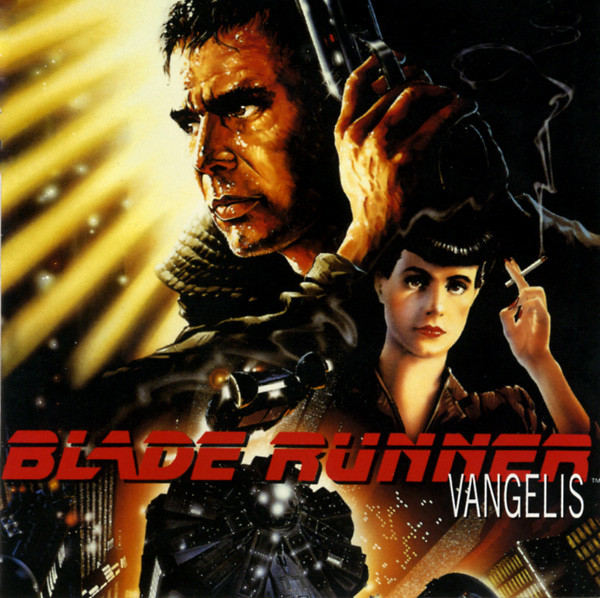
Blade Runner
1994
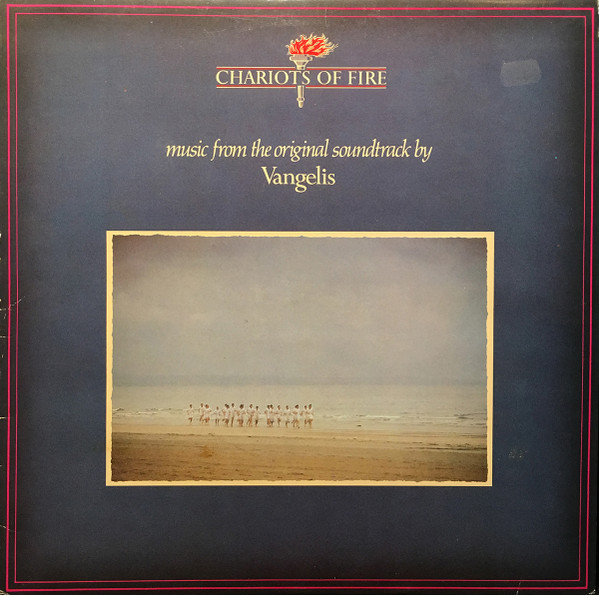
Chariots Of Fire
1981
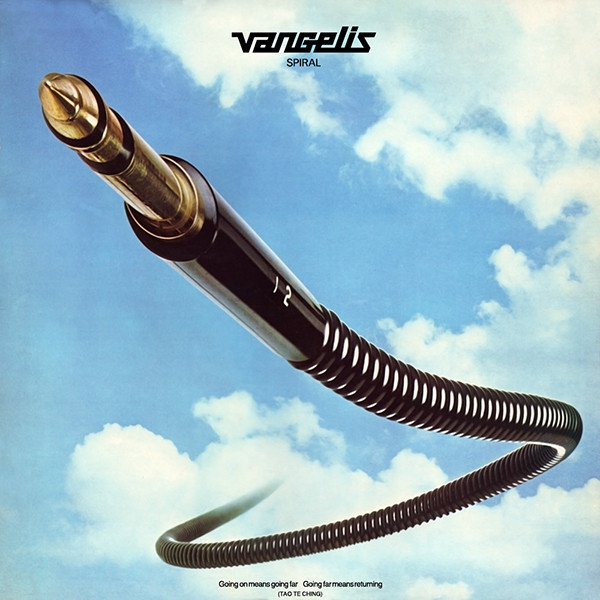
Spiral
1977
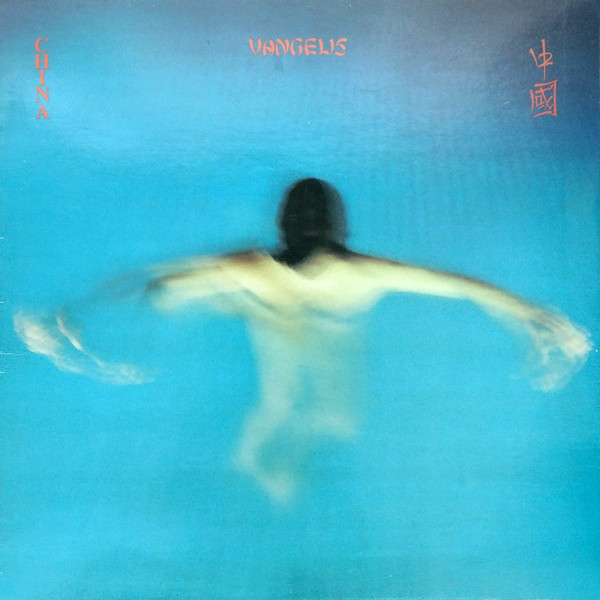
China = 中國
1979
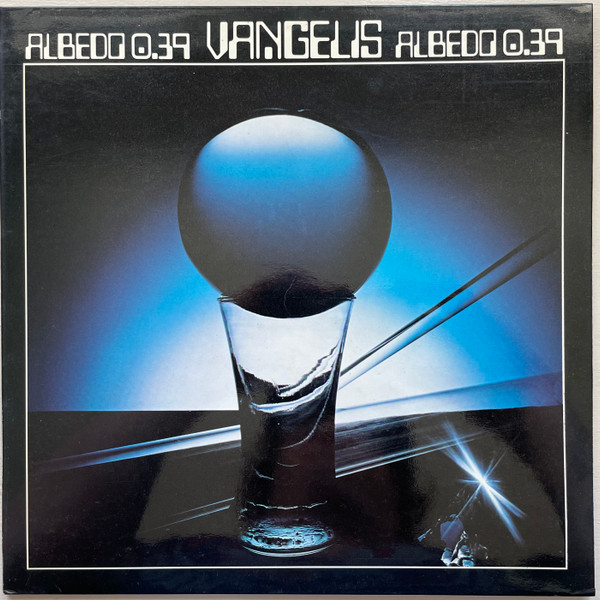
Albedo 0.39
1976
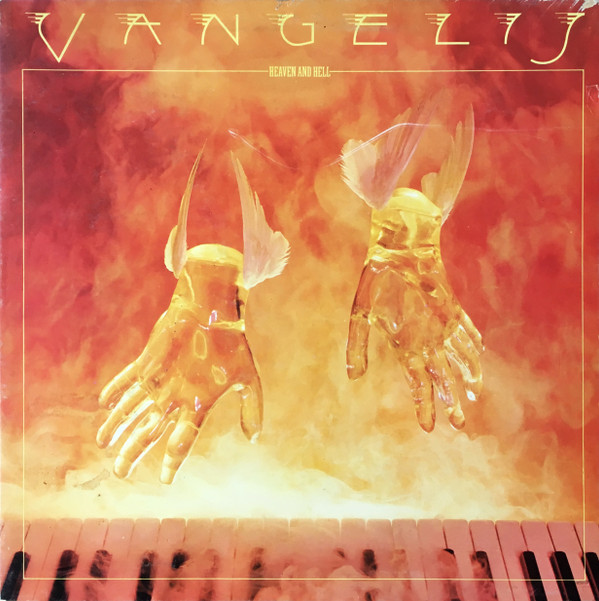
Heaven And Hell
1975

Antarctica (Music From Koreyoshi Kurahara's Film) = 南極物語
1983

The Best Of Vangelis
1978

L'Apocalypse Des Animaux
1973
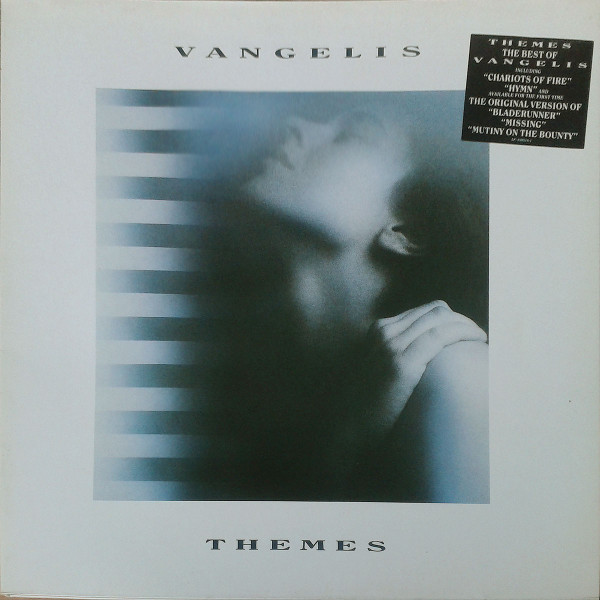
Themes
1989
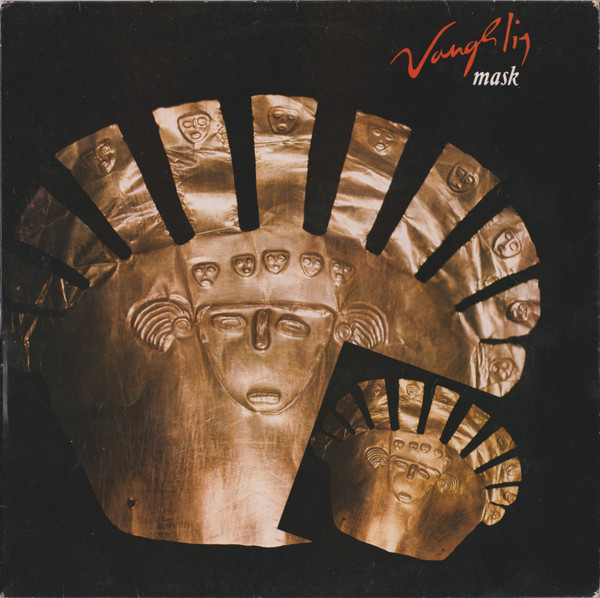
Mask
1985

1492 – Conquest Of Paradise (Music From The Original Soundtrack)
1992
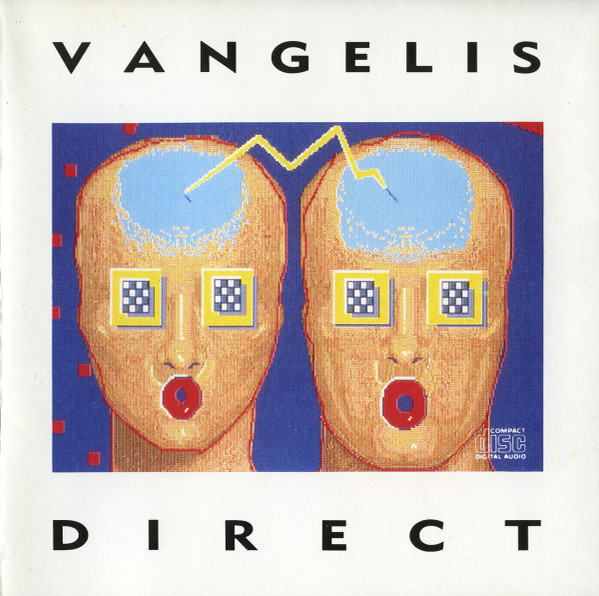
Direct
1988

Chariots Of Fire / Eric's Theme
1982

Greatest Hits
1981
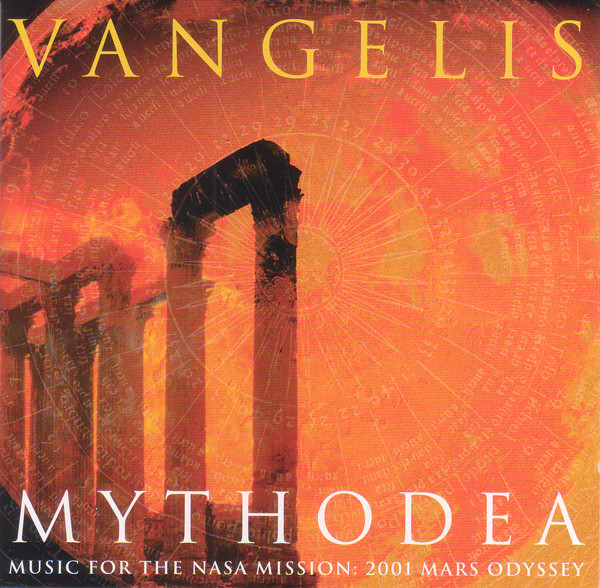
Mythodea (Music For The NASA Mission: 2001 Mars Odyssey)
2001
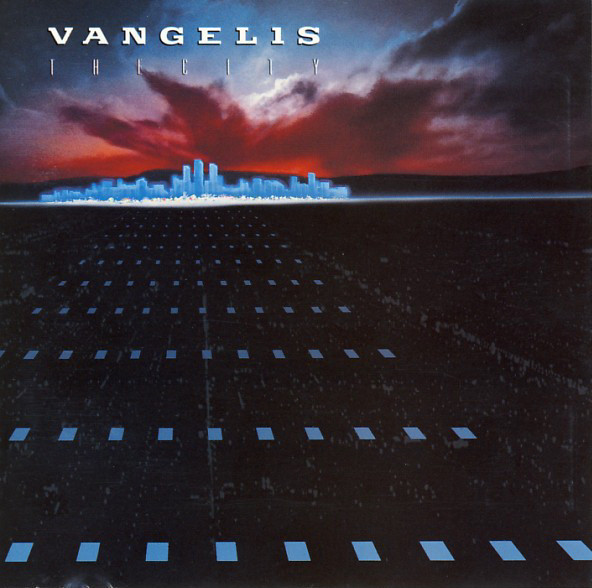
The City
1990
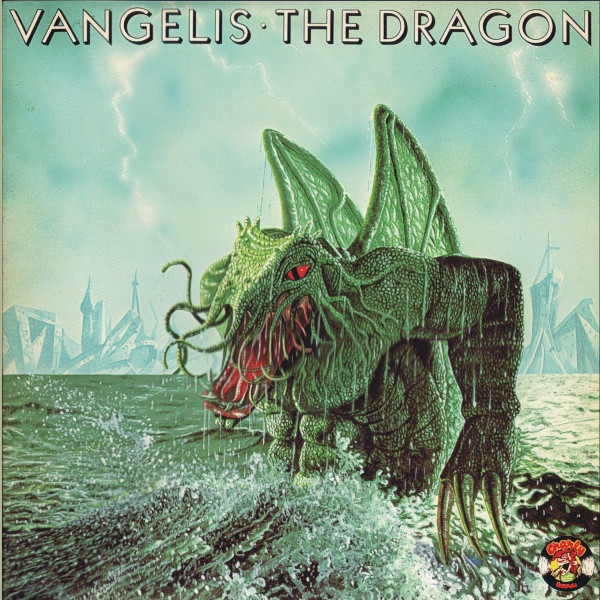
The Dragon
1978
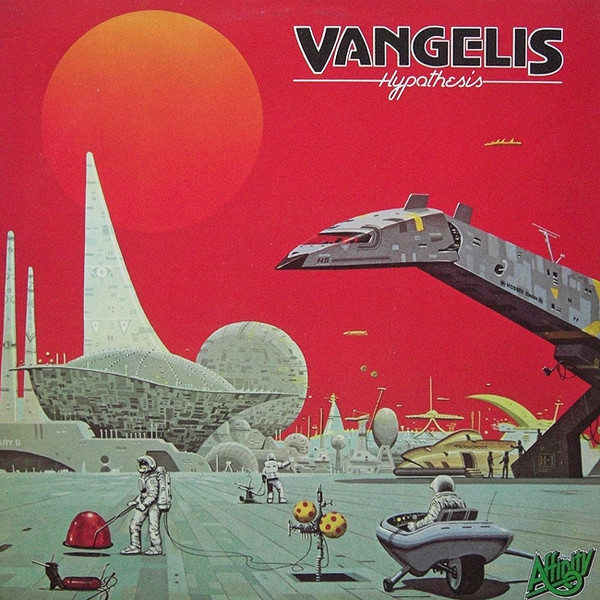
Hypothesis
1978
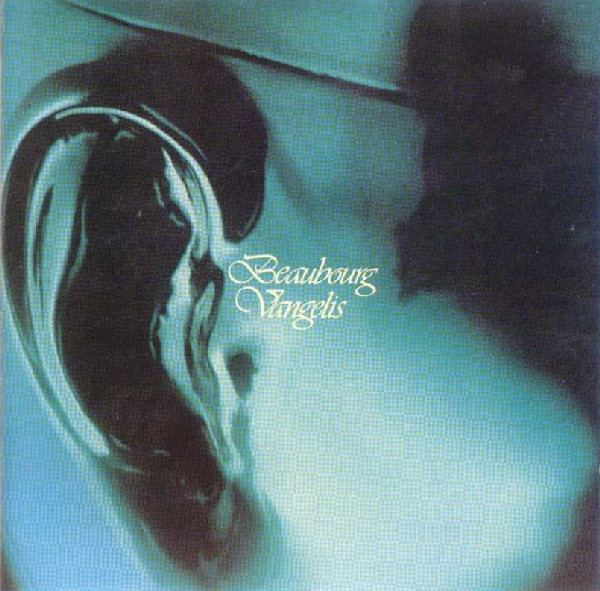
Beaubourg
1978

Blade Runner (Music From The Motion Picture)
2012
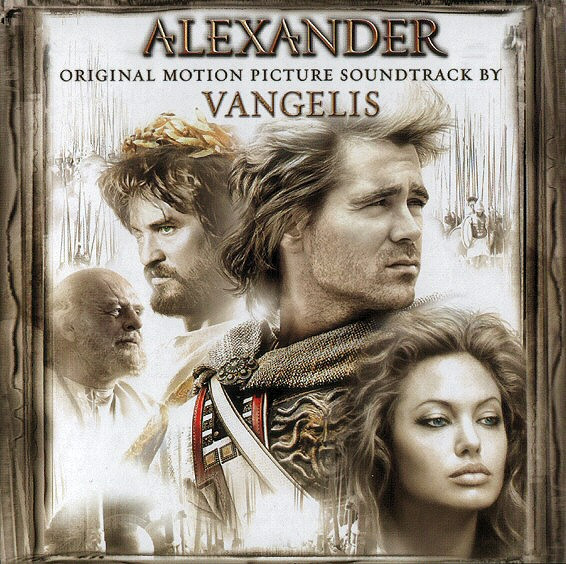
Alexander (Original Motion Picture Soundtrack)
2004

Odyssey (The Definitive Collection)
2003
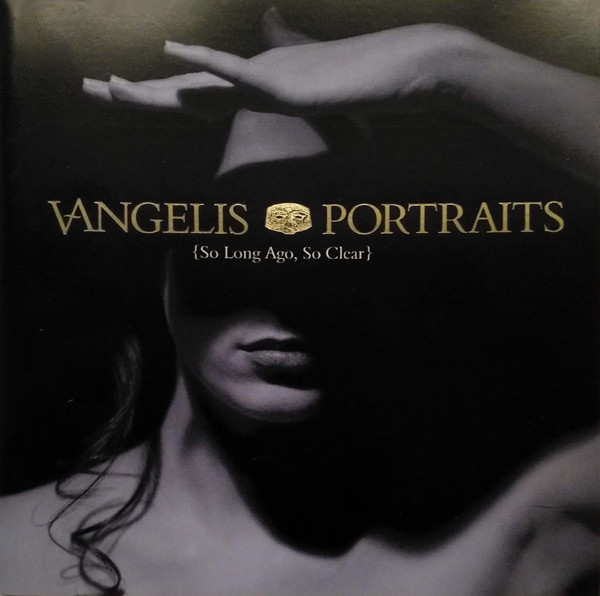
Portraits (So Long Ago, So Clear)
1996
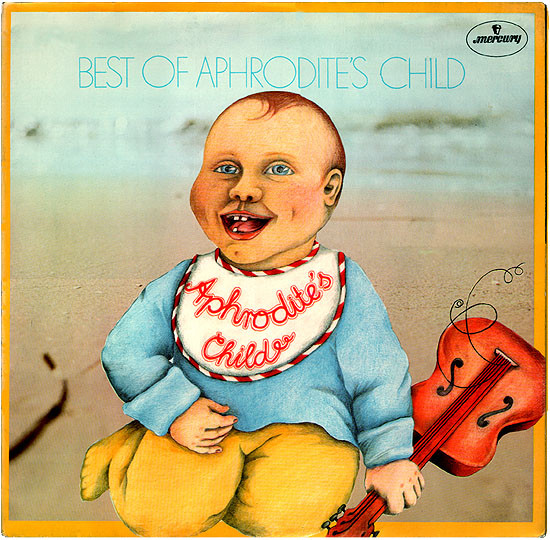
Aphrodite’s Child
A project Vangelis was part of.


Related artists
Frequent collaborators
Around the web
Follow every record they touch.
Start your shelf and Gatefold tracks Vangelis's new pressings, tour dates, and the whole discography — automatically.
Start your shelf →Free forever. Works with 10 records or 10,000.