
Artist
Wild Man Fischer
Los Angeles, United States
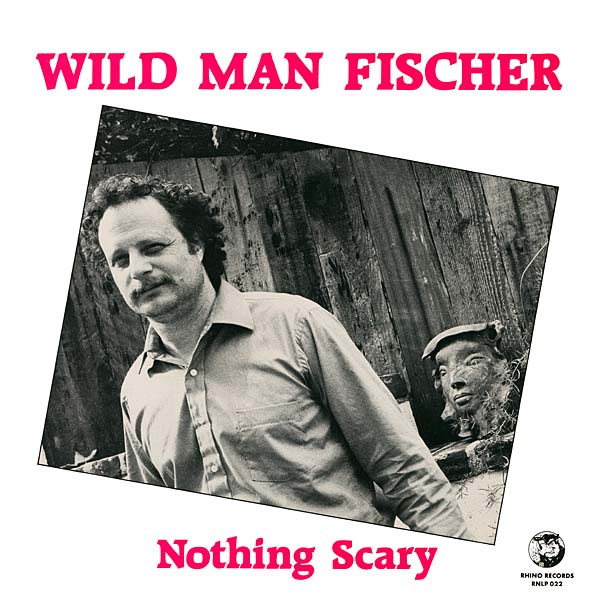
Wild Man Fischer is a music group from Los Angeles, United States. Their discography on Gatefold includes 4 records.

4
Albums tracked
0
In collections
—
Since
Biography
Frank Zappa put a tape recorder in a room with a paranoid schizophrenic who had been institutionalized twice, paid him in pocket change, and called it art. That is the raw, uncomfortable reality of An Evening with Wild Man Fischer in 1968. It was not a traditional recording session. Zappa captured Larry Fischer singing acapella on the streets of South Sunset Boulevard, screaming about circles and peeling bananas, and then spliced those outbursts together with avant-garde studio orchestration. It was voyeuristic, highly exploitative, and utterly brilliant in its absolute disregard for the boundaries of pop music. Fischer was not a novelty act playing a character. He was a man living on the absolute margins of sanity, using the only outlet he had to keep from completely unraveling. When he threw a jar of peanut butter at Zappa's infant daughter, the Bizarre Records partnership ended instantly, leaving Fischer to wander back to the streets without a dime. The subsequent records on Rhino in the late seventies and eighties tried to package his chaos into something resembling synth-pop and novelty rock, but you can always hear the desperation leaking through the cheap drum machines. It is difficult, agonizing listening that refuses to let you off the hook.
Bio from The Clerk
The Arc of Wild Man Fischer
The pivots — what forced Wild Man Fischer to reinvent.
The Street Corner Splicing
In 1968, Frank Zappa took Fischer into Sunset Sound and onto the actual pavement of Los Angeles to record his debut double album. Zappa treated Fischer like a found object, editing raw street recordings together with studio commentary and avant-garde collages. The result was a harrowing piece of outsider art that felt less like a music album and more like an audio documentary of a psychological crisis. It set the template for every outsider artist who followed, though it cost Fischer his mental stability and his relationship with his patron.
The Rhino Synth-Pop Years
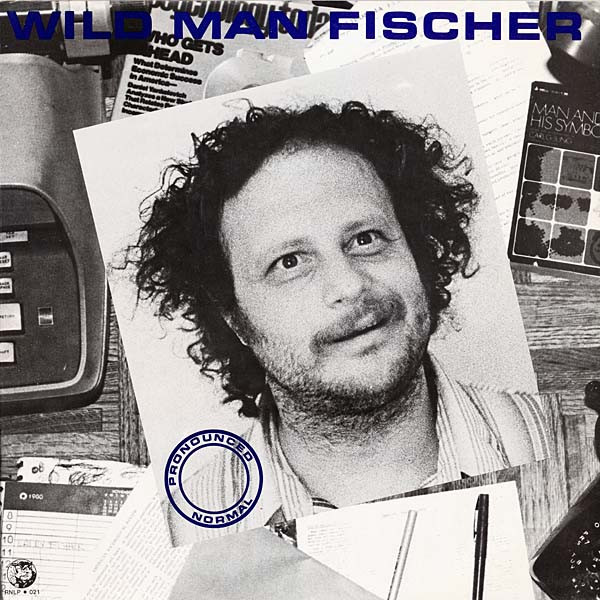
After nearly a decade in obscurity, Harold Bronson and Richard Foos signed Fischer to the newly formed Rhino Records as their very first artist in 1977. Working with Barnes & Barnes—the duo behind the novelty hit Fish Heads—they attempted to back Fischer's erratic, non-tempo vocal outbursts with cheap synthesizers and programmed drums. Albums like Pronounced Normal tried to frame his psychosis as quirky, new-wave comedy. You can hear the tension between the slick, rigid electronic backing tracks and Fischer's erratic, unhinged delivery struggling to find a common rhythm.
Influences
- The Coasters — Fischer grew up obsessed with 1950s doo-wop and novelty R&B, explicitly citing groups like The Coasters as his musical blueprint. You can hear this in his crude attempts at multi-part vocal harmonies and call-and-response structures on his acapella street recordings. He was trying to recreate the slick, theatrical vocal arrangements of Leiber and Stoller on a street corner with zero backing band.
- Little Richard — The raw vocal intensity and manic energy of 1950s rock and roll pioneers directly shaped Fischer's screaming delivery. He regularly imitated the high-pitched falsetto whoops and frantic pacing of Little Richard during his street performances. It was rock and roll stripped of all instrumentation, leaving only the pure, kinetic noise of a man shouting at the top of his lungs.
- Screamin' Jay Hawkins — The theatrical madness and vocal eccentricity of Hawkins paved the way for Fischer to view his own vocal outbursts as legitimate performance. Hawkins proved that guttural grunts, screams, and simulated madness could be pressed to vinyl. Fischer took that blueprint to its literal extreme, removing the theatrical safety net entirely.
- Elvis Presley — Fischer frequently referenced Elvis in his street pitches, claiming he could write songs just as good as the King. His crude lyricism and attempts at crooning on tracks like 'Merry-Go-Round' show a distorted, funhouse-mirror reflection of 1950s pop balladry. He wanted to be a traditional pop star, but his brain simply would not allow him to color inside those lines.
- Frank Zappa — Zappa was more than a producer; his specific editing techniques and cynical view of pop music framed how the world heard Fischer. By splicing Fischer's raw street tapes with avant-garde noise on the 1968 debut, Zappa shaped the actual structure of Fischer's catalog. You hear Zappa's cynical, Musique Concrète editing style in every sudden transition on those early sides.
Discography
Their records — most-collected first.


Related artists
Frequent collaborators
Around the web
Follow every record they touch.
Start your shelf and Gatefold tracks Wild Man Fischer's new pressings, tour dates, and the whole discography — automatically.
Start your shelf →Free forever. Works with 10 records or 10,000.