
Artist
Wolfe Tones
Dublin, Ireland · Formed 1963
Wolfe Tones is a music group from Dublin, Ireland, active since 1963. Their discography on Gatefold includes 17 records.

17
Albums tracked
5
In collections
1963
Since
Biography
A wooden five-string banjo, a tin whistle, and zero studio polish. That was the setup in Dublin back in '63 when Brian Warfield, Derek Warfield, and Noel Nagle started hammering out rebel tunes. They took their name from 1798 revolutionary Theobald Wolfe Tone and treated every session like an acoustic rally. No lush production budgets. No attempts to cross over into international pop charts. Just four guys shouting down a single vocal mic with the gain pushed until the tape saturated. While the Dubliners courted bohemian folk clubs and the Clancy Brothers took Carnegie Hall in matching sweaters, the Wolfe Tones leaned straight into raw partisan agitprop. Radio stations banned them. Critics called them crass propagandists. Didn't matter. They sold records out of the trunks of cars and packed ballrooms across the diaspora because the arrangements hit like a boot to the ribs. When you strip out commercial ambition, you end up with songs that outlive the industry machinery.
Bio from The Clerk
The Arc of Wolfe Tones
The pivots — what forced Wolfe Tones to reinvent.
Ballads and Banishment
They started as a traditional pub-circuit outfit cutting straight folk for Fontana and Dolphin before political realities in the North hijacked their setlist. By 1972's 'Let the People Sing', national broadcaster RTÉ pulled them off the airwaves entirely under Section 31 censorship rules. That ban forced the band to rely purely on live word of mouth and relentless grassroots touring. The records from this run sound fast, stripped-down, and aggressively defiant.
The 25th Anniversary and the Split
By the late '80s they were playing massive arenas and writing stadium-ready anthems like 'Celtic Symphony' for the 1989 centenary of Celtic F.C. Brian Warfield took over as the dominant songwriter, pivoting the group from historical broadsides to massive, chant-heavy originals. That commercial spike came at the cost of deep internal friction over band direction and solo projects. Derek Warfield walked away in 2001, splitting the original camp and triggering years of ugly legal fights over the band's name.
The Arena Comeback
Reduced to a three-piece, the core lineup refused to pack it in and spent the 2000s self-releasing massive retrospective live sets. Decades after the radio blacklists and mainstream dismissals, streaming algorithms and festival bookings introduced their back catalog to a massive new generation. By the 2020s, they went from nostalgic pub draws to selling out consecutive nights at Dublin's 3Arena and packing out festival tents. They never softened the edges; the room just finally caught up with them.
Influences
- The Clancy Brothers and Tommy Makem — The Clancys proved in the late 1950s that Irish ballad singing could fill massive commercial rooms. You hear that exact punchy, unison four-part vocal projection across all of the Wolfe Tones' early Dolphin releases. They took Liam Clancy's rhythmic vigor and cranked the tempo.
- Dominic Behan — Behan wrote the definitive Dublin street ballads that formed the bedrock of the Wolfe Tones' early live set. They covered 'The Patriot Game' and adopted his unapologetically political lyric style directly into their own writing. Brian Warfield modeled his narrative broadsides on Behan's sharp meter.
- The Dubliners — Ronnie Drew and Barney McKenna set the blueprint for gritty, unrefined Dublin pub folk in the early '60s. The Wolfe Tones mirrored their dual-lead attack of five-string banjo and whistle right out of the gate. It took the Dubliners' street grit and pushed it in a harder political direction.
- Woody Guthrie — The early Wolfe Tones obsessively studied the direct, three-chord topical protest songs coming out of American folk archives. You hear Guthrie's plainspoken narrative cadence running underneath their historical narrative tracks. It taught them that a topical song doesn't need fancy chords to carry weight.
- Seán Ó Riada — Ó Riada revitalized traditional Irish ensemble playing in the 1960s with Ceoltóirí Chualann. Noel Nagle's piping and whistle arrangements borrowed directly from Ó Riada's structured traditional counterpoint. It gave their street-level songs an authentic structural backbone.
Discography
Their records — most-collected first.
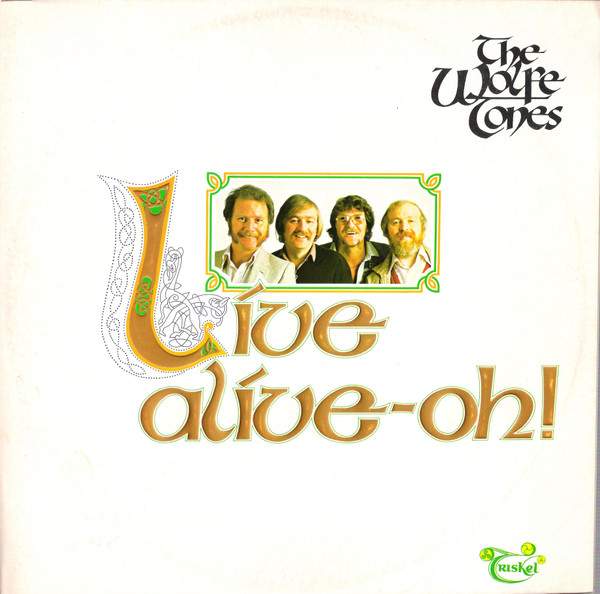
Live Alive-Oh
1980
Belt Of The Celts
1978
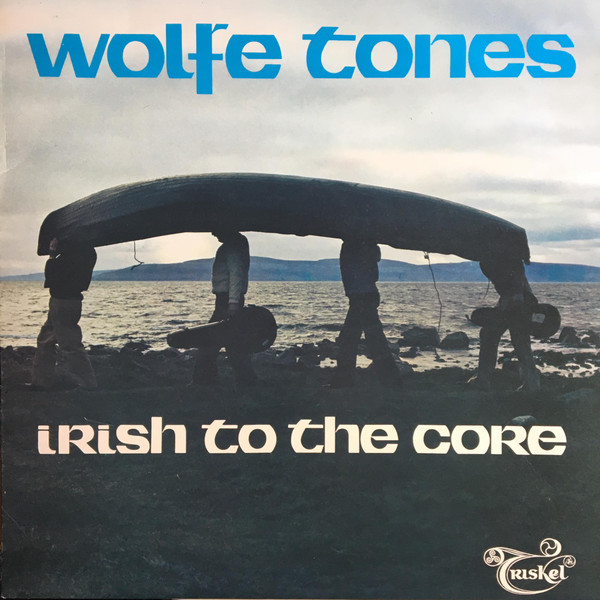
Irish To The Core
1976

'Till Ireland A Nation
1974
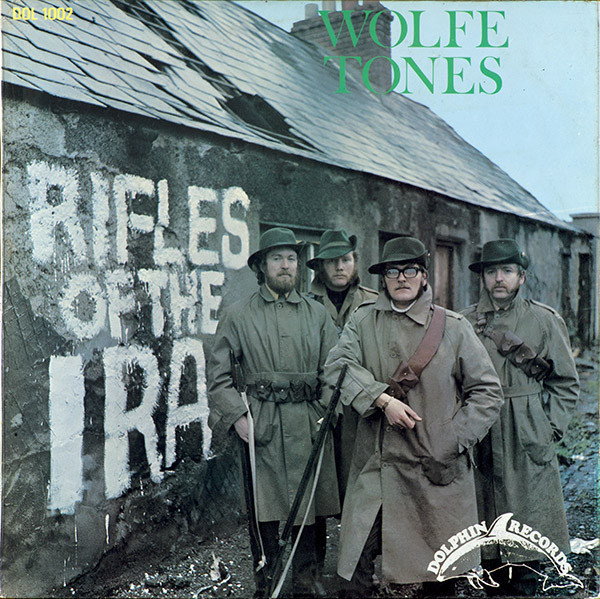
Rifles Of The IRA
1970
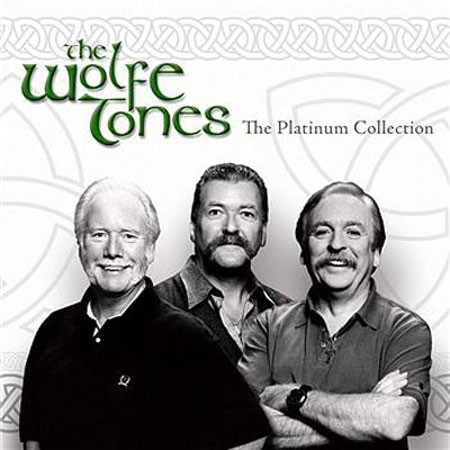
The Platinum Collection
2006
25th Anniversary
1989

Sing Out For Ireland
1987

Wolfe Tones
1985

A Sense Of Freedom
1983

As Gaeilge
1982
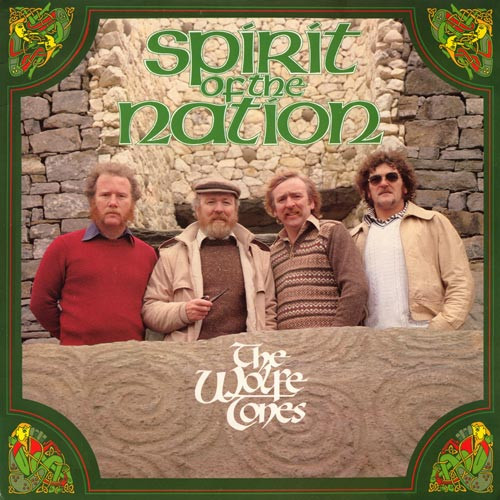
Spirit Of The Nation
1981

Across The Broad Atlantic
1976
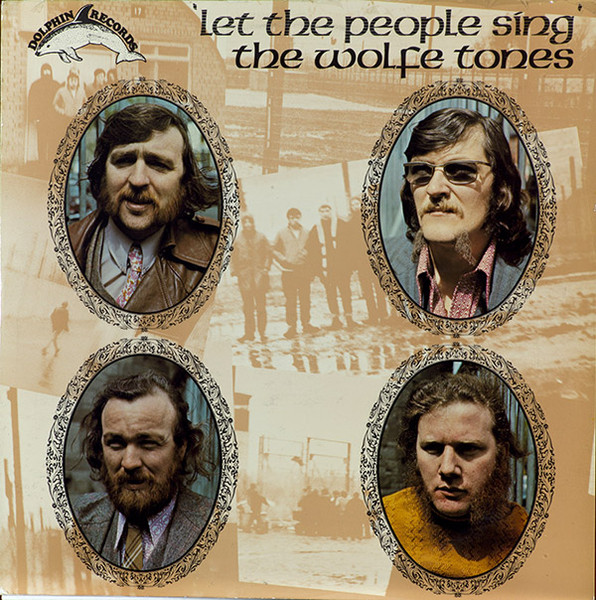
Let The People Sing
1972

Teddy Bear's Head
1971

The Rights Of Man
1968
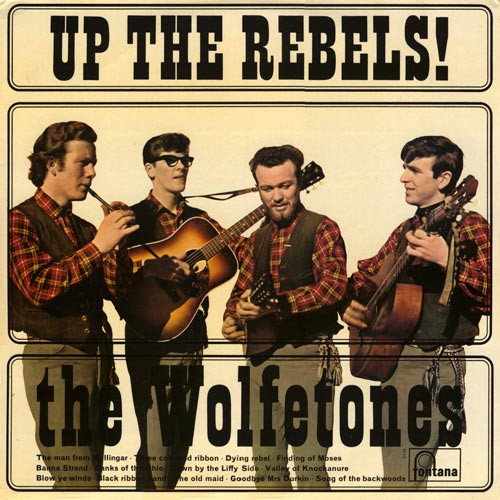
Up The Rebels!
1966
Related artists
Around the web
Follow every record they touch.
Start your shelf and Gatefold tracks Wolfe Tones's new pressings, tour dates, and the whole discography — automatically.
Start your shelf →Free forever. Works with 10 records or 10,000.