
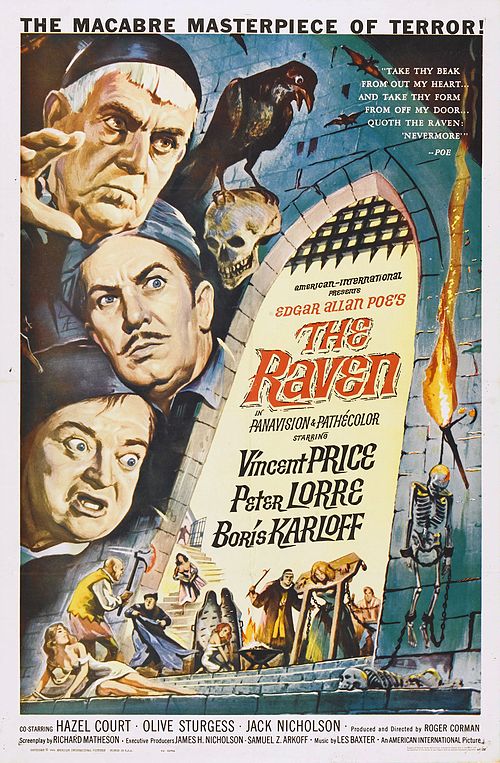
B Movie
Biography
A B movie, or B film, is a type of low-budget commercial motion picture. Originally, during the Golden Age of Hollywood, this term specifically referred to films meant to be shown as the lesser-known second half of a double feature, somewhat similar to B-sides in recorded music. However, the production of such films as "second features" in the United States largely declined by the end of the 1950s. This shift was due to the rise of commercial television, which prompted film studio B movie production departments to transition into television film production divisions. These divisions continued to create content similar to B movies, albeit in the form of low-budget films and series. Today, the term "B movie" is used in a broader sense. In post-Golden Age usage, B movies can encompass a wide spectrum of films, ranging from sensationalistic exploitation films to independent arthouse productions. In either usage, most B movies represent a particular genre: the Western was a Golden Age B movie staple, while low-budget science-fiction and horror films became more popular in the 1950s. Early B movies were often part of series in which the star repeatedly played the same character. Almost always shorter than the top-billed feature films, many had running times of 70 minutes or less. The term connoted a general perception that B movies were inferior to the more lavishly budgeted headliners; individual B films were often ignored by critics. Modern B movies occasionally inspire multiple sequels, though film series are less common. As the running time of major studio films has increased, so too has that of B pictures. Today, the term "B movie" carries somewhat contradictory meanings. It can refer to (a) a genre film with minimal artistic ambition or (b) a lively, energetic production free from the creative constraints of higher-budget films and the conventions of serious independent cinema. Additionally, the term is now often applied loosely to certain mainstream films with larg
Bio from Wikipedia