
Performance · Other credits
Camille Saint-Saëns
11th arrondissement of Paris, France
Camille Saint-Saëns is credited on 13,406 releases across 2,408 albums tracked on Gatefold, active 1950–2026 — the collector-built map of who actually made the music.

13,406
Pressings credited
2,408
Albums
8
Decades active
114
In collections
Biography
Charles-Camille Saint-Saëns (UK: , US: ; French: [ʃaʁl kamij sɛ̃sɑ̃(s)] 9 October 1835 – 16 December 1921) was a French composer, organist, conductor and pianist of the Romantic era. His best-known works include Introduction and Rondo Capriccioso (1863), the Second Piano Concerto (1868), the First Cello Concerto (1872), Danse macabre (1874), the opera Samson and Delilah (1877), the Third Violin Concerto (1880), the Third ("Organ") Symphony (1886) and The Carnival of the Animals (1886). Saint-Saëns was a musical prodigy; he made his concert debut at the age of ten. After studying at the Paris Conservatoire he followed a conventional career as a church organist, first at Saint-Merri, Paris and, from 1858, La Madeleine, the official church of the French Empire. After leaving the post twenty years later, he was a successful freelance pianist and composer, in demand in Europe and the Americas. As a young man, Saint-Saëns was enthusiastic for the most modern music of the day, particularly that of Schumann, Liszt and Wagner, although his own compositions were generally within a conventional classical tradition. He was a scholar of musical history and remained committed to the structures worked out by earlier French composers. This brought him into conflict in his later years with composers of the impressionist and expressionist schools of music; although there were neoclassical elements in his music, foreshadowing works by Stravinsky and Les Six, he was often regarded as a reactionary in the decades around the time of his death. Saint-Saëns held only one teaching post, at the École Niedermeyer in Paris, and remained there for less than five years. It was nevertheless important in the development of French music: his students included Gabriel Fauré, among whose own later pupils was Maurice Ravel. Both of them were strongly influenced by Saint-Saëns, whom they revered as a genius.
Bio from Wikipedia
Credited work
13,406 releases · 2,408 albums · active 1950–2026
- Performance · 15,620
- Other credits · 257
- Production · 8
Studios: Abbey Road Studios · Kingsway Hall · Salle Wagram, Paris · Saint Eustache Church
Discography
Records they worked on — most-collected first.
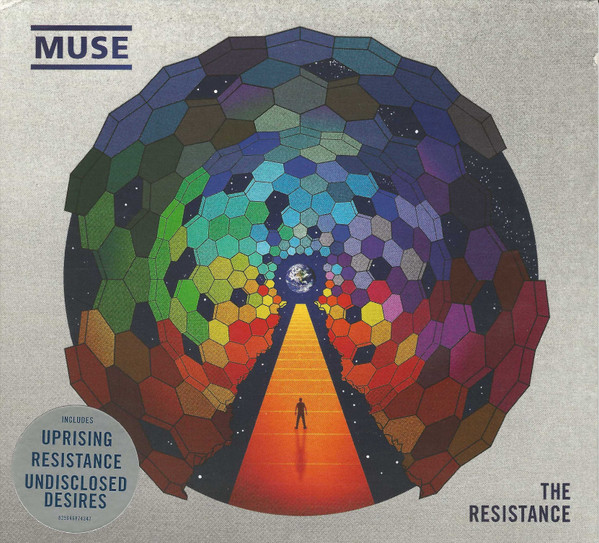
The Resistance
2009
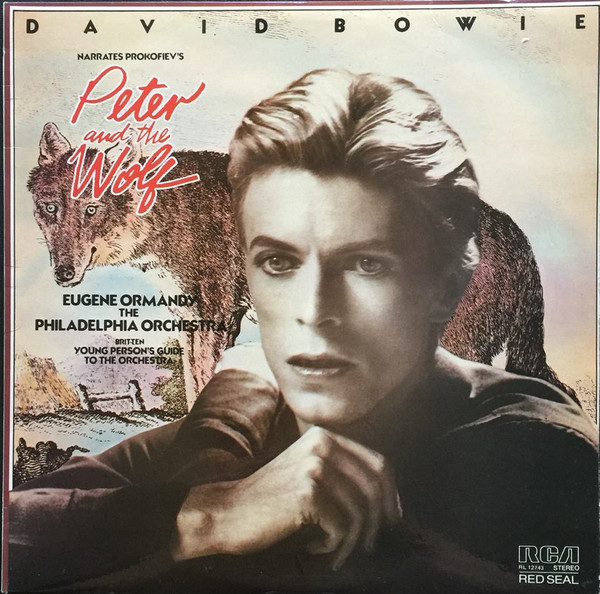
Peter And The Wolf / Young Person's Guide To The Orchestra
1978
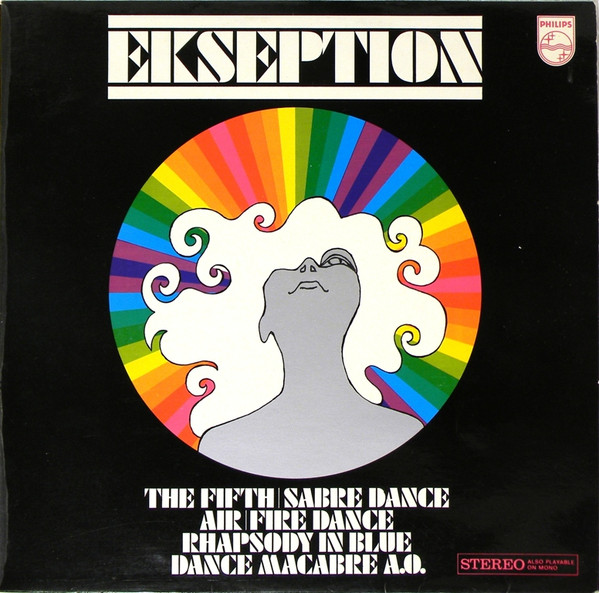
Ekseption
1969

Hooked On Classics 3 - Journey Through The Classics
1983
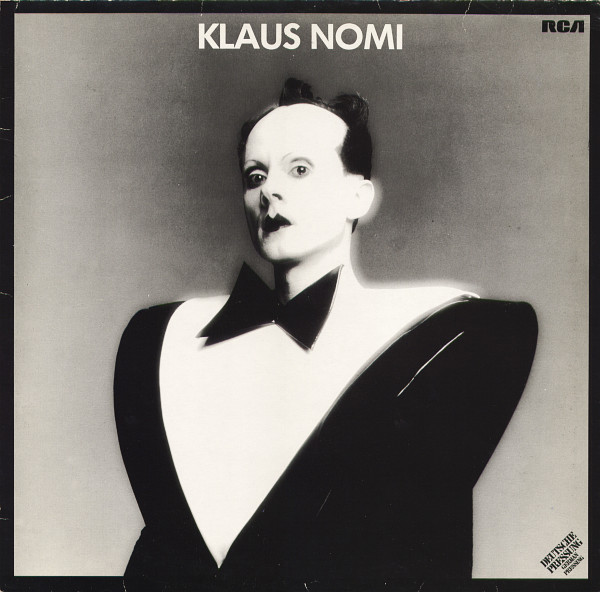
Klaus Nomi
1981

Christmas Carols Around The World
1961
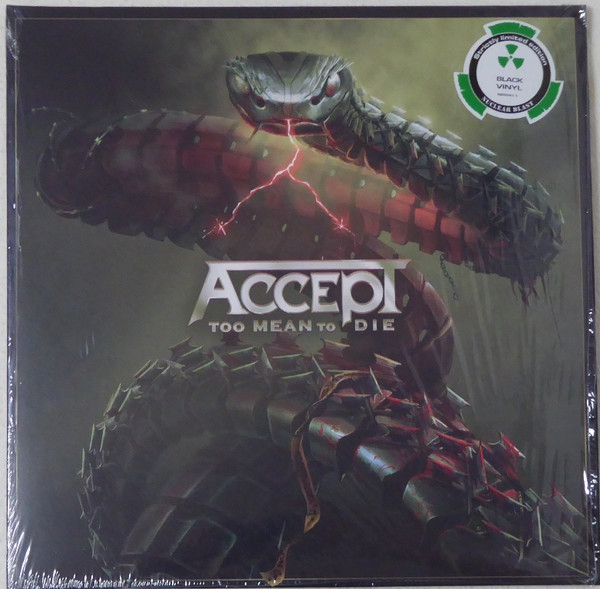
Too Mean To Die
2021

Sky Five Live
1983
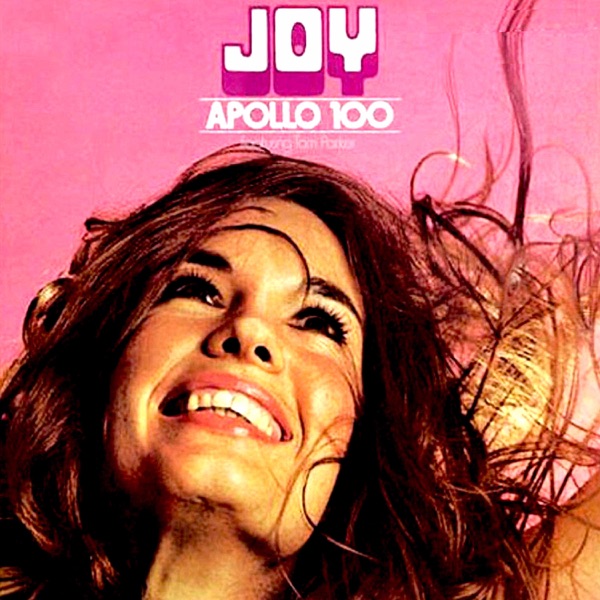
Joy
1972
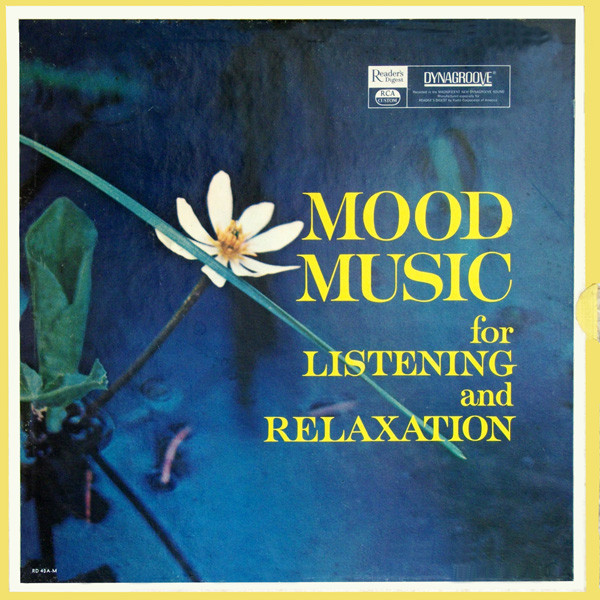
Mood Music For Listening And Relaxation
1963

Alley Cat
1962

(T.N.O.T.A.A.T.P.B.T.Q.A.S.F.A.B.O.O.T.D.O.S.S.T.T.E.V.H.S)
2020
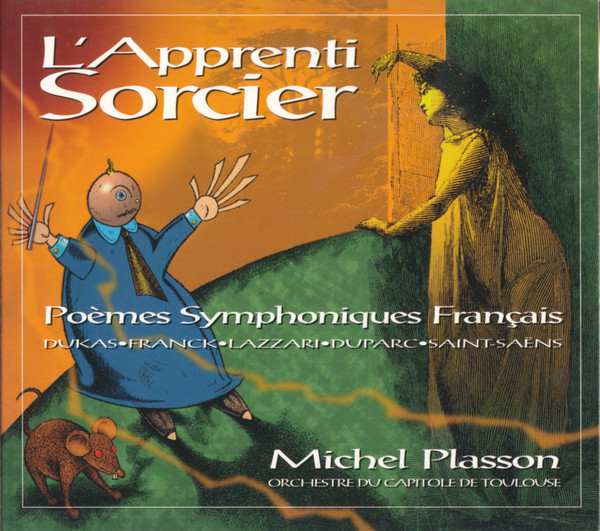
L'Apprenti Sorcier – Poèmes Symphoniques Français
1996

Chiller
1989
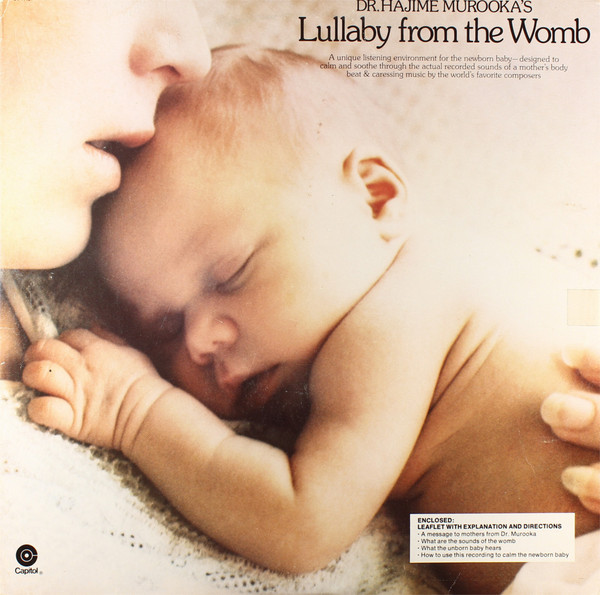
Lullaby From The Womb
1974

25 Most Beloved Melodies
1967

The Enchanted World Of Ferrante & Teicher
1964

Nina Simone At Carnegie Hall
1963

Mallet Magic
1957

Dear Wormwood
2015

Essential Opera Arias
2011

Requiem
2006
Duel
2004
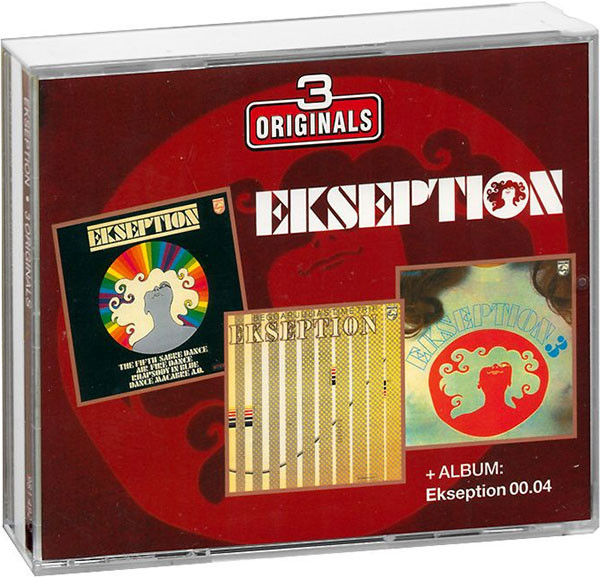
3 Originals
2004
Frequent collaborators
- Various
- Saint-Saëns
- Maria Callas
- Saint-Saens
- Prokofiev
- Lalo
- Ravel
- Jascha Heifetz
Around the web
See who really made the music.
Gatefold maps every producer, engineer, and player across your shelf — the credits no one else surfaces.
Start your shelf →Free forever. Works with 10 records or 10,000.