

Duncan Cameron
Biography
General Sir Duncan Alexander Cameron, (20 May 1808 – 8 June 1888) was a British Army officer who fought in the Crimean War and part of the New Zealand Wars. He was later a governor of the Royal Military College, Sandhurst. Born into a family with a military tradition, Cameron joined the British Army in 1825. Commissioned into the 42nd Regiment of Foot, he had risen to the rank of lieutenant-colonel by 1854 and was a battalion commander. He served in the Crimean War and fought in the Battle of Alma. Afterwards, he assumed command of the Highland Brigade and led it through the Battle of Balaclava and the Siege of Sevastopol. He finished the war as a temporary major-general and received several honours for his service. He then held a series of educational and advisory posts with the British Army before becoming Commander-in-Chief, Scotland in 1860. The following year, Cameron was appointed commander of British forces in New Zealand, which was dealing with the ongoing New Zealand Wars. At the time, the Colonial Government was engaged in a conflict with the Māori in the Taranaki region. However, by the time Cameron arrived in the Taranaki, a truce had been arranged. Two years later, he suppressed a further outbreak of fighting in the area and then led the invasion of the Waikato to deal with the King Movement, a Māori resistance that threatened British sovereignty in the country. He commanded a series of mostly successful engagements with the Kingites, followers of the King Movement, but none were decisive. By March 1864, he had advanced in the Waikato heartland and had pushed the Kingites into the King Country. At Gate Pā in April 1864, his forces suffered a major defeat. By this stage, Cameron was becoming disillusioned with the conduct of the war. Against his wishes, in early 1865 he commanded a campaign against Māori in the southern Taranaki. Coming under political pressure to wage a war he felt was inappropriate, he tendered his resignation and left New Zealand in
Bio from Wikipedia
Discography
Records they worked on — most-collected first.
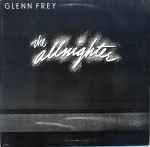
The Allnighter
1984
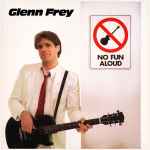
No Fun Aloud
1982

Rising
1980
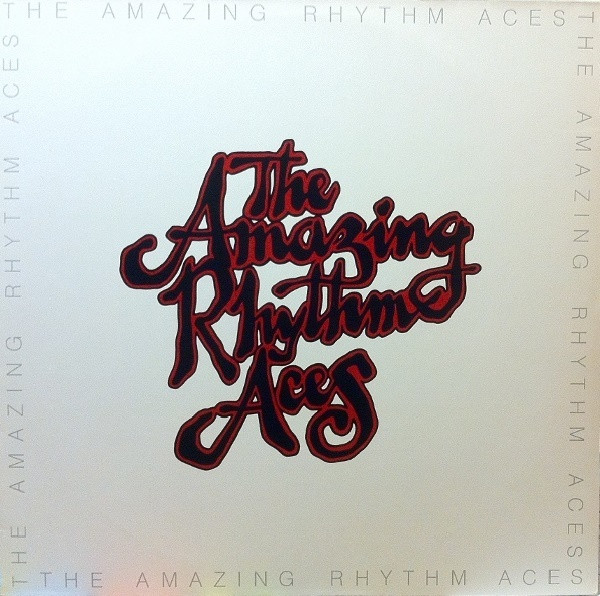
Amazing Rhythm Aces
1979

Nothing But The Truth
1983

Burning The Ballroom Down
1978

Oak Ridge Boys Greatest Hits 2

Midnight Run
1989

Cuttin' Corners
1980

Join The Band
2008
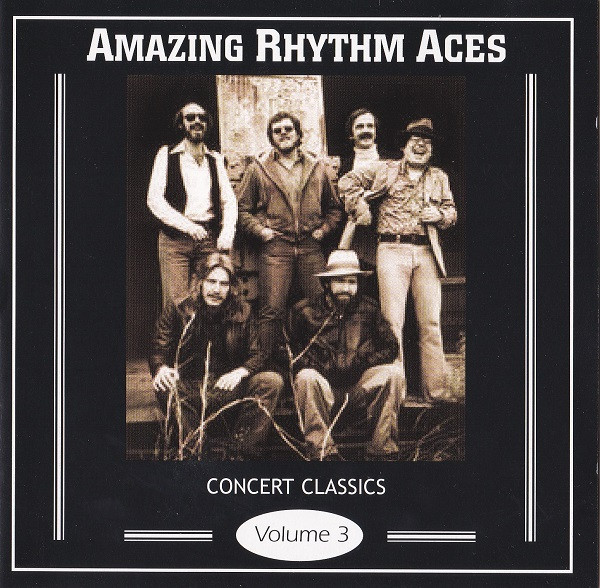
Concert Classics Volume 3
1999

Further
1997

Ride Again vol. 1
1994
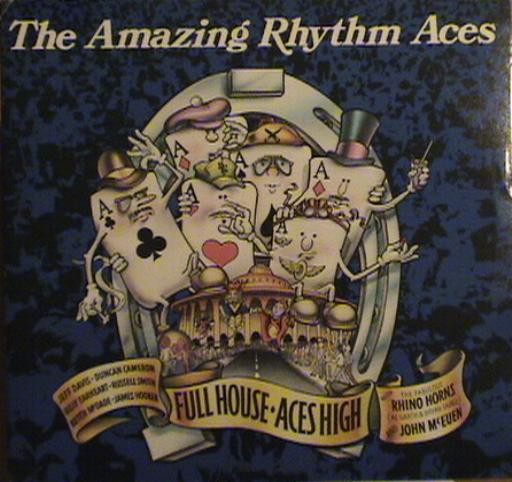
Full House / Aces High
1981

How The Hell Do You Spell Rythum ?
1980

Fools Gold
1976
Credited work
478 releases · 89 albums · active 1976–2024
- Performance · 1,153
- Other credits · 149
- Production · 68
- Engineering · 9
Studios: Muscle Shoals Sound Studios · Ocean Way Recording · Wilder Bros. Studios, Los Angeles · Bayshore Recording Studios