
Gong
Biography
A gong is a percussion instrument originating from Southeast Asia, and used widely in Southeast Asian and East Asian musical traditions. Gongs are made of metal and are circular and flat or bowl-like in shape, and can come in various sizes. They are typically struck with a mallet. They can be played alone, giving a characteristic "crashing" sound, or played as part of a tuned set that produce bell-like sounds. The earliest possible depictions of gongs is from the details on the surface of the Ngọc Lũ I bronze drum (c. 3rd to 2nd century BC) from the Dong Son culture of northern Vietnam. It depicts what looks like seven-gong ensembles along with other instruments (including cymbals/bells and the bronze drums themselves). The oldest undisputed historical mention of gongs can be found in sixth century AD Chinese records, which mentioned it as a foreign instrument that came from a country between Tibet and Burma. The term gong (Javanese: ꦒꦺꦴꦁ) originated in the Indonesian island of Java. Scientific and archaeological research has established that Annam, Java, Burma, and Southern China were the four main gong manufacturing centres of the ancient world. The gong found its way into the Western World in the 18th century, when it was also used in the percussion section of a Western-style symphony orchestra. A form of bronze cauldron gong known as a resting bell was widely used in ancient Greece and Rome: for instance in the famous Oracle of Dodona, where disc gongs were also used. Gongs generally fall into three types: Suspended gongs are more or less flat, circular discs of metal suspended vertically by means of a cord passed through holes near to the top rim. Bossed or nipple gongs have a raised centre boss or knob and are often suspended and played horizontally. Bowl gongs are bowl-shaped and rest on cushions. The latter may be considered a member of the bell category. Gongs are made mainly from bronze or brass, though there are many other alloys in use. Gongs produce two
Bio from Wikipedia
Discography
Records they worked on — most-collected first.
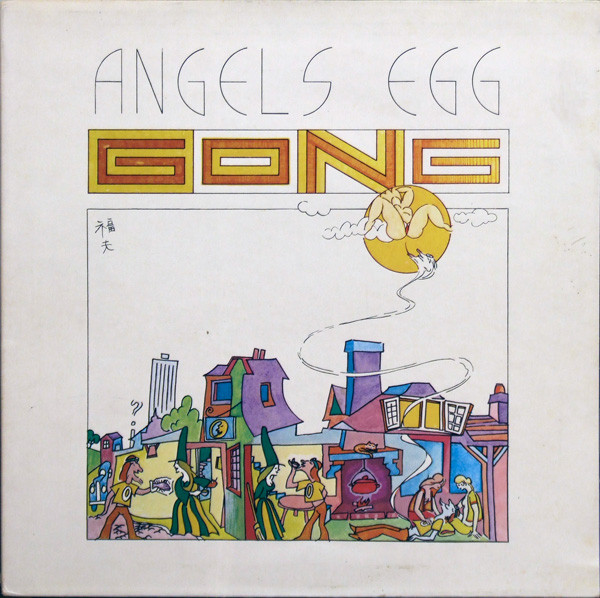
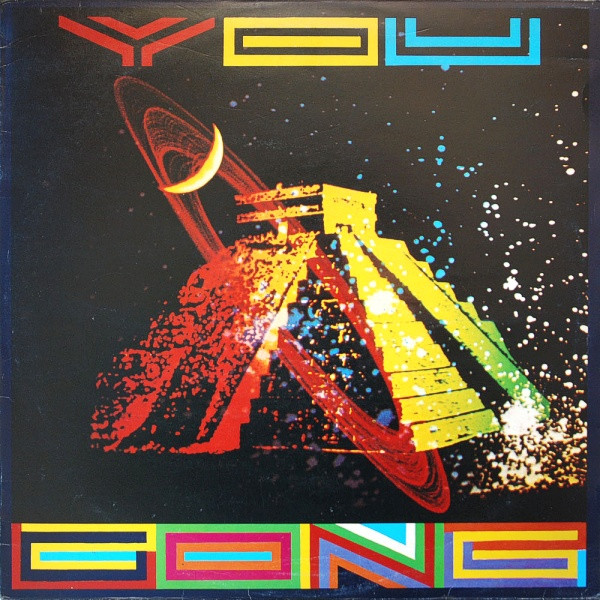







Credited work
251 releases · 32 albums · active 1970–2026
- Production · 185
- Performance · 150
- Other credits · 32
- Engineering · 7
Studios: The Manor · Pye Studios · Matrix Studios · Britannia Row Studios